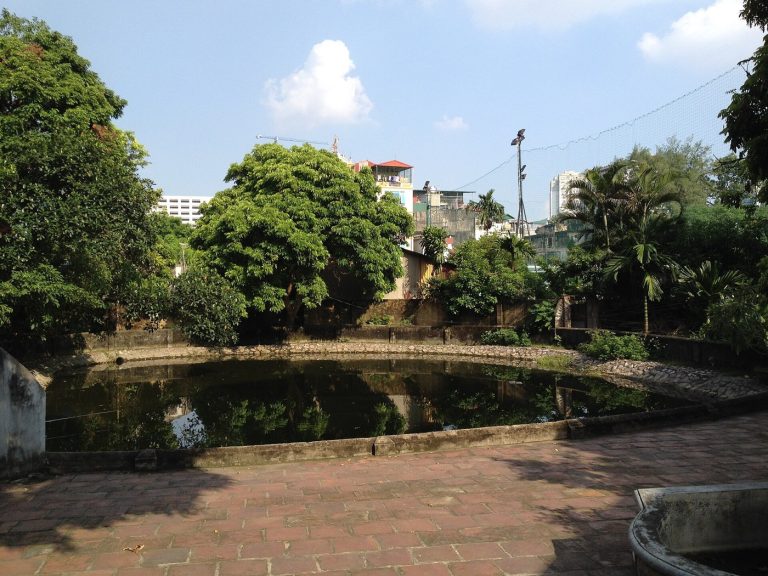
Kim Lien Pagoda Hanoi: Architecture and Visitor Guide
Kim Lien Pagoda is located near West Lake, in the Nghi Tam area of Tay Ho District. Amidst a bustling urban environment, the pagoda stands out with its wooden triple gate, layers of ancient roofs, and a courtyard with a very distinct rhythm. It is a suitable stop for those who love traditional architecture and Hanoi’s history, or anyone looking for a quiet moment during a trip around the lake.
The pagoda remains an active place of worship, so visits should be approached as respectful heritage tours. Opening hours, accessible areas, and photography regulations may change during holidays or temple events; please observe signage and ask the caretakers if you are unsure.
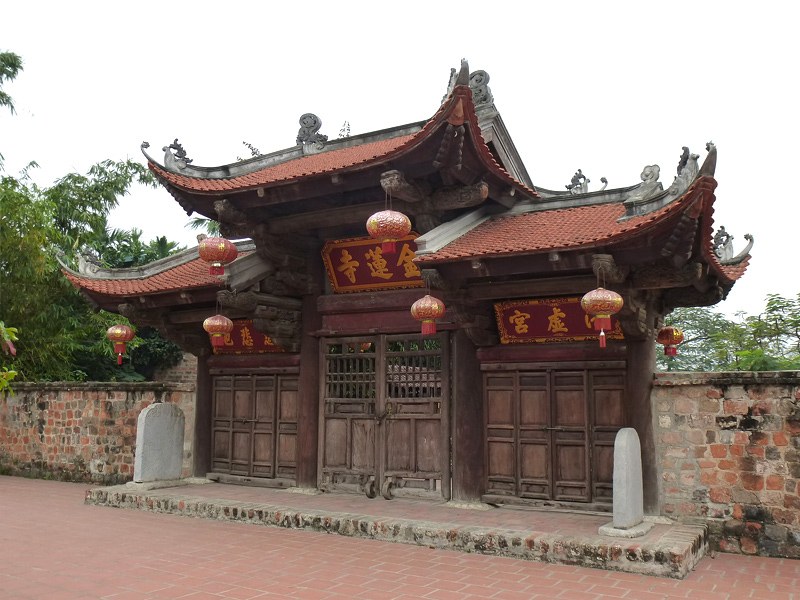
Highlights of the Triple Gate
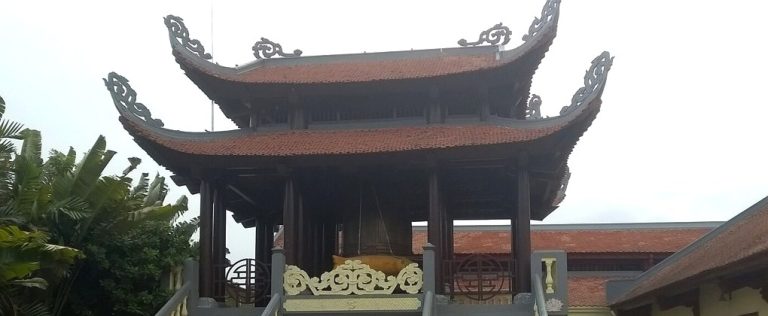
The triple gate is the most recognizable detail upon arriving at the pagoda. The wooden structure, curved roof corners, and multiple layers of roofing create an appearance that is both graceful and sturdy. When observing, do not just stand directly in front: step back far enough to see the overall proportions, then shift to an oblique angle to notice how the roofs intersect.
Carvings and small wooden structural components are often located in the shadows beneath the roof. Your eyes will need a few seconds to adjust before seeing them clearly. Do not touch the wooden surfaces, lean against doors, or block pathways while taking photos.
Courtyard Layout and Structures
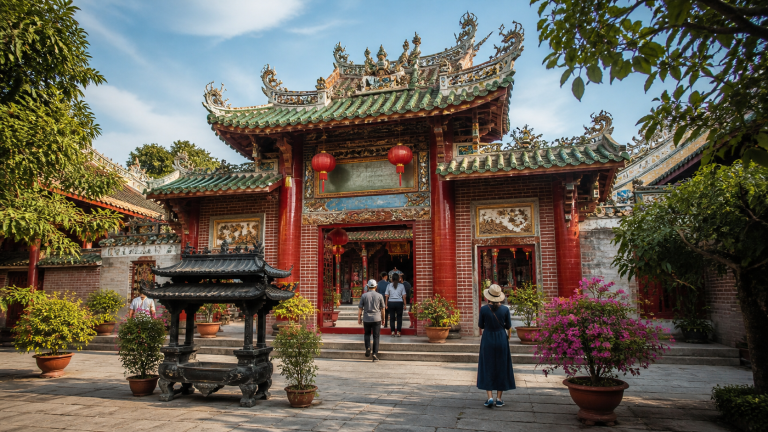
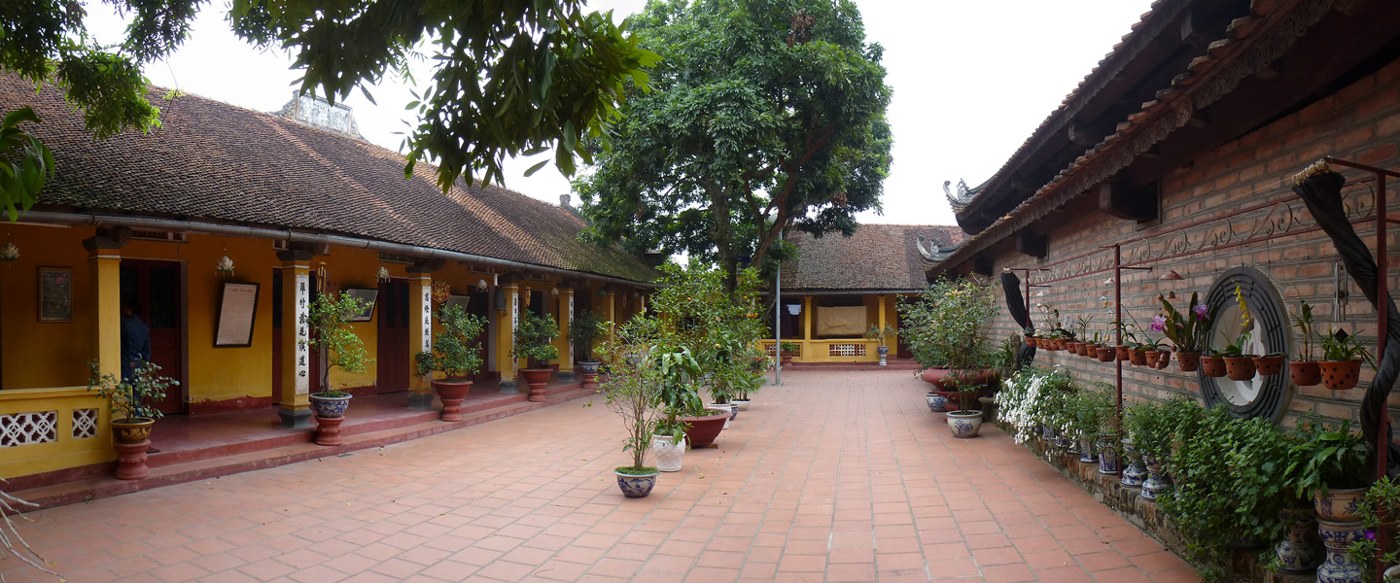
Step through the gate, and the courtyard helps visitors better perceive the spatial order. The rows of buildings, greenery, and walkways do not stand alone but instead lead the gaze toward the main sanctuary. Walk slowly around the courtyard, keep a distance from ongoing rituals, and prioritize pathways for local worshippers.
The old tile colors, brick walls, wooden doors, and potted plants create layers of textures. A wide-angle photo capturing the layout is more useful than continuously snapping individual details. If the courtyard is crowded, wait for a quiet moment rather than asking others to move out of your frame.
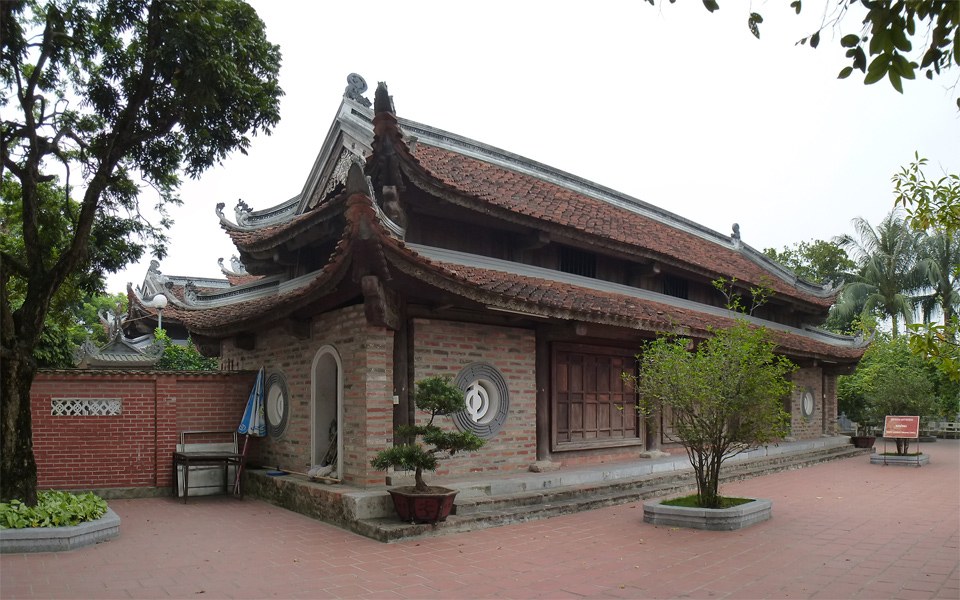
How to Observe Roof Architecture
The pagoda’s roof lines look best when viewed from a moderately low angle, where you can see the curve at the corners and the overlapping layers of the structures. However, do not step on platforms, planters, or partitions to find a photo angle. A walk around the courtyard usually provides enough perspectives.
Midday light can easily make the sky too bright while leaving the wood beneath the roof in shadow. Mornings or late afternoons generally offer softer light, but check operating hours before heading out. On rainy days, brick surfaces can be slippery; shoes with good traction are more convenient.
Etiquette in Spaces of Worship
- Attire: Choose neat, modest clothing that is comfortable for walking.
- Sound: Speak quietly, turn off phone ringers, and do not play music.
- Photography: Do not use flash inside shrines, and do not photograph people participating in rituals without permission.
- Offerings: Do not move religious objects, items, or other people’s offerings.
- Space: Do not eat, litter, or pose inappropriately in the temple courtyard.
Suggested Itinerary Around West Lake
Kim Lien Pagoda can be included in a short sightseeing loop on the eastern side of West Lake. Instead of packing too many spiritual sites into one morning, dedicate time to observing the architecture and then take a slow walk through the nearby residential area. A gentle itinerary keeps the trip unhurried and prevents temple visits from becoming purely photographic exercises.
If traveling by personal vehicle, park in designated areas and do not block gates or residential alleys. For ride-hailing services, choose safe pick-up and drop-off points, avoiding narrow road sections. The area around the lake can be crowded on weekends and during rush hour, so budget extra time.
Best Time to Visit
Weekdays are generally favorable for those who want to observe carefully and maintain a quiet atmosphere. On the 1st and 15th days of the lunar month or during holidays, visitor numbers may increase; the experience then leans more toward religious practices than architectural sightseeing. Whenever you go, yield the path and avoid lingering too long in front of altars.
Hanoi summers are hot and humid, so bring water but only consume it in appropriate areas. Winters can be cold if you stand in the courtyard for a long time. A small umbrella, tissues, and comfortable walking shoes are much more practical than bulky luggage.
Check Before You Go
Information about opening hours, rituals, and accessible areas may change. Confirm through reliable local channels or ask directly at the destination. If the pagoda is hosting rituals, undergoing repairs, or temporarily restricting access to an area, please follow instructions and adjust your plans.
A memorable visit to Kim Lien Pagoda is not measured by the number of photos taken. The greater value lies in recognizing the beauty of the wooden structures, how the roofs and courtyards connect, and maintaining respect for the community that uses the heritage site every day.