When to Visit Ninh Thuan: Choosing by Sea and Sun
Ninh Thuan is often associated with sunshine, wind, and scenic coastal routes, but different activities require different conditions. Clear days suit beaches and coastal mountain roads; milder weather is better for walking; while after rain, certain green areas take on a different appearance, though travel requires more caution.
Do not choose dates based solely on general climate descriptions. Weather changes from year to year, so use seasonal information as a framework and then check short-term forecasts before your trip.
If your goal is the sea and coastal routes
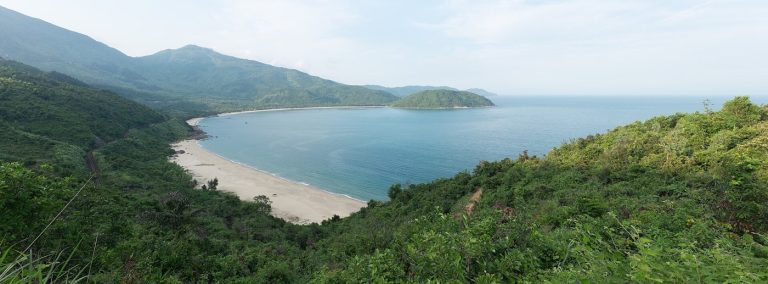
Prioritize days with forecasts of little rain, good visibility, and moderate wind. Sunshine makes coastal scenery vibrant, but it also raises surface temperatures quickly. Depart early, bring water, a hat, and long sleeves, and avoid continuous sun exposure at midday.
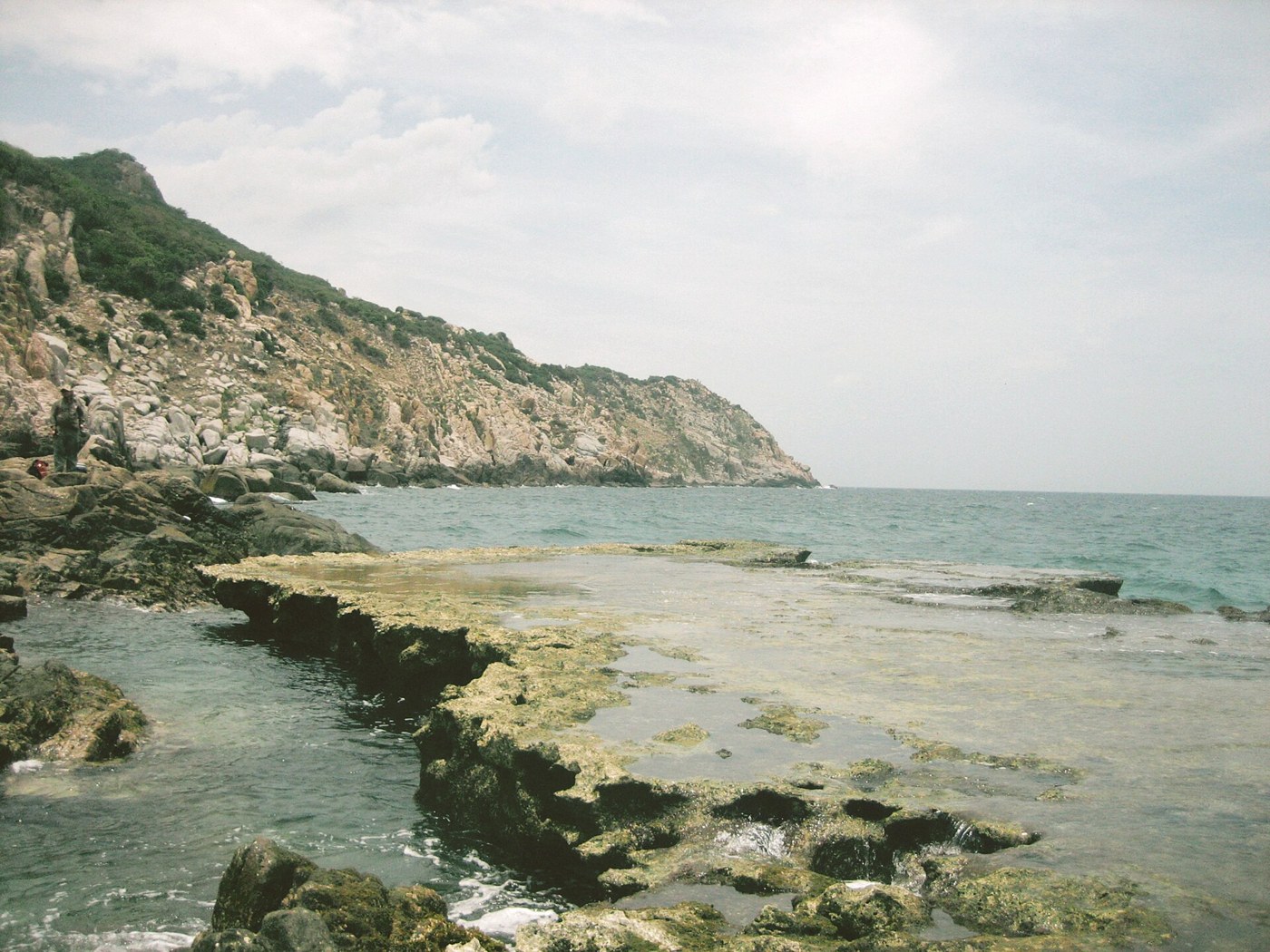
At rocky shores like Hang Rai, stones can be slippery due to water and algae. Do not stand close to the wave edge, avoid restricted areas, and always watch the tide. A photograph is not worth risking your safety.
Wind is just as important as rain
A rainless day may still be unsuitable for marine activities if winds are strong. When scheduling boat trips or coastal sightseeing, check both wind speed and wave warnings. Confirm operating status the day before and on the morning of your trip rather than assuming schedules are fixed.
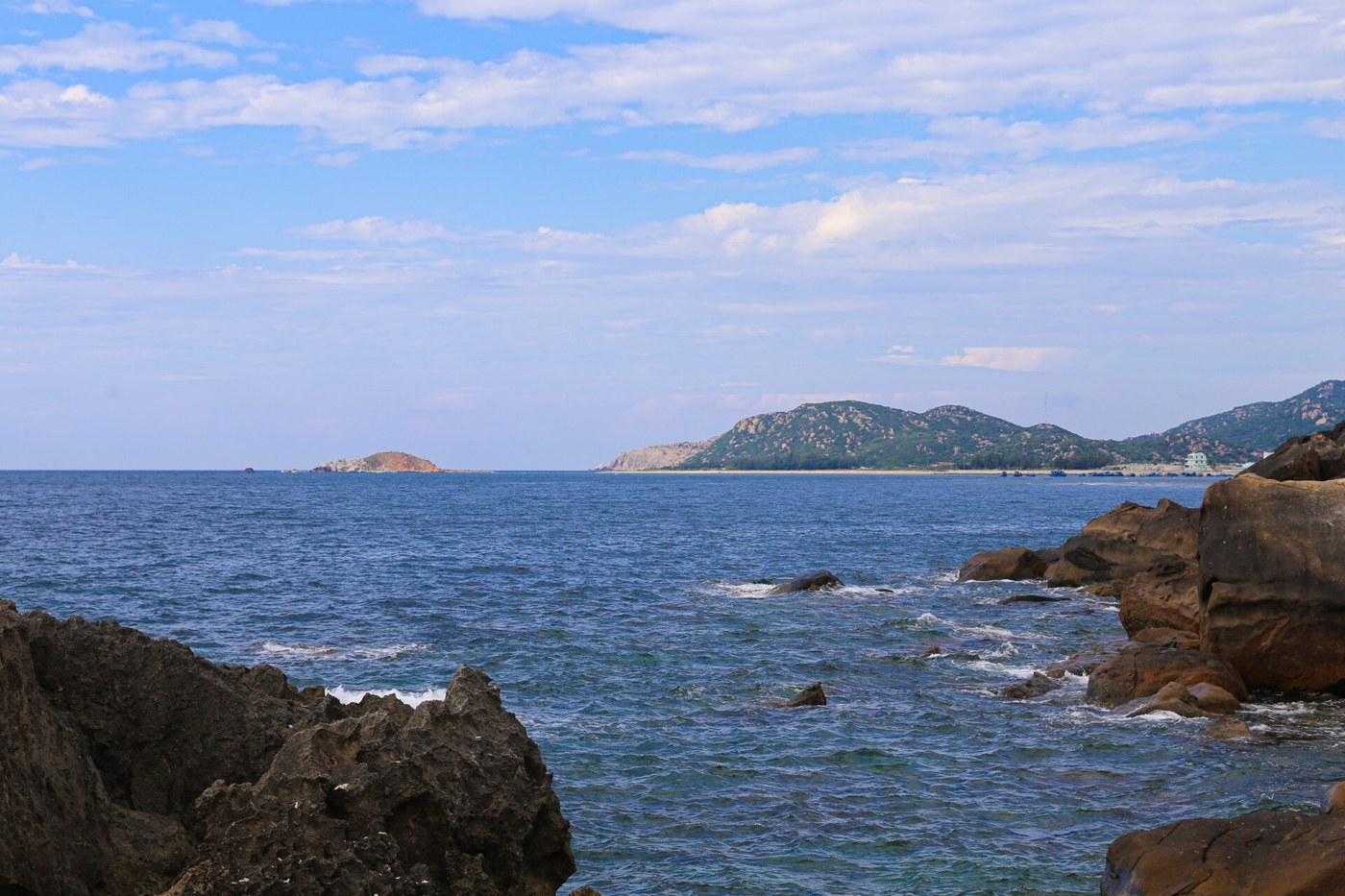
Choosing the right time for Nui Chua and coastal roads
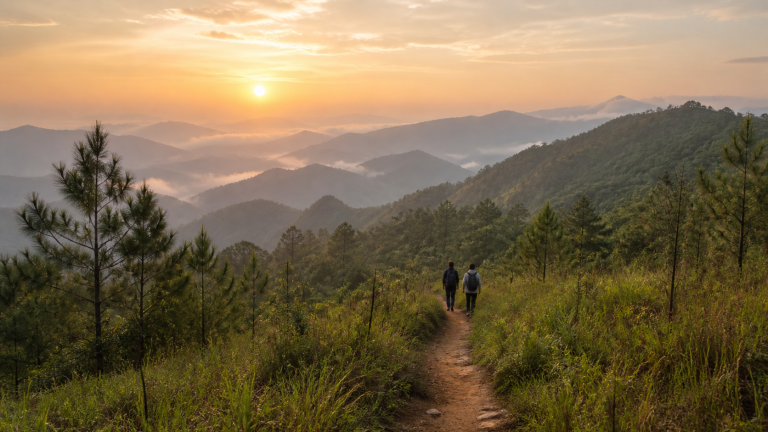
Outdoor trails are more manageable when temperatures are not overly harsh. Starting early reduces time under the sun and provides a safe buffer. Wear gripped footwear, carry enough water, and do not leave permitted paths. After rain, rocks and soil can remain slippery even after the rain stops.
If you experience signs of heat exhaustion such as dizziness, headaches, or nausea, stop exercising, find shade, and seek assistance. Groups should set their pace according to the slowest member.
When you want to see a greener Ninh Thuan
Highlands and forested zones like Phuoc Binh offer a different atmosphere from the dry coast. Rainy periods can make the landscape greener, but they also increase the likelihood of slippery roads, rising water levels, or changes to outdoor schedules. Always check local trail conditions before venturing deep into these areas.

What to pack
- Drinking water, sun protection, and a light jacket.
- Shoes or sandals with good grip suitable for the terrain.
- Waterproof bags for phones and documents.
- A lightweight raincoat in case of sudden showers.
- Offline maps and accommodation details.
Planning with buffer time
Avoid scheduling beaches, mountain roads, and long journeys all on the same day. Grouping destinations by area reduces travel time under the sun. If your trip lasts several days, leave some free time to adjust your schedule if wind or rain conditions are unfavorable.
For photography, early morning and late afternoon light is much more pleasant than midday glare. However, always leave secluded areas before dark if you are unfamiliar with the route.
The best season depends on your experience
There is no single best season for everything. Beachgoers must watch out for wind and waves; hikers need to avoid harsh sun; and those seeking green landscapes must accept the possibility of rain and slippery paths. Setting your priorities, keeping your schedule flexible, and checking forecasts close to your departure date is safer than sticking to a fixed month.