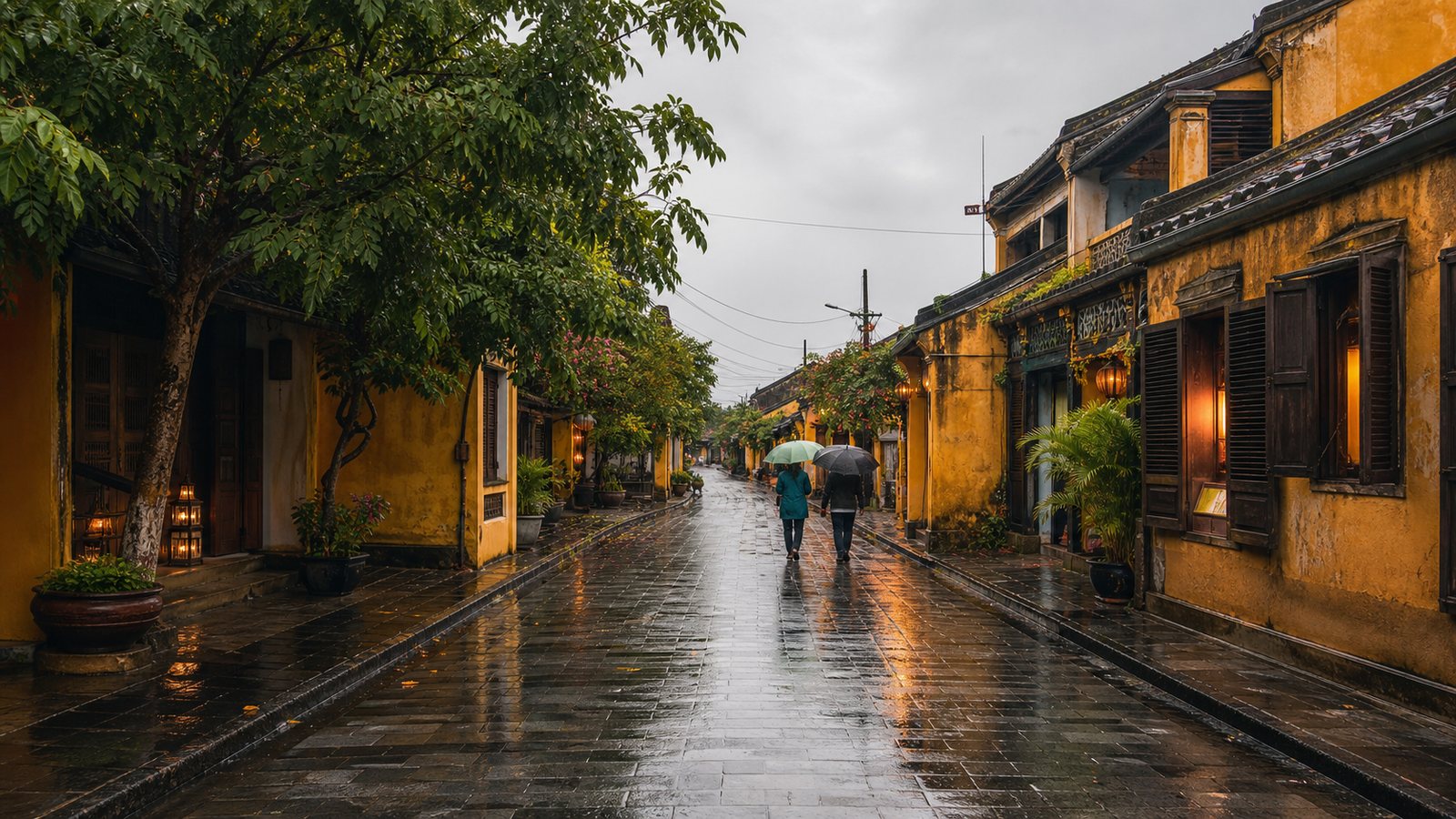
Where to Visit in Central Vietnam in October: 12 Spots & Rain Tips
October in Central Vietnam is not a time when you can simply assume “great weather and calm seas.” The coastal strip typically enters the heart of the rainy season, carrying risks of storms, depressions, floods, and landslides. In return, crowds are smaller, ancient towns feel more atmospheric, and the northern mountains of the region or the Central Highlands can offer pleasant weather windows if you closely monitor forecasts near your departure date.
This article suggests 12 destinations across Central Vietnam and nearby plateau regions, highlighting the types of experiences suited for each. Avoid booking non-refundable beach tours too early; keep at least one buffer day and prioritize spots with indoor activities when weather turns sour.
1. Pu Luong – Rice Terraces and Villages
October may coincide with the golden ripening rice stage in some valleys, but the harvest period changes every year. Ask your accommodation about the status of the fields before traveling. Mountain roads become slippery when wet; do not venture onto remote tracks alone after heavy rain.
2. Nghe An – Forests, Mountains, and a Slow Pace
Nghia Dan, Tuong Duong, and western Nghe An feature forests, hills, and indigenous communities. Trips should depend on road conditions, avoiding long drives just to photograph a single spot. When entering villages or production areas, always ask for permission before photographing locals.
3. Quang Binh – Choose Experiences Based on Rain Conditions
October requires caution regarding rising waters and routes into cave systems. If conditions are unfavorable, switch to visiting Dong Hoi, Quang Binh Gate, museums, or local cuisine. Quang Binh historically belonged to Quang Tri province; the name Quang Binh still helps locate the right travel area.
4. Hue – The Melancholy Charm of the Rainy Season
The Imperial Citadel, museums, garden houses, and Hue cuisine suit light rainy days. However, prolonged rain can cause flooding in low-lying areas; ask your accommodation about routes and never attempt to cross rushing water. Pack compact raincoats, shoes with good traction, and waterproof bags for electronics.
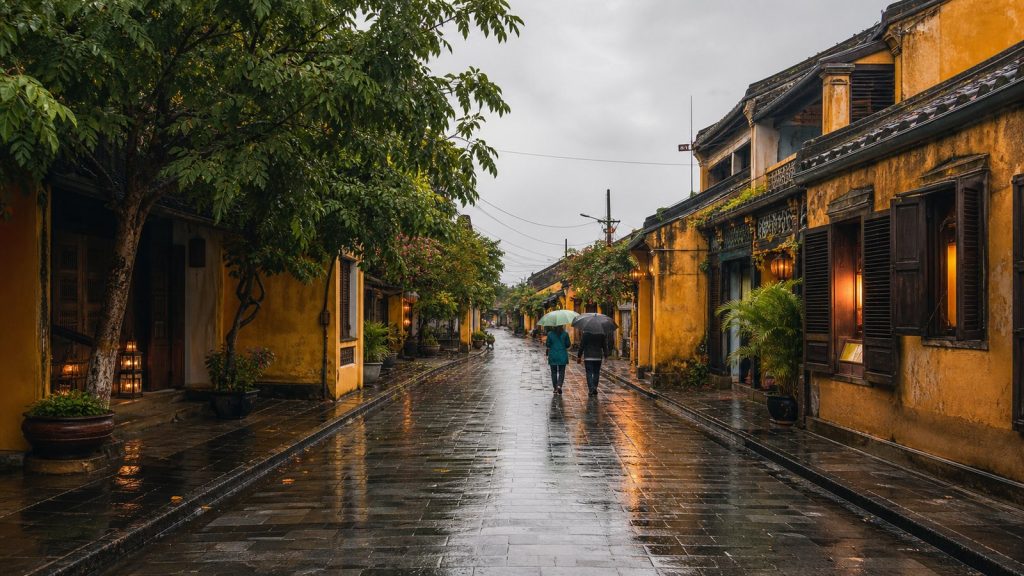
5. Da Nang – Hoi An: Prioritize Flexible Itineraries
Da Nang offers museums, markets, and plenty of eateries to pivot your schedule when it rains. Hoi An is beautiful after the rain, but low-lying quarters can flood; do not enter deep water just for photos. Hoi An is currently part of Da Nang city, though the geographical name is kept for the ancient town and craft village areas.
6. Quy Nhon – Visit Islands Only When the Sea is Safe
October in Quy Nhon can bring rain and rough seas. On bad days, switch to Cham towers, museums, or culinary trails instead of forcing trips to Ky Co or Hon Kho. Quy Nhon formerly belonged to Binh Dinh and is now located within Gia Lai province.
7. Phu Yen – Cuisine and Conditional Coastal Routes
Phu Yen is well-known for fish dishes, banh hoi, tuna eyes, and various coastal spots. October requires checking for heavy rain, wind, and landslides before driving long routes. Phu Yen currently belongs to Dak Lak province; the names Tuy Hoa and Phu Yen remain essential when searching for addresses.
8. Nha Trang – Coastal City with Rainy Day Options
Nha Trang features Ponagar Tower, museums, markets, and diverse dining choices. If sea conditions are unfavorable, do not insist on island tours. One day exploring the city, one flexible day, and one beach day when forecasts improve are safer than a fully booked schedule.

9. Vinh Hy – Scenic Landscapes Dependent on Wind
The coastal road of Vinh Hy, Hang Rai, and the vineyard regions offer distinctive scenery. October can bring sudden downpours; bay tour boats must operate according to official notices. Vinh Hy formerly belonged to Ninh Thuan and is now located within Khanh Hoa province.
10. Phan Thiết – Mui Ne: Monitor Coastal Rain and Wind
Sand dunes, fishing villages, and coastal roads suit stable weather. After heavy rain, do not drive onto sandy tracks or landslide-prone areas. Phan Thiet formerly belonged to Binh Thuan and is now located within Lam Dong province.
11. Da Lat – Persimmon Season and Chilly Weather
October typically brings ripe persimmons, low clouds, and cool mornings. Rain can still occur, so schedule garden visits for dry days and reserve cafes, museums, or markets for bad weather. Do not enter orchards or pick fruit without the owner’s permission.
12. Pleiku – Kon Tum – Buon Ma Thuot: A Multifaceted Highland Route
Instead of rushing through all three cities in three days, choose one cluster. Pleiku and Kon Tum currently belong to Gia Lai province; Buon Ma Thuot belongs to Dak Lak. October may start getting drier in some areas, but waterfall and forest trails remain slippery after rain. Travel with someone who knows the terrain when visiting remote spots.

Three Itinerary Combinations
4 Days: Hue – Da Nang – Hoi An
Two days for Hue, one day for Da Nang, and one day for Hoi An. Travel only when roads are safe; order can be reversed depending on forecasts. This route features many indoor activities, making adjustments easy.
4 Days: Quy Nhon – Phu Yen
Choose one city as a base and only drive coastal routes on sunny days. If the sea is rough, switch to Cham towers, craft villages, and local food. Do not pre-book island boat tickets for the entire trip.
5 Days: Pleiku – Kon Tum or Buon Ma Thuot
Choose one of the two clusters to reduce time spent in vehicles. Dedicate the first day to the city, the middle days to nature, and the final day as a buffer before your flight or return transport.
Rainy Season Safety Checklist
- Monitor storm, flood, and landslide warnings from local authorities rather than just relying on weather app icons.
- Do not drive through flooded roads, submerged causeways, or rushing water even if the vehicle ahead manages to cross.
- Choose tickets, rooms, and activities with clear cancellation and change policies.
- Pack waterproof bags, power banks, personal medication, and shoes with good traction.
- Share your itinerary with family when visiting mountainous regions and do not split from the group on remote trails.
October can deliver a very different side of Central Vietnam, but flexibility matters more than checking off a must-see list. You can explore more through tips on choosing the best season to visit Hue and Northern Vietnam October recommendations for comparison before deciding.