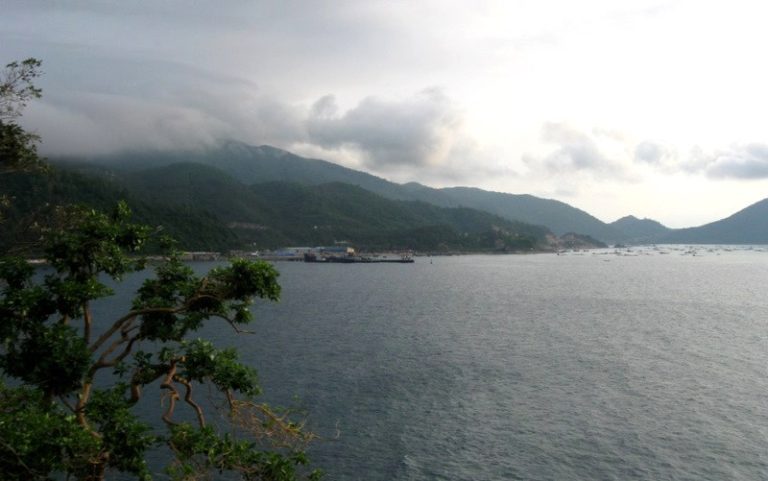
Hoa Phong Tower Hanoi: Historic Landmark by Hoan Kiem Lake
Hoa Phong Tower stands right next to Hoan Kiem Lake, compact among the trees and bustling pedestrian flow of central Hanoi. As a surviving remnant associated with the former Bao An Pagoda, the tower’s value lies not only in its antiquity but also in its ability to evoke an urban landscape that has transformed over time.
This is an open-air viewpoint that does not require too much time, yet it is easily overlooked if you focus solely on the lake’s surface. A slow walk around the tower helps reveal its arched doorways, brick masonry, decorative elements, and the distinct features of each side of the structure.
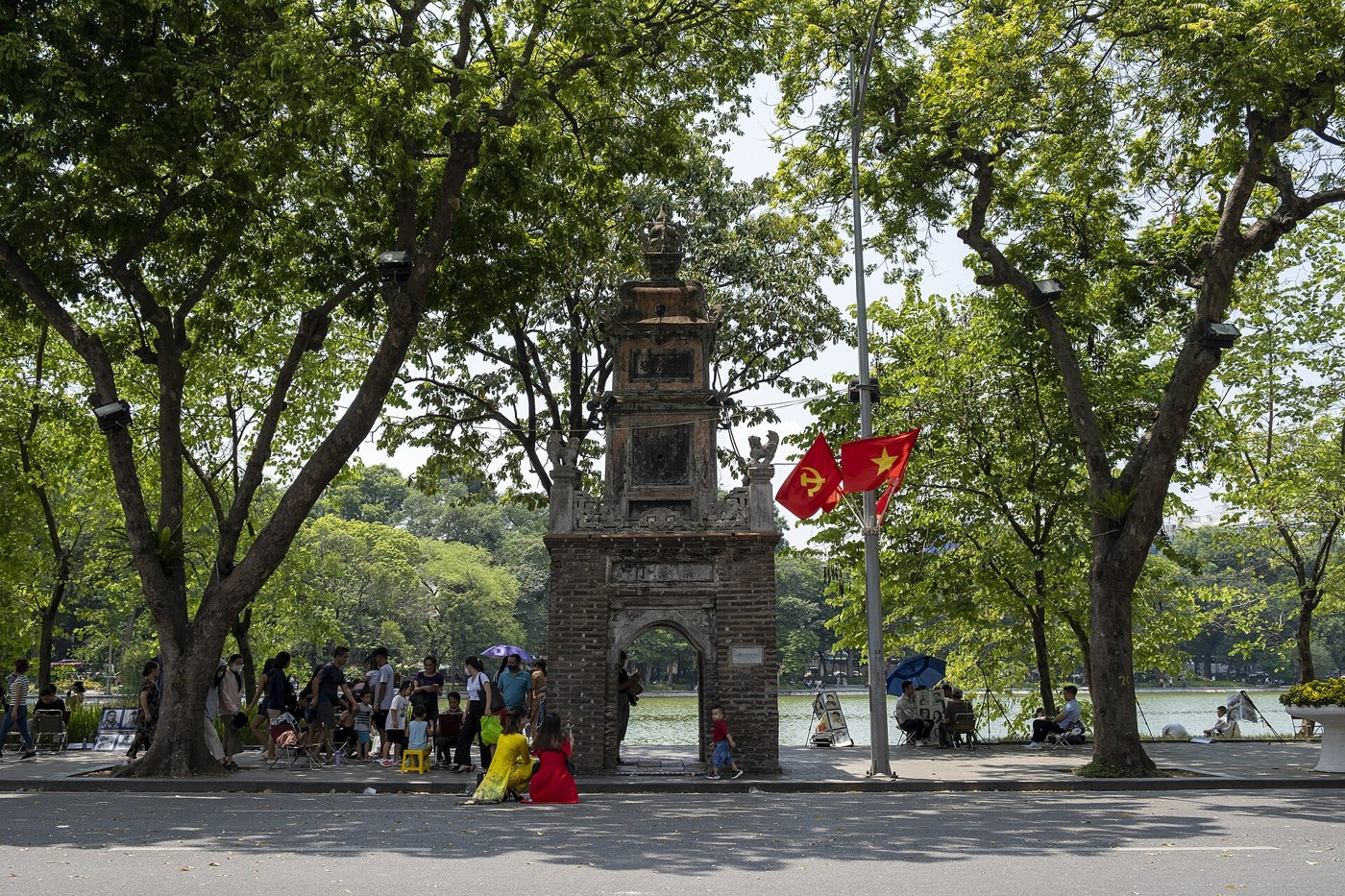
The Tower’s Position Within Hoan Kiem Lake
The tower stands on the edge of the sidewalk amidst greenery, streets, and water. This very contrast makes the structure stand out: an old brick structure present within an ever-moving area. When observing, it is best to step back to a safe open space on the sidewalk to view both the tower and the surrounding scenery.
Do not step onto the roadway to find a wide shooting angle. If the area ahead is crowded, switch to another side or wait a moment rather than blocking the pedestrian flow.
Architecture Viewed From All Four Sides
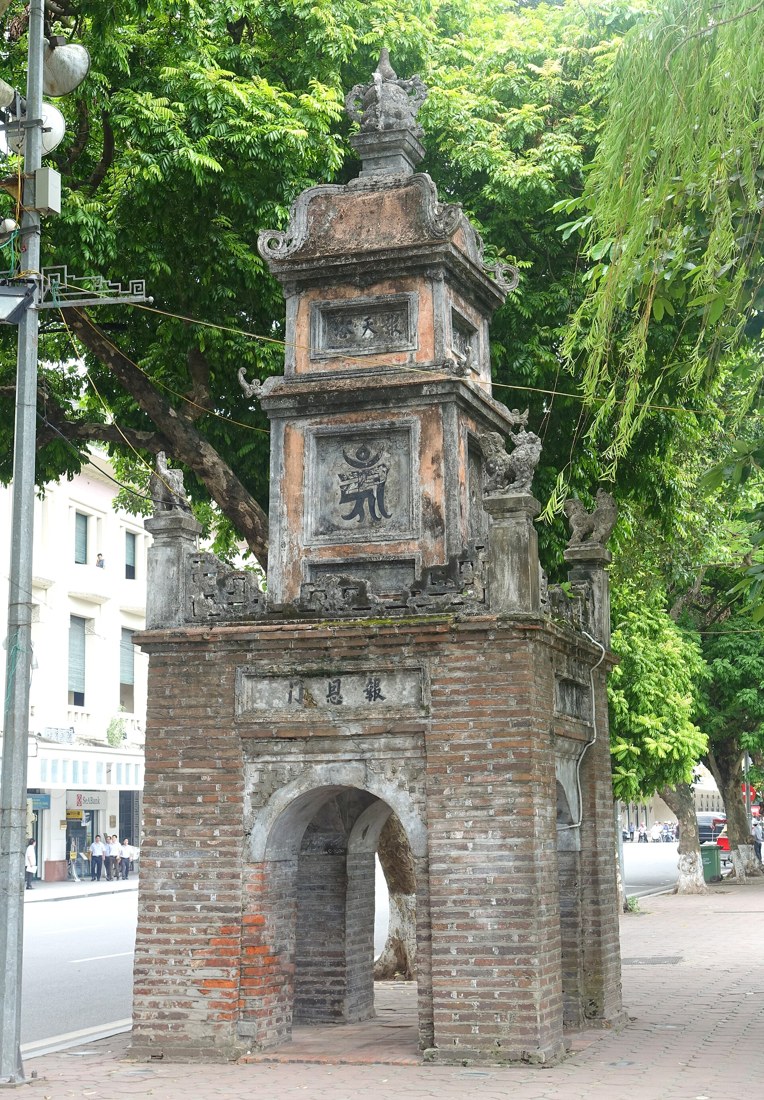
The tower features arched entryways at the lower section and decorative blocks extending upward. Each side carries different details, so taking front-facing photos alone will miss many elements. Take a full walk around, paying attention to the proportions between the brick foundation, arched doorways, decorative niches, and the roof pinnacle.
The surface has weathered over time, with brick tones and weathering marks creating uneven shades. Do not touch, lean against, or place equipment on the walls. These aged traces should be observed from an appropriate distance.
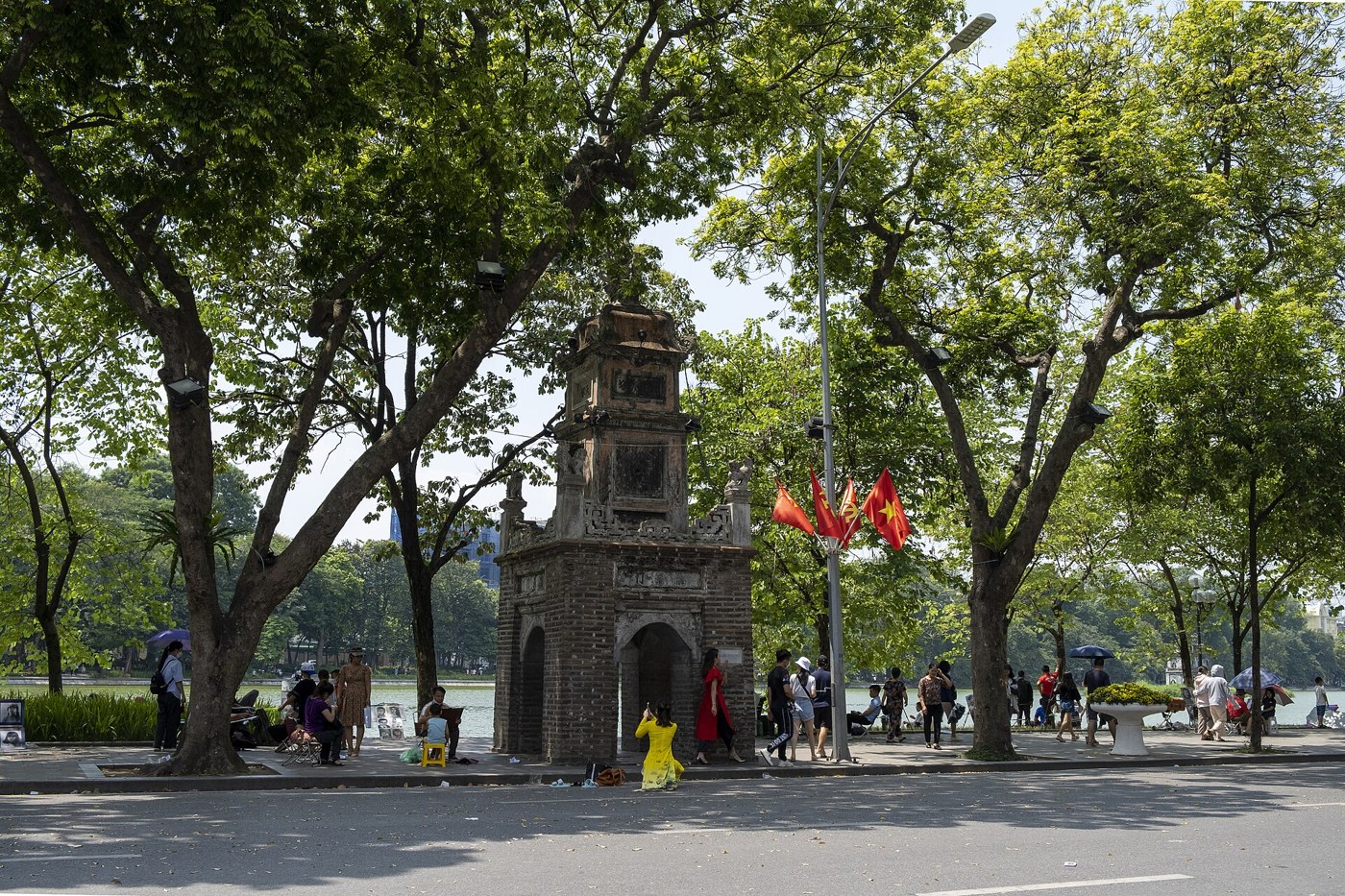
Choosing the Right Time to Visit
Early mornings are generally ideal for observation when the pathways are clear and the light is soft. Late afternoons offer a more vibrant atmosphere, but crowds around the lake also increase. Overcast days help reduce the contrast between the tower body and the tree canopy, whereas strong sunlight can cast deep shadows.
On weekends, traffic arrangements around the lake may change and pedestrian crowds swell. Check real-time conditions, choose appropriate transportation, and allow extra time to find drop-off points or parking.
How to Take Clean and Contextual Photos
A vertical photo suits the height of the tower, while a horizontal shot helps tell the story of its lakeside setting. Keep the camera level so the architectural lines do not tilt excessively. The tree canopy can be used as a natural frame, but do not step back into the vehicle lanes.
Avoid taking close-up shots of other people’s faces, especially those resting or working around the lake. Do not use large tripods during peak hours if the equipment narrows the pathway.
Incorporating It Into a Walking Tour
Hoa Phong Tower makes a fitting stop during a walking tour around Hoan Kiem Lake. Instead of treating it as an isolated trip, combine it with observing the lake landscape, old streets, and nearby historic buildings. Choose a few interconnected points and take time to read onsite information.
A short but themed itinerary is easier to remember than rushing through too many landmarks. With the tower, useful questions to ponder include: what larger complex did this structure once belong to, why does it remain in this exact spot, and how has the surrounding space changed?
Important Visitor Guidelines
- Traffic Safety: Observe only from the sidewalk and pedestrian zones.
- Monument Preservation: Do not write, paste, climb, or lean heavy objects against the tower’s surface.
- Keep Paths Clear: Do not stand in groups blocking the arched doorways or walkways.
- Maintain Cleanliness: Dispose of trash properly and do not leave food or drinks near the base of the structure.
- Community Respect: Ask for permission before taking close-up photos of individuals.
Preparing for Your Trip
Walking shoes, drinking water, and a sun shirt are sufficient for most of the lakeside journey. During the rainy season, brick pavements and sidewalks can become slippery; a compact umbrella or light rain jacket is more convenient than bulky luggage. If traveling with young children, keep them away from the road edge.
Traffic information, route diversions, and public events around the lake are subject to change. Check local updates close to your travel date, particularly on weekends or holidays.
Observing Heritage at a Slower Pace
Hoa Phong Tower is not large, yet it serves as a clear example of how a small remnant can preserve the memory of a transformed space. Spend a few minutes walking around all four sides, looking closely at the materials, and comparing the tower with the current landscape.
Leaving the stop with a question about urban history can be far more rewarding than collecting identical photographs. Curiosity, preservation ethics, and polite use of public spaces form the foundation for a meaningful visit.