Hanoi Museum: Architecture Guide and Planning Your Visit
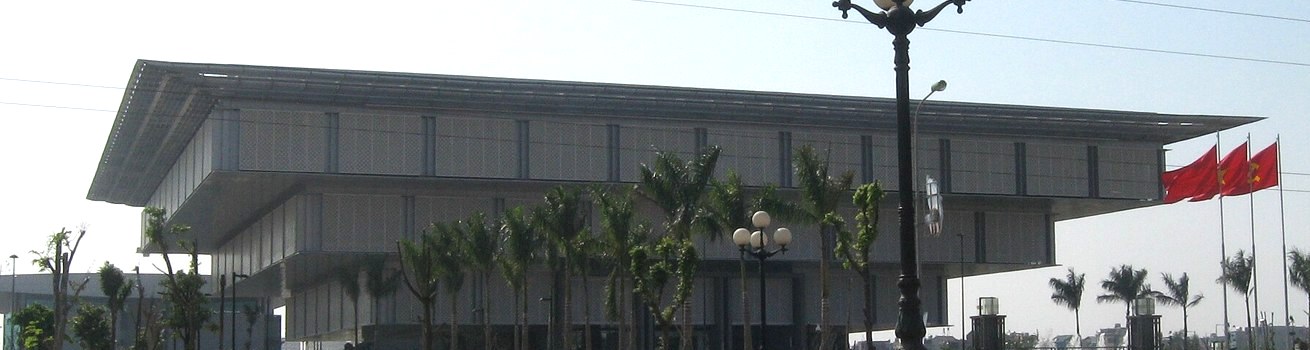
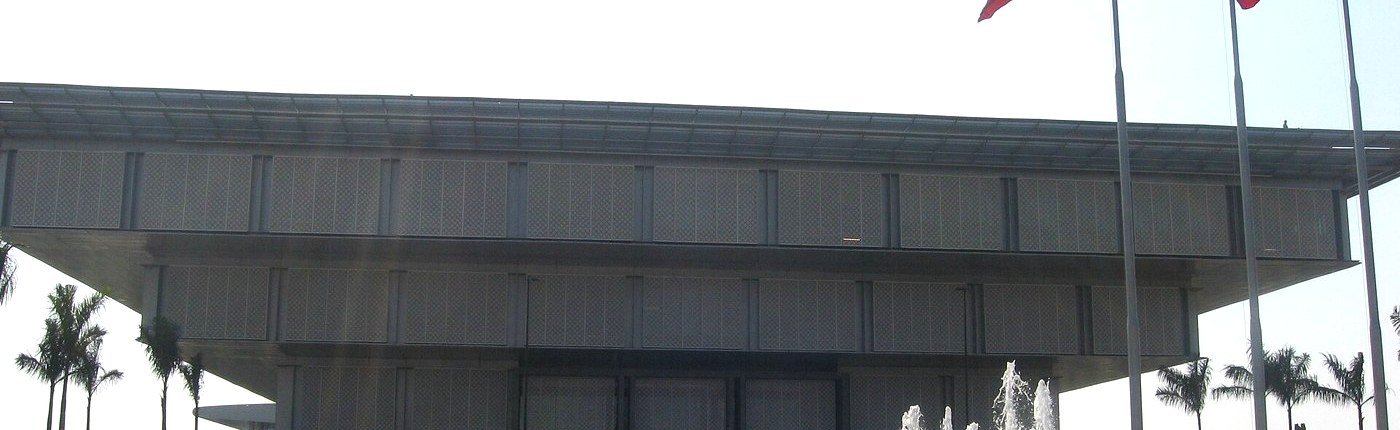
Hanoi Museum has a striking feature visible right from the outside: its floors expand progressively outward toward the top, creating the silhouette of an inverted pyramid. Inside, the curved lines surrounding the central atrium provide a spatial experience completely distinct from the angular exterior facade. It is a destination well-suited for combining an exploration of the city’s history with architectural observation, rather than simply dropping by for a quick photo.
Address and Essential Information to Verify
The museum is located on Pham Hung Road in Tu Liem, Hanoi. When navigating there, enter the exact name Hanoi Museum to avoid confusing it with other museums in the city. If using public transport, check the routes and drop-off points closest to the entrance via your transit app; do not select a route simply because the stop name contains the word Hanoi.
Information verified on September 12, 2026, indicates regular visiting hours are 9:00 AM – 5:00 PM, Tuesday through Sunday, closed on Mondays. Before your trip, always check for updated announcements, especially regarding holiday closures or adjustments to visitor reception areas.
Do not assume admission is free year-round. The museum announced the implementation of entrance fees starting March 3, 2026; separate free-admission periods, such as June 29–August 29, 2026, or September 2, have specific date ranges. Check current fee schedules and concession policies before budgeting, rather than relying on information from past promotional periods.
Viewing the Structure from Outside to Inside
From the outside, an angled viewpoint helps reveal the overhang of the upper floors better than standing directly by the entrance. Observe the roofline, the facade layers, and the shadows cast beneath the projections. The photo above is cropped tightly to the upper mass and does not show the entire courtyard or approach road.
When shooting with a smartphone, try holding the device level and avoid tilting it upward too sharply so that vertical lines remain relatively straight. Do not step back into traffic to capture the full frame. A closer yet safe angle is always more practical than panoramic shots taken from traffic-obstructing positions.
The Atrium and Curved Ramps
The interior space makes a strong impression through the curved lines wrapping around the central atrium. From an authorized stopping point, you can observe how the levels connect with one another, the light filtering from above, and the contrast between light-colored railings and dark details.
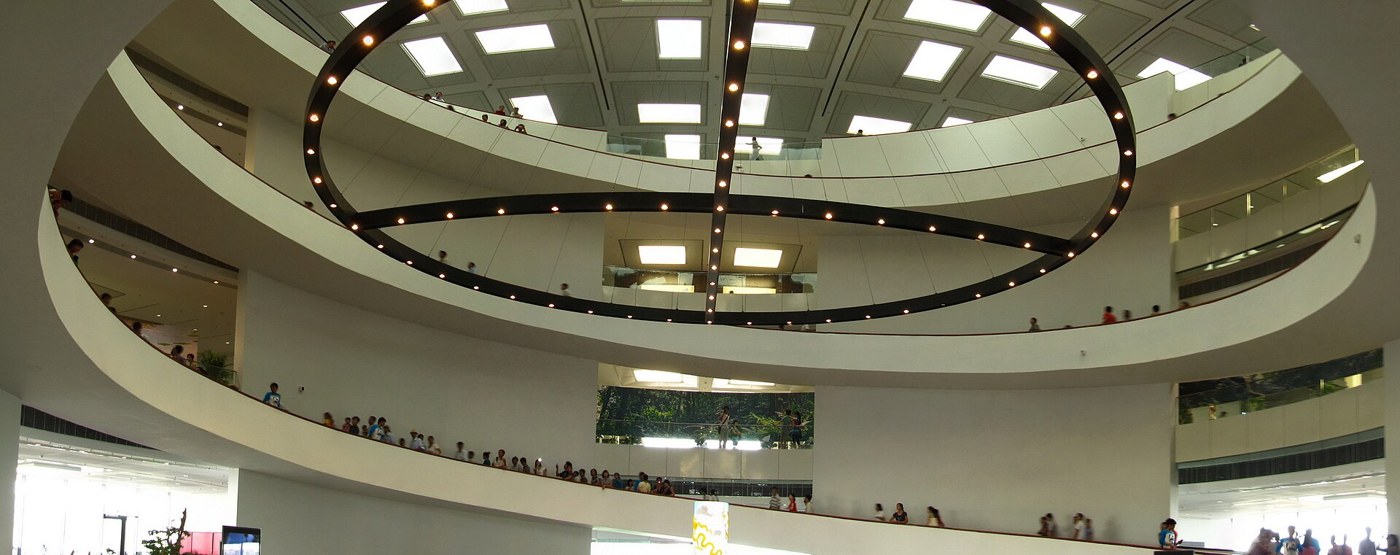
Follow the onsite map and directional signs rather than assuming current walking routes based on old photos. When pausing to take pictures, step aside to keep pathways clear; do not lean over railings or extend your phone beyond safety edges. If traveling with children, keep them within sight near elevated sections and floor transitions.
Dedicate Time to Content, Not Just Architecture
After appreciating the spatial design, select a few artifact groups or stories about Hanoi to read carefully. A simple way to start is by finding connections between objects and everyday life: who used them, under what circumstances, and what they reflect about the city at that time.
Read labels before photographing to distinguish between original artifacts, replicas, and illustrative images. For chronologically organized content, remembering a single milestone alongside a representative object is much easier than trying to record everything. If information is unclear, ask a staff member rather than guessing dates or functions.
The photos in this article are architectural references and do not fully depict the currently open exhibition systems. Therefore, do not use empty spaces in photographs to conclude that the museum lacks content, nor assume that a previously featured exhibition is still running on the day of your visit.
Tips for Arranging Your Visit
Plan for about two to three hours depending on your level of interest: start by reviewing the layout map, spend most of your time on the exhibitions, and then photograph the architecture and take a break before leaving. This is a suggested self-guided schedule, not a mandatory duration or a guarantee you will see every corner.
- Visiting solo or with a companion: pick a theme in advance to avoid simply following others and missing what interests you most.
- Visiting with children: alternate spatial sightseeing with a few easily understood artifacts; take a break when children get tired instead of trying to hit every floor.
- Requiring mobility assistance: check ahead regarding access routes, elevators, and resting spots; the presence of ramps in photos does not mean all areas are equally accessible.
- Photography: follow the specific rules of each room regarding flashes, equipment, and restricted exhibits. Do not touch display items to frame your shots.
Wear comfortable shoes, keep your belongings compact, and double-check visitor schedules before heading out. What’s worth taking away is not just photos of an unusual structure, but a few specific stories that help you understand Hanoi better.