Han River Bridge Da Nang: Rotating Span and Architecture
Han River Bridge is more than just a general name for a bridge over the river in Da Nang. It is a landmark featuring a middle span that can rotate, along with easily recognizable towers and cable stays. Understanding a little about how the bridge operates makes sightseeing much more engaging than simply snapping a quick photo and moving on.
Recognizing the Han River Bridge
Inaugurated in 2000, the Han River Bridge connects Le Duan axis with Pham Van Dong street. The structure was designed and constructed by Vietnamese experts and engineers, with financial contributions from the city’s residents. This meaningful background ties the bridge closely to Da Nang’s history of development.
To distinguish it from the Dragon Bridge, look at the middle section: the Han River Bridge features towers and cable stays radiating down to the deck, without the undulating body of a dragon. When navigating, enter the correct bridge name rather than just searching for “Han River,” as results might lead you to a different stretch of the riverbank.
How a Rotating Span Differs from a Lift Bridge
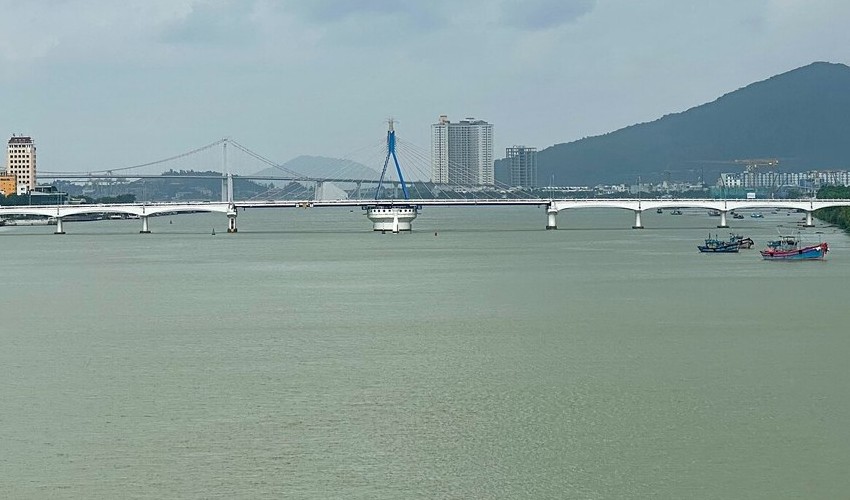
The distinctive feature lies in the middle section, which can rotate around a central axis. When operated to clear the waterway for ships, this section swings 90 degrees horizontally to align with the river flow, rather than lifting its wings upward. When closed, the deck reconnects for traffic crossing the river.
Therefore, what you need to observe is not the entire bridge moving together. Imagine the approach spans on both banks staying in place while the central section changes direction. A horizontal perspective from permitted riverbank viewpoints helps reveal the relationship between the middle span and the side sections much better than a longitudinal view close to the road surface.
Visiting Doesn’t Require Waiting for the Bridge to Turn
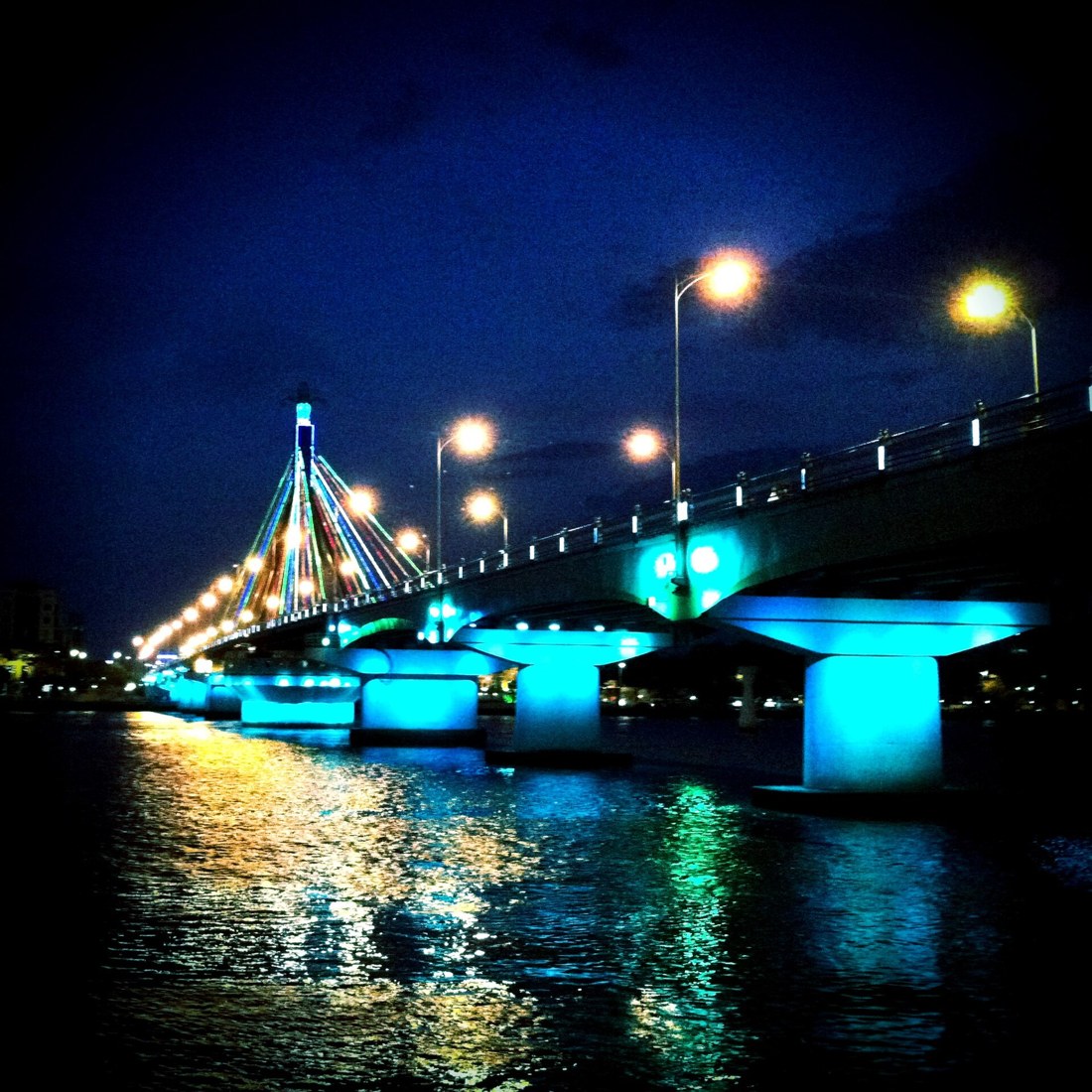
When the bridge is in its normal state, you can still observe the main towers, cable stays, and the rhythm of the pier system. Daytime makes structural lines easy to spot, while nighttime illumination creates a contrast against the water. These are two different ways to view the same structure, not two mandatory activities for a single trip.
This article does not confirm the operating schedule for the day you arrive. If your main goal is to watch the rotating span, check the city’s latest announcements or official tourism portals before planning your schedule. Schedules from old articles or accounts from past travelers do not guarantee the bridge will operate precisely when you are there.
Three Details Worth Taking Time to Observe
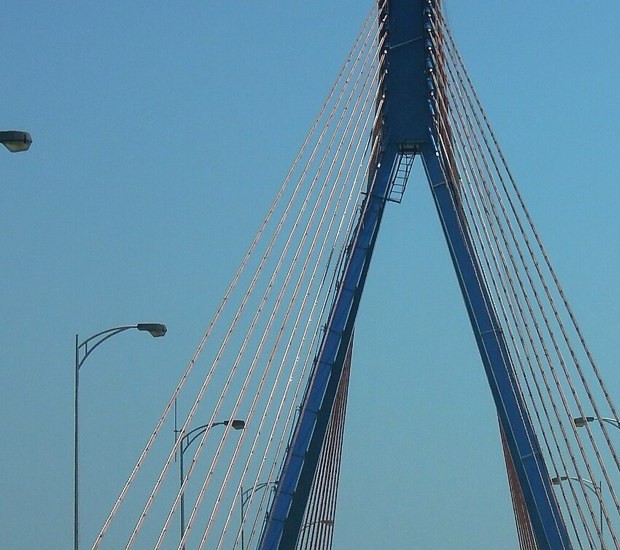
- Towers and cable stays: view from the side to see the lines radiating down to the deck; slightly shifting your standing angle can help separate them more clearly in photos.
- Middle span versus approach spans: a wide frame helps you understand why the rotating section is distinct from the rest.
- Lighting under the bridge: when shooting at night, try to include the water surface instead of focusing solely on the towers. Reflections will vary based on the wind and movement on the river.
Close-up structural photos in this article have been cropped to highlight the towers and cable stays. Do not assume from the photo angles that you need to stand in the middle of traffic lanes to observe. Always prioritize designated pedestrian areas and follow on-site instructions.
How to Plan a Short Walking Trip
Choose one bank as a starting point, locate parking or a drop-off spot, and walk to a convenient vantage point. Take in the panoramic view first before deciding whether you need to get closer. Not everyone needs to walk the entire length of the bridge or cross to both banks for a complete experience.
n
If visiting in a group, agree on a clear meeting point and avoid standing in a horizontal line that blocks the path. Keep children close by; for visitors with mobility concerns, check the ground surface and resting areas before extending your walk. If there are traffic divisions or barriers, choose another viewing spot rather than trying to bypass them to catch a moment.
Photographing and Returning Smoothly
Stand firmly before raising your camera, do not step backward into traffic while looking at your screen, and do not lean over the railings. At night, keep your camera steady, lower the exposure if lights appear overexposed, and avoid using flash on passersby. Any tripods must be set up neatly without causing tripping hazards.
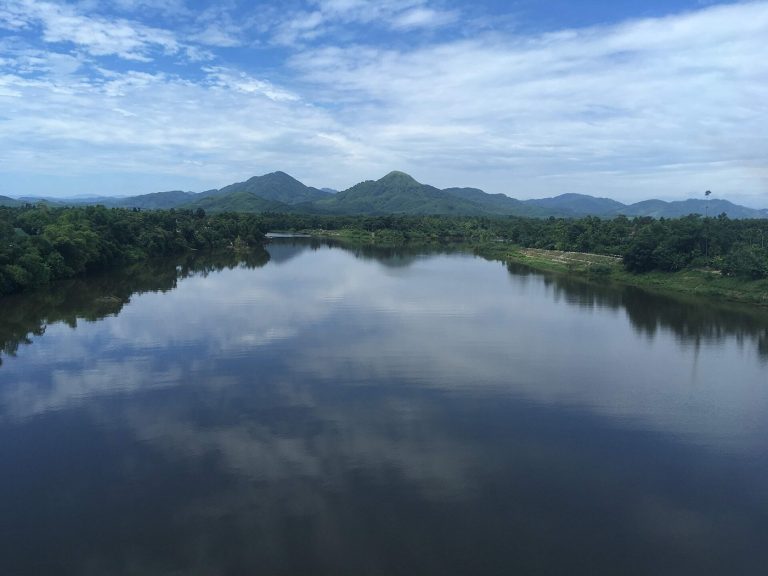
The photos are archival images from different times and do not necessarily reflect current lighting colors or landscapes. To keep your bridge visit relaxing, bring drinking water, ensure your phone is charged, and plan your return route; there is no need to stay up too late if the group is already tired. The true reward is understanding one of the city’s structures, not forcing yourself through a rigid photo checklist.