Hot Steamed Buns: Choosing Fillings and Enjoying a Street Snack in Vietnam
Hot steamed buns are a convenient choice for a quick snack during a trip. In Da Nang or Ho Chi Minh City, running into a bun cart while strolling is also a chance to observe everyday routines. But instead of spending an entire morning searching for a familiar vendor’s call, treat this dish as a casual stop: ask about the filling, buy a moderate portion, and find a convenient spot to enjoy it.
You Can’t Tell the Filling Just by Looking at the Wrapper
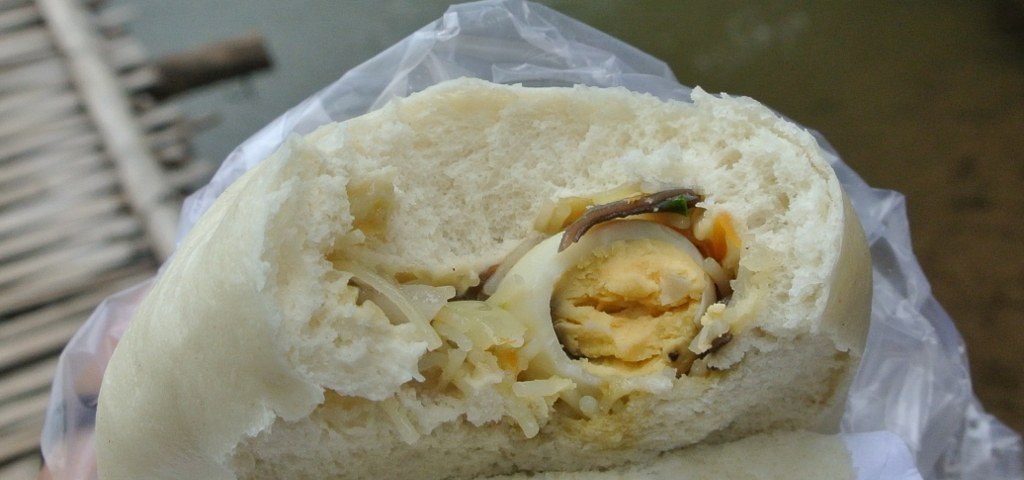
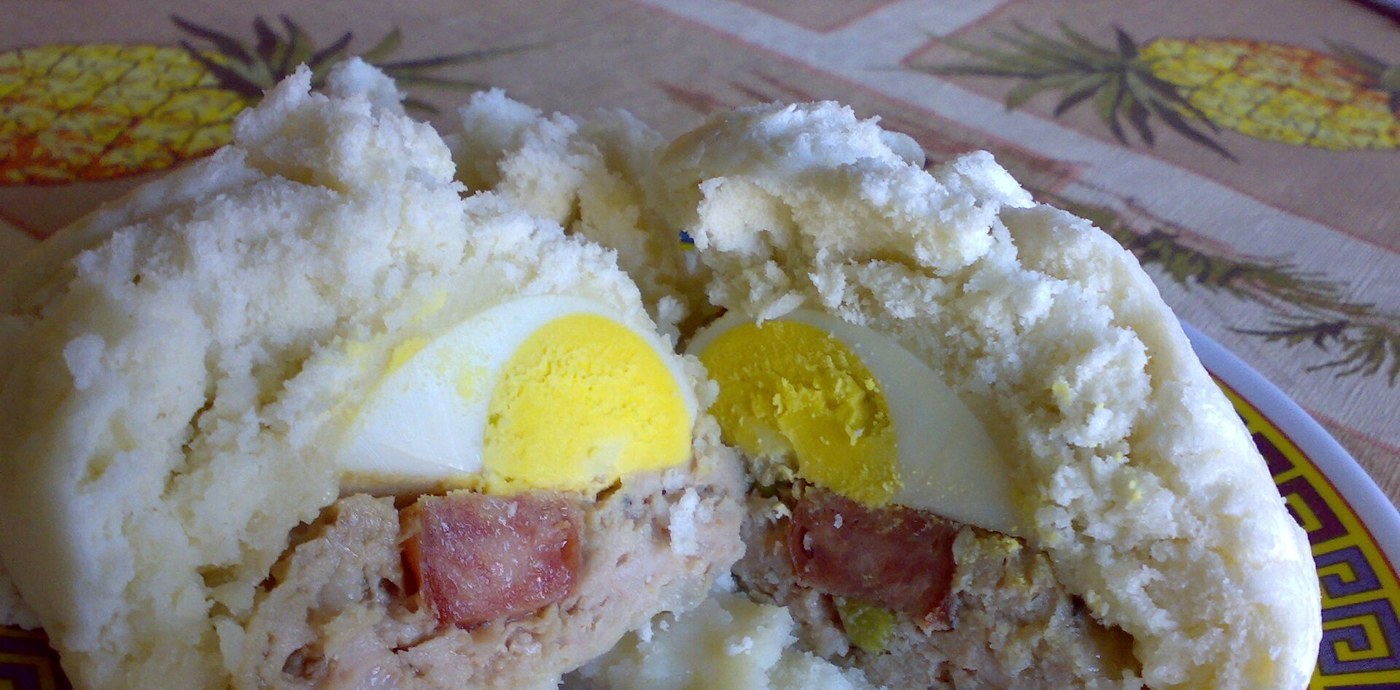
Steamed buns feature a soft outer dough with the filling completely sealed inside. For savory buns, you might find meat, eggs, wood ear mushrooms, or other ingredients depending on the recipe. A large bun doesn’t necessarily mean it contains more meat, and two buns of the same shape might not share the same filling.
The easiest way to choose is to ask the vendor what filling a particular bun contains, what type of egg is used, and if there are any ingredients you prefer to avoid. If you want a meatless option, don’t assume based solely on the wrapper color or a short name: state your preference clearly and confirm the ingredients.
Three Things to Ask Before Paying
- Filling type: ask specifically for the one you want to buy, especially when the display case has multiple sizes or shapes.
- Price per piece: confirm the price for each variety individually, rather than applying a price seen in an older video to every vendor.
- Serving style: whether to eat immediately or take away, how the paper liner and packaging are provided; if traveling in a group, ask to separate different fillings for easy identification.
You don’t need to buy a lot to try it for the first time. A single bun or a shared portion helps you figure out your preferred dough-to-filling ratio before deciding to eat more. If you already have a scheduled main meal coming up, save room for it instead of turning every stop into a heavy feast.
Eat Slowly to Appreciate Both Wrapper and Filling
Check and peel off the paper liner at the bottom before eating. For buns just taken out of the steamer, gently pull apart a section to let the steam escape before trying a small bite. When sharing a bun, using a clean knife or utensil is tidier than passing the whole item among multiple people.
Taste a bite containing both the wrapper and the filling before adding any sauce, if the vendor provides one. The wrapper and filling offer different textures; eating only the plain outer dough first might prevent you from appreciating the bun as a whole. There is no need to add chili sauce if the current flavor already suits your taste.
How to Incorporate Buns into Your City Walk
In Da Nang: you can plan a flexible break during a walking tour to have a snack if you happen upon a suitable stall. Cart vendors move around, so do not treat a photo location or a recounted time as a fixed storefront. If you need to eat on schedule before a bus or flight, choose a place that is currently open and where you can order directly.
In Ho Chi Minh City: a similar approach makes the trip more relaxed: make use of bun stalls already along your route rather than making a long detour just to find one specific cart. Stop to purchase without blocking pathways; do not step into the street or chase moving vehicles.
When you want to take photos of vendors or their equipment, it is polite to ask for permission and avoid slowing down waiting customers. A photo of the food alone is enough to keep as a memory, without needing to zoom in on a worker’s face.
Choose Practical Experience Over Hype
A memorable street cry is no substitute for observing how food is covered and served. Nor can you conclude that a bun is delicious, clean, or suitable for you just based on the size of the queue. Prioritize information you can ask and observe, and walk away if the vendor cannot explain what you need to know.
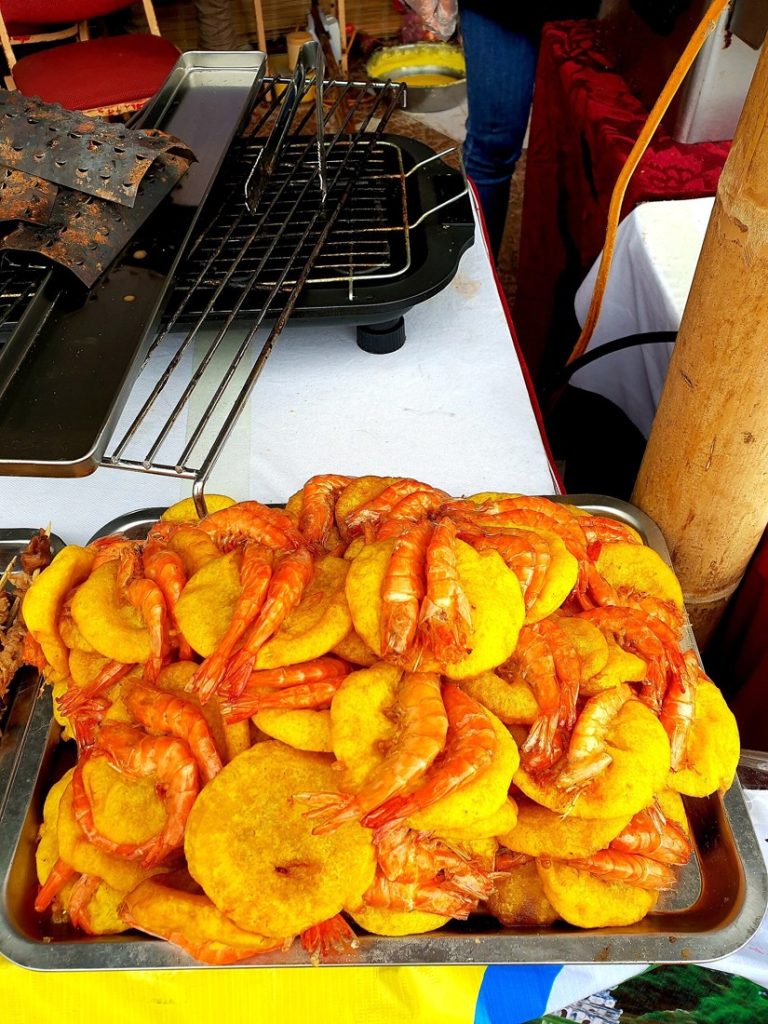
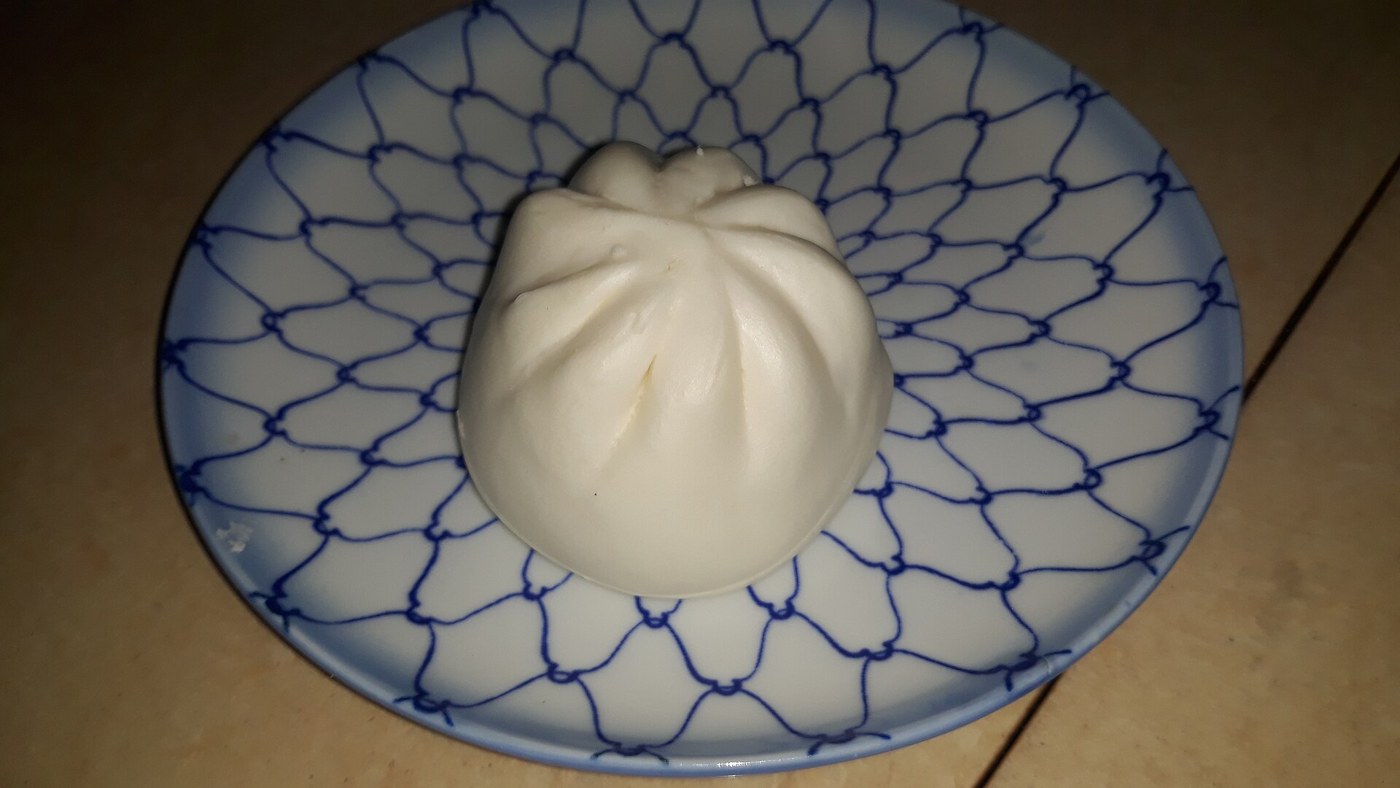
The three photos in this article are illustrations of the dish, not reviews of a specific stall in Da Nang or Ho Chi Minh City. The first photo was recorded in Tay Son, Binh Dinh; the other two illustrate the cross-section and whole appearance. Each vendor may use a different recipe, so the filling shown does not guarantee what you will purchase.
What is worth keeping after eating a steamed bun isn’t necessarily the name of a famous stall, but knowing which filling you prefer, how much is enough, and enjoying a pleasant pause during your city exploration.