Lan Ha Bay: Slow Travel and Sightseeing Guide
Lan Ha Bay is an ideal choice for anyone wanting to spend a day on the water admiring limestone cliffs, calm coves, and the rhythm of life around the bay. The most important thing when planning is not to cram in too many stops, but rather to choose a manageable itinerary, monitor the weather closely leading up to the day, and leave room for observing the scenery.
Choosing travel days based on weather and physical condition
Before your trip, check official sources for rain, wind forecasts, and sea conditions. The bay scenery is at its best when visibility is clear, but safety always takes precedence over a set schedule. If you are prone to seasickness, prepare medication with professional advice, eat a light meal before boarding, and prioritize sitting in a well-ventilated spot. Bringing a light jacket, a waterproof phone pouch, and slip-resistant sandals is also very helpful.
A concise itinerary usually consists of sightseeing time on the boat, a kayaking or swimming spot when conditions permit, and returning before fatigue sets in. There is no need to chase too many landmarks: the rocky outcrops, strips of blue water, and shifting light are already the most memorable parts of the trip.
Slow travel for observing the terrain
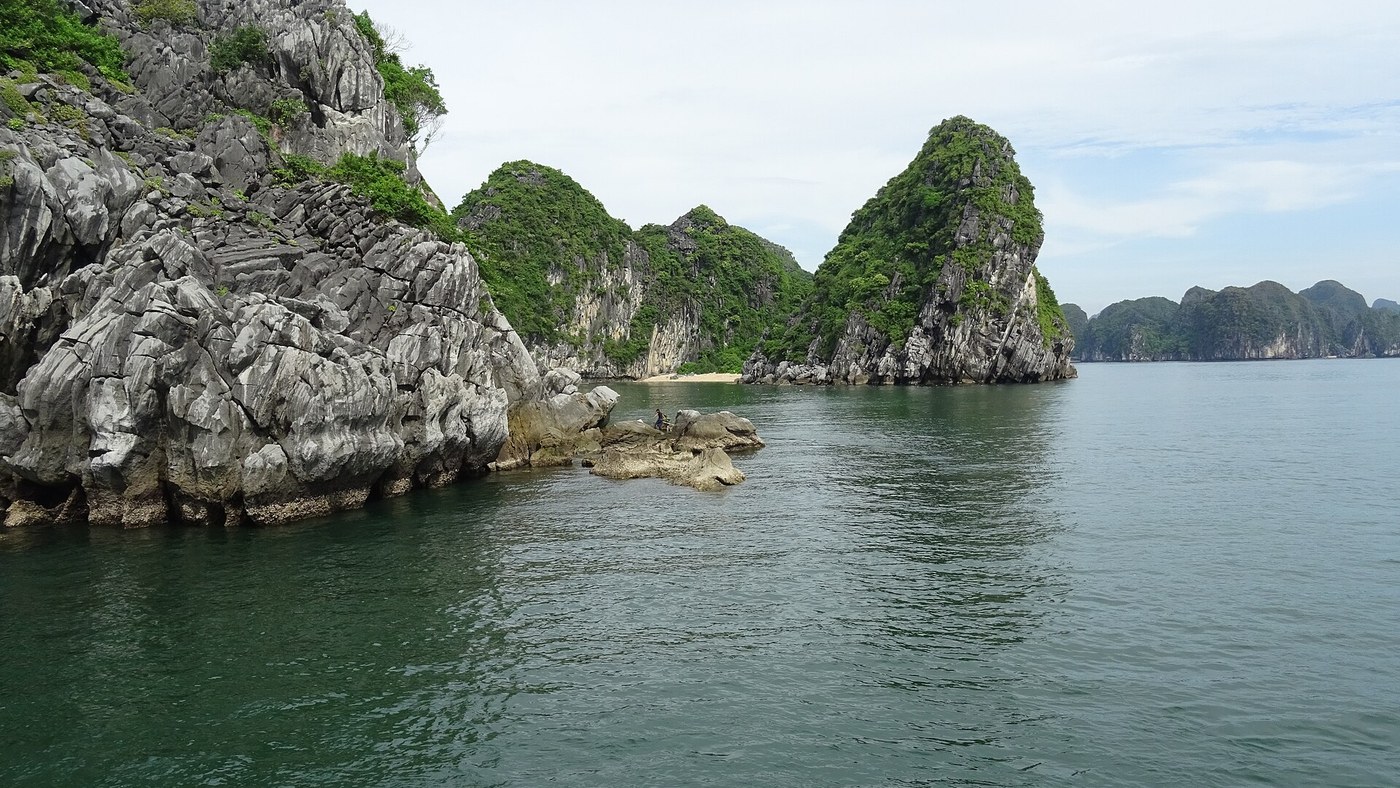
When the boat slows down, pay attention to the transitions between cliffs, vegetation, and narrow channels of water. Reflected light can make the exact same mountain mass take on different hues in just a few minutes. If taking photos, wipe your lens clean, limit digital zooming, and wait for the boat to stabilize; a wide frame often better captures the spatial feel of the bay.
For kayaking activities, only participate when given full instructions and when the weather is suitable. Life jackets should be fastened from the start, do not stand up to switch seats in the kayak, and do not separate from the group. Maintaining a distance from the cliffs ensures safety while avoiding disruption to birds and shoreline wildlife.

Gentle conduct toward the bay area
Bring a personal water bottle and a small bag to keep your trash until reaching a collection point. Do not throw food into the water, break plants, or collect marine life as souvenirs. If you encounter an area with raft houses or small boats, keep your voice at a moderate volume and do not approach uninvited to take photos.
These principles sound simple, but they carry great significance in a place where the landscape relies heavily on water quality and tranquility. A good trip is not one that leaves behind many traces, but one that helps us see the vitality of the bay more clearly.
Suggestions for ending the journey
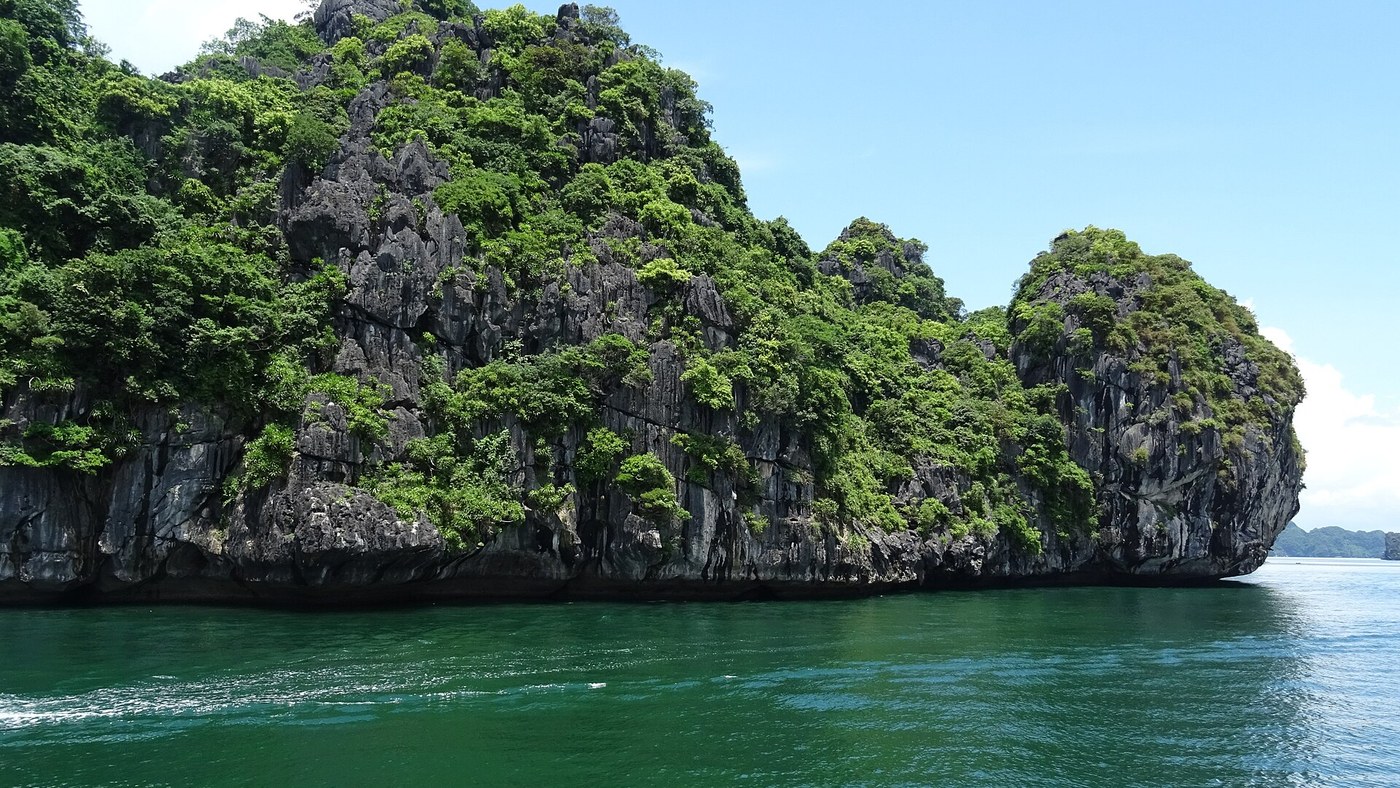
When returning to shore, take a few minutes to check your belongings, especially phones, documents, and jackets used on the boat. If you still have time, sit down to rest and jot down a few brief impressions of a water color, a rocky outcrop, or a quiet moment you encountered. This way of retaining memories gives the trip a distinct flavor rather than just a collection of rushed snapshots.
Lan Ha Bay suits a slow travel itinerary: preparing carefully, respecting natural conditions, and choosing fewer activities to truly enjoy them. With such a pace, the seascape and limestone formations become a genuine experience rather than just a checked box on a map.