Hang Heo Nha Trang: Rugged Rocks and Safety Tips
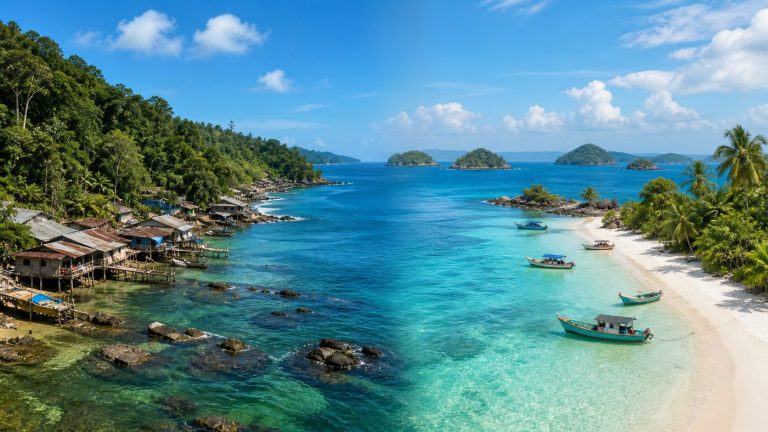
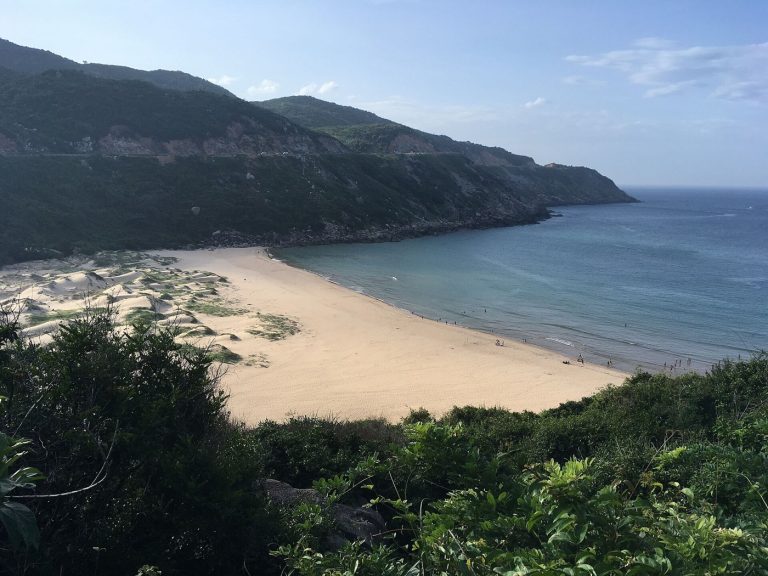
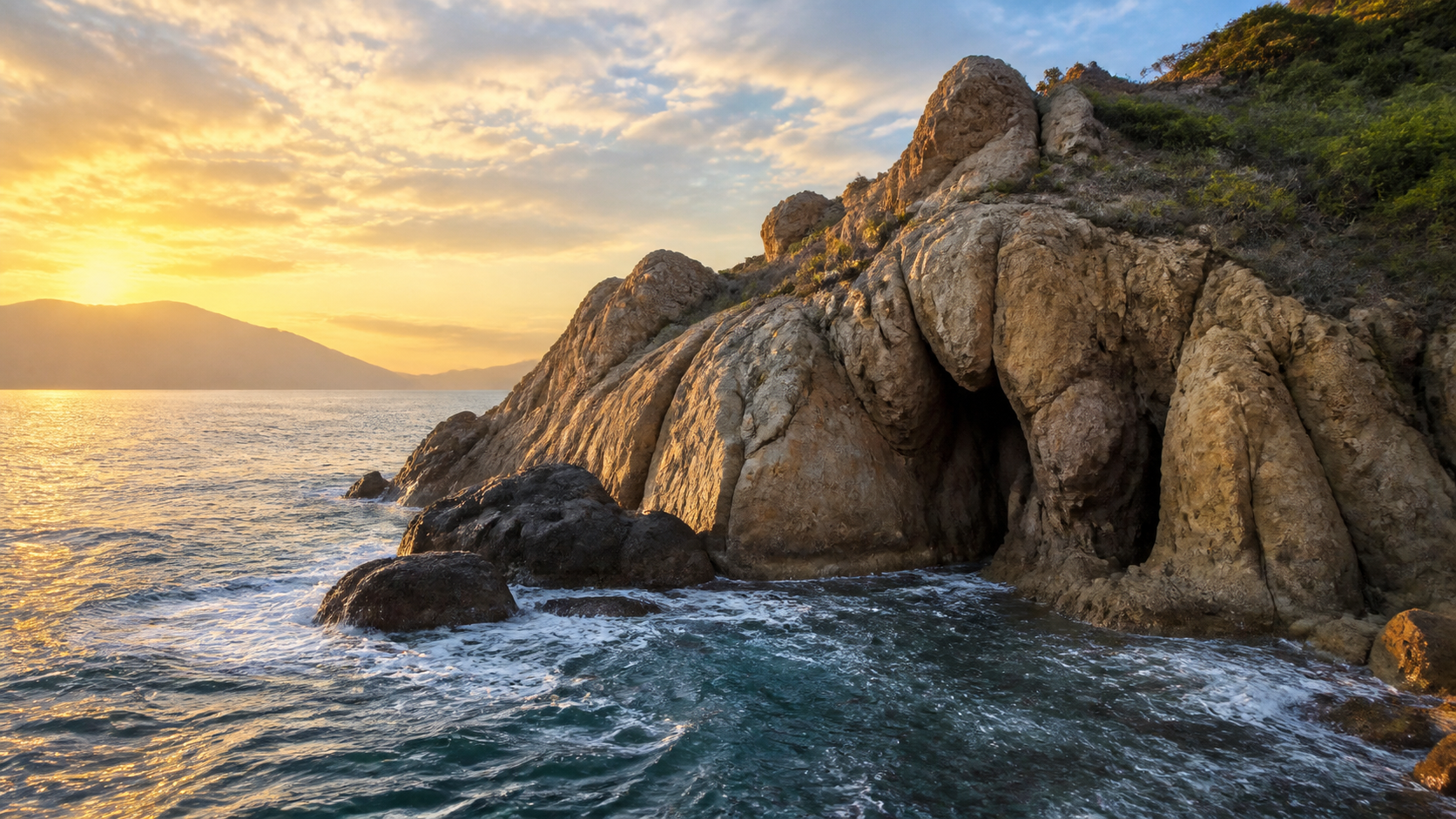
Hang Heo Nha Trang is a natural rocky beach in the northern area of the city, near Luong Son and overlooking Nha Phu Bay. Large rock formations, crevices, and the sound of crashing waves create a wild atmosphere quite distinct from smooth sandy beaches. It is a suitable destination for sightseeing and photography, but the coastal terrain lacks guardrails, requiring visitors to maintain a safe distance.
Location and Directions
Hang Heo is located in the northern ward of Nha Trang, about 15 to 16 km from the old city center. From the center, follow Tran Phu Street, cross Tran Phu Bridge, and continue along Pham Van Dong Street toward Luong Son. The destination is situated near the right side of Luong Son Beach. Since access routes may change, use a map combined with local inquiries and only follow permitted public roads.
The coastal route features curves and slopes, so motorcycle riders should drive slowly, watch out for large vehicles, and avoid stopping right at blind curves. Park in attended areas or spots that do not obstruct traffic. Avoid leaving valuables on your motorcycle and do not enter residential paths, fenced areas, or rock sections surrounded by waves.
Why Is It Called Hang Heo (Pig Cave)?
According to stories passed down by locals in the Luong Son region, before the coastal road was completed, the area near Dong Be fishing village was quite isolated. Wild boars from Mount Co Tien used to come down to rest in the cool, sheltered rocky crevices, which is how the name Hang Heo gradually came into use. This folklore explanation adds a layer of local memory to the rocky shore.
Recommended Experiences at Hang Heo
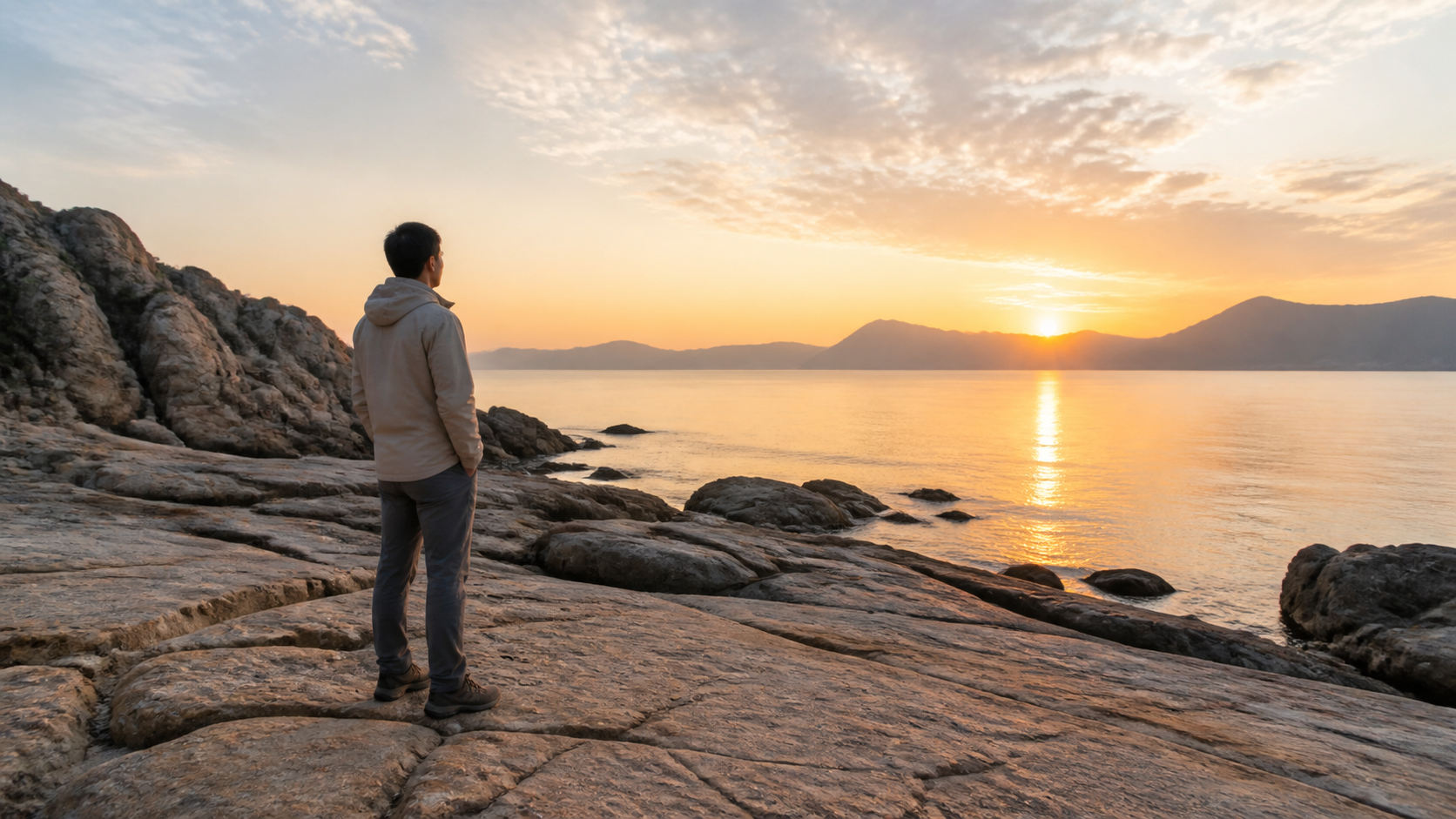
Sunrise is the best time for soft lighting and cool air; late afternoon brings golden hues to the rocks, but you must leave before it gets dark. Good photo angles are usually found on wide, dry, and low rock surfaces without needing to climb out onto outcrops close to the water. A single step back in the right spot can capture the bay, rocks, and horizon all at once.
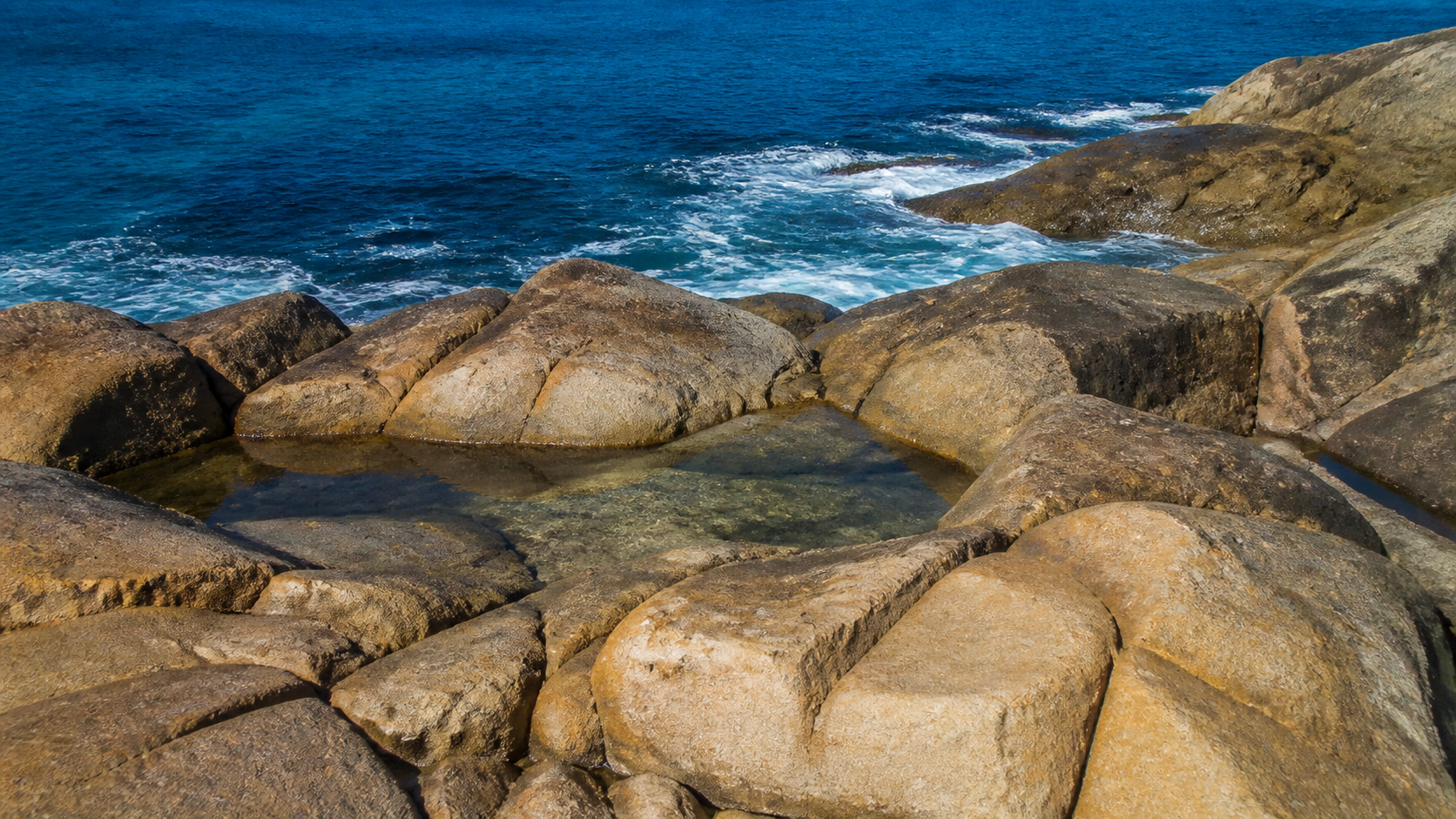
This is not a standard swimming beach. Waves can surge forcefully into rock crevices, slippery algae covers the surfaces, and deep pools are hard to spot when covered by water. Swimming, jumping from rocks into the sea, or engaging in spontaneous water activities is discouraged. Children must stay close to adults at all times; older adults or those with balance issues should view the scenery from easily accessible spots.
Essential Safety Guidelines
- Wear shoes with good grip, avoid slippery sandals, and do not go barefoot on hot or sharp rocks.
- Check wind, rain, and tide forecasts; stop your trip when there are large waves or after dark.
- Do not turn your back close to the sea edge for photos, do not climb on wet rocks, or crawl deep into crevices.
- Go with at least one other person, bring water, a waterproof bag for your phone, and a small first-aid kit.
- Do not carve on rocks, litter, take marine life, or disturb the neighboring fishing village.
Suggested Itinerary Combinations
You can spend a morning at Hang Heo and then continue to enjoy the Luong Son coastal route. Bai Tien is also located along the northern sea route, but you should avoid trying to visit too many rocky beaches during harsh sunlight or rough seas. Each spot requires enough time to observe the descent path and return safely.
Hang Heo is appealing for its rustic charm rather than amenities or crowded activities. Moving slowly, choosing low angles, and respecting the sea waves will help you better appreciate the raw beauty of the rocky shore while reducing risks for yourself and your companions.