Nem rán and chả giò: names, portions, and how to eat them
Going from Hanoi to Ho Chi Minh City, you might see this familiar fried roll appear under two names: nem rán and chả giò. A change of name on the menu does not mean every portion is entirely identical. What is more useful when ordering is to clearly ask about the filling type, the wrapper, how portions are counted, and the accompanying side dishes.
Two names, many methods
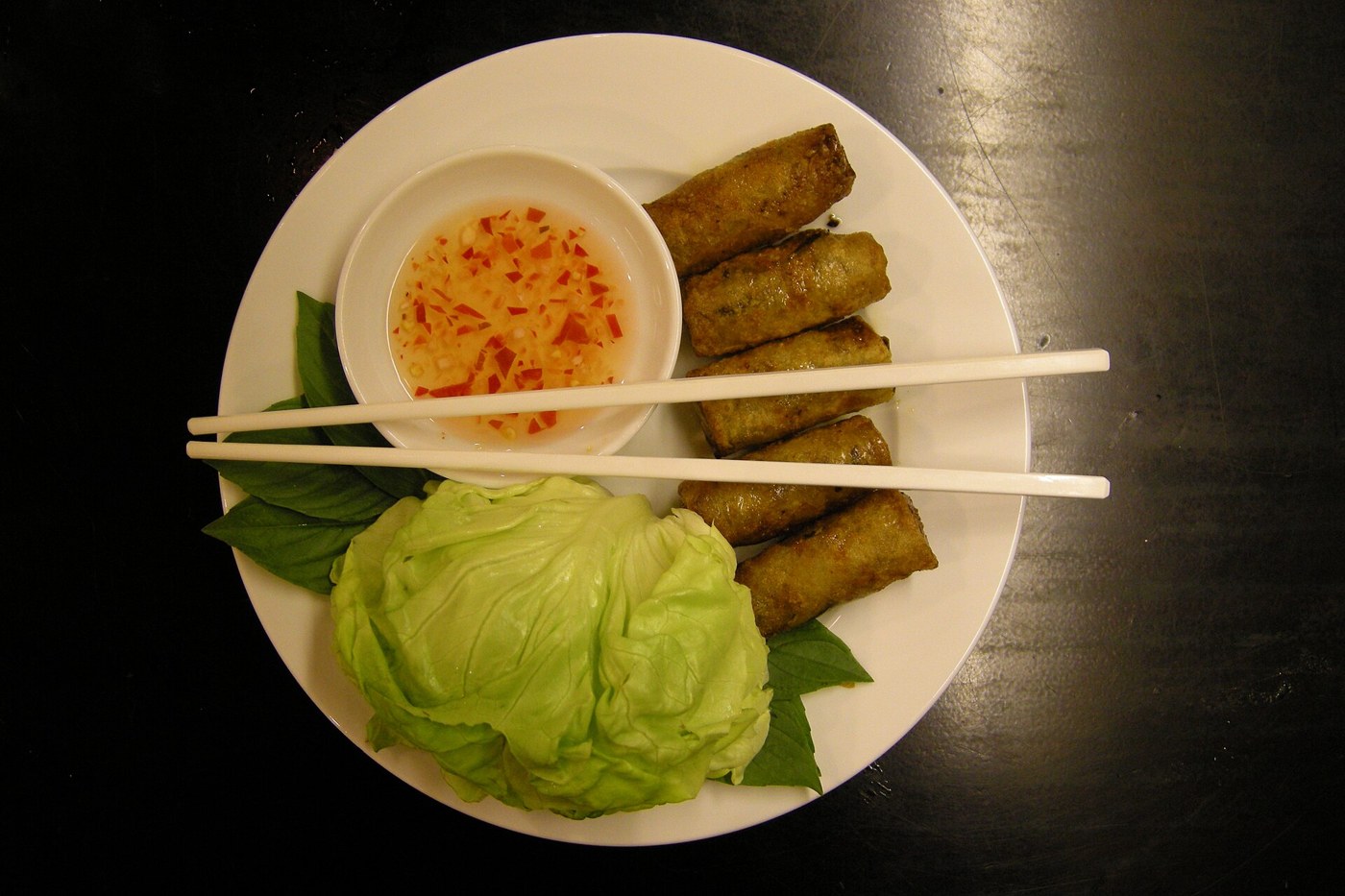
“Nem rán” is commonly used in the north, while “chả giò” is familiar in the south. Both feature fillings wrapped in a layer of dough or paper and then fried. However, recipes vary by family and kitchen: pork, shrimp, vegetables, glass noodles, or mushrooms can be combined in different ways.
Do not turn regional names into a mandatory rule. Not every nem in Hanoi has the exact same filling, nor does chả giò in Ho Chi Minh City use only one single type of rice paper. Thin wrappers, net wrappers, or other styles create different levels of crispness; it is best to check the menu description and ask when unsure.
Distinguish before ordering: nem rán is not every dish with the word “nem”
- Nem rán, chả giò: filled rolls that are fried before eating.
- Gỏi cuốn, nem cuốn: rolls that are not fried like nem rán, where fillings are usually visible through the translucent rice paper.
- Nem chua: a fermented pork dish; the name contains nem, but it is not the crispy fried roll discussed in this article.
- Nem nướng: a grilled meat dish usually eaten with its own wrapping style, not to be ordered as a substitute when you want a plate of nem rán.
If the menu uses the English term “spring rolls,” ask whether it is fried or fresh to avoid confusion. Do not choose solely by small photos, as lighting and presentation can make different dishes look similar.
Ordering by portion: ask for the count and accompaniments
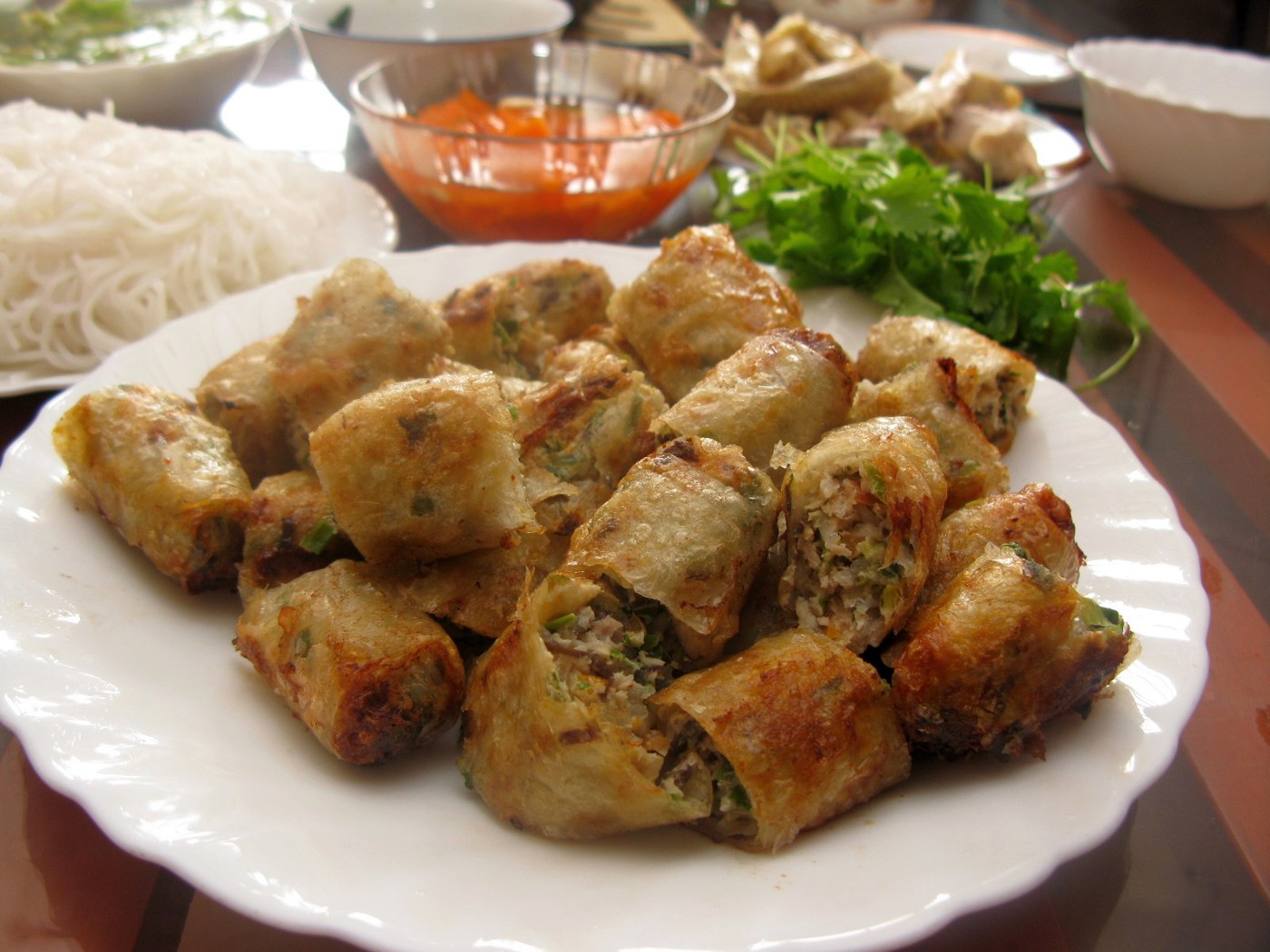
An appetizer plate can differ quite a bit from portions served with rice vermicelli. Some places cut a single roll into several segments before serving, so the number of pieces visible on the plate does not indicate the original roll count. Before ordering for a group, ask how many rolls come in a serving and roughly what size they are.
If having it as a side dish for a family meal, order one plate to share and consider ordering more later. If you want it as a main meal, ask whether vermicelli and herbs are included or must be ordered separately. Check the listed price for the specific filling type, rather than comparing two servings based solely on price while ignoring portion size.
Vegetarians need to verify the ingredients of the filling, dipping sauce, and preparation method. A roll that looks heavy on greens is not enough to conclude it lacks meat or seafood. Regarding ingredients to avoid, asking the vendor beforehand is clearer than guessing after the dish arrives.
How to eat to appreciate both wrapper and filling
When the dish is served, separate a small piece and wait for it to cool down slightly if it was just fried. Taste it before adding extra dipping sauce. You can pick it up with herbs or wrap a piece inside a large leaf of greens; there is no need to wrap the whole long roll if it feels unwieldy.
Dip just one end instead of submerging the whole piece in the bowl to help the wrapper maintain its texture longer. Spiciness, sourness, and sweetness vary by how the sauce is mixed; if the flavor profile is already balanced, adding extra chili or lime is optional. For shared plates, use separate utensils and let each person adjust their own dipping sauce bowl.
Incorporating the dish into your culinary journey in Hanoi and Ho Chi Minh City
In Hanoi, you may encounter nem rán during family meals or as an accompaniment to bún chả. If your main meal already includes nem, there is no need to seek out another stall just to check off a list. Meanwhile, in Ho Chi Minh City, pay attention to the term chả giò on the menu and ask about the style of filling being served to try a different preparation method.
To compare the two experiences, simply note down a few points after your meal: wrapper type, main filling, side dishes, and dipping sauce. This observational approach is more concrete than concluding an entire region eats sweeter, saltier, or crispier food based on a single plate. There is no need to view one style as the sole standard.
Dine in or take away?
If your goal is to enjoy freshly fried wrappers, dining in is usually easier to appreciate. When taking away, ask if the herbs and dipping sauce can be packed separately, and state clearly when you plan to eat so the vendor can provide appropriate packaging and storage guidance. Do not assume all types of nem or chả giò keep equally well just because they are fried items.
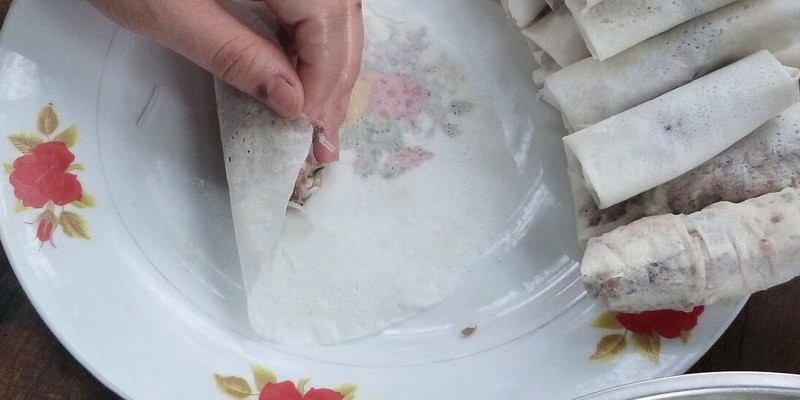
Photos in this article illustrate presentations and wrapping steps and do not represent the current menu of any specific establishment. A memorable tasting experience does not necessarily require many portions: understanding the names, knowing what filling you are eating, and choosing the right quantity makes culinary exploration much clearer.