Vietnam National Museum of Fine Arts: Slow Travel in Hanoi
The Vietnam National Museum of Fine Arts is a sensible stop when you want to shift gears away from Hanoi’s bustling streets. Located along Nguyen Thai Hoc Street, it pairs conveniently with the Temple of Literature, the Imperial Citadel of Thang Long, or the Ba Dinh district. This is not a place to rush through just to tick off sights; a more rewarding approach is to select a few groups of works, view them slowly, and let your eyes rest between rooms.
Prepare for a Manageable Visit
Set aside about two to three hours rather than trying to cover everything. Going early in the day or early afternoon usually makes it easier to focus, especially if you want to read the introductions carefully. Before you arrive, check current opening hours and photography rules on the museum’s official channels, as these details can change. Simple clothing, comfortable shoes, and a bottle of water to use before or after your visit will make the experience more pleasant.
If you are visiting in a group, agree on a meeting point before entering. Inside the galleries, speaking quietly and turning off phone sounds are simple ways to ensure everyone has the necessary quiet space. For families with children, avoid forcing them to see every room: choosing a few works with striking shapes, materials, or accessible stories is much more effective.
Explore by Material to Avoid Overwhelm
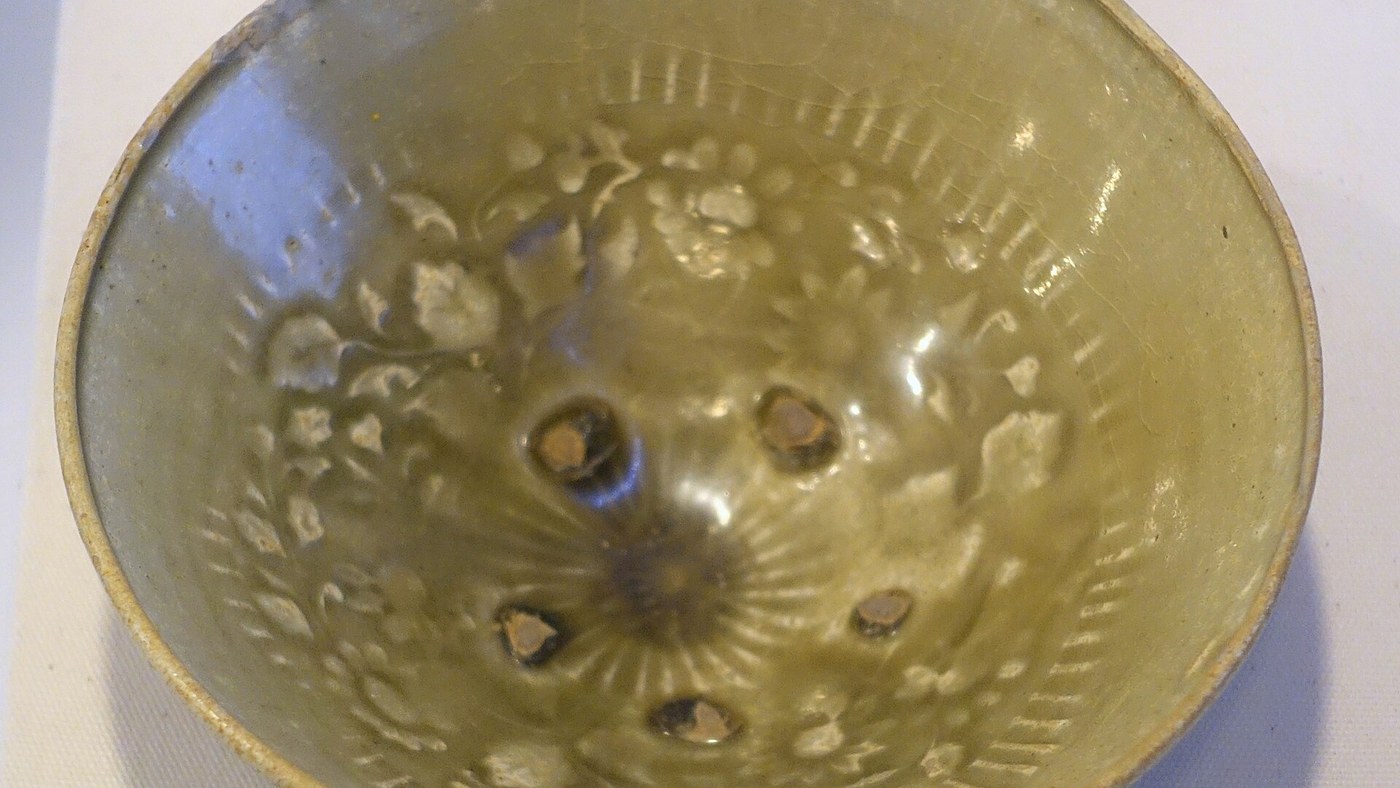
An easy itinerary to follow is to start with older works before moving on to modern paintings and contemporary art. When standing before ceramics, statues, or decorative items, observe the surface first: glaze textures, pattern rhythms, carved sections, and the marks left by time. For instance, a celadon bowl not only displays a soothing color but also reflects the shaping, firing, and decorating techniques of its artisan.
In the painting galleries, try stepping back a few paces to take in the composition before moving closer to examine the brushwork and medium. There is no need to know art movements in advance; three simple questions are enough to start a personal dialogue: “Where does my eye go first?”, “Which color is setting the rhythm?”, and “What feeling does this work evoke?” If a piece holds your attention longer than expected, give yourself permission to stay rather than following a strict schedule.
Remember with a Few Small Details
To keep the trip from blurring into a uniform sequence of rooms, you might choose three details to record in a notebook: a line, a color, and a material. This method is particularly useful when viewing diverse collections ranging from statues and lacquerware to paintings and textiles. Recording personal impressions is also far more engaging than simply snapping a series of identical photos.
Moving Slowly Through the Exhibition Spaces
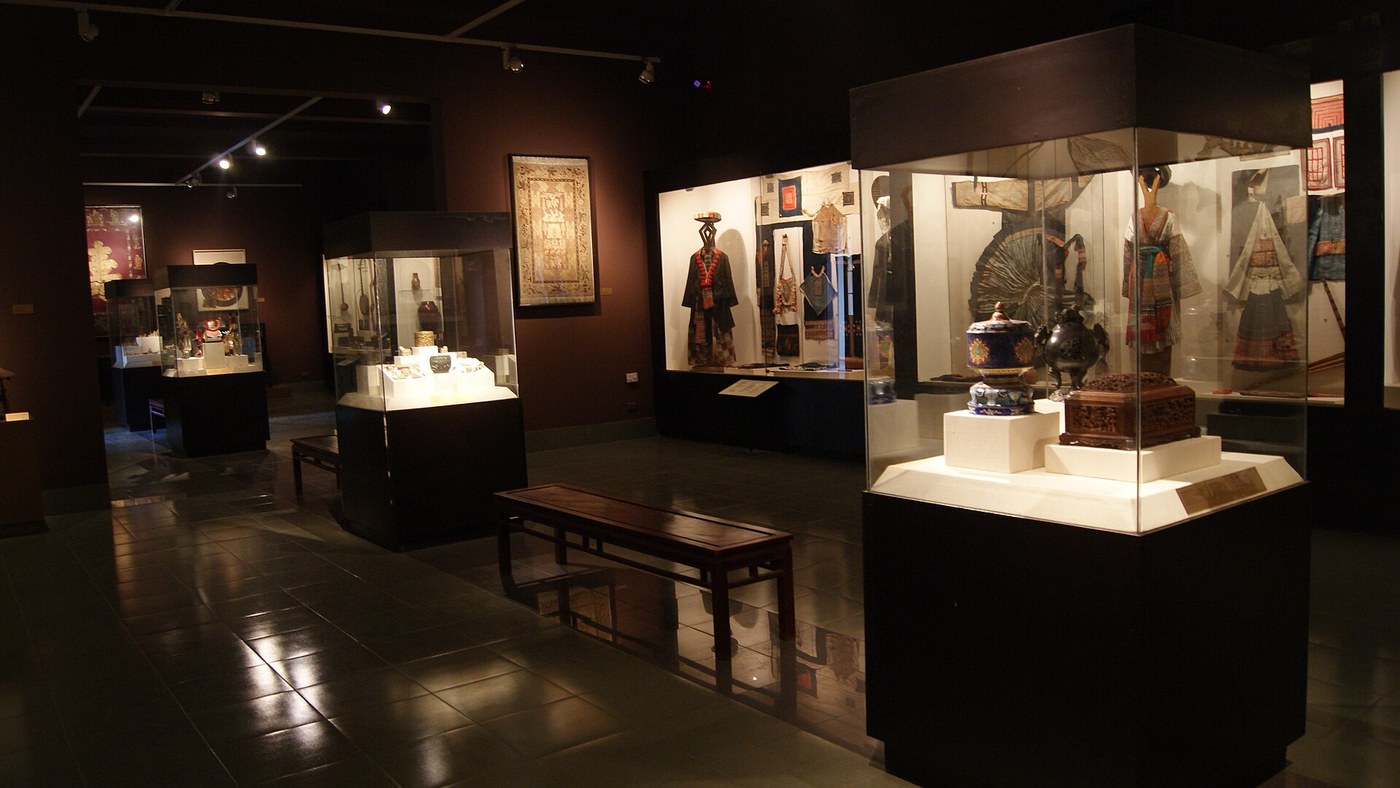
Display cases and the interplay of light and shadow in the rooms create multiple layers of viewing. Avoiding standing too close to the artifacts, not leaning against the cases, and paying attention to signs are small but important rules. If photography is permitted, turn off the flash to protect the artworks and avoid disturbing others. When shooting through glass, slightly change your angle to reduce reflections rather than using a flash.
Suggested Itineraries Around Nguyen Thai Hoc
After your visit, you can take a short walk to change pace in the central area. If you wish to continue with a cultural theme, pair the museum with a nearby heritage site; if you need to rest, pick a quiet little cafe to review your notes and photos. Keeping your itinerary light will leave you with a richer impression than trying to pack the entire day full.
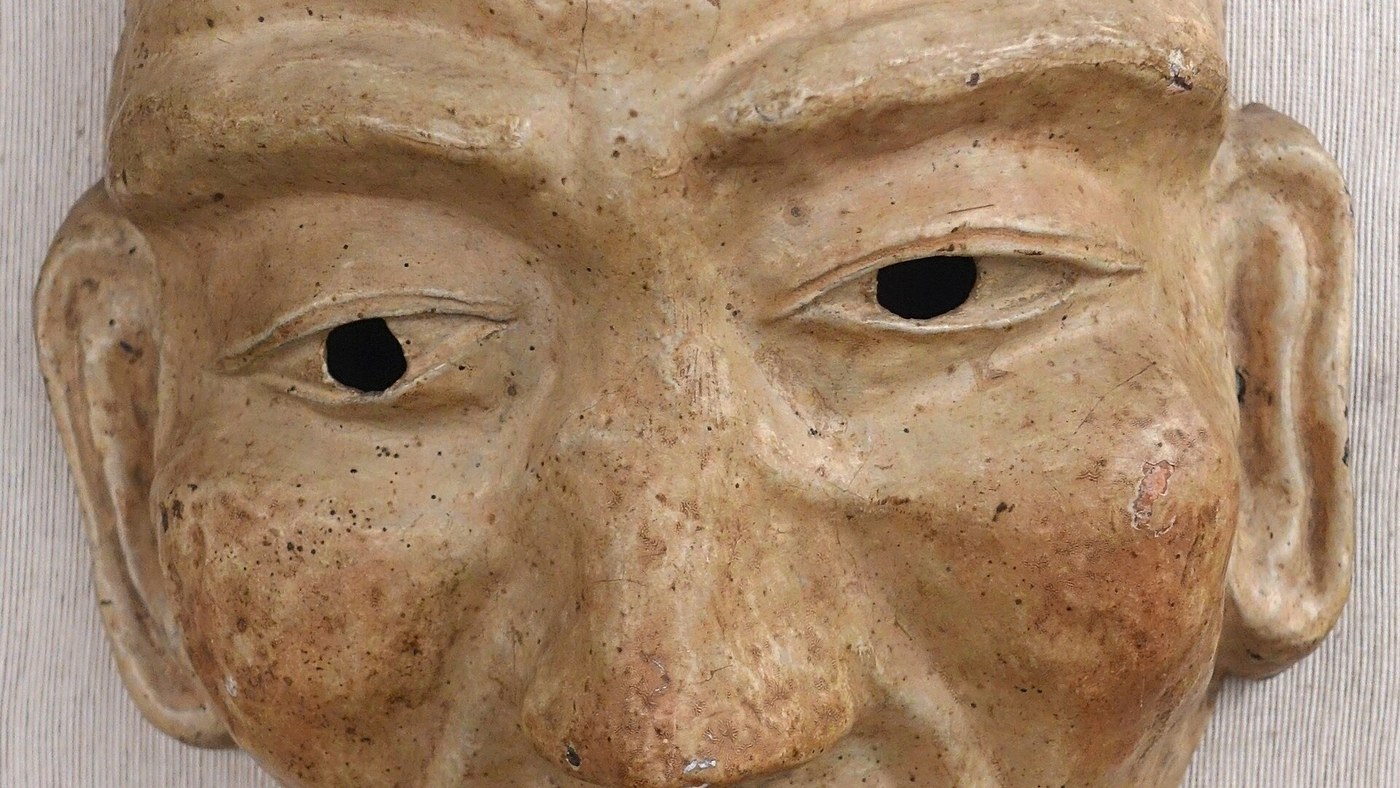
What you take away from the Vietnam National Museum of Fine Arts does not have to be a complete list of seen works. It might simply be a glaze color, a face on a statue, or a composition that makes you want to learn more. With a slow pace and a little curiosity, this is a rewarding stop for any exploration of Hanoi.