Hanoi’s Ngoc Son Temple: Crossing The Huc Bridge & Architecture
Ngoc Son Temple is a suitable stop during a walk around Hoan Kiem Lake. Stepping across The Huc Bridge from the lakeshore, you can take time to observe the tiled roofs, decorative panels, and surrounding greenery rather than just snapping a quick photo and turning back. Since this is also a place of worship, visits should be conducted at a leisurely pace and with respect for those performing rituals.
Where is the temple located around Hoan Kiem Lake?
The temple sits on a small island in the northern part of Hoan Kiem Lake in Hanoi, connected to the shore by the red The Huc Bridge. When finding your way, make sure to approach from the Dinh Tien Huang Street entrance rather than just heading to a random spot along the lake ring.
If taking a taxi or ride-hailing car, confirm a valid drop-off point near the pedestrian walkway; do not assume vehicles can drive right up to the gate at all times. For personal vehicles, choose an authorized parking spot and ask about the rates beforehand. Access options may change depending on traffic regulations, so check actual daily directions.
Crossing The Huc Bridge: sightseeing without blocking the path
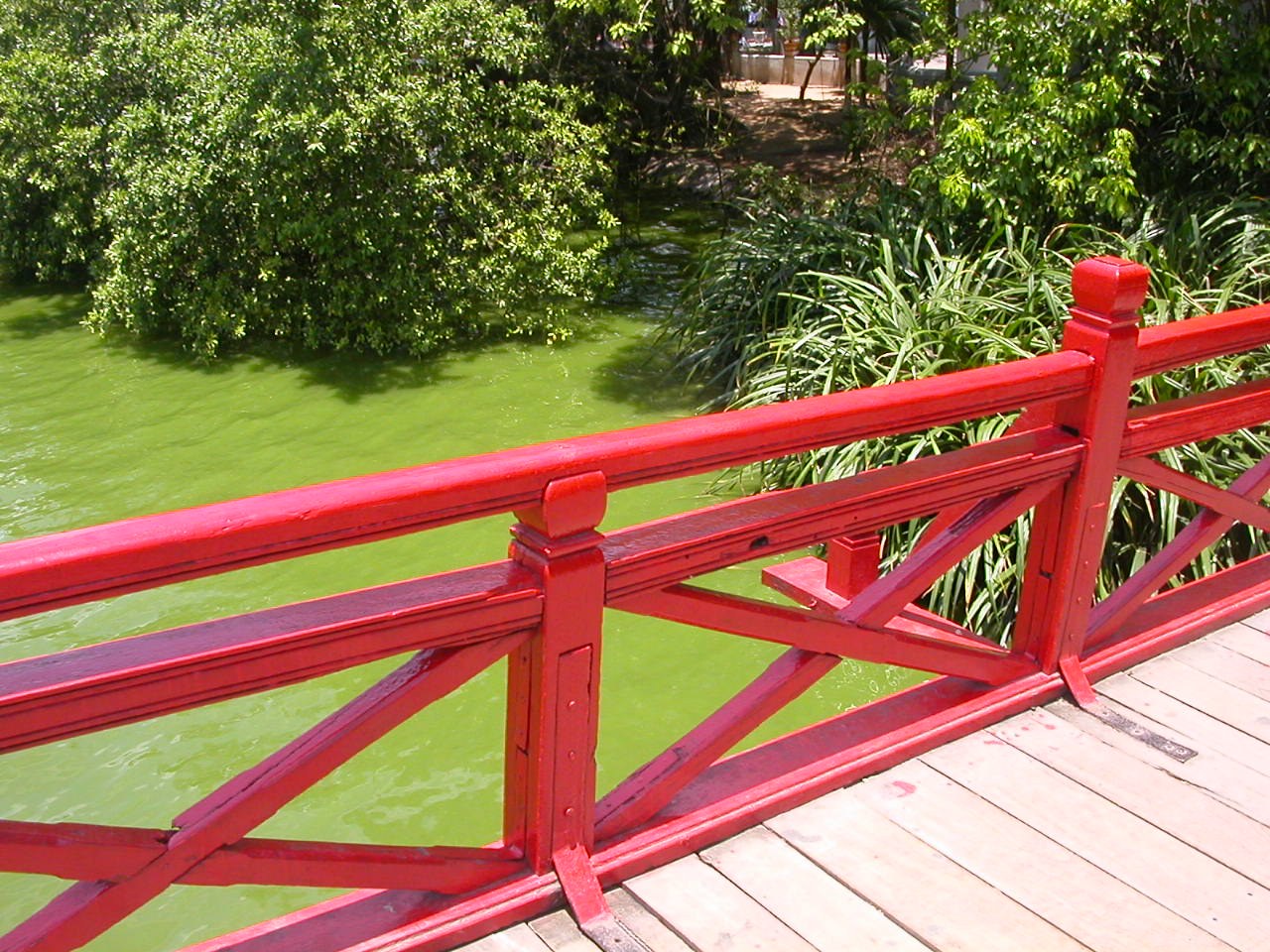
The bridge is an easily recognizable transition point thanks to its striking red color against the water and green foliage. You can appreciate this contrast from the shore and continue observing from the bridge if the crowd allows. If you want to take photos, wait for a gap and frame your shots compactly without asking others to halt the entire line for your personal framing.
Do not stand on the railings, sit with your legs dangling outward, or place small children near the edge just for a photo. When it rains, walk slowly, keep your hands free if possible, and avoid looking at your phone while walking. An angle from a safe spot will still capture the bridge’s color, lake surface, and tree reflections.
Observing the architecture from overall structure to details
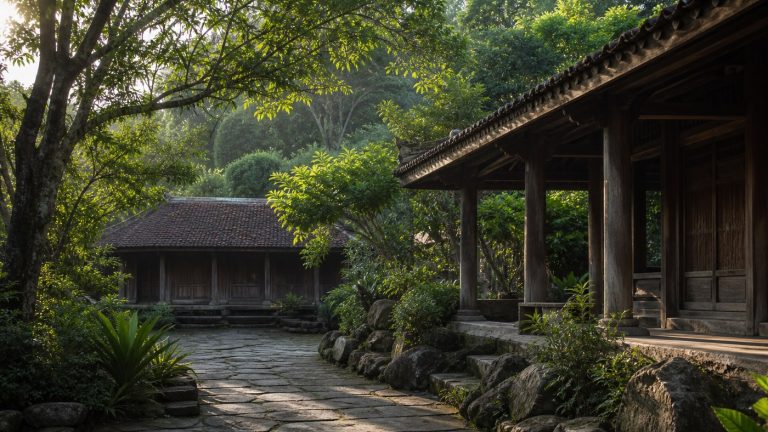
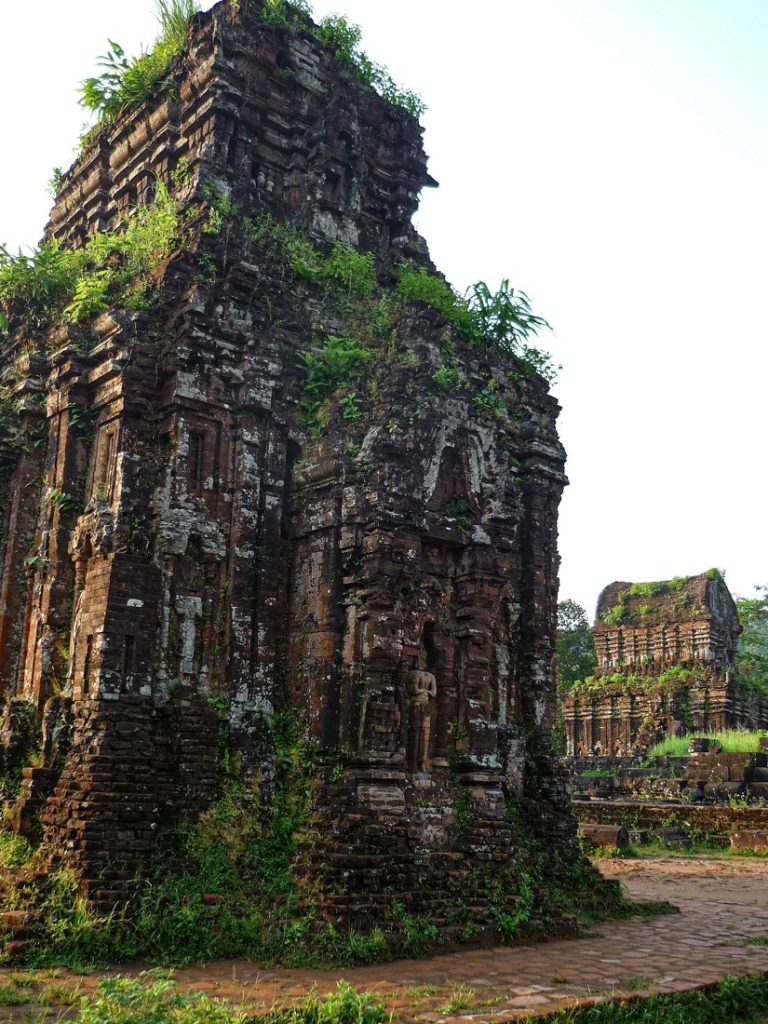
Ngoc Son is associated with the worship of Van Xuong and Tran Hung Dao. Beyond its spiritual significance, architecture enthusiasts can observe how the tiled roofs, doorways, and decorations blend into the temple space. First, view the entire structure from permitted viewing areas, then select a few details to examine closely.
A simple way to observe is to follow three layers: the upper roofline, the decorative panels beneath the eaves, and how the doors open toward the courtyard. Comparing shapes, materials, and colors will reveal much more than simply searching for an angle that captures the whole facade.
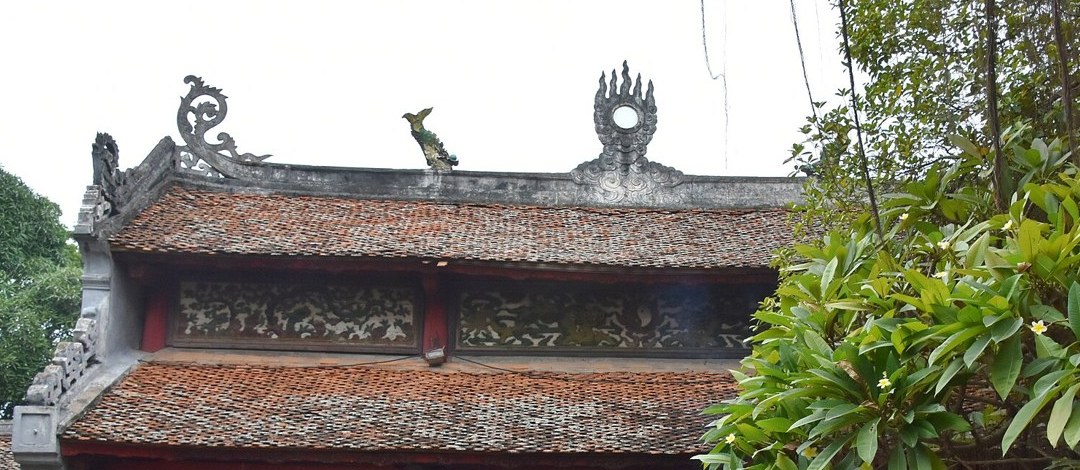
Do not guess the age of a detail simply because the paint has faded or the tiles are dark. If you want to understand the symbols or inscriptions on the monuments, read the on-site introductions or ask the staff in charge. Do not touch, scratch, or rub surfaces to “test” the materials.
Sightseeing and worship can happen together
Dress modestly, keep your voice low, and yield the space in front of altars to those who are praying. If you are only visiting to learn about the culture, you do not need to perform rituals you do not understand. Discreet observation and following on-site instructions are enough for a respectful visit.
Incense burning, making offerings, or taking photos inside the worship hall should follow management guidelines. Do not place money on statues or religious items, do not move others’ offerings, and do not take close-up photos of people praying without their consent.
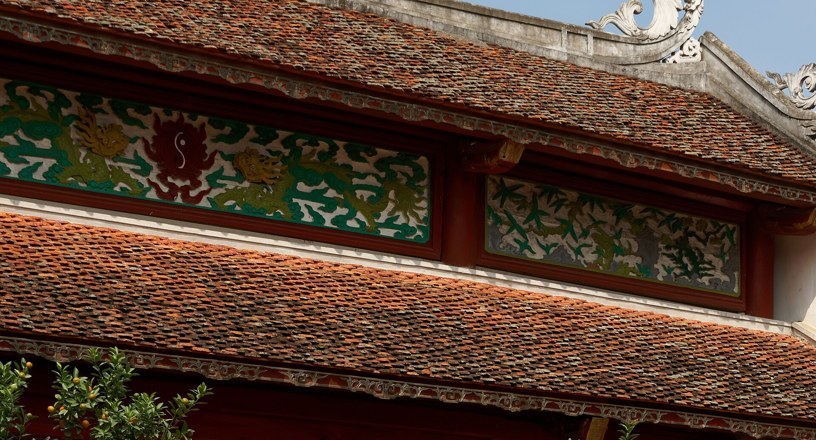
Planning a stop during your walk
You can budget about 45 to 60 minutes as a personal timeframe for entering the temple, observing the architecture, and resting briefly; this is not a mandatory duration for the attraction. If you like reading documentation or are traveling with elderly companions, allow extra time and do not schedule subsequent plans too tightly.
Before your visit, confirm the opening hours and current admission fees with the management. Do not assume the temple opens at the same hours as the public spaces around the lake. If you need wheelchair assistance or have mobility limitations regarding steps, inquire specifically about accessibility before your trip.
After leaving the temple, you can continue your lakeside walk or head toward the Old Quarter at your own pace. There is no need to cram in too many spots: a short segment with enough time to look closely is often more pleasant than a schedule where you constantly watch the clock.
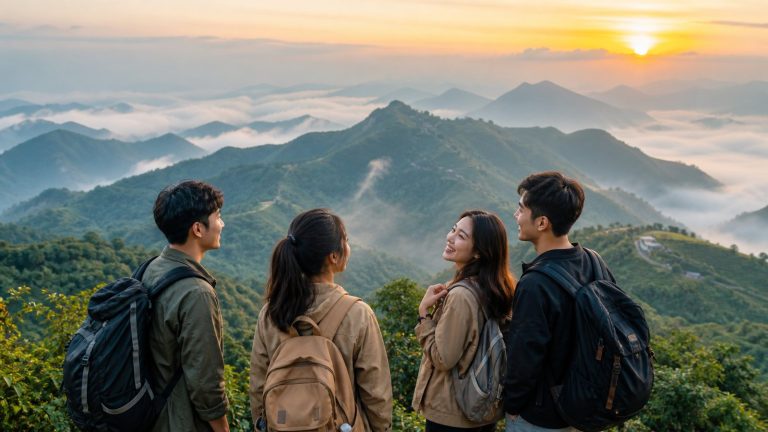
The photos in this article are archival images from different periods; two architectural photos have been cropped to focus on the roofs and decorations. They do not confirm current restoration status or visiting procedures.