Hanoi B-52 Victory Museum: Reading History Through Artifacts
The B-52 Victory Museum is ideal for those who want to spend part of their trip to Hanoi exploring history through artifacts. The pieces of metal, military equipment, and documents here are not merely photo backgrounds: they need to be placed alongside information about the people, time, and circumstances of their use to be fully understood.
Address and Things to Check Before Going
The museum is located at 157 Doi Can Street, Hanoi, and was inaugurated on December 22, 1997. The exhibitions are dedicated to the armed forces of the Capital and the fight to defend Hanoi, particularly in December 1972.
When finding directions, enter the full name of the museum along with the street number to avoid confusion with other military museums in the city. Confirm the visiting hours, open areas, and photography regulations with the management before your trip. Do not rely on schedules from older articles as a guarantee for the day you arrive, especially if traveling in a group.
Start With the Story, Then the Details
If the indoor exhibition area is open, it is best to read the general introduction first to establish a timeline in your mind. There is no need to memorize every name or number. Choose a guiding question, such as: which period is this artifact from, how was it brought to the museum, or what do the accompanying documents help explain?
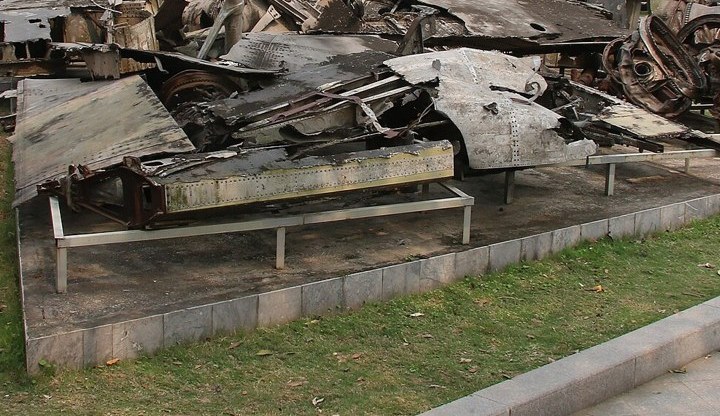
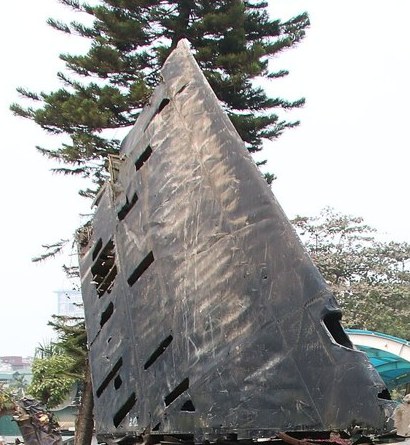
When moving outdoors, observe the entire exhibition area from the walkway before selecting a few artifacts to examine closely. For the group of aircraft wreckage fragments, you can pay attention to the sizes, material layers, and visible rivets. This slower way of looking helps notice details that a panoramic photo might easily miss.
However, the shape of a fragment is not enough to independently conclude the cause of damage, the time of the crash, or the recovering unit. Such information must rely on captions or explanations from museum staff rather than visual guesses.
Three Things to Read on an Artifact Label
- Name and type of artifact: distinguish original objects, remaining components, archival photos, or reconstructions if noted on the label.
- Time and location: note the specific timeline of that particular artifact, avoiding the mistake of lumping everything in the museum into the exact same battle.
- Related story: look for names of individuals, units, or circumstances mentioned; this is usually what connects the object to historical life.
If visiting with children, you can start with easy-to-observe questions: what is this made of, why does it have wheels, which part is damaged? Then read the captions together. There is no need to turn the trip into a memorization test or describe war scenes in excessive detail that might cause anxiety.
Observing Military Equipment Without Touching
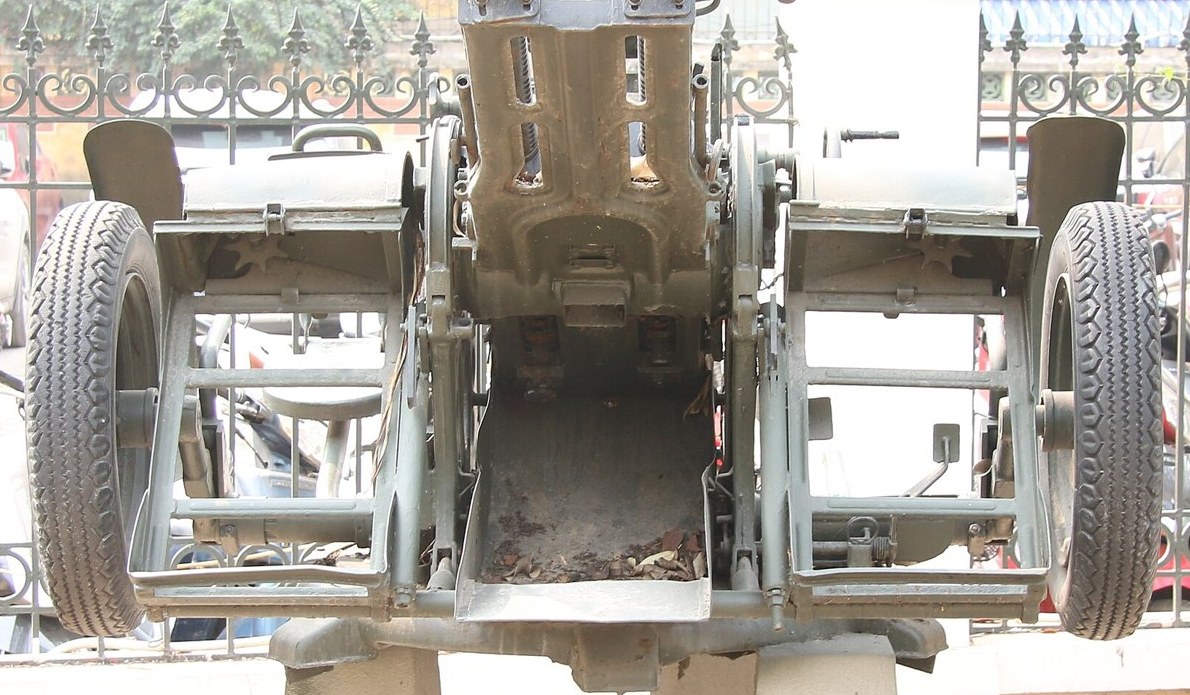
Details such as mounts, seats, wheels, or joints help viewers visualize the scale and layout of technical equipment. You can walk along permitted paths to view from multiple angles, but do not climb on mounts, sit in seats, or try to turn parts even if they appear movable.
For souvenir photos, choose a standing position outside the protective boundaries. Do not place personal items on artifacts, do not move information plaques, and do not block the path of guided groups. Inside the galleries, follow instructions regarding flash photography and restricted areas.
Planning a Balanced Visit
You can set aside about one to two hours as a personal estimate, then adjust according to the number of open rooms, interest levels, and your group’s walking stamina. Do not schedule a tight appointment immediately afterward if you want time to read documents or ask questions.
Because there is an outdoor section, bring drinking water, sun protection, or a compact raincoat depending on the weather. Wear comfortable shoes and rest when needed. If anyone in your group requires mobility assistance, inquire in advance about entrances, steps, and accessible areas rather than assuming every space is convenient.
The three photos in this article are archival images cropped to focus on artifact details, not panoramic views or a confirmation of the current exhibition layout. A memorable visit does not depend on taking enough photos, but on understanding a story preserved within the objects.