Dong Dinh Museum Danang: A Garden of Memories
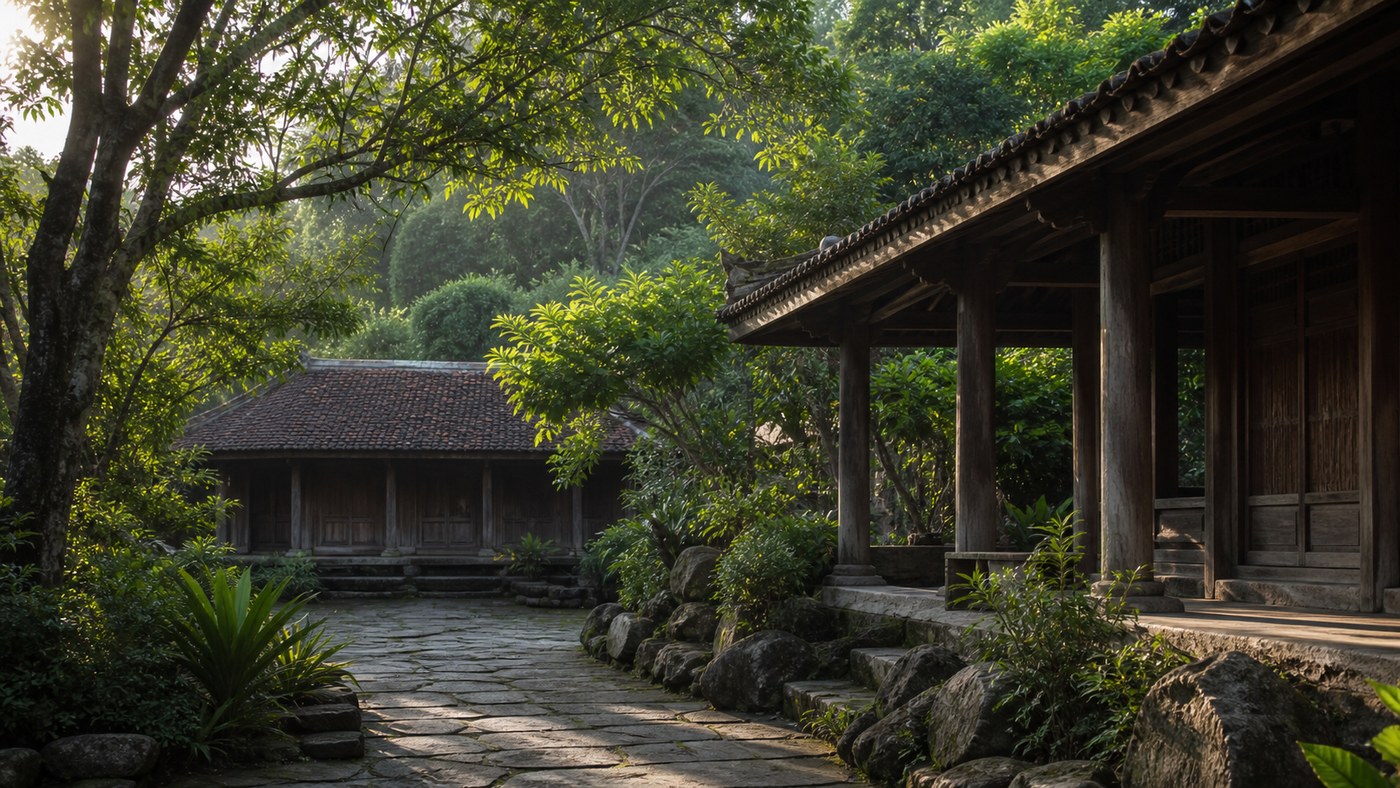
Nestled within the greenery of the Son Tra Peninsula, Dong Dinh Museum feels much more like a garden of memories than a typical urban gallery. Wooden houses, stone pathways under tree canopies, and cultural collections make this spot ideal for travelers who enjoy history, fine art, and a slower pace.
Where is Dong Dinh Museum?
The museum is located along Hoang Sa Road in the Suoi But area of the Son Tra Peninsula, Danang. From the city center, follow the coastal route toward Son Tra and watch for the entrance along the hillside. The road features steep sections and bends, so motorbike riders should maintain a moderate speed and avoid sudden stops to look for directional signs.
Opening hours and admission fees can change, so check current details close to your travel date. Plan for about 90 minutes to two hours to view the exhibits without rushing. On rainy days, stone pathways and outdoor steps can become slippery; footwear with good traction is much better than smooth-soled sandals.
Forest Architecture and Spaces
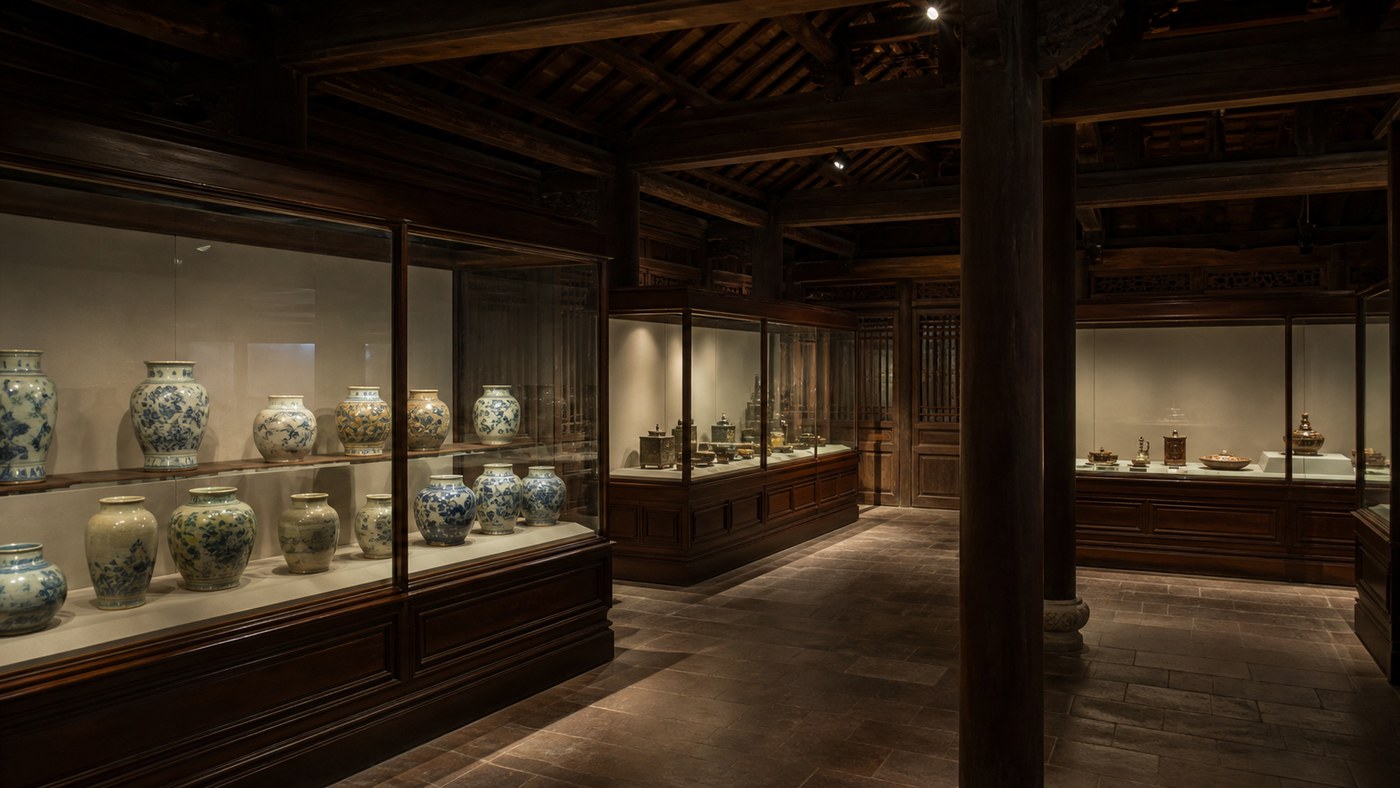
The exhibition rooms are set inside traditional wooden houses imbued with classic architectural spirit. Soft lighting and dark wood tones allow the artifacts to stand out, while the surrounding garden provides resting spots between rooms. The true value of the trip lies in the transition between nature, architecture, and the curated collections.
Do not just photograph the exteriors. Observe how the tiled roofs, pillars, verandas, and courtyards connect with the Son Tra terrain. Once inside the rooms, keep your voice low, avoid using flash photography, and do not touch display cases or artifacts.
Notable Exhibition Groups
The antiquity zone introduces various types of ceramics, jewelry, and utensils tied to central Vietnam’s cultural strata. Visitors can notice differences in materials, patterns, and techniques across various periods. Rather than trying to memorize every era, choose one group of artifacts to observe changes in form and function.
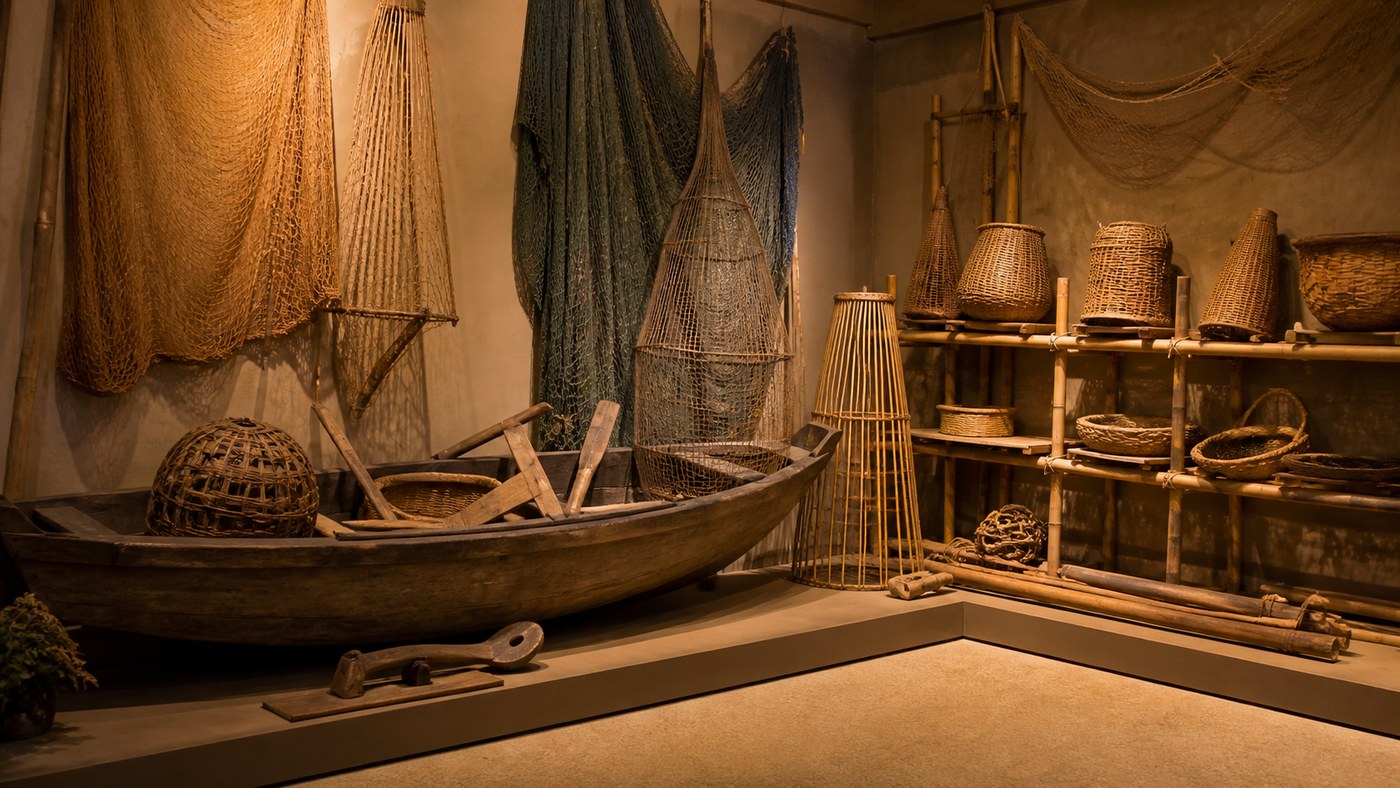
The art spaces integrate modern works into old architectural contexts, creating an engaging dialogue between past and present. The ethnology area and hometown memories make the tour less dry, as everyday tools are placed within concrete life stories.
Useful Visiting Tips
- Visit in the morning when Son Tra’s roads are easier to navigate and the garden enjoys lovely lighting.
- Bring adequate water, insect repellent, and a compact raincoat for unpredictable weather.
- Read introductory signs before taking photos; certain areas may restrict cameras.
- Do not wander off established pathways or step into dense vegetation zones.
- Avoid bringing pungent food into exhibition rooms and maintain distance from artifacts.
Suggested Son Tra Itinerary Combinations
The museum suits a light morning or afternoon exploration of the peninsula. Afterward, you can continue along the coastal route or pick a nearby viewpoint, but avoid packing too many steep stops into the same session. Always monitor current weather conditions and traffic restrictions on Son Tra.
Dong Dinh is appealing because it does not separate culture from its environment. Moving slowly, reading carefully, and spending time resting under the tree canopies will help you better appreciate the connection between artifacts, architecture, and central regional memories.
Frequently Asked Questions
Is it suitable for children?
Yes, provided children are guided by adults not to touch artifacts and to be careful on stone paths and steps.
Should you visit on a rainy day?
Light rain creates a pleasant atmosphere, but paths and outdoor walkways become slippery. Heavy rain or poor visibility means you should reschedule.