Bai Tien Nha Trang: Crescent-Shaped Stone Beach & Safety Guide
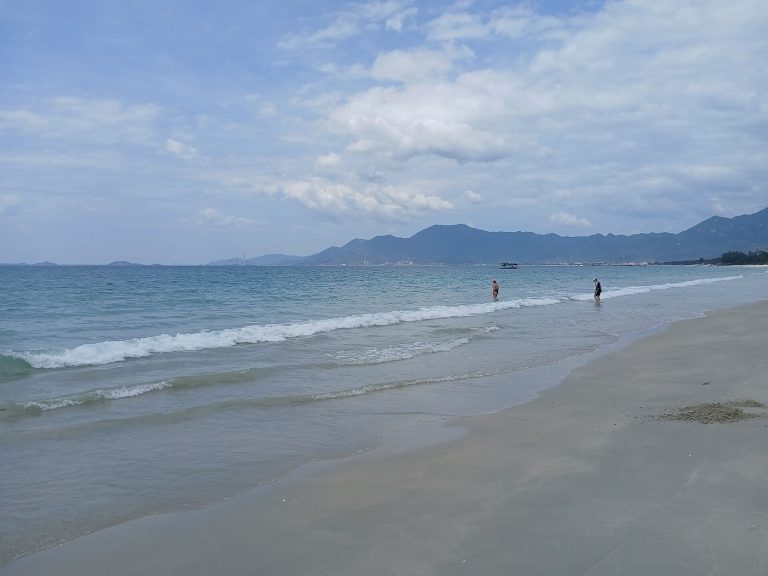
Bai Tien Nha Trang is a small coastal stretch located north of the city center, distinguished by its curved shoreline hugging the mountain slopes and a pebble bed instead of a long sandy strip. This place suits travelers who enjoy sea views, landscape photography, and finding a quieter spot away from the bustling beach city. In turn, the rocky terrain requires thorough preparation and always putting safety above the experience.

Where is Bai Tien and which route should you take?
The beach is situated along the northern coastal route of Nha Trang, near the end of Pham Van Dong Street and the direction toward Luong Son Pass. From the center, you can travel along Tran Phu Street, cross Tran Phu Bridge, and continue straight onto Pham Van Dong. Depending on your starting point, the distance is usually around 10–15 km. Open an online map before setting out, as the path down to the shore may change depending on construction status and terrain.
Motorbikes are convenient for stopping to enjoy the scenery, but riders need to observe carefully at curves and avoid parking right at the road edge. If traveling with a group including elderly people or young children, taking a car to a safe stopping point and walking a short distance makes it easier to manage. Do not attempt to forge paths through restricted areas, fences, or rocky paths beaten by strong waves.
What makes the crescent stone beach unique?
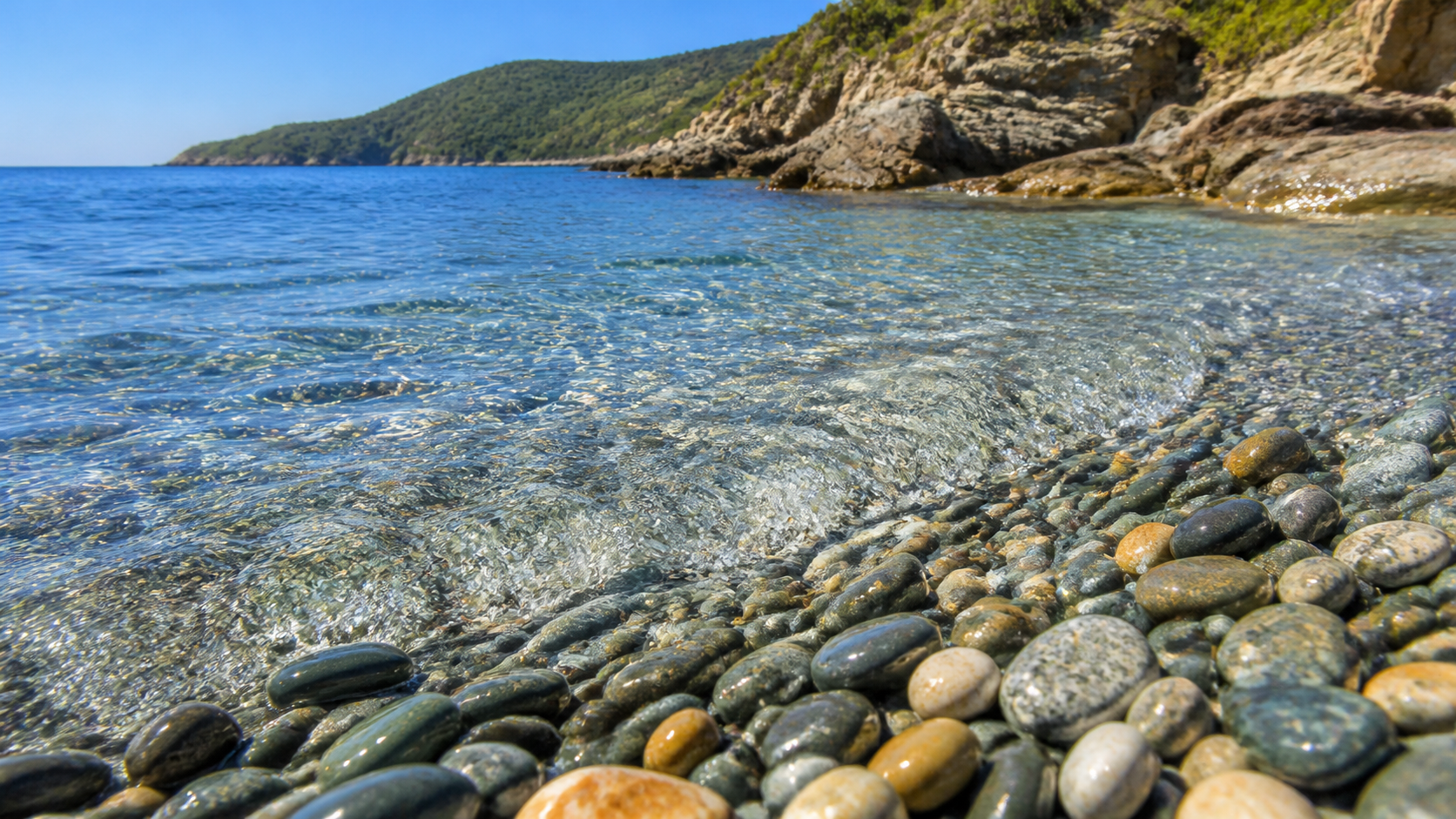
The beauty of Bai Tien comes from the contrast between the water color, mountain slopes, and natural rock patches. Many sections lack fine sand; the shore consists of boulders and pebbles polished smooth by the sea. When the sea is calm, the shallow water layer clearly reveals the rock colors underneath. High-angle viewpoints show the coastline curving like a crescent moon, suited for panoramic shots rather than crowded activities.
Early mornings usually offer soft light, cool air, and a pleasant sea surface. Late afternoons are also nice, but you must leave enough time to return before dark. Hang Heo is a mountain-side landmark often mentioned near this area; if you want to combine them, only go when you clearly understand the access route and daily wave conditions.
Suitable activities and what not to do
This is a suitable place to watch the sea, listen to the waves, take photos, and take short walks on dry rock sections. You can bring drinking water, snacks, and a small mat, then pack out all your trash before leaving. Do not treat the beach as a standard swimming spot: isolated areas may lack lifeguards, submerged rocks are hard to see, and waves can change quickly.
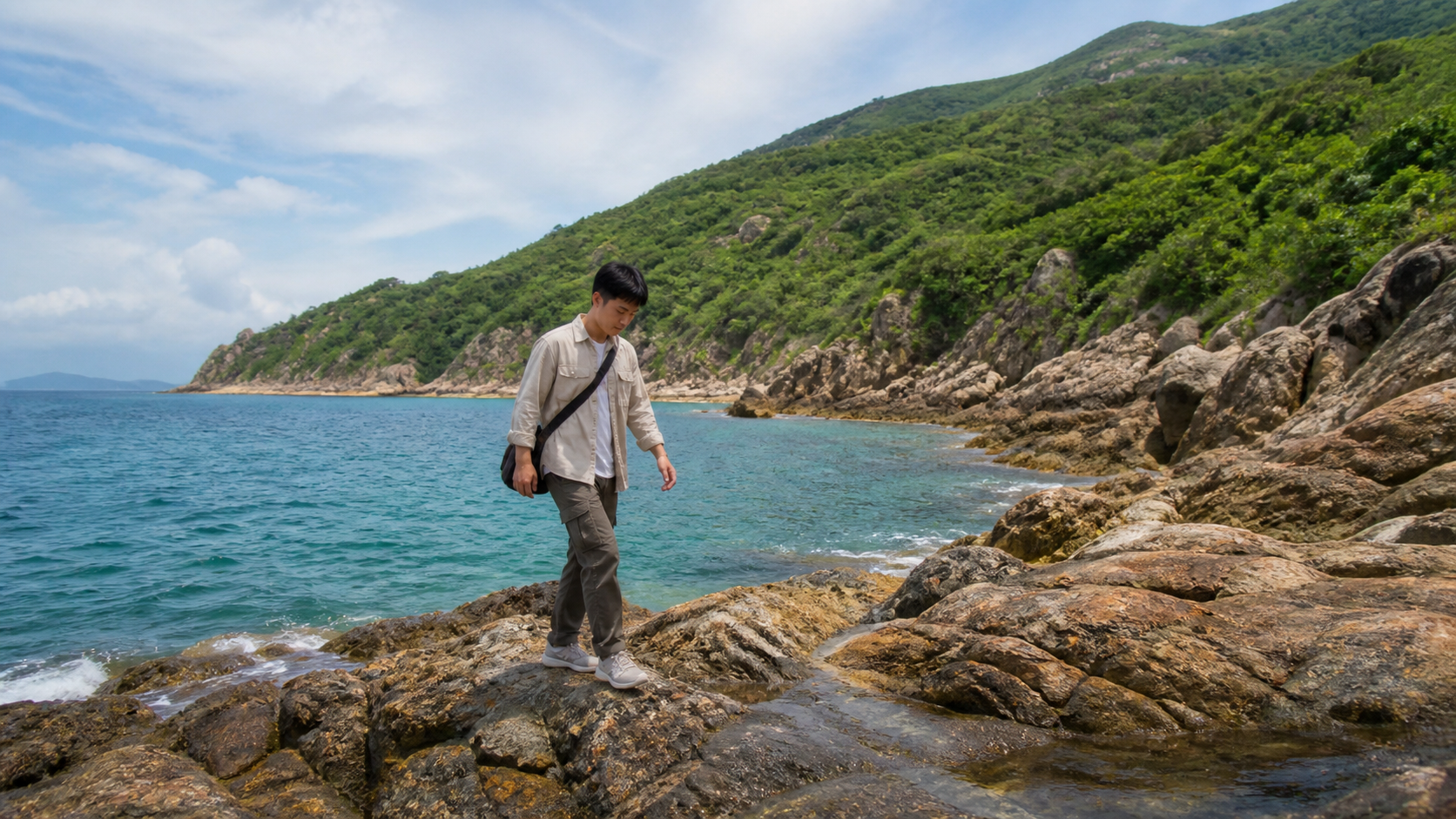
Avoid climbing slippery wet rocks for photos, do not stand with your back close to the wave edge, and do not go alone into hidden sections. Slippery sandals or flat-soled shoes with poor grip are unsuitable choices. If you see murky water, choppy waves, strong winds, or rain approaching, stop all activities along the shore.
Trip preparation tips
- Choose sneakers or sandals with gripping soles; avoid walking barefoot on sharp rocks and hot surfaces.
- Bring water, a hat, sunscreen, trash bags, and a waterproof phone pouch.
- Check the weather, wind, and tides; inform relatives of your schedule if traveling in a small group.
- Do not break branches, take pebbles as souvenirs, or leave plastic items on the beach.
Bai Tien is not a destination with many amenities, and that rustic quality creates its charm. A slow morning walk, admiring the curved coastline and respecting the terrain, will be more memorable than trying to conquer dangerous angles. If you prioritize safety and keeping the landscape pristine, this is an interesting stop on your journey to explore northern Nha Trang.