Visiting Hanoi in August, October, or December
If you are considering visiting Hanoi in August, October, or December, temperature alone isn’t the only factor to compare. Do you plan to walk a lot, spend time in museums, or enjoy lakeside scenery? Each travel style requires different preparation, and a flexible itinerary is usually more useful than choosing a month simply advertised as the best.
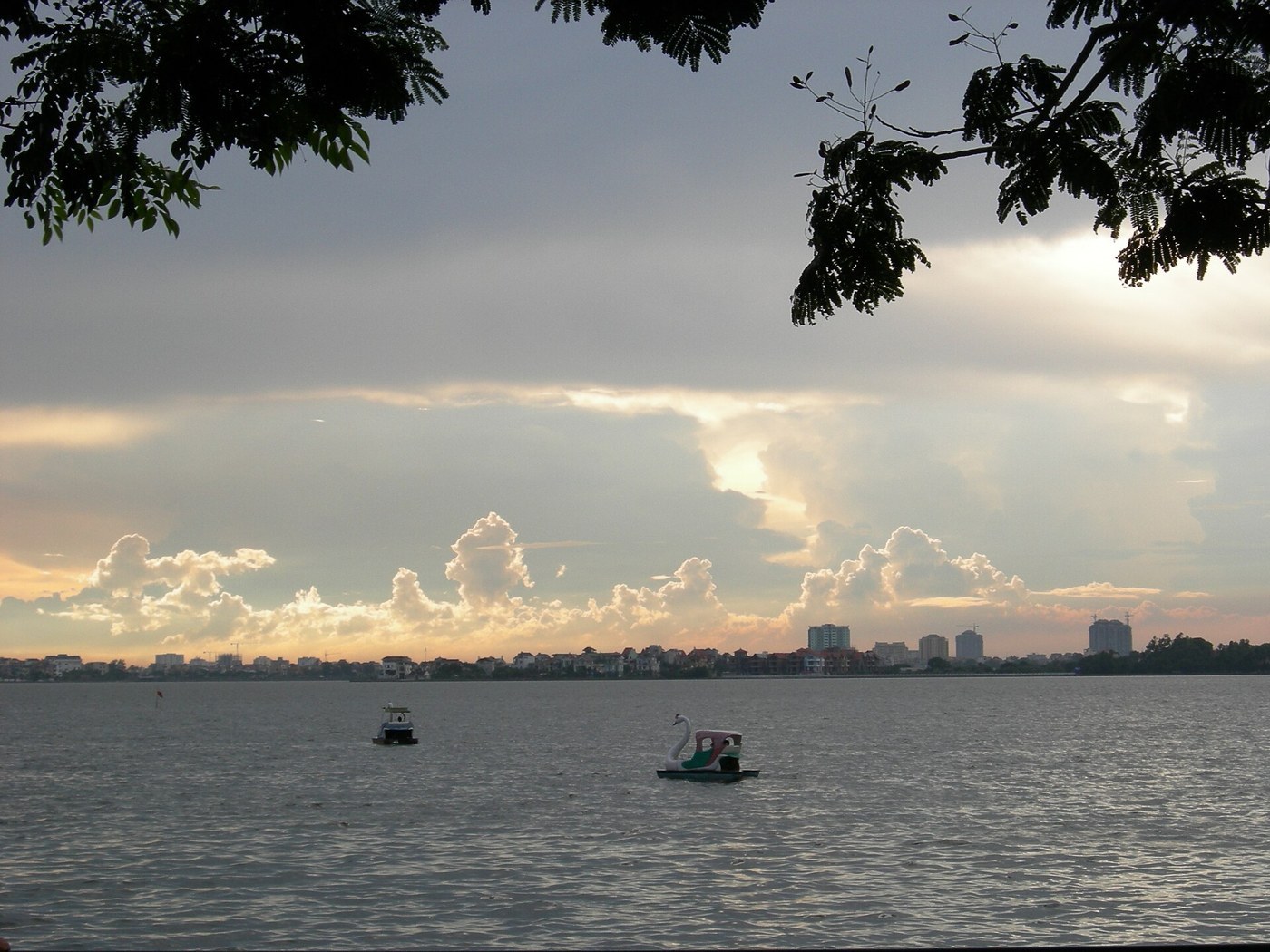
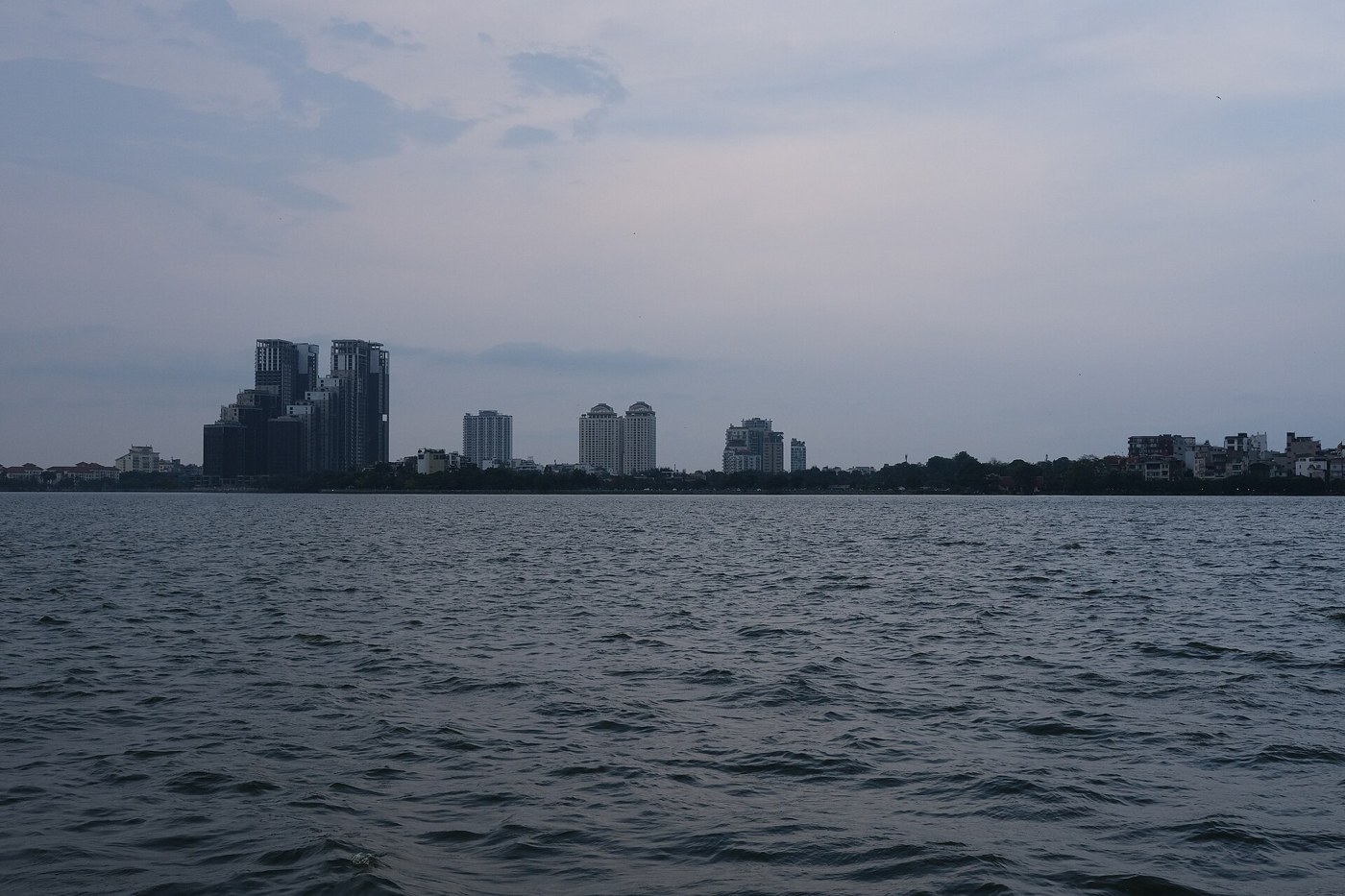
This guide is based on typical climate characteristics rather than forecasts for a specific year or day. The photos in this article are archival images of West Lake and Hoan Kiem Lake, not meant to guarantee the weather during your exact travel month.
Three months, three preparation priorities
| Timing | Typical characteristics | Scheduling priorities |
|---|---|---|
| August | Hot, humid, with frequent rain | Break up outdoor time, schedule breaks, and have indoor backup plans |
| October | Usually milder than summer, but still sunny or rainy days | Increase walking time when conditions suit; pack easy-to-remove layers |
| December | Mild to cold, potentially cloudy with cold front influences | Pack flexible warm clothing, limit long lakeside periods |
August: avoid spending all day outdoors
Instead of stringing together long walks, choose a cluster of sights and split your tour into short segments. Quick-drying lightweight clothes, grip-friendly shoes, rain protection, and phone waterproof bags are worth considering. Do not assume late August will feel cool just because autumn is near.
A stroll around Hoan Kiem Lake can be shortened if it gets too hot or starts raining. Indoor stops should be picked in advance, checking daily opening hours so you don’t scramble for alternatives when tired. If adverse weather warnings are issued, prioritize rescheduling over trying to finish a checklist.
October: balancing light layers and rain gear
This is usually easier to plan walking activities than summer. However, a cool morning does not mean you need a jacket all day. Carrying a compact layer that easily stows in a bag is more practical than wearing too much from the start.
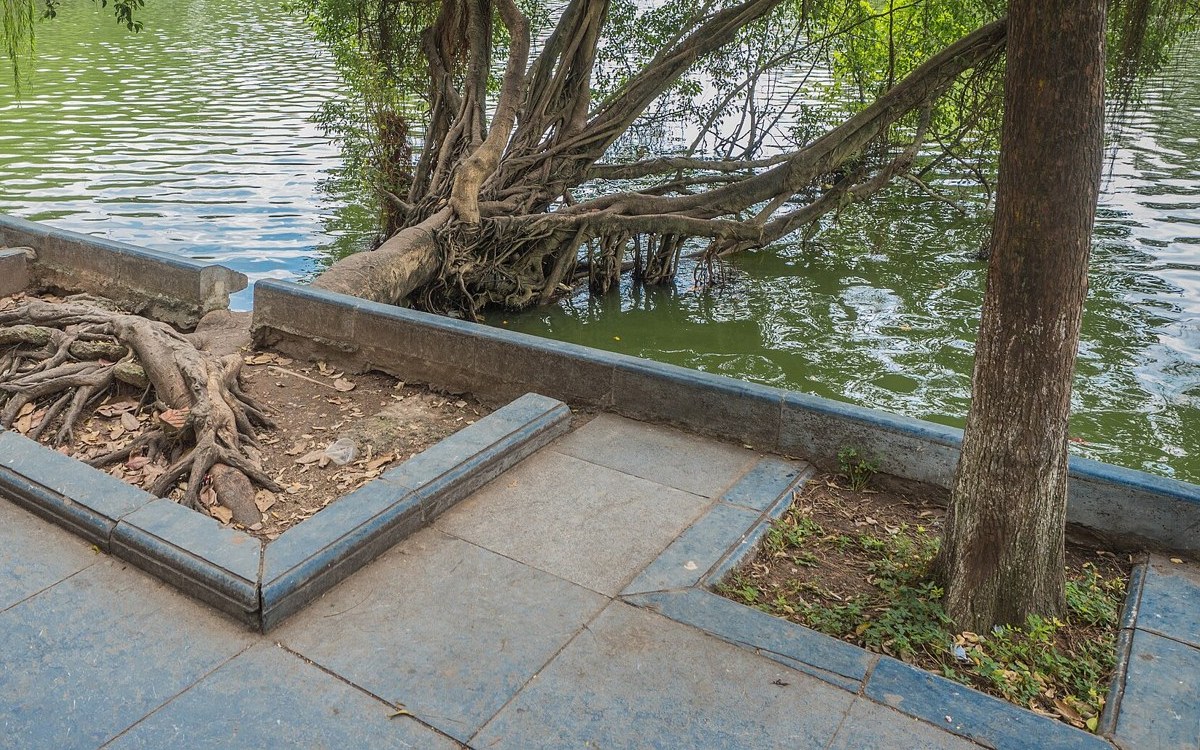
With an itinerary around the lake and old streets, you can pick two or three close spots instead of trying to cover the whole center. When the weather is nice, linger longer; when it rains, cut short the outdoor time. There is no need to expect guaranteed flowers, changing leaves, or blue skies on a specific day: familiar autumn visuals do not appear all at once on a schedule.
December: check minimum temperatures, not just daytime highs
Before your trip, check evening and early morning forecasts. Layered clothing, enclosed shoes, and a windproof outer layer make it easier to adjust between indoor and outdoor transitions. Travelers used to warm climates may feel colder than expected, especially when sitting by the lake for long.
If you plan to visit West Lake, pick a shoreline section suited to your time and transportation; you don’t need to aim to walk the entire perimeter. Knowing your endpoint and return route beforehand helps you stay prepared when it gets cold or dark. A short sightseeing session is often much better than standing hours waiting for a sunset in poor conditions.
What to check right before departure?
- Check daily forecasts, rain probability, wind, and active warnings; update before heading out.
- Cross-reference opening hours of backup indoor spots.
- Pack according to actual activities: lots of walking requires proper shoes; evening outings need extra warmth.
- Leave space in your itinerary for resting, rerouting, or waiting out unfavorable weather.
If you can freely choose when to go, start with what you want to do before picking a month. If your vacation dates are fixed, adjusting your pace and luggage according to close-up forecasts is much more practical than chasing guarantees of perpetually great weather.