Clay Pot Rice in Hanoi: How to Order for Groups
Clay pot rice is an easy choice for sharing when visiting Hanoi with family or a group of friends: a pot of hot rice sits in the middle of the table, surrounded by savory dishes, vegetables, and soup. The easy mistake is that each place uses different pot sizes, different cooking methods, and may charge for rice per pot or per person. Asking clearly before ordering helps keep the table portions just right without forcing anyone to finish extra food.
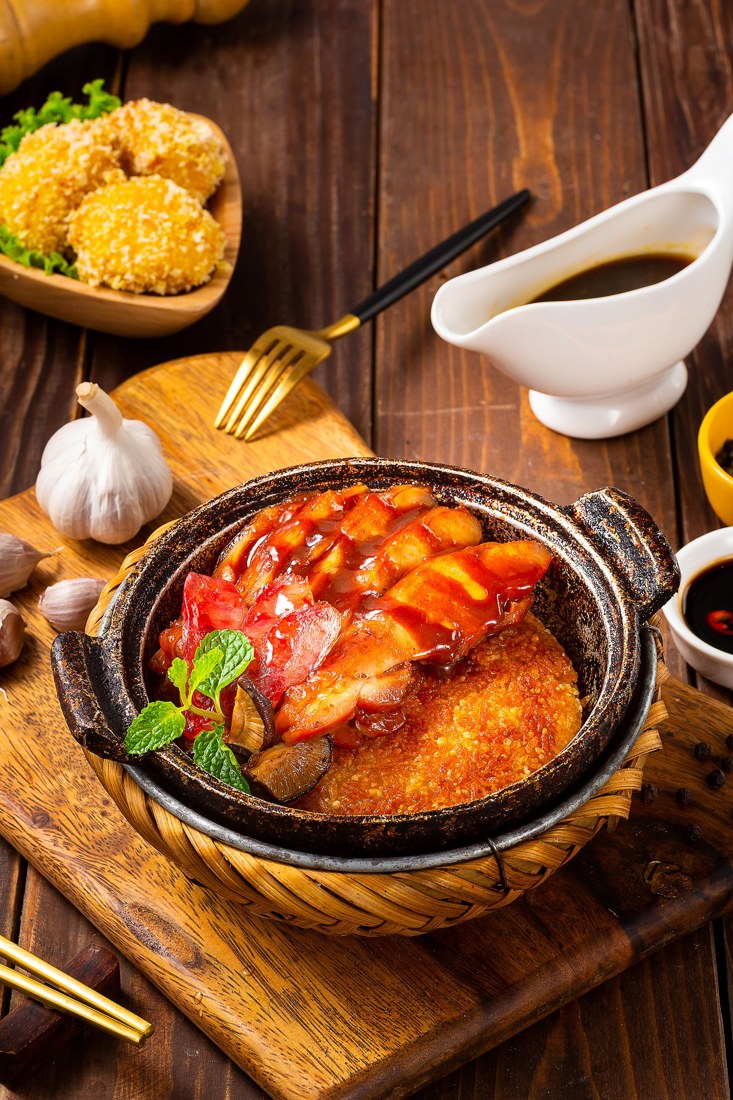
This article focuses on how to recognize and order a clay pot rice meal, without ranking or advertising any restaurants. The photos are illustrative material of rice cooked in clay pots and the crispy crust layer; they do not represent a specific eatery in Hanoi.
Clay pot rice is more than just rice in an earthen pot
Earthen pots retain heat well, so the rice continues to stay hot after being brought to the table. Depending on the cooking method, the bottom of the pot may form a thin, golden, and crispy crust layer; some places also serve soft rice with almost no crust at all. Therefore, if you expect a crispy rice portion, ask in advance rather than assuming every pot is the same.
Rice can be cooked separately and enjoyed with shared dishes, or prepared together with ingredients inside the pot. These two styles differ in portion size and pairing methods. When reading the menu, distinguish between “a plain clay pot of rice” and “a clay pot rice dish with toppings” to avoid ordering too many savory dishes.
Ask about pot size before calculating portions
The most useful question is how many people a single pot usually serves. A group of two can start with a small pot and two side dishes; larger groups should order based on portion recommendations and add more if needed. This approach is more reasonable than each person ordering an individual pot without knowing the actual capacity.
If the table has young children or light eaters, state this clearly at the time of ordering. You should also ask if the restaurant allows ordering extra rice mid-meal. The ability to reorder helps you proactively reduce the initial amount and limit food waste.
Pairing dishes for a balanced table
A simple formula for small groups is one main savory dish, one vegetable dish, and one soup. For larger groups, you can add a savory dish with a different cooking style instead of ordering many dishes with the same braised flavor or main ingredient. Hot rice and rich savory dishes are usually eaten faster than vegetables, so the vegetable and soup portions help keep the meal from feeling too heavy.
Do not order dishes just because the photos look large. Ask whether portions are served by the plate, pot, or weight. If there are seasonal market-price dishes, confirm the price and quantity before preparation. These short questions are especially necessary when the whole group is splitting the bill evenly.
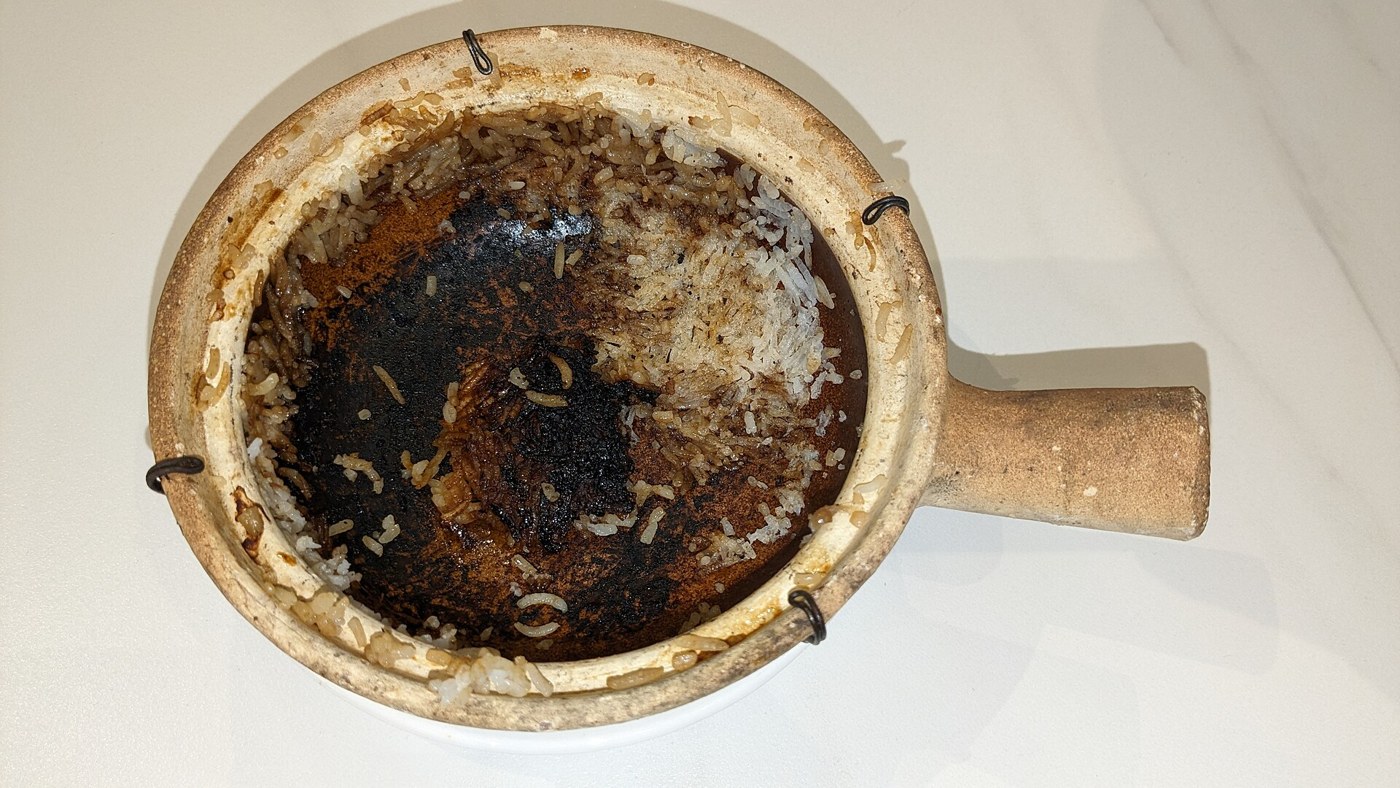
Recognizing a well-cooked rice crust
A good bottom layer is usually dry, crispy, and has a light toasted aroma. A too-dark brown color accompanied by a bitter taste indicates that the rice is overcooked; there is no need to force yourself to eat it. People with sensitive teeth should break it into small pieces or skip the overly hard parts.
When the pot is just placed down, the sides of the pot can still be very hot. Do not touch them directly or try to turn the pot by the earthen rim; use the provided utensils or ask staff for assistance. If you want to get the crust layer, working on it after the rice cools down slightly is easier.
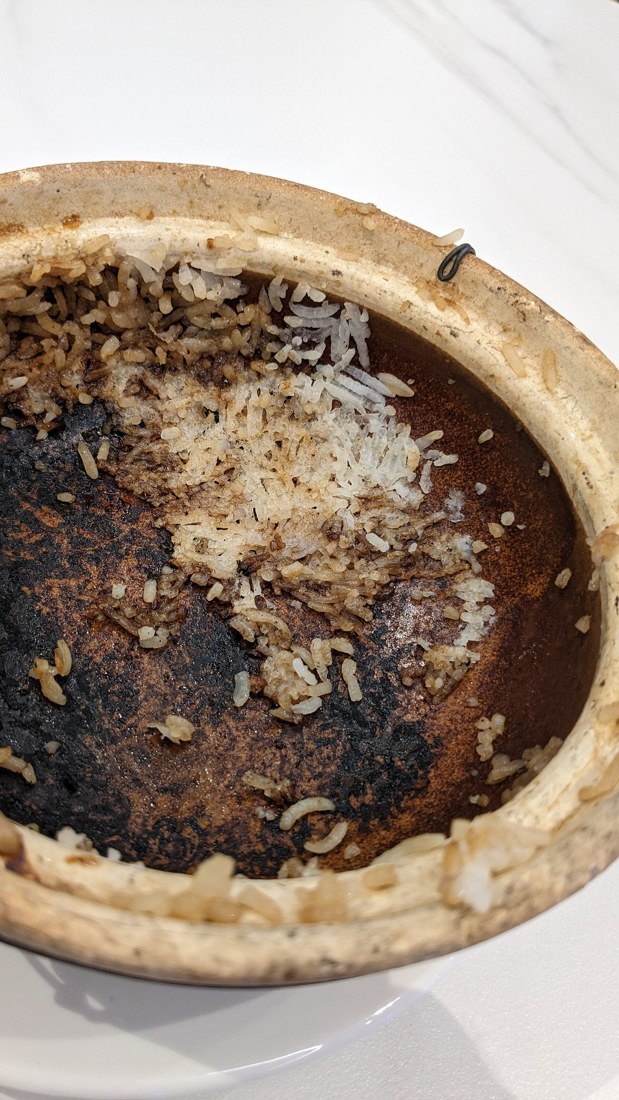
Four questions to ask before finalizing your order
- How many people does this clay pot of rice usually serve?
- Is this plain rice in a pot or does it already include food?
- Can we order extra rice mid-meal, and is the rice charged per pot or per person?
- Does the savory dish already include rice, or is it charged separately?
If the menu has many similar-sounding names, repeating all the dishes once before confirming will minimize ordering mistakes. You can also request dishes to be served in batches so the rice does not get cold while waiting for the main dishes.
Tips for groups with different dietary needs
Groups with vegetarians, food allergies, or those needing restricted seasonings should ask specifically about broths, sauces, and shared ingredients. A dish that looks like vegetables does not mean it is cooked entirely without animal products. For young children, prioritize the soft rice on top rather than the crispy bottom layer and check the temperature before eating.
People who love photography should take quick photos right when the food arrives and then eat while it is still hot. Prices, pot sizes, and ingredients can vary by location, so the information at the eatery when you visit remains the main basis.
A neat clay pot rice meal for two to four people
Start with the recommended portion of rice, choose savory dishes that the whole group can enjoy, add vegetables and soup, and then consider side dishes. Structuring your order makes it easy to manage the budget, avoid repetitive flavors, and keep the cozy experience around the hot pot of rice.