Bat Trang Museum: Architecture and Visitor Guide
The Bat Trang Ceramic Museum is a stop that helps travelers to Hanoi understand pottery through architecture, artifacts, and manual techniques. The structure stands out with layered terracotta blocks reminiscent of a pottery turntable, set within the craft village space along the Red River. A good visit should allocate time to read the artifacts rather than just photographing the exterior.
Location and Trip Planning
The museum is located in the Bat Trang area, east of central Hanoi. Travel time depends on peak hours and the condition of the river bridges. If traveling by personal vehicle, use the designated parking areas and do not block village alleys. Public transport can be convenient, but routes and stops may change, so check transport apps close to your travel date.
Opening hours, ticket counters, and experience activities may change by day or event. Before setting out, it is best to check current official information. Do not pack your schedule too tightly; a relaxed trip usually requires at least half a day if combined with walking through the pottery village.
Reading the Architecture Before Entering the Galleries
The multi-tiered swirling blocks suggest the movement of clay on a turntable. Curved surfaces, open slots, and material colors create different perspectives as you walk around the structure. Instead of standing in the middle of pathways for photos, observe the flow of people, choose a spot on the edge, and do not climb on bases, railings, or decorative details.
Architecture is not just a backdrop. It connects the pottery-making process, local materials, and how a traditional craft village tells its story in a contemporary space. Viewing from a distance to grasp the whole, then moving close to observe surfaces, provides a more complete experience.

How to View Artifacts Without Getting Overwhelmed
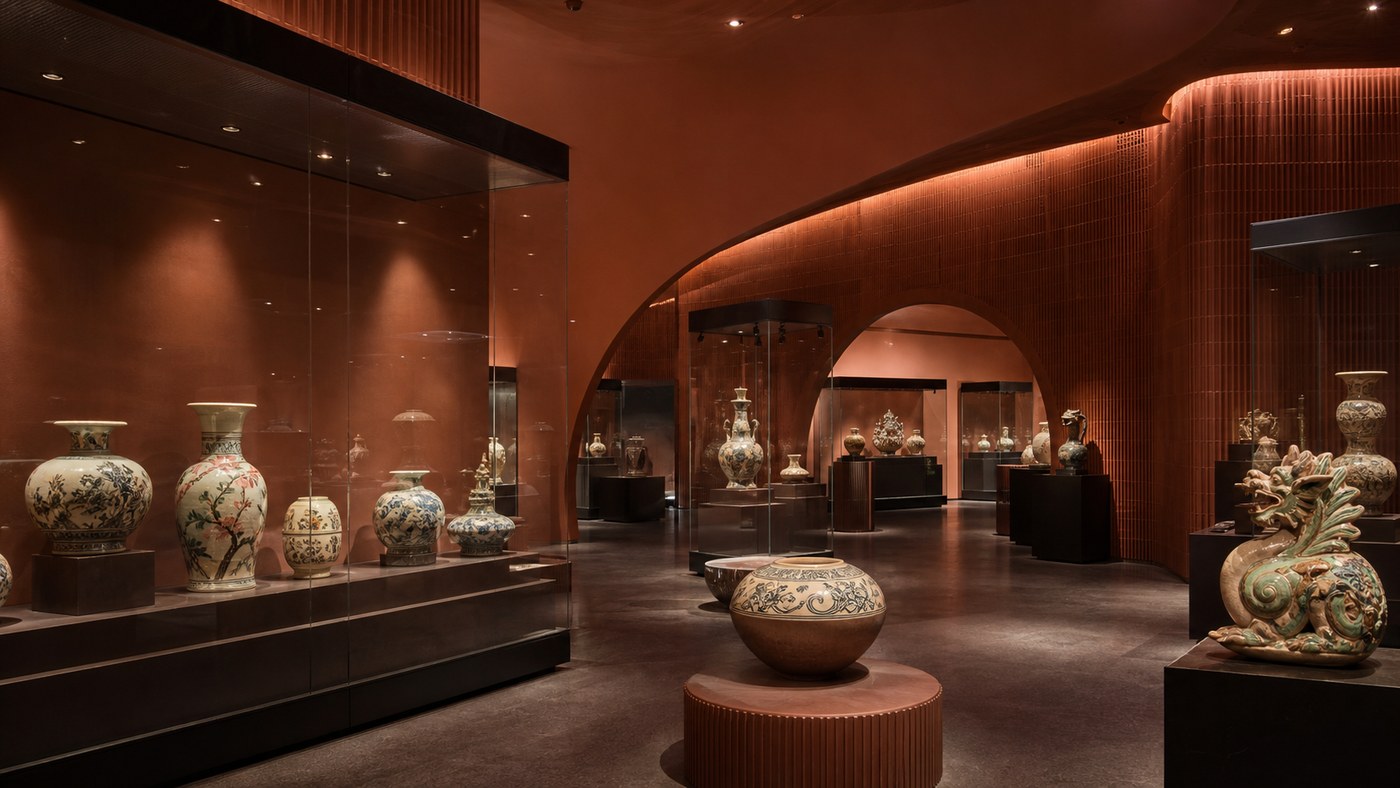
There is no need to try reading every label in one pass. Choose a theme such as glazes, vessel shapes, patterns, or changes across eras. Observing fingerprints, firing marks, glaze colors, and proportions helps explain why two items with similar functions feel so different.
Follow the directional signs in each room, do not touch artifacts, and turn off your camera flash. Some areas have specific rules regarding photography or tripods. When visiting with children, adults should keep them close by rather than letting them run around glass cases and display platforms.
Pottery-Making Experience
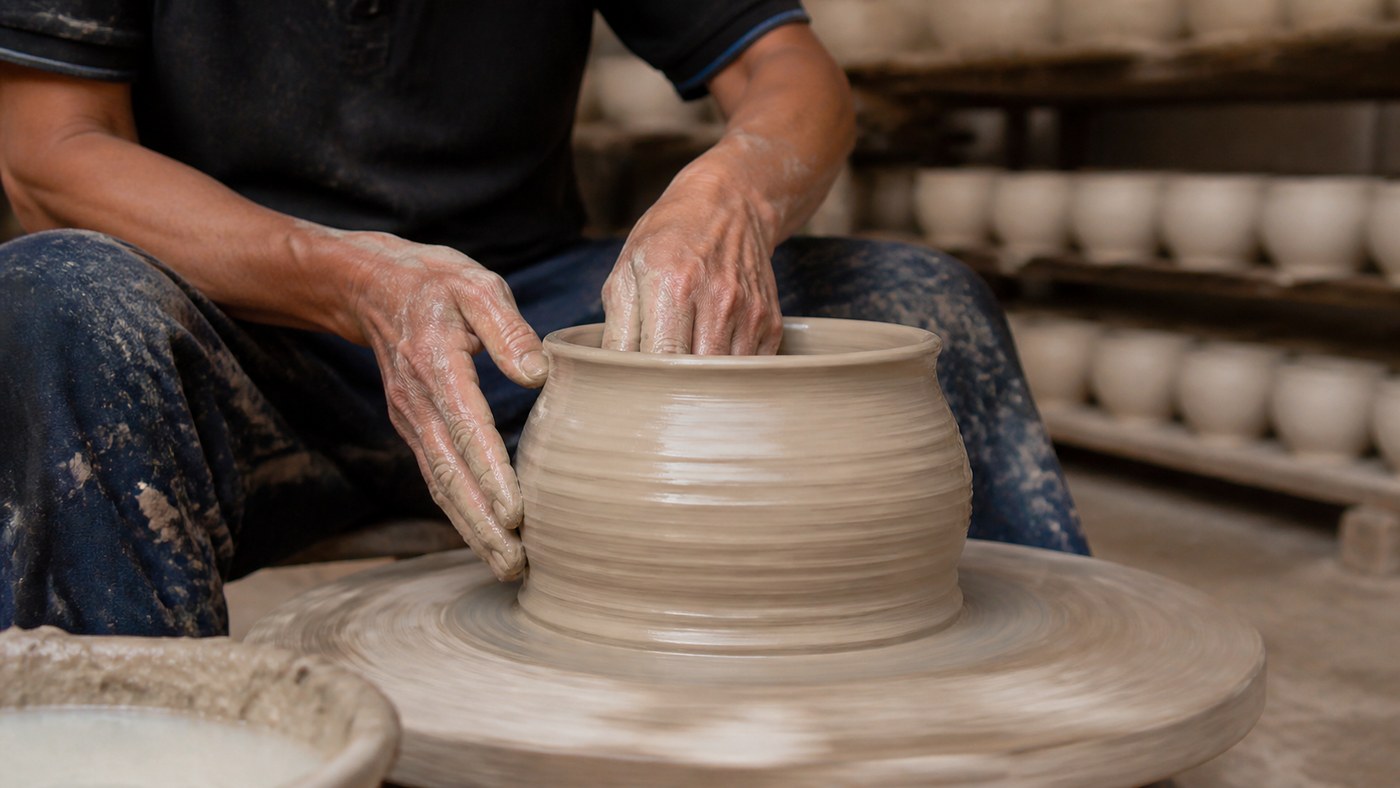
Shaping pottery on a turntable helps beginners feel the moisture of the clay, hand pressure, and the difficulty of keeping the vessel walls balanced. The activity may require separate registration; ask clearly about the duration, whether products are fired or can be taken home, and when they will be ready. Wear comfortable clothing, tie back your hair, and follow the artisan’s instructions.
Tips for Visiting the Craft Village
- Wear shoes that are easy to walk in on small alleys and uneven surfaces.
- Do not enter workshops, kilns, or production areas uninvited.
- Ask for permission before photographing artisans at close range.
- If purchasing ceramics, check the glaze, rim, base, and packaging before leaving the shop.
- Keep quiet in exhibition rooms and do not let personal items touch artifacts.
The museum suits lovers of architecture, crafts, and village culture. Going slowly, selecting a few artifacts for deep observation, and spending time watching artisans work will be more memorable than rushing through many floors.
Frequently Asked Questions
Do I need to book in advance?
Individual visitors may not always need a reservation, but group activities or pottery-making sessions may have specific rules. It is best to confirm close to your travel date.
How much time should I spend?
Around two to three hours for the museum; allocate extra time if you want to walk through the village and experience pottery making.