Nha Trang Observatory: Science Experience and Visitor Guide
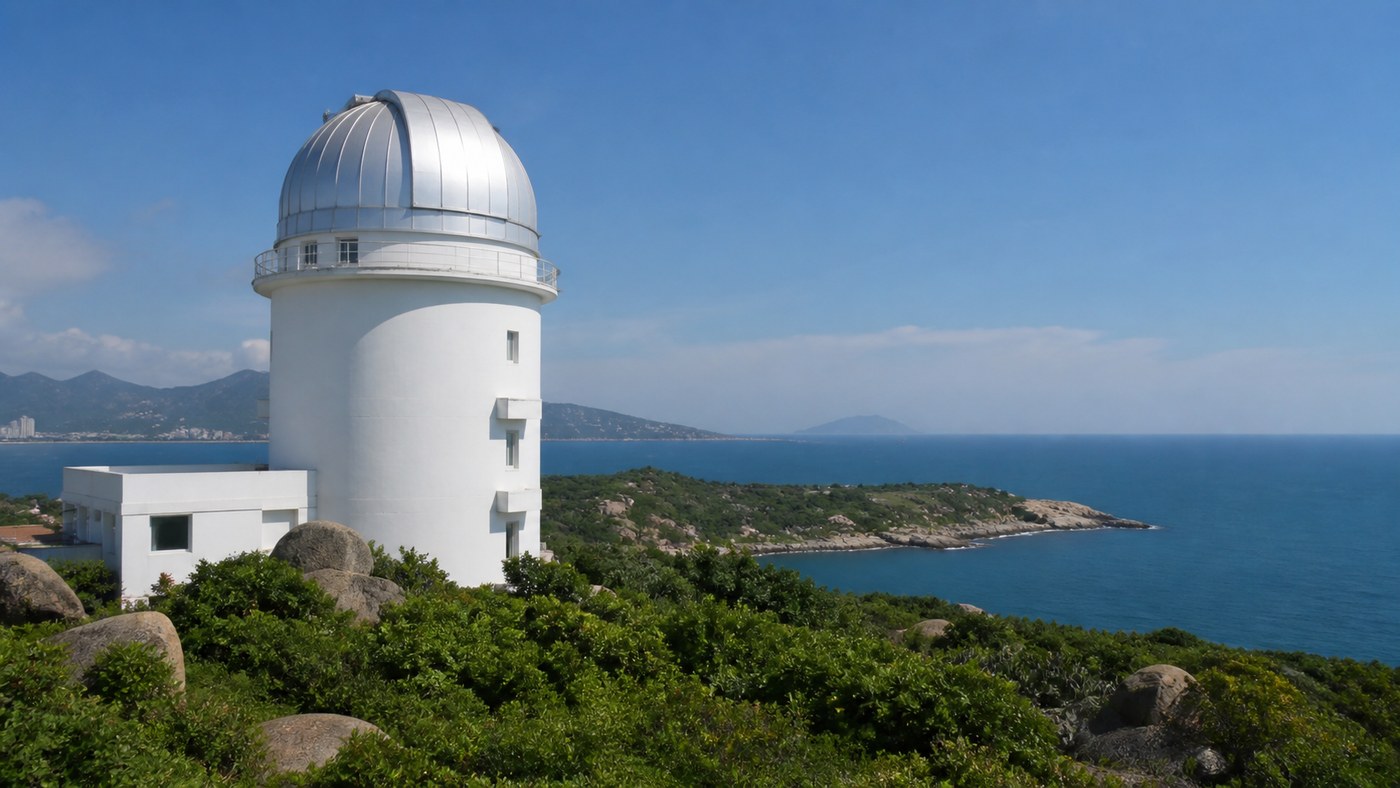
The Nha Trang Observatory is located in the Hon Chong area, Bac Nha Trang ward, Khanh Hoa. The white cylindrical building with its prominent dome stands out against the coastal landscape. This is a notable science experience destination where visitors can explore the sky through a planetarium, telescopes, and educational programs suited to different times.
A Scientific Landmark by the Nha Trang Sea
Construction on the facility began in 2014, and it is known as the first astronomical observatory in Vietnam. The space is designed for research, popularizing knowledge, and sparking interest in space science. The architecture consists of a cylindrical block, an observation dome, and functional areas for presentations and guided activities.
The seaside location offers a scenic background, but the main purpose of a visit remains learning. Visitors should not assume this is a place open freely all day. Visitor schedules usually depend on specific programs, registered groups, or specialized events.
What Experiences Are Inside?
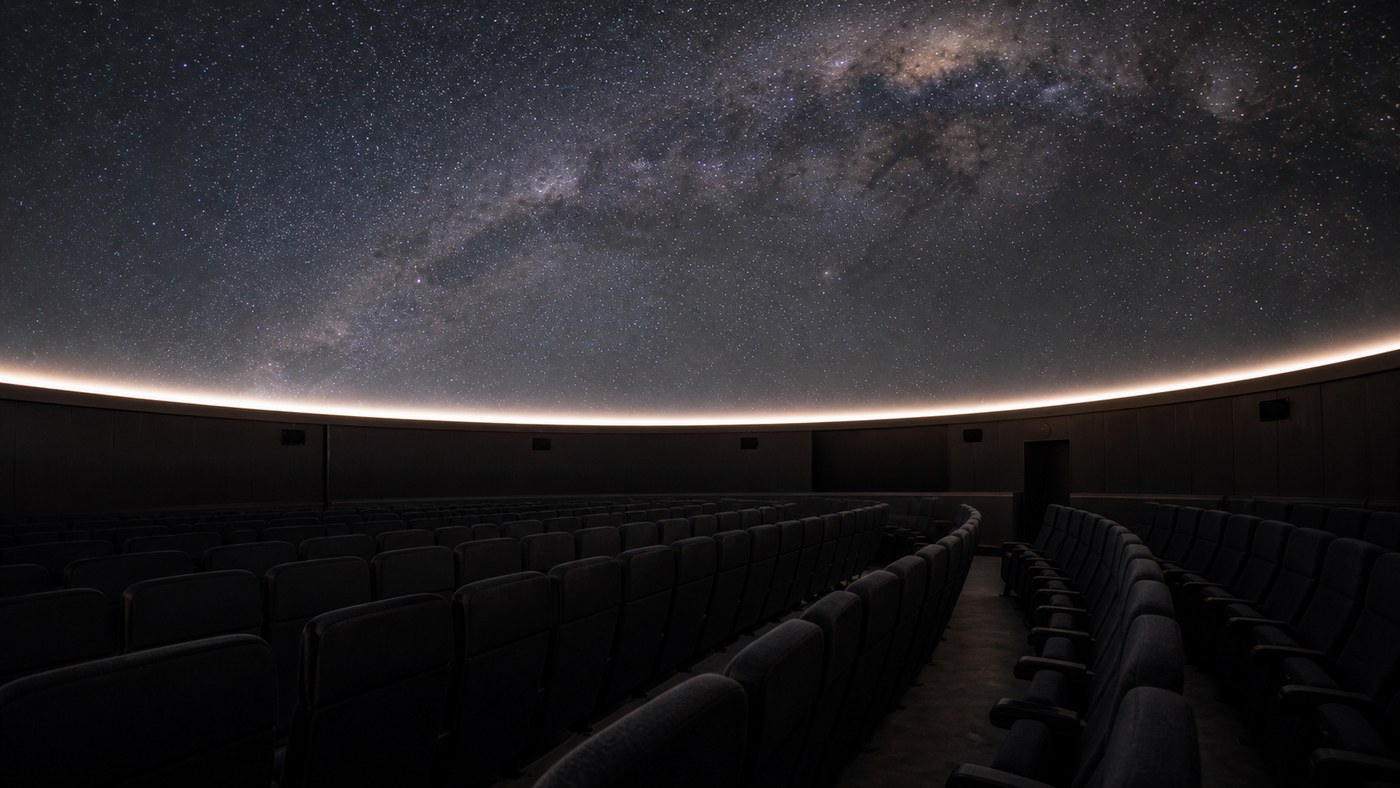
The planetarium uses a dome to simulate the night sky, helping viewers recognize constellations, apparent movements, and certain astronomical phenomena. The visual presentation is suitable for students, families, and beginners alike.
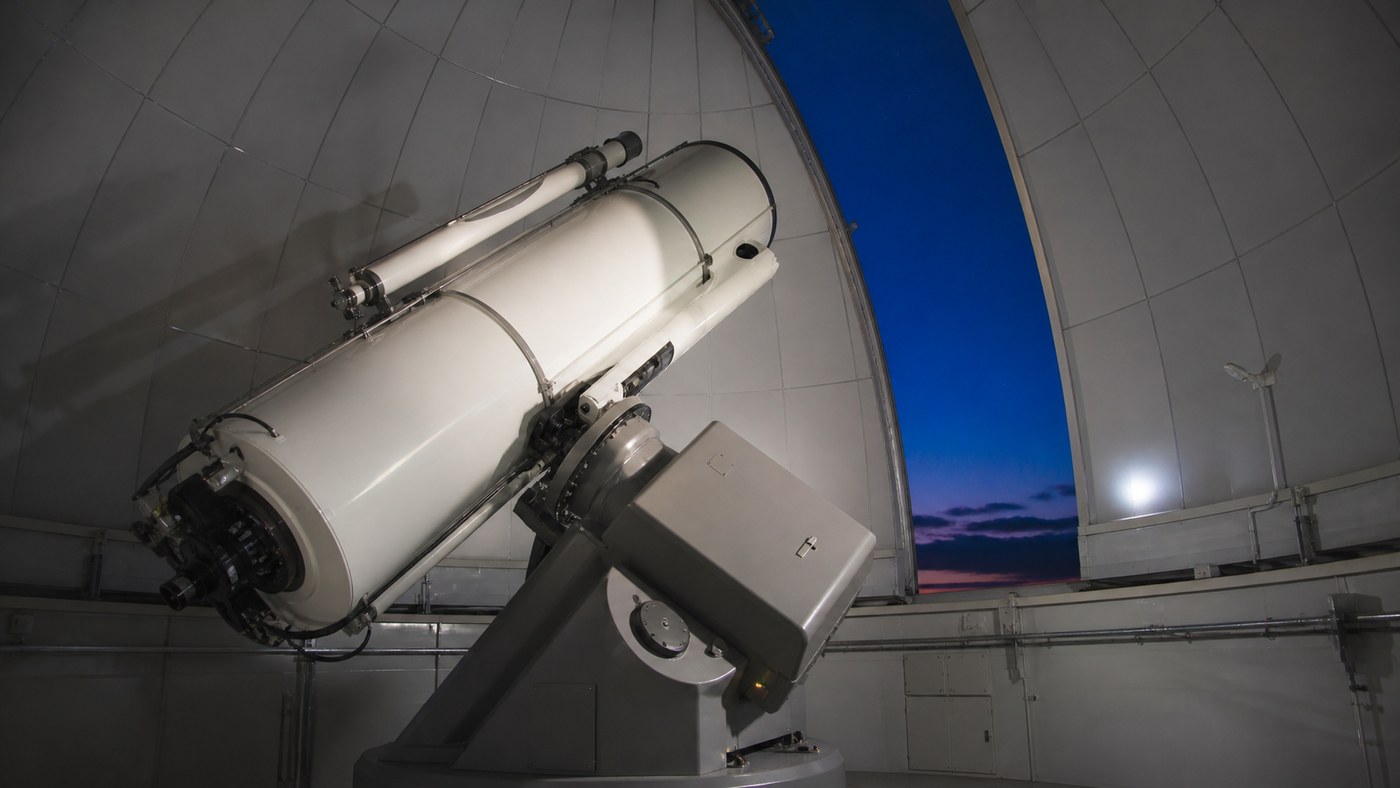
The observation area features a reflector telescope with a diameter of about 50 cm along with a motorized control system. When sky conditions permit and an organized program is running, the equipment can assist in viewing celestial bodies. The actual experience depends on clouds, rain, atmospheric clarity, and the content of the guided session; visitors may not see the exact same objects on every visit.
How to Prepare Before Visiting
The most important step is to check the official schedule close to your travel date. Inquire clearly about registration methods, suitable age groups, arrival times, and program content. Operating schedules may change, so do not rely on older posts or show up without confirmation.
If you attend an evening session, bring a light jacket and arrive early to get accustomed to the environment. Mobile phones should be set to silent mode; screen light can affect the eyes of people adapting to the dark. Do not use flash photography or touch equipment without guidance.
Tips for a More Useful Experience
- Write down a few questions about the Moon, planets, or constellations to discuss with the guide.
- For young children, explain in advance that observation depends on the weather and requires patience.
- Do not film or take photos in restricted areas or when programs require turning off devices.
- Maintain silence in the screening room and do not arbitrarily turn, lean on, or place items on the equipment.
- Combine the trip with nearby activities around Hon Chong but leave enough time for your scheduled appointment.
Suggested Itinerary
If you have a daytime slot, you can spend about half a session on the introduction, presentation, and equipment tour, then take a walk to enjoy the coastal scenery around Hon Chong. For an evening program, have a light meal beforehand, arrive on time, and avoid packing too many other stops afterward.
The Nha Trang Observatory offers a different perspective on this coastal city: beyond scenic landscapes, it provides a space that encourages visitors to look further up into the sky. Preparing your appointment and maintaining a curious mindset will make the visit worthwhile.
Frequently Asked Questions
Can I visit freely at any time?
You should not assume so. It is necessary to check the schedule and booking methods close to your visit date, as activities are often organized by program or group.
Can visitors still attend if it is cloudy?
Indoor presentations and introductory sessions usually proceed depending on the schedule, while direct viewing through telescopes depends entirely on sky conditions.