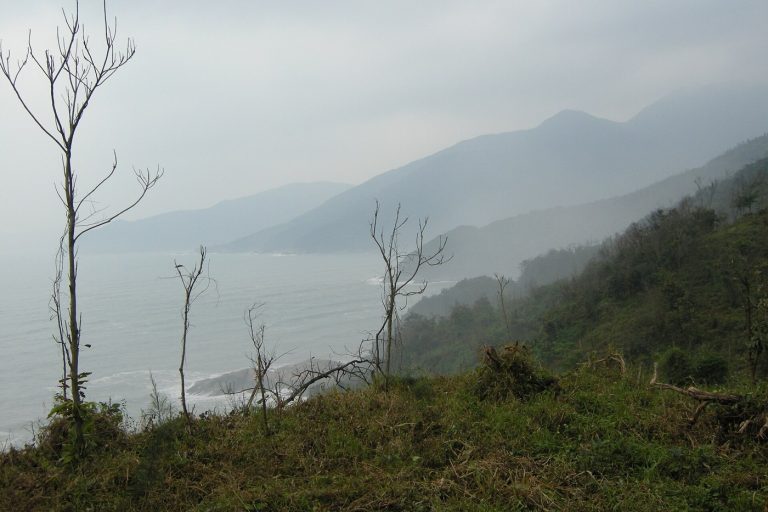
Vietnam National Village for Ethnic Culture: A Slow Walk
The Vietnam National Village for Ethnic Culture and Tourism in the Dong Mo area is ideal for a slow-paced trip where you can observe residential architecture, daily living spaces, and natural landscapes all in one day. Do not view this place as a checklist of sights to “check-in” at; instead, choose a few clusters of houses, walk at a comfortable pace, and take time to read the introductory texts to understand the context of each space.
Preparing for a Day of Outdoor Walking
The campus is expansive, so comfortable shoes, drinking water, a hat, and a light jacket are more important than elaborate gear. Before you go, check the official channels for operating hours, walking routes, and weather updates, as these may change daily. Going early in the morning or late in the afternoon helps avoid the harsh sun; when it rains, paths can be slippery, so reduce your speed and keep a safe distance from the water’s edge.
Identify two or three architectural clusters you want to see beforehand. This approach prevents exhaustion from trying to cover the entire grounds while giving you enough time to closely observe the roofs, materials, courtyards, and how the structures blend into the terrain.
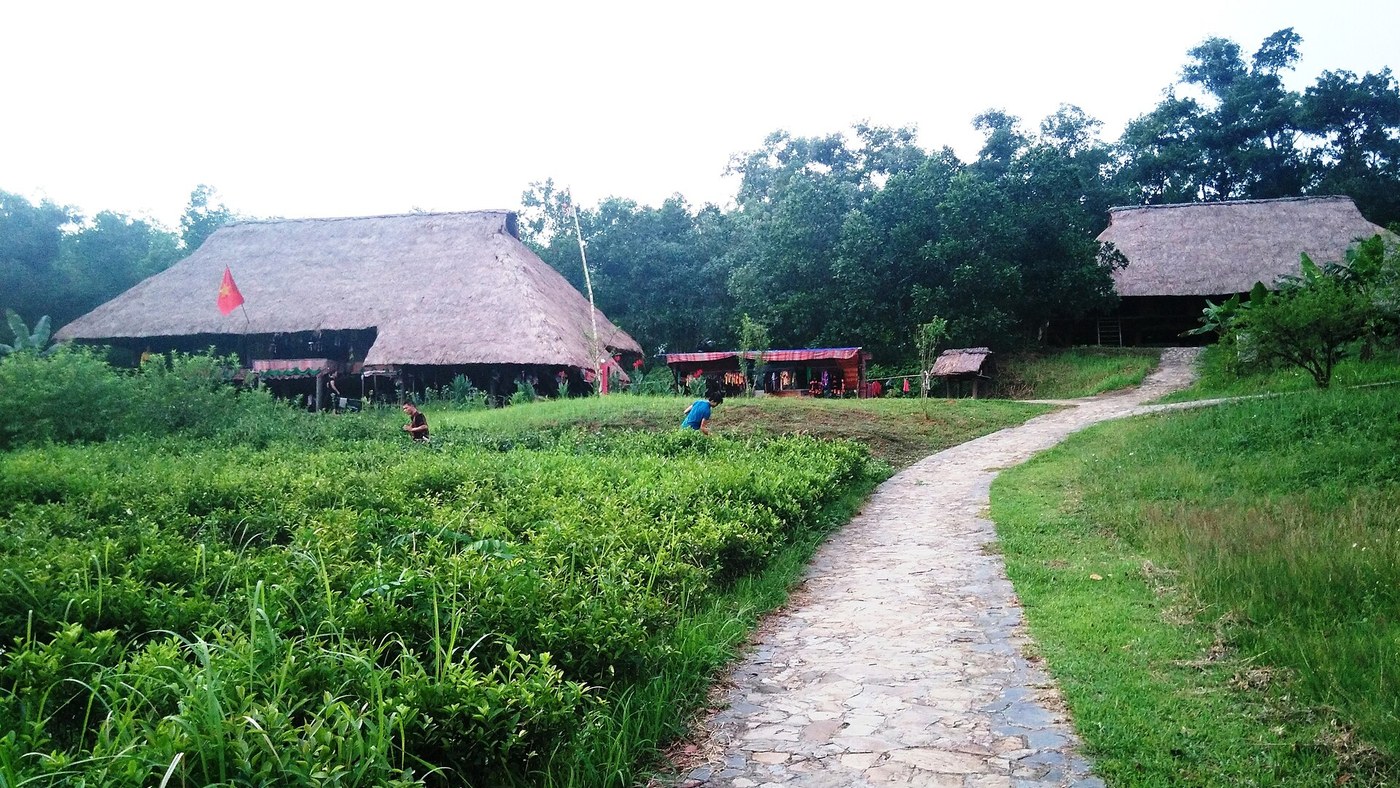
Looking at Architecture Through Simple Questions
When standing in front of a house, observe the slope or lowness of the roof, the floor structure, the position of the staircase, and the surrounding open space. These details are usually connected to the climate, geography, and how the community organizes its life. Instead of touching artifacts or crossing barriers without permission, use your eyes and take notes to maintain respect for the space.
If traveling with young children, you can turn the trip into a scavenger hunt: look for bamboo, wood, thatched roofs, communal yards, or various decorative motifs. Active observation is often much more engaging than simply reading every information board.
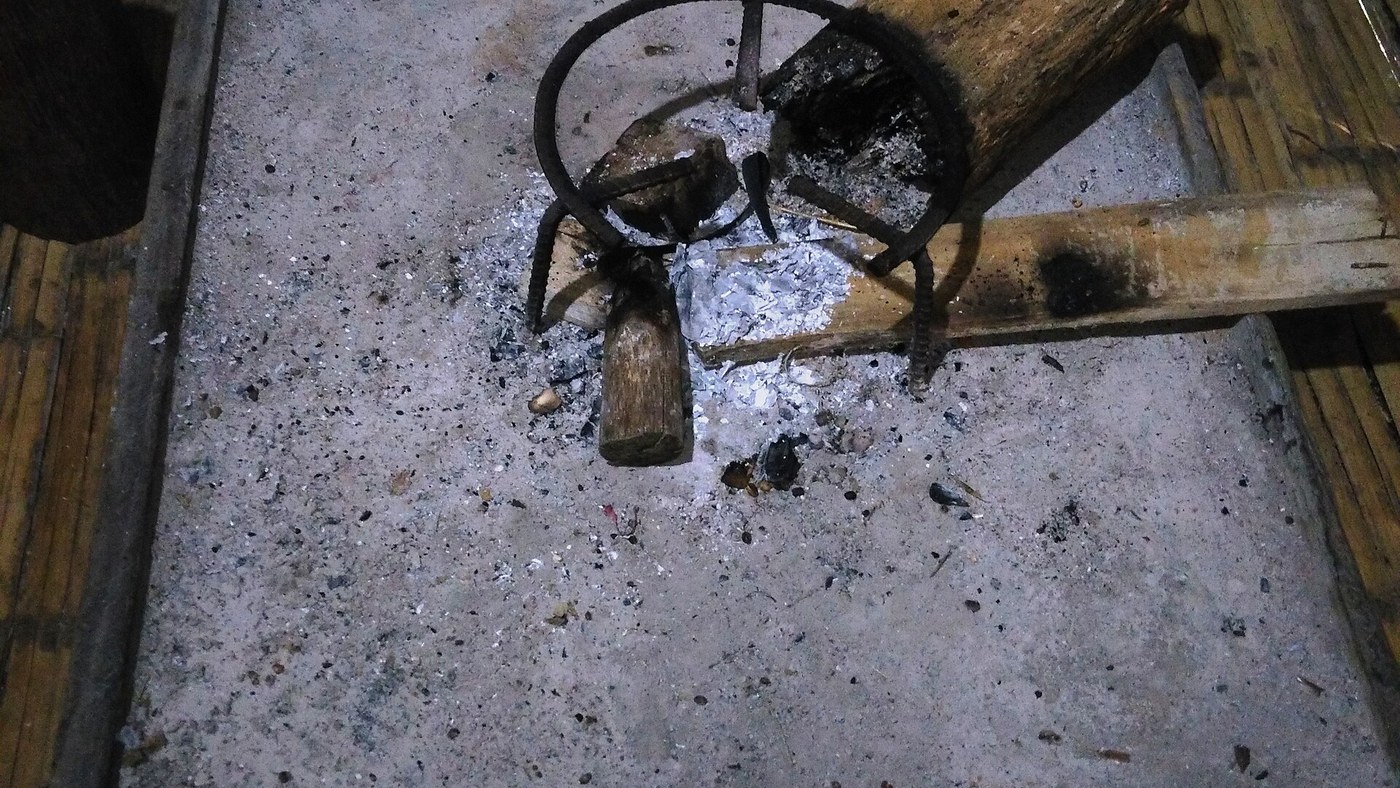
Maintaining a Respectful Visit
This is a cultural exhibition space, so refrain from climbing on structures, moving items, or taking close-up photos of people’s faces without their permission. Keeping your voice moderate, carrying your trash to designated collection points, and staying on designated paths make the trip more pleasant for everyone.
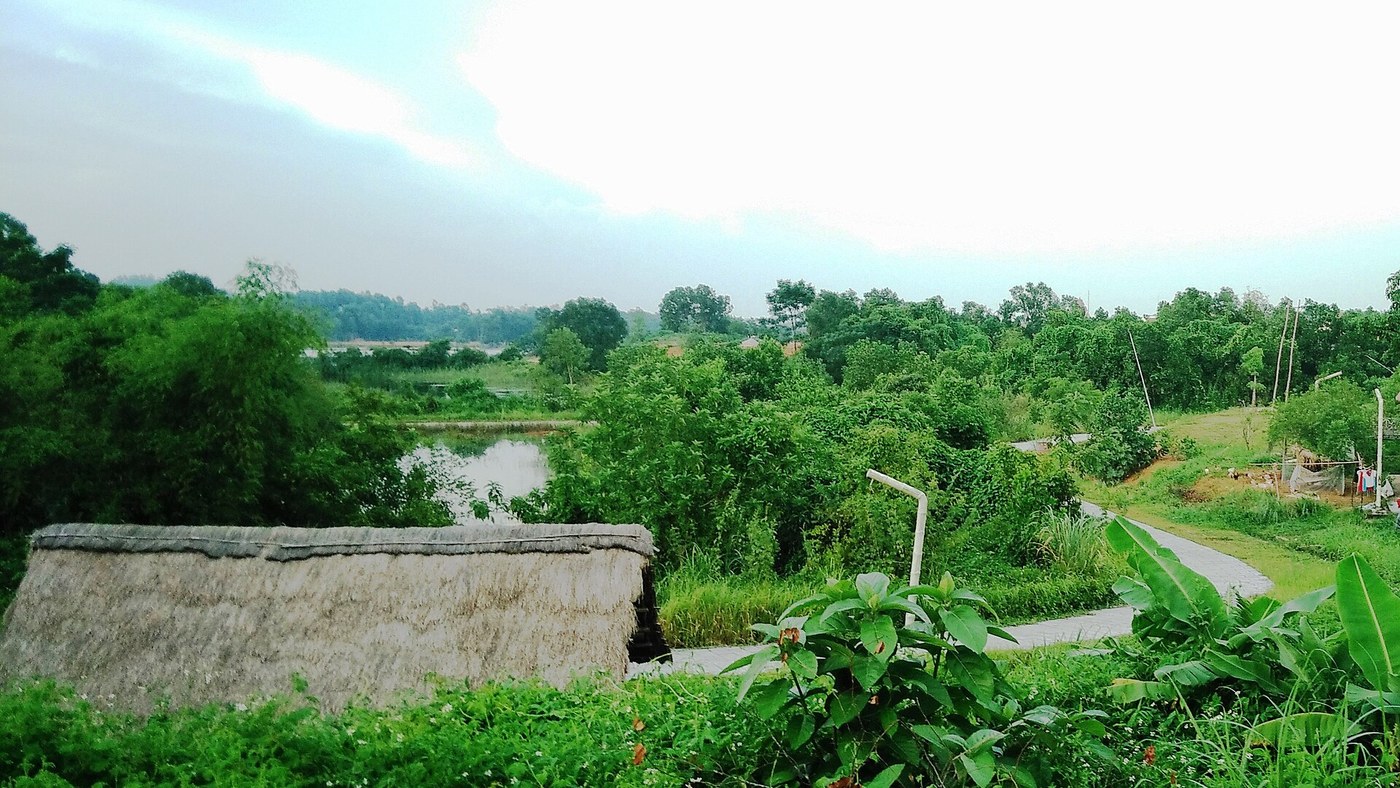
The green landscape is also worth appreciating. Spend a few minutes sitting down to observe the water’s surface, rows of trees, and pathways rather than just rushing from one building to another. Late afternoon light often highlights the textures of the roofs and the colors of the greenery, but be sure to head back on time if the area has closing regulations.
Suggestions for Concluding Your Trip
Before leaving the grounds, pick one detail you remember most: the shape of a roof, an open courtyard, or how materials formed a space. Writing down your impressions will make the journey much more meaningful than trying to take countless photos. A manageable itinerary, curiosity, and a respectful attitude are all it takes to turn your visit into a worthwhile cultural experience.