National Museum of Vietnamese History: Exhibits and Guide
The National Museum of Vietnamese History is an ideal stop when you want to understand Vietnamese history through physical artifacts rather than just reading timelines. The museum currently exhibits across two nearby locations in central Hanoi: No. 1 Trang Tien and No. 216 Tran Quang Khai.
Two locations telling two chapters of history
The Trang Tien facility focuses on Vietnamese history from prehistoric times, archaeological cultures, and up to feudal dynasties. This is the place to start if you want to follow the formation of communities, crafting techniques, and social life through various periods.
The Tran Quang Khai facility introduces modern and contemporary history, tied to revolutionary movements and the nation-building process. The two sites are not housed in the same building, so check the topic you want to see before visiting to avoid going to the wrong branch.
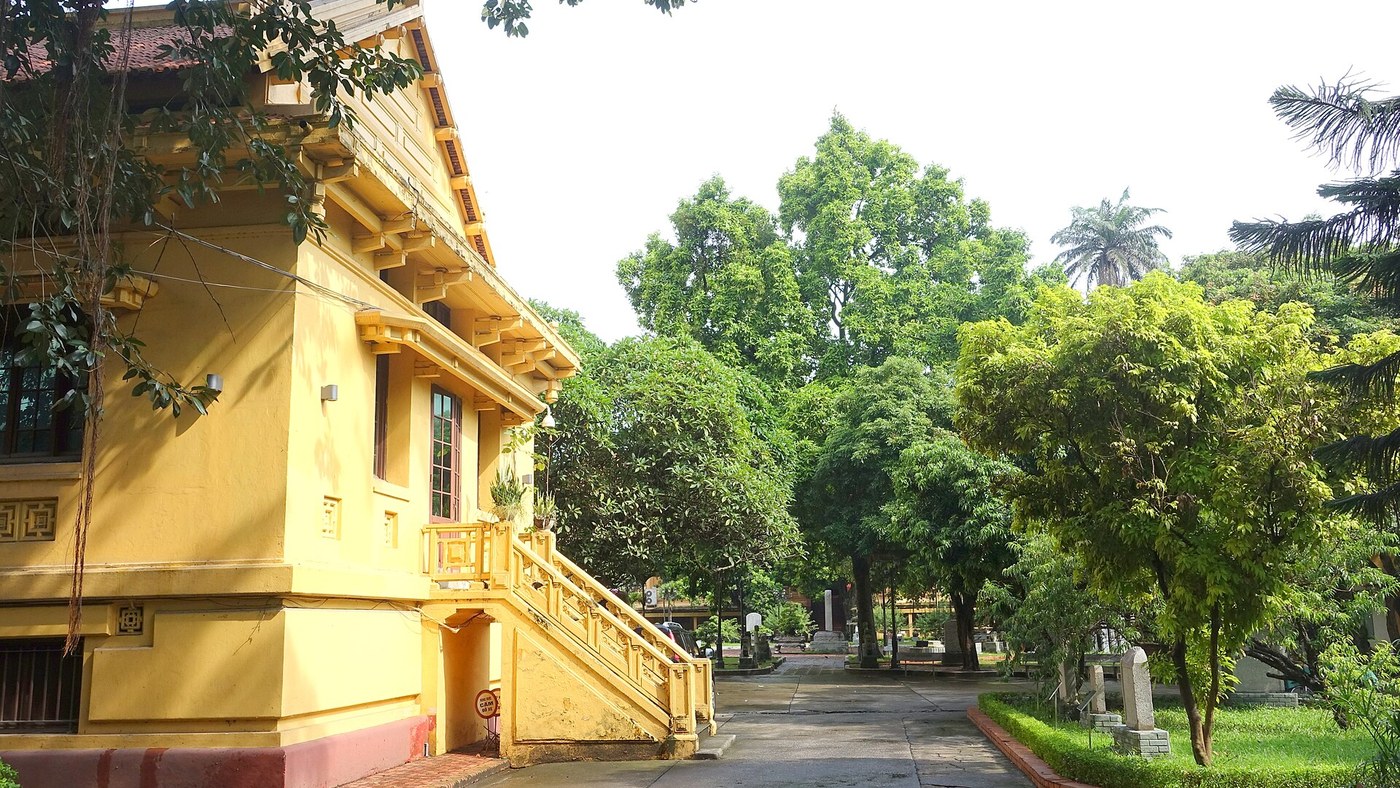
Artifact groups worth your time
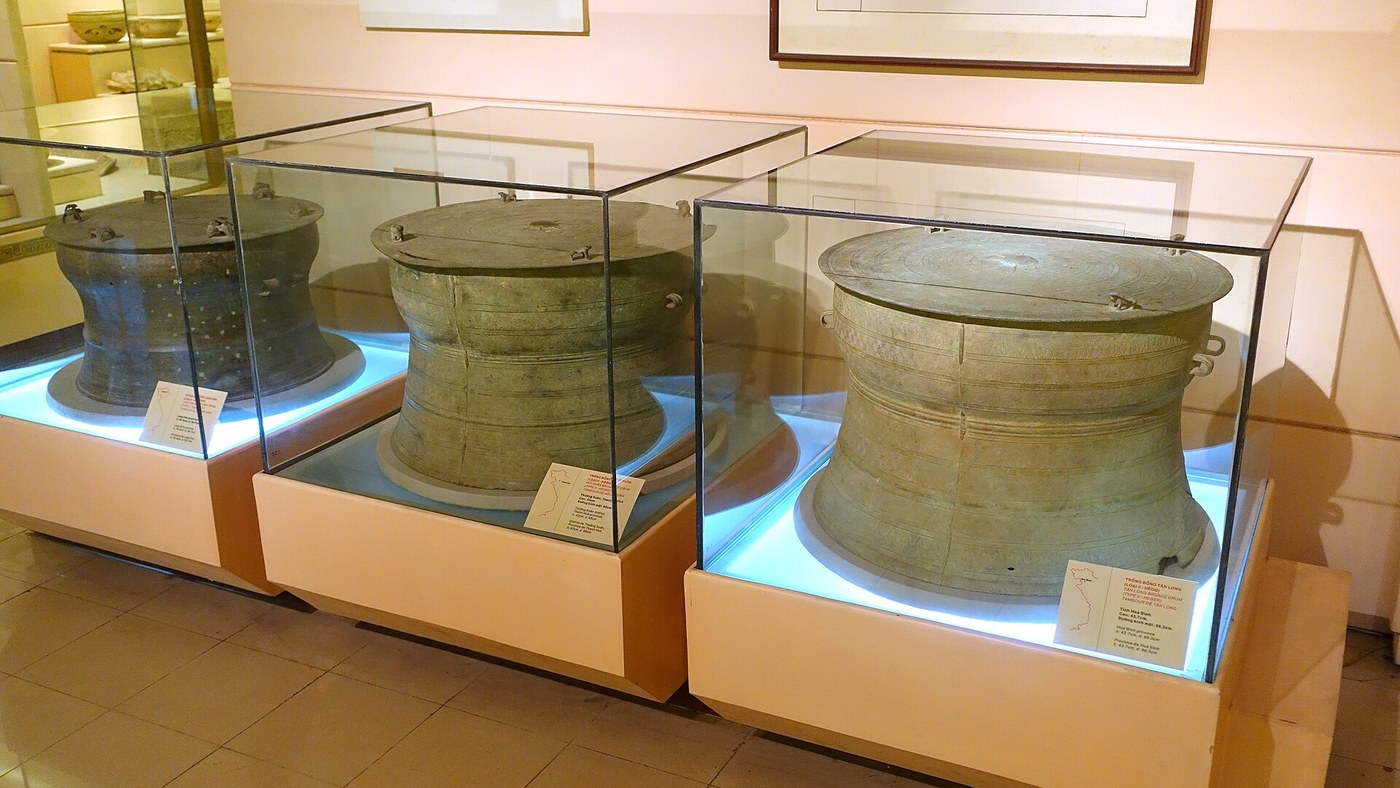
In the ancient section, bronze drums, tools, pottery, and jewelry help visitors recognize the metallurgy, production, and exchange skills of ancient residents. Moving to the dynasties, the system of stone stelae, statues, worship objects, currency, and royal utensils reveals changes in state organization and cultural life.
Do not try to read every label. An easier way to remember is to pick three questions: what is the artifact made of, what context was it used in, and what does it reveal about the people of that era. When traveling with young children, turn observation into a game of spotting birds, people, boats, or geometric patterns.
Opening hours and scheduling your visit
Current public information from the museum lists visiting hours from 8:00 to 12:00 in the morning and 13:30 to 17:00 in the afternoon, with closures on Mondays. Special exhibitions or holidays may alter schedules, so verify before your trip. Allocating about 90 minutes for one branch is reasonable; if visiting both, split them into two sessions to avoid information overload.
The Trang Tien area is convenient for walking from Hoan Kiem Lake. However, central sidewalks are often busy, and parking spots may change. Using public transport or asking security guards about authorized parking spots will save you time.
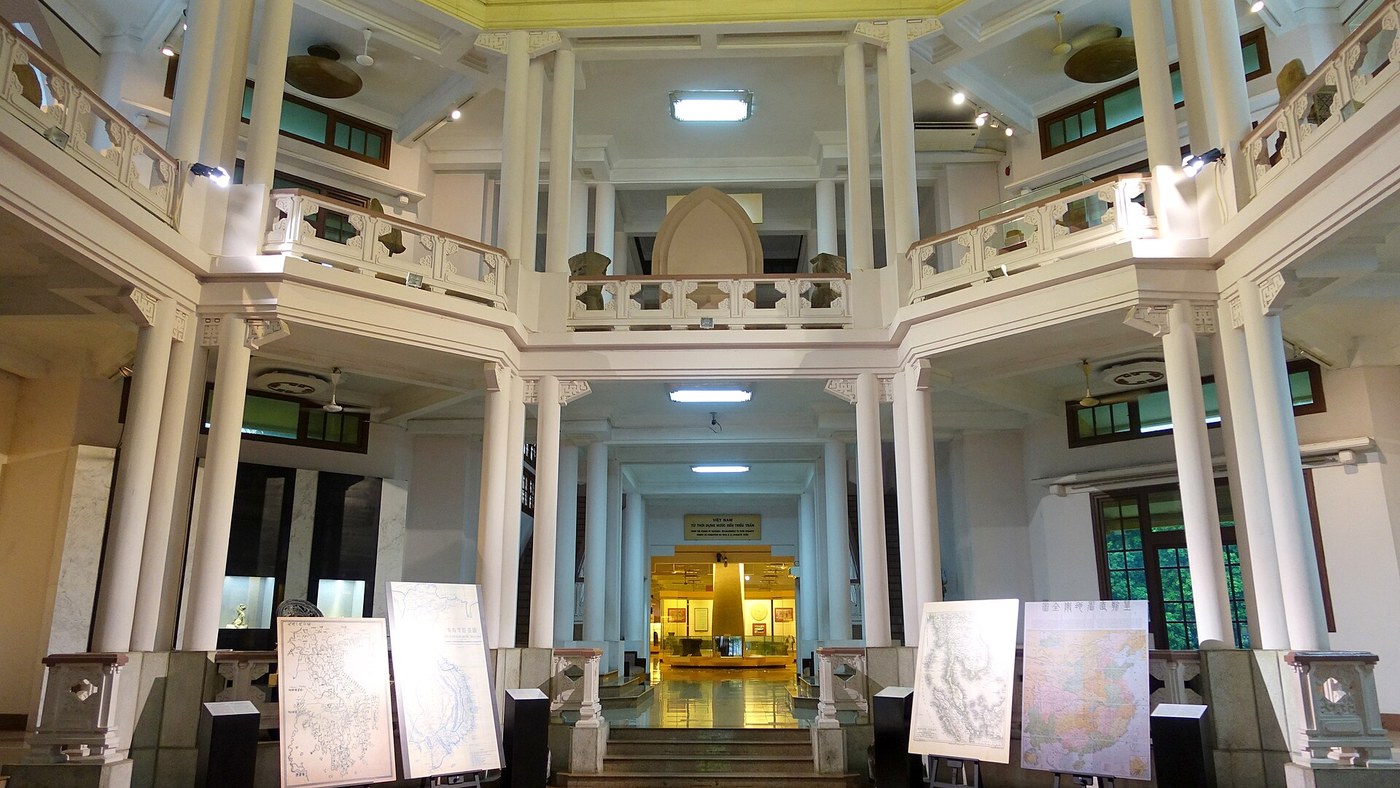
Museum rules to remember
- Do not touch artifacts, glass cabinets, or display platforms.
- Turn off flash photography and obey no-photography signs in designated rooms.
- Keep your voice low and do not block pathways while listening to audio guides or tours.
- Do not bring food or drinks into the exhibition rooms.
- Ask staff if you need to confirm walkways between floors or support services.
Frequently asked questions
Which branch should I visit first?
If you prefer archaeology and ancient history, start at No. 1 Trang Tien. If you are interested in modern, revolutionary, and contemporary history, prioritize No. 216 Tran Quang Khai.
Should I see both branches in one half-day?
It is possible, but it can be tiring and hard to retain details. One branch per session usually offers a better experience, especially when reading captions closely.