12 Beautiful Streams in Vietnam and Safety Tips for Travelers
From emerald waters winding through the limestone mountains of Cao Bằng to red-sand streams in Phan Thiết, Vietnam’s beautiful streams offer diverse landscapes. Some are ideal for sightseeing and boat rides; others are better suited for riverside walks; and certain spots feature swimming or kayaking activities that depend strictly on the season and water levels. This article prioritizes practical experiences and safety principles over mere photography angles.
Which season to visit streams and what to prepare?
The dry season is generally best for observing water colors and walking, though some streams may have lower water levels. Early rainy season brings greener scenery, but it also significantly increases the risk of slipperiness and flash floods. Never enter the water right after heavy rain upstream, when the water turns murky with floating debris, or when management closes the area.
- Good-grip, quick-drying shoes; avoid smooth-soled sandals for climbing rocks.
- Waterproof bags for phones, personal medication, and a dry change of clothes.
- Drinking water, compact snacks, and trash bags to pack out your waste.
- Properly fitted life jackets if swimming or boating; do not substitute with toy floats.
- Insect repellent and long-sleeved clothing for forest walks.
12 streams and stream clusters worth exploring
1. Mường Hoa Stream, Sa Pa
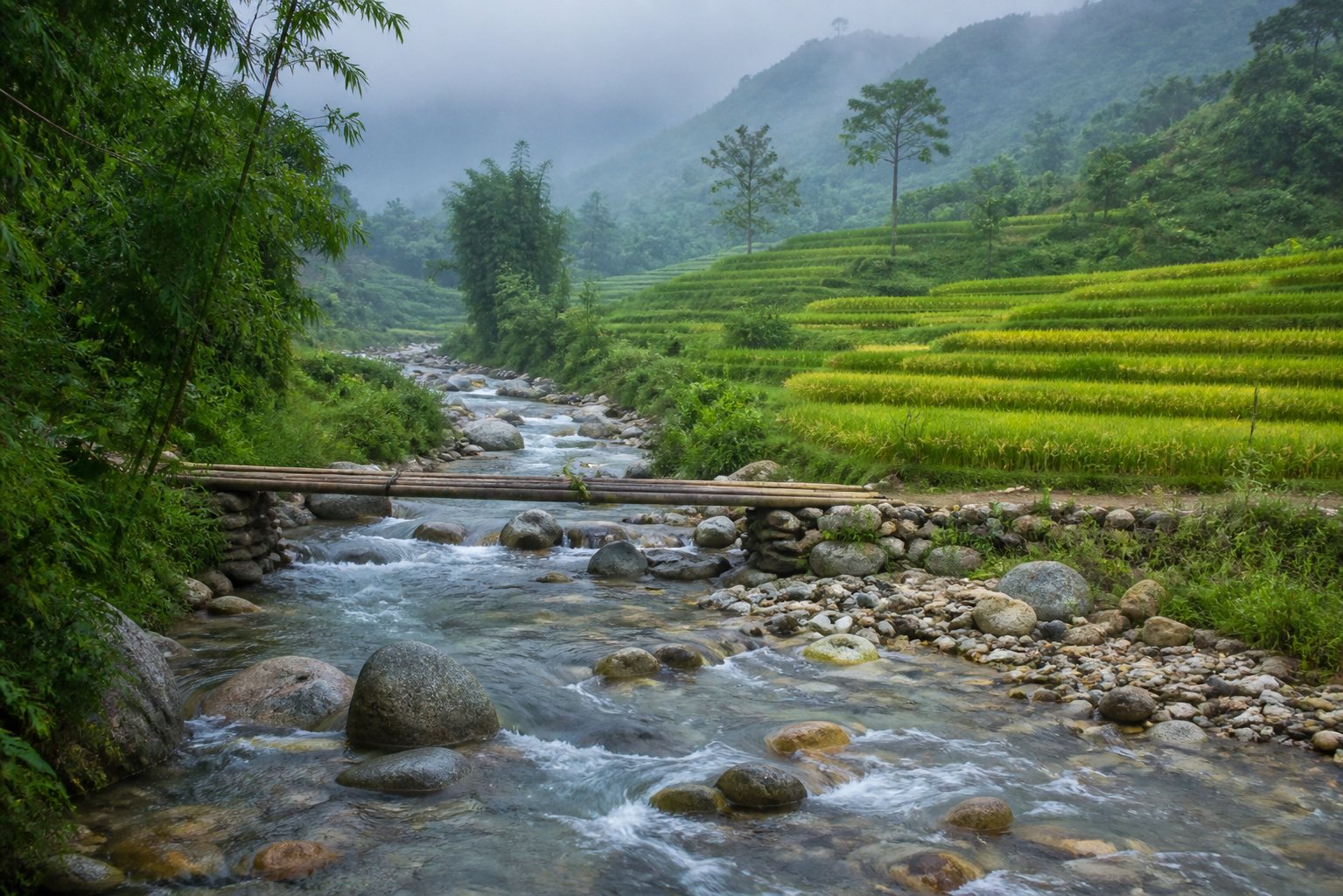
Mường Hoa Stream flows through valleys and local villages, creating scenery layered with terraced fields, small bridges, and mountains. The ideal experience is a village walking tour guided by locals. After rain, dirt and stone paths become very slippery; do not forge your own path down to the stream bank just for a photo.
2. Nậm Cang Cluster, Lào Cai
Nậm Cang features deeper forests, waterways, and ethnic minority villages compared to central Sa Pa. This is not a spot for rushing visits. Arrange suitable transportation, check road conditions, and respect the local community’s living space. Do not photograph residents, especially children, without permission.
3. Yến Stream, Hà Nội
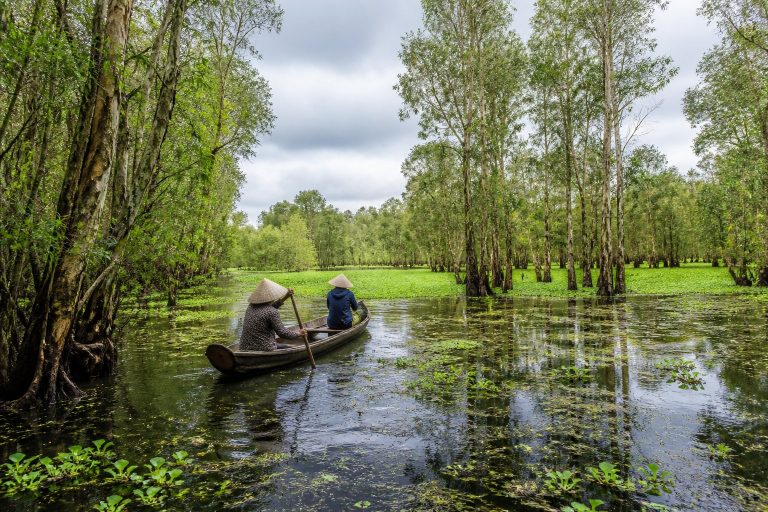
Yến Stream is tied to the Hương Pagoda tour route and is primarily explored by boat. Outside of the crowded festival season, the scenery can be much quieter; water lily blooming seasons vary by year. Always wear a life jacket, sit in balance, and do not stand up while the boat is moving.
4. Lê Nin Stream, Cao Bằng
The jade color of Lê Nin Stream depends on lighting, water levels, and weather. This is a historical site, not a swimming pool. Visitors should follow designated paths, refrain from feeding fish, avoid stepping over railings, and take time to learn about Pác Bó rather than just photographing the water surface.
5. Cẩm Lương Sacred Fish Stream, Thanh Hóa
The highlight here is the school of fish and the cultural lore of the local community. Do not catch, touch, or casually throw food into the water. The area can get crowded on weekends; arriving early makes observation and maintaining distance much easier.
6. Nước Moọc Stream, Quảng Bình
Nước Moọc is located in a limestone forest region, featuring clear blue water and seasonal outdoor activities. Tickets and designated swimming zones may change depending on water levels. Only join ziplining, kayaking, or swimming in currently operating areas, wear proper gear, and follow instructions from guides.
7. Ba Hồ, Khánh Hòa
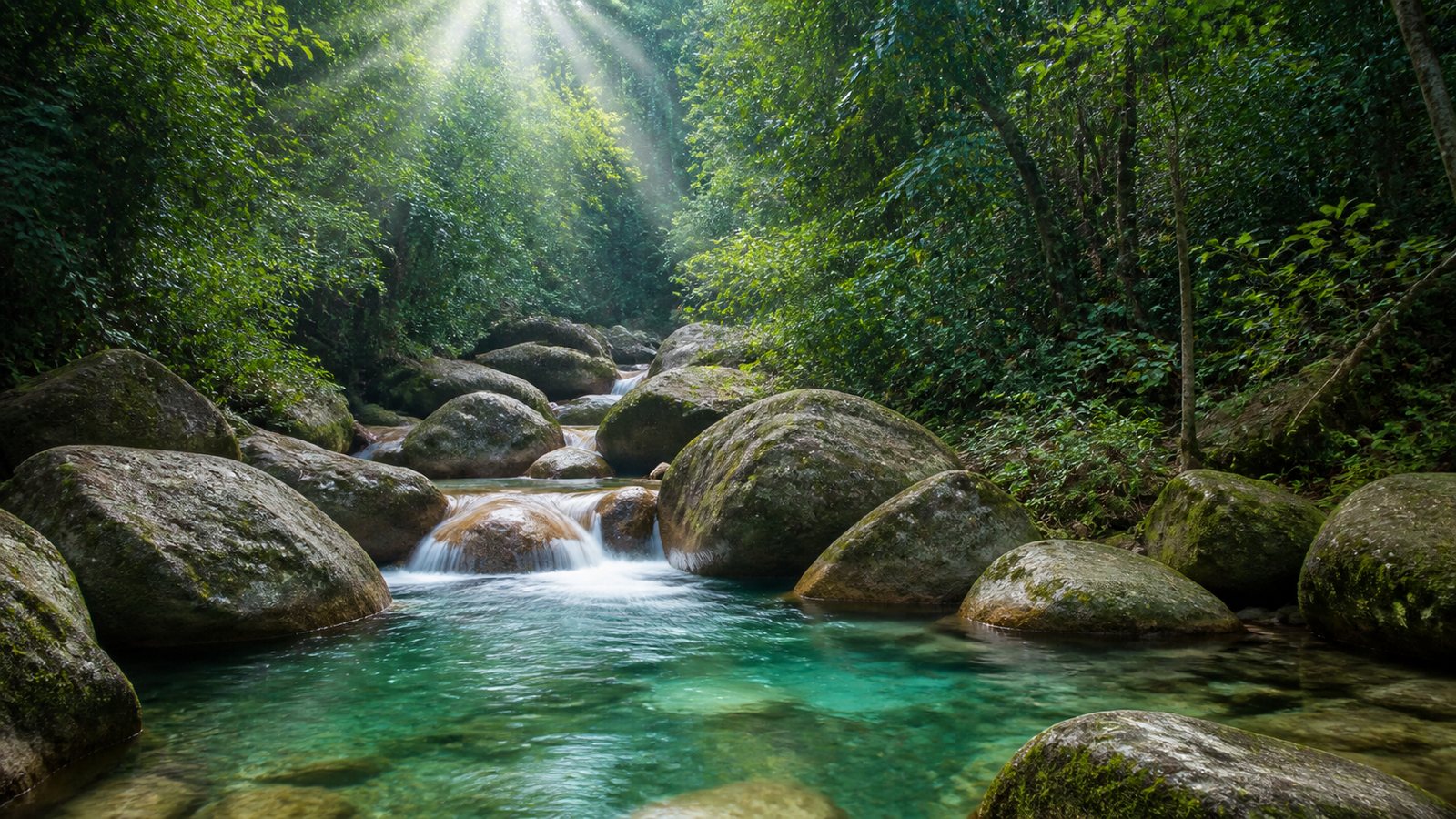
Ba Hồ consists of stream sections, pools, and large boulders, requiring more stamina than a typical swimming spot. Do not jump from cliffs if the area lacks monitoring staff or if you lack sufficient skills. Rain makes the rocks extremely slippery, so be ready to stop before reaching higher pools.
8. Tiên Stream and Đá Giăng, Khánh Hòa
These two spots offer a closer-to-nature experience, though access roads and services can vary. Confirm routes with locals, avoid visiting alone, and do not carry too many belongings. Calm-looking water sections can still be deep or conceal underwater rocks.
9. Suối Mơ and Suối Lương, Đà Nẵng
These locations are convenient for day trips, suitable for groups of friends or families if you choose managed zones. Before booking services, ask clearly which parts are natural landscapes and which belong to commercial businesses, what the price includes, and what food policies apply.
10. Tiên Stream, Phan Thiết
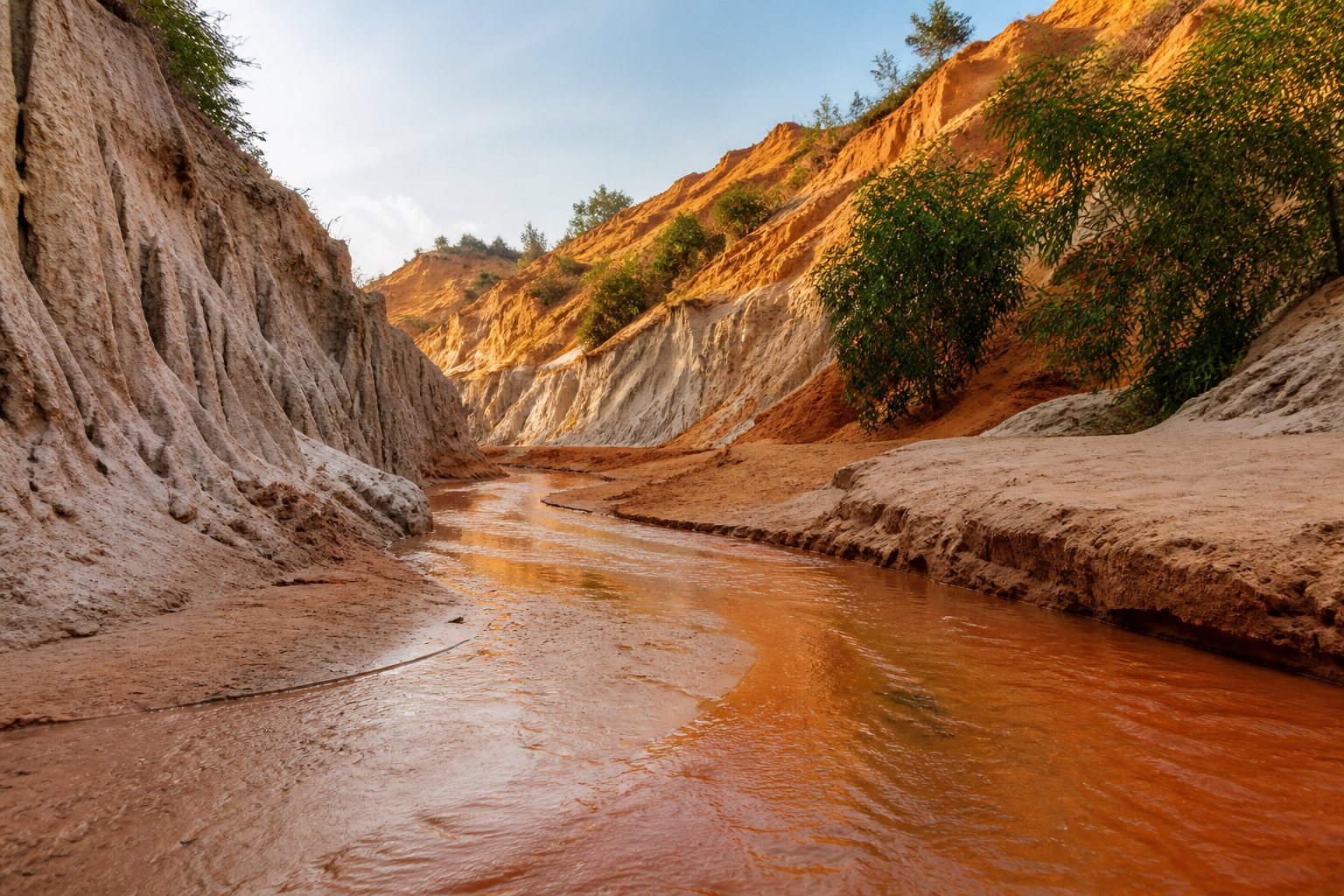
Tiên Stream in Mũi Né is a shallow stream flowing over a red sand bed, where the main activity is walking barefoot. The sand can become hot by midday, and the stream bed sometimes contains stones or sharp objects. Visit early in the morning, wear compact sandals, and wash your feet after finishing the route.
11. Tranh Stream, Phú Quốc
Tranh Stream typically has more attractive water flow during the rainy season, meaning checking upstream rainfall is critical. Do not climb mossy rock sections when the current is strong. If traveling with young children, stay in lower areas under continuous adult supervision and leave before late afternoon.
12. Đá Bàn Stream, Phú Quốc
Wide stone slabs give Đá Bàn its unique character, but they can easily breed complacency. Wet rock surfaces are often slicker than they look. Wear slip-resistant shoes, do not run or jump, and avoid sitting right next to strong currents. The dry season has less water, but access paths are generally easier to navigate.
Three concise itinerary styles
- Northern Mountains (4 days): Sa Pa, Mường Hoa, and Nậm Cang; reserve one buffer day for mist or rain.
- Quảng Bình – Huế – Đà Nẵng (5 days): pick one stream as your main focus rather than stacking multiple consecutive water activities.
- Phú Quốc (4 days): dedicate only half a day to Tranh Stream or Đá Bàn, leaving the rest for beaches and fishing villages.
Safety rules you should not ignore
- Check weather forecasts for both your destination and upstream regions.
- Never swim alone or drink alcohol before water activities.
- Never jump from rocks without knowing the water depth and bottom conditions.
- Turn back immediately if the water changes color, rises rapidly, or makes unusual loud roaring sounds.
- Do not take rocks, plants, or animals, and leave no trash behind.
If you want to try more challenging activities, check out the adventure travel guide and safety principles before choosing an organizer.