Where to Visit in Southern Vietnam in September? 12 Green & Flexible Spots
September in Southern Vietnam is still within the rainy season, but that doesn’t mean options are lacking. Trees are lush, rivers are fuller, and many ecological spots enter a vibrant phase. The key is choosing a flexible itinerary, prioritizing morning experiences, and always having an indoor backup plan for heavy rain.
If you want to visit the beach, close attention to day-of forecasts is necessary; if you like the Mekong Delta, this is when flooded landscapes, cajuput forests, and river life become fascinating. Below are 12 independent suggestions, not dependent on specific amusement parks or resort services.
What to note about Southern weather in September?
Rain usually comes in showers, sunny in the morning and raining in the afternoon, but there can also be prolonged spells. Temperatures are generally more pleasant than peak heat. On islands and coastal areas, wind and waves directly affect boats; in the Mekong Delta, water levels vary by location and year.
Don’t schedule based on the thought that “rain only lasts a moment.” Book services with reasonable change policies, use waterproof bags, and avoid taking boats when there are weather warnings.
1. An Giang – Cajuput forests and seasonal water rhythms
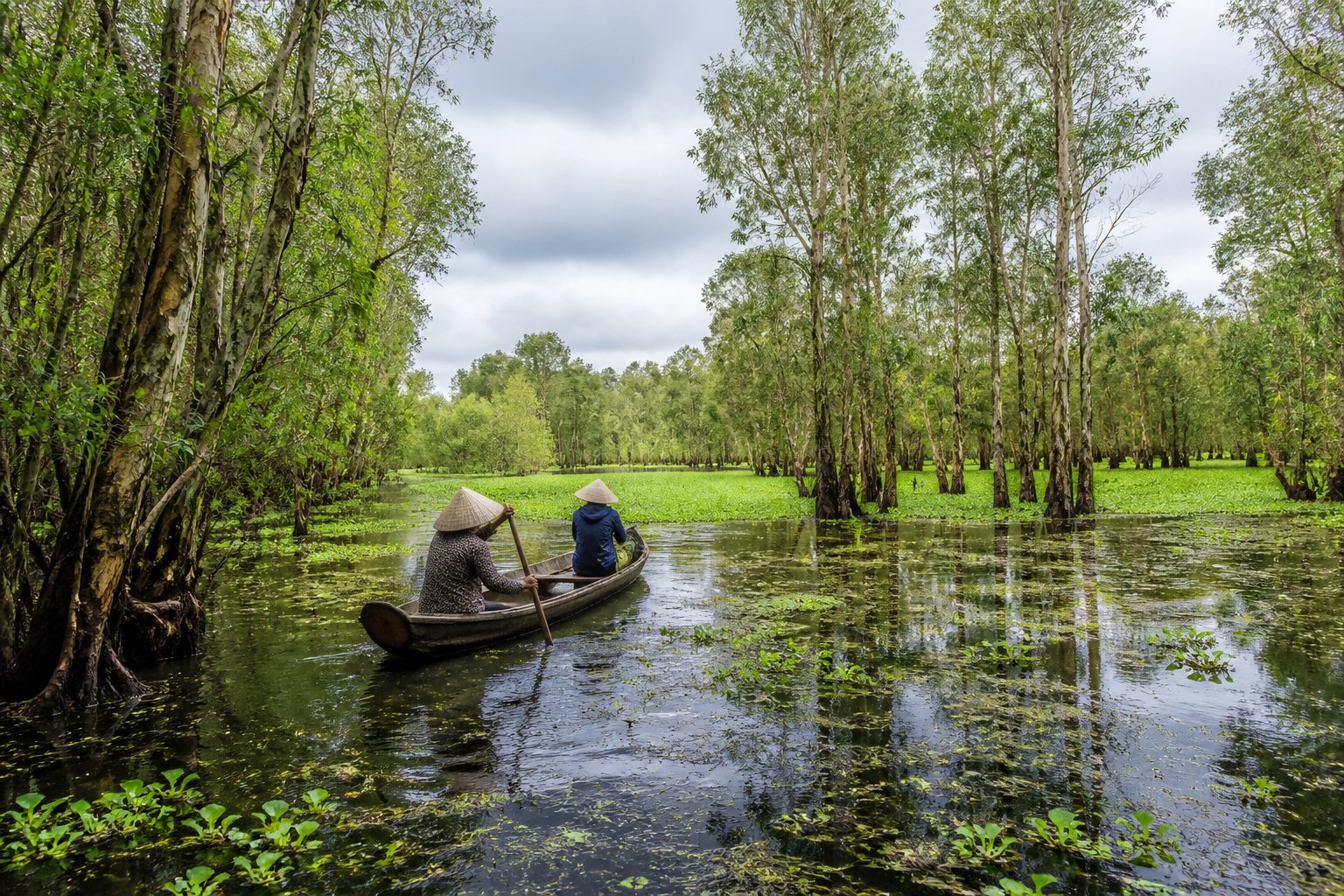
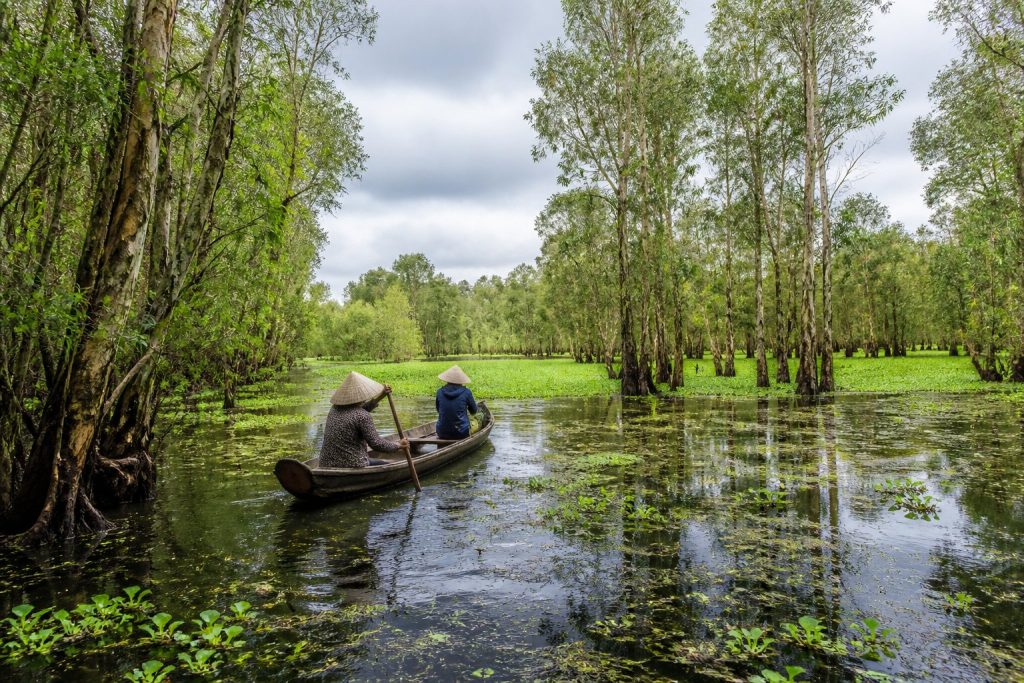
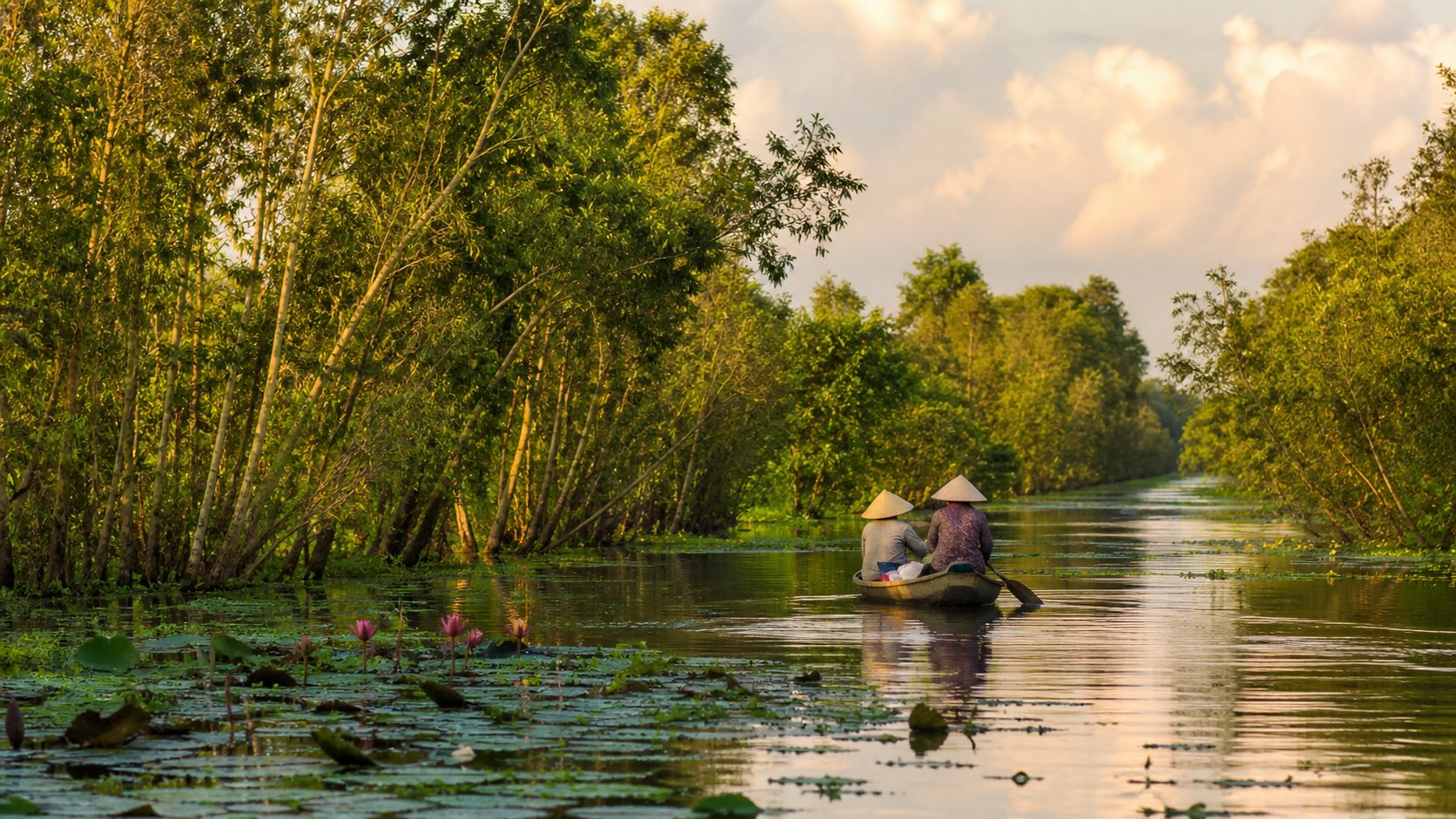
An Giang is a typical choice for a September journey. Tra Su Cajuput Forest, the Bay Nui region, and the cultural spaces in Chau Doc offer layered experiences. Boating in the forest requires following permitted routes, wearing life jackets, and keeping quiet in bird habitats.
2. Dong Thap – Lotus fields, countryside, and wetlands
Dong Thap suits slow travel: viewing lotus flowers, learning about agriculture, enjoying local dishes, and visiting eco-farms. Lotus flowers do not always bloom as densely as promotional photos, so check actual conditions before traveling far just to photograph blooms.
3. Can Tho – Floating market and early morning cuisine
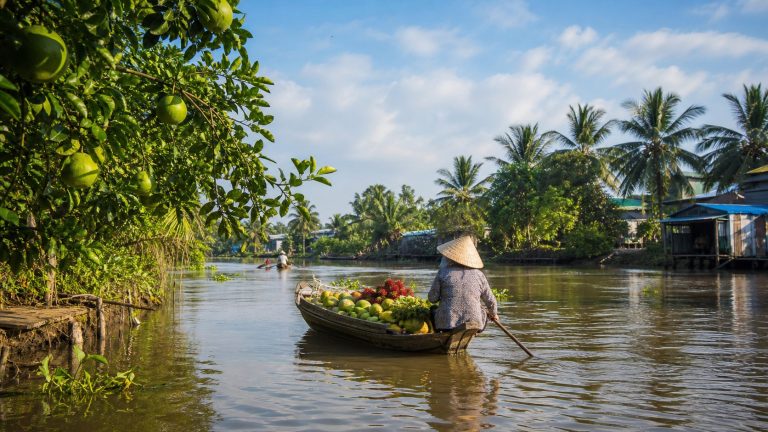
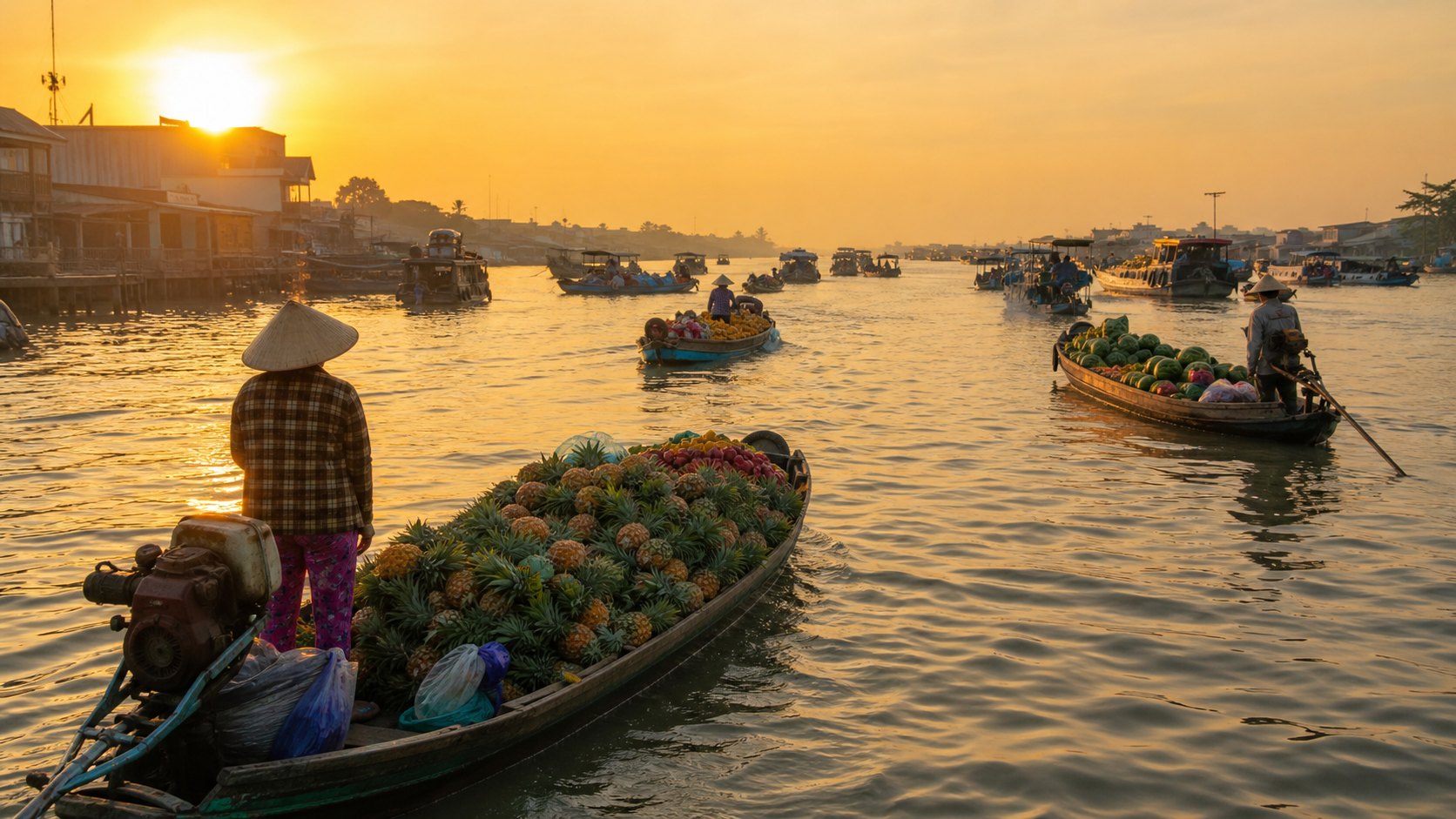
Cai Rang Floating Market operates early, so sleep near the pier and depart at dawn. The most valuable experience is not just taking photos but observing river commerce and eating breakfast on a boat. Choose a boat with enough life jackets for everyone and avoid crowding to one side to record videos.
4. Long An – Cajuput forests near Ho Chi Minh City
Tan Lap Floating Village and Long An’s ecological areas suit short trips. Boardwalks through the forest, water surfaces, and vegetation create a feeling of escaping the city without traveling too far. After rain, wooden paths can be slippery; grip-soled shoes and a thin raincoat will be useful.
5. Ca Mau – Mangrove forests and the southernmost point
Ca Mau suits those wanting to explore mangrove ecosystems, coastal culture, and local food. The distance is quite long, so allocate at least two to three days rather than making a rushed round trip. Small boats entering the forest must be chosen according to weather conditions and local guidance.
6. Tra Vinh – Khmer culture in a green space
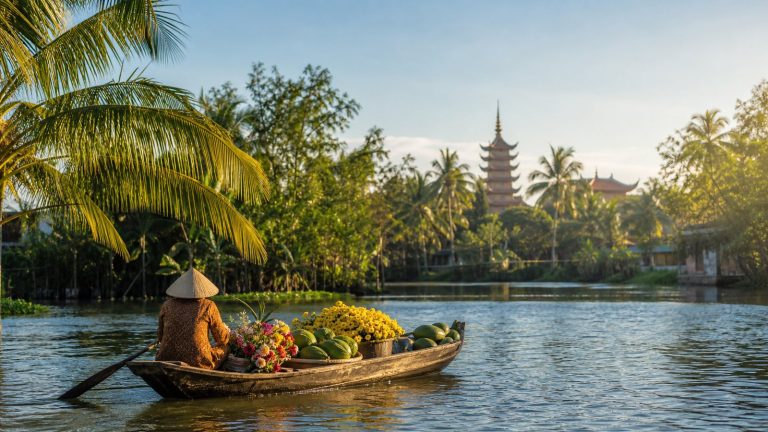
Tra Vinh features many pagodas, ponds, ancient tree-lined roads, and distinct Khmer cultural life. When entering places of worship, dress modestly, speak softly, and ask permission before photographing people or rituals. A guided local exploration helps one understand properly rather than just looking at architecture.
7. Bac Lieu – Architecture, longans, and regional stories
Bac Lieu combines old houses, religious sites, coastal landscapes, and cuisine. Longan orchards have different harvest seasons so contact them in advance. With wind farms or coastal areas, avoid standing in restricted locations and watch out for harsh sun after rain.
8. Vinh Long – Orchards and riverside village paths
Vinh Long fits slow country retreats, cycling small paths, visiting orchards, and talking with locals. Choose experiences with clear listed prices, ask beforehand what is included in tickets, and do not pick fruit without the owner’s permission.
9. Tay Ninh – Religious structures and mountain
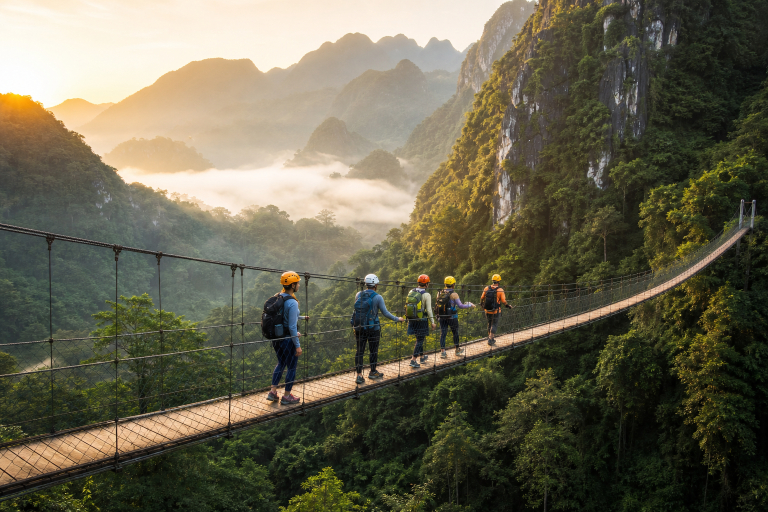
Tay Ninh features the Cao Dai Holy See, lakes, and mountain exploration routes. September can bring rain, so trekking should only be done when paths are safe and with someone who knows the route. Do not enter steep, slippery, or landslide-warning areas just to catch a check-in spot.
10. Ho Chi Minh City – A weather-independent option
When prolonged rain is forecasted, Ho Chi Minh City is an easy fallback thanks to museums, exhibitions, eateries, and urban architecture. Outdoor activities can be scheduled for the morning, keeping afternoons for indoor spots and avoiding long-distance travel during heavy rain hours.
11. Vung Tau – A nearby beach trip needing wave checks
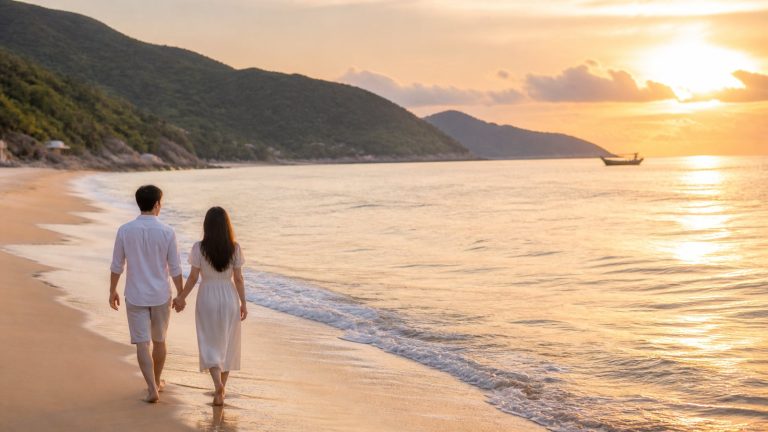
Vung Tau is convenient for a short break. September still has nice days for beach walks and seafood, but swimming must follow warning flags and lifeguard instructions. Do not enter the water during high waves or right after thunderstorms.
12. Phu Quoc – Only go with a highly flexible itinerary
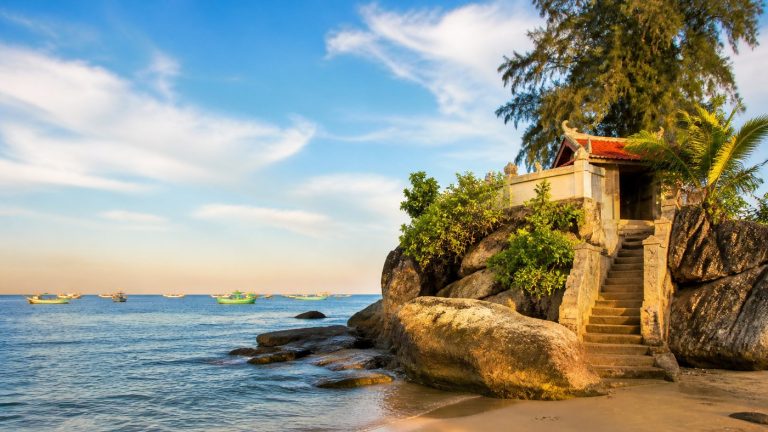
September in Phu Quoc still holds chances of rain and choppy seas. The plus points are green spaces and sometimes fewer crowds, but boat tours can change or cancel. If choosing the island, prepare enough land activities, avoid tight connecting schedules, and prioritize tickets with flexible conditions.
4-Day Itinerary Suggestion
- Day 1: Arrive in Can Tho, walk along the river, and have local dinner.
- Day 2: Early morning floating market, then move to An Giang.
- Day 3: Explore the cajuput forest and Chau Doc cultural space.
- Day 4: Light morning sightseeing, return before afternoon rain.
What to prepare for a September trip?
- Compact raincoats, waterproof bags, and quick-dry shoes.
- Personal medication, insect repellent, and a change of clothes.
- An itinerary with at least one indoor backup plan.
- Buffer time for boats, vehicles, and flights.
- Check forecasts, water levels, and local notices close to departure dates.
September is not the time to run through many spots in the Southern region. Choosing a close cluster, leaving time open for rain, and prioritizing organized river experiences will make your trip both interesting and safe.