Adventure Travel in Vietnam: 10 Experiences and Safety Rules
Adventure travel does not mean being reckless. The appeal of this type of travel lies in stepping out of your comfort zone within a managed risk environment, using proper equipment and accompanied by qualified guides. A truly memorable experience must end with everyone returning safely.
Vietnam features diverse landscapes including mountains, caves, rivers, waterfalls, and a long coastline, offering a wide range of choices. Below are 10 popular activities, suggested locations, and core principles to know before participating.
What is Adventure Travel?
This is a group of activities combining physical exertion, natural environments, and elements of challenge. Levels can range from light guided hikes to intensive cave exploration or scuba diving. Risks vary depending on weather, terrain, health, skills, and how the activity is organized.
Beginners should not choose an activity simply because of attractive photos online. Start at a basic level, state your health condition clearly, read safety procedures, and be ready to stop if actual conditions are unsuitable.
10 Adventure Experiences Worth Considering
1. Mountain Trekking
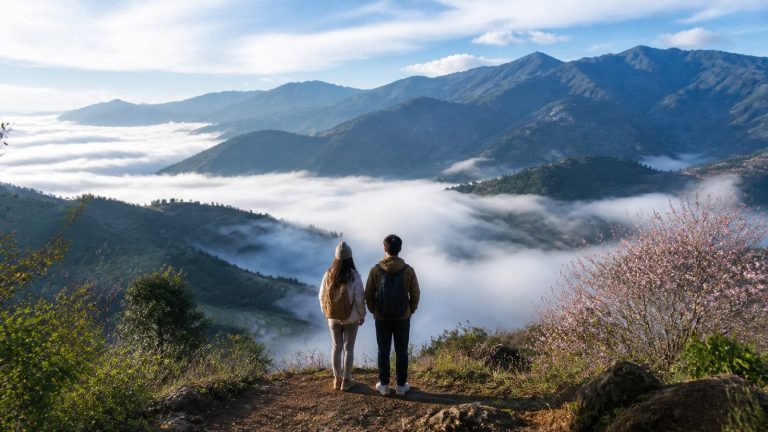
Sa Pa, Ha Giang, Moc Chau, and many other mountainous areas in Northern Vietnam offer walking routes ranging from easy to difficult. Beginners should choose short day hikes with offline maps and a local guide. Good grip shoes, a raincoat, water, snacks, and a warm layer are basic items. Do not separate from the group to take photos on steep or foggy slopes.
2. Cave Exploration
Quang Binh is famous for its cave systems offering multiple levels of experience. General tours and intensive expedition tours differ significantly in terms of physical fitness, duration, and equipment. Only go with operators permitted to operate on those routes; do not cross barriers, swim into caves unauthorized, or touch and damage stalactites.
3. Kayaking
Kayaking is suitable for calm waters in Ha Long, Cat Ba, lakes, or enclosed bays. Before entering the water, wear a life jacket, check the paddle, learn how to board and exit the boat, and maintain distance from large vessels. Shifting winds can make the return trip harder than expected, so you must stay within the instructor’s designated range.
4. Scuba Diving and Snorkeling
Nha Trang and Phu Quoc offer diving spots suitable for various skill levels. Those without a certification should choose introductory experiences with a trainer, avoid diving deep on their own, and refrain from flying immediately after a diving session as professionally recommended. Do not touch or stand on coral reefs, or chase marine life for photos.
5. Paragliding
Paragliding heavily depends on wind, visibility, and terrain. At organized flying spots in the North, Da Nang, or other suitable areas, beginners should only fly in tandem with capable pilots using inspected equipment. Postponing a trip due to bad weather is a sign of standard safety protocols, not poor service.
6. Ziplining
Ziplining delivers a sense of speed while requiring strict procedures. Observe whether staff members check safety harnesses, locks, helmets, and weight limits. Never detach your equipment yourself, carry loose items that easily fall, or participate while under the influence of stimulants.
7. Guided Canyoning
Da Lat and certain highland regions offer combined activities of walking, watersliding, or rappelling. This is not an activity to try on your own. Water flow changes rapidly after rain, so operators must assess daily conditions. Individuals with heart conditions, joint issues, or a fear of water should discuss this in advance.
8. Flyboarding and Water Sports
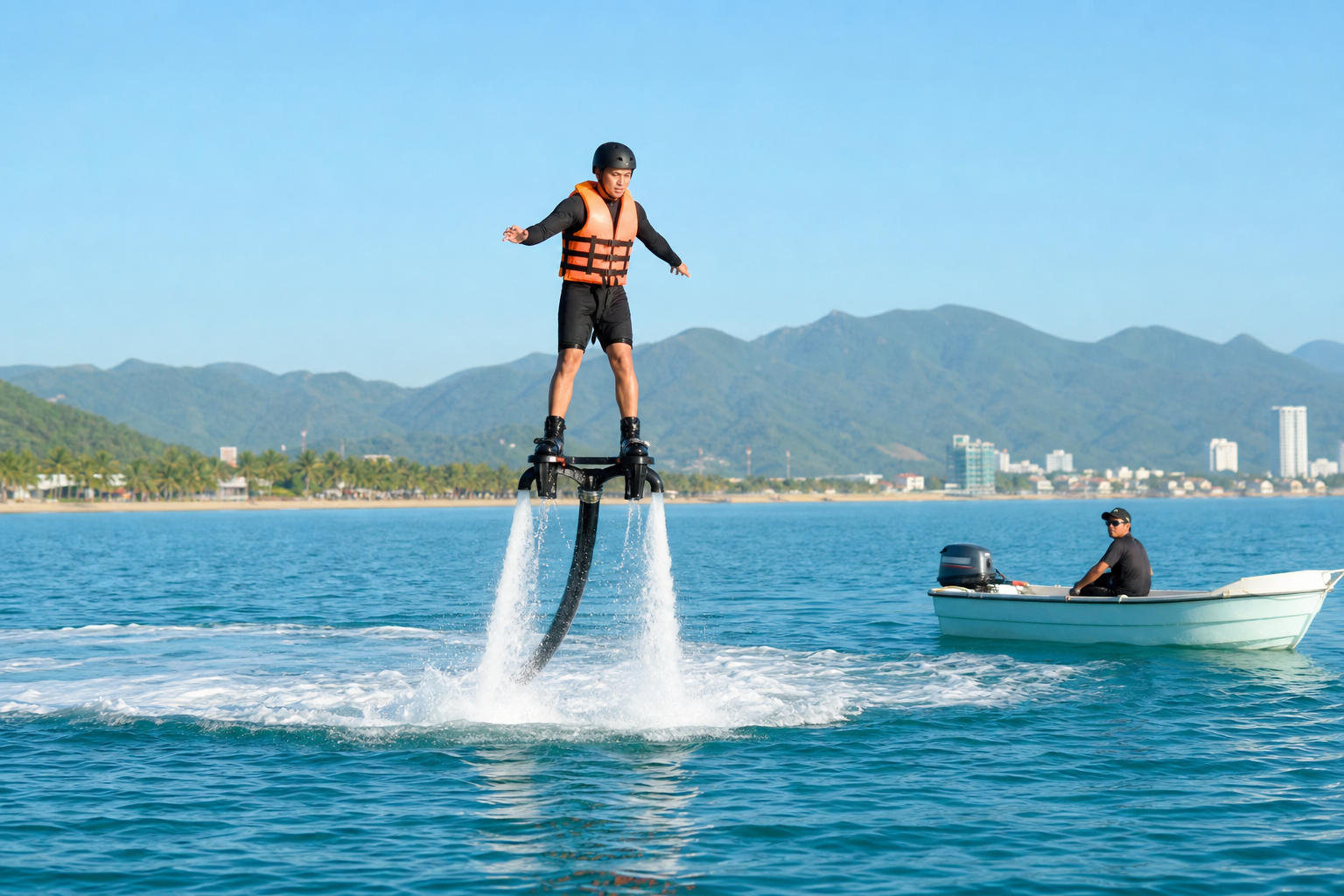
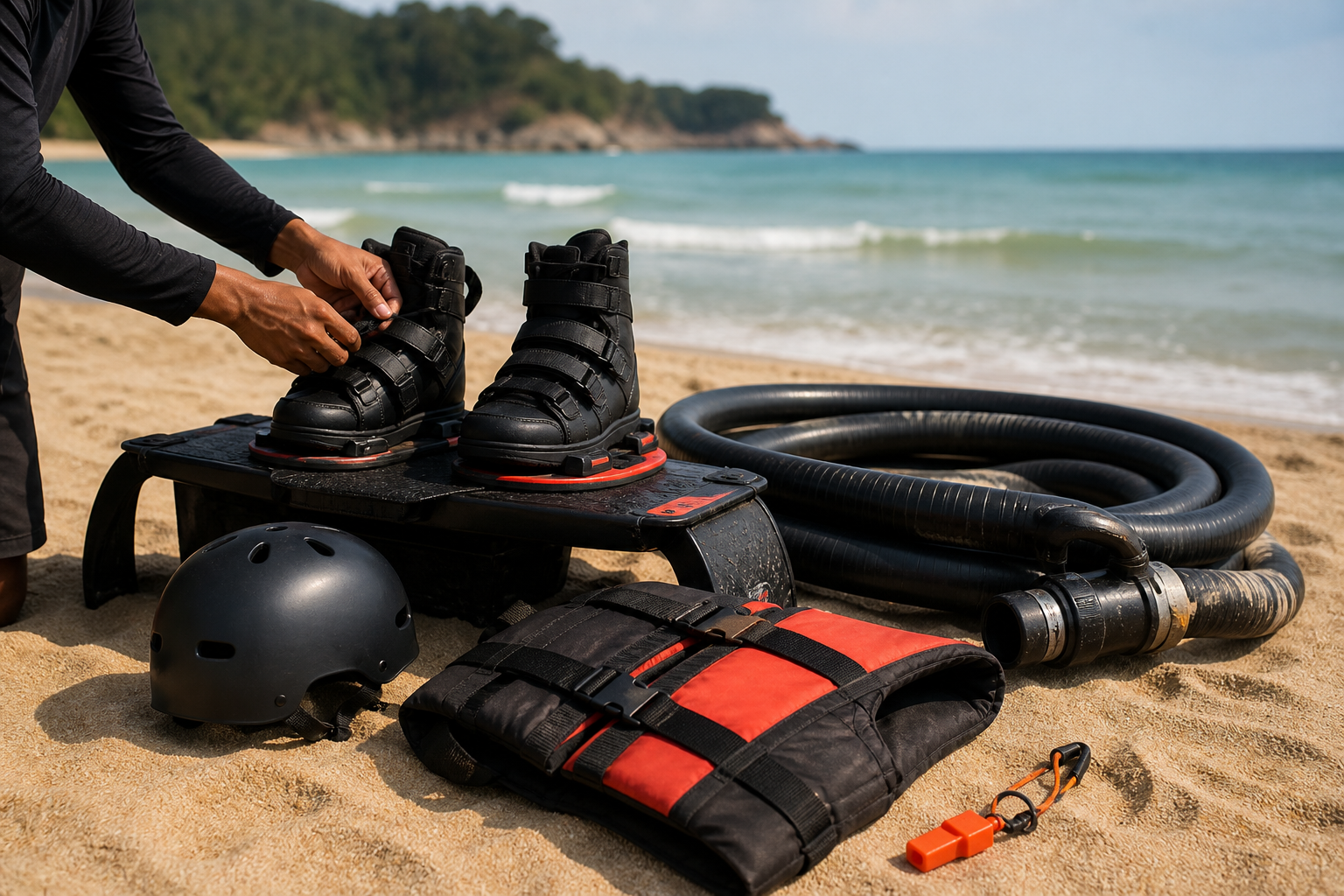
Flyboarding uses water propulsion to lift players above the sea surface. Beginners must be instructed on posture, signaling, and safe falling techniques within a controlled water zone. Life jackets, helmets, and gear must fit properly; avoid crowded boat areas and do not rush to increase height too soon.
9. Camping and Outdoor Overnight Stays
Camping in mountains, by lakes, or on beaches provides a sense of freedom but requires respecting local regulations. Check permitted sites, water sources, rain and wind forecasts, and evacuation routes. Do not light fires when there is a fire warning, do not leave food out that attracts wildlife, and pack out all your trash.
10. Ropes Courses and High-Wire Paths
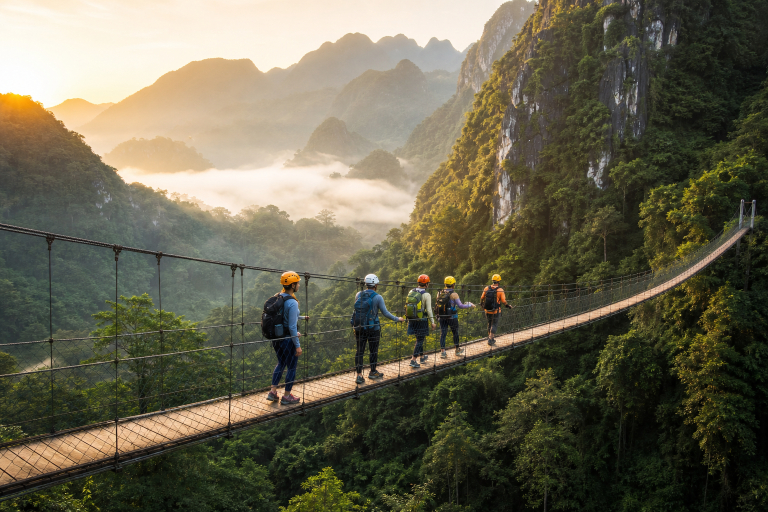
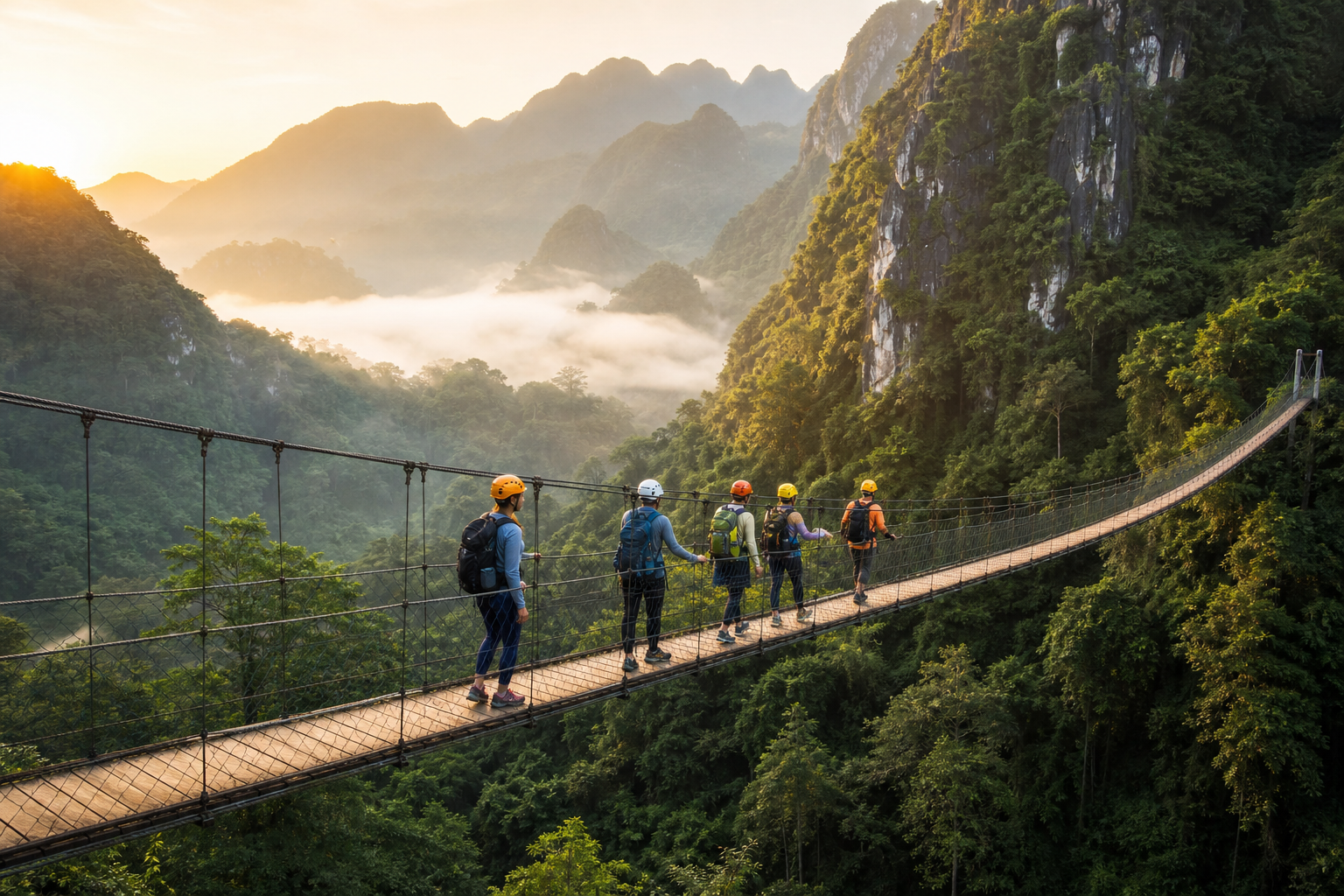
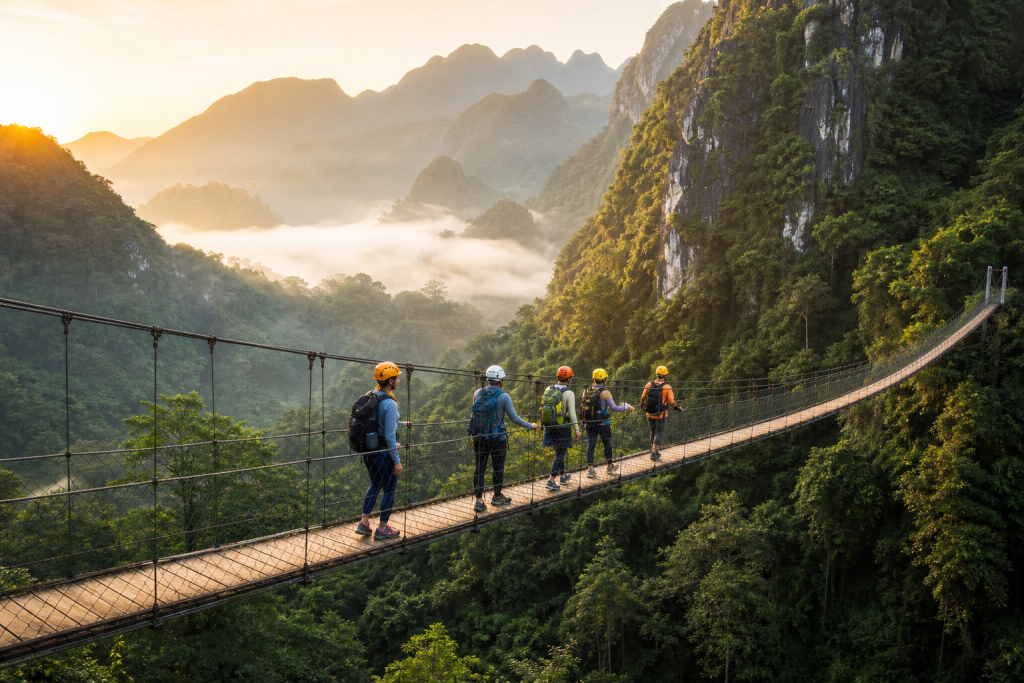
High ropes challenge courses are great for getting used to heights in a controlled environment. Safety lines must be clipped to the correct anchor points, participants must keep their distance, and all instructions should be followed. If you feel dizzy or panicked, report it immediately; do not try to finish just because the group is waiting.
7 Safety Rules Before Participating
- Assess your fitness accurately: clearly state underlying health conditions, injuries, swimming abilities, and previous experience.
- Choose transparent operators: check licenses for regulated activities, guide experience, rescue plans, and insurance.
- Check local forecasts: weather in mountains and coastal areas can differ from city centers; final decisions must rely on actual conditions.
- Inspect equipment: helmets, life jackets, harnesses, locks, and shoes must be properly sized and undamaged.
- Avoid alcohol: reflexes and risk assessment skills drop significantly under the influence of stimulants.
- Stay connected: inform relatives of your itinerary, carry communication devices, and bring backup batteries when traveling to remote regions.
- Allow yourself to stop: fatigue, pain, panic, or bad weather are all valid reasons to cancel an activity.
Packing Right and Light
Supplies depend on the activity, but a basic kit generally includes quick-dry clothing, a warm layer, a raincoat, proper shoes, water, snacks, personal medication, sunscreen, a waterproof pouch, and a small first-aid kit. Technical gear such as ropes, locks, diving tanks, or parachutes must be provided and checked by professional operators; never use gear with an unknown history just to save money.
Is Adventure Travel Suitable for Children?
Some activities offer family-friendly versions, but age, height, and weight limits vary. Parents need to choose operators with dedicated zones, direct supervision, and rapid stop procedures. Do not force children to participate if they are terrified; a safe and positive experience matters more than a completed challenge photo.
Conclusion
Adventure travel is worthwhile when challenges are met with proper preparation. Choose a manageable fitness level, trustworthy guides, reliable equipment, and always prioritize safety decisions over the schedule. True conquering comes from understanding limits and mastering the experience, not gambling with risk.