Why Travel Matters: 12 Practical Benefits and Trip Prep
A trip does not automatically solve all life’s pressures, but with proper preparation, it can offer a valuable break, broaden your experiences, and create new connections. The benefits of travel do not lie in traveling far away; sometimes just changing your environment for a single day is enough to reevaluate your pace of life.
Below are 12 common practical benefits along with how to prepare so your trip remains relaxing, safe, and free from becoming a new source of stress.
12 Practical Benefits of Traveling
1. Breaking Out of Repetitive Routines
Changing your environment gives your brain new signals: a different street, different sounds, and a different way to use your time. A short break from daily work can help you return with a refreshed sense of clarity. The key is not to turn your trip into a tight schedule running from morning until night.
2. Understanding Your Personal Preferences
When you choose your own accommodation, meals, and activities, you gradually realize whether you suit the beach, mountains, city, or countryside; whether you prefer moving slowly or continuous exploration. These small insights make future trips less costly and better suited to your needs.
3. Practicing Planning Skills
An itinerary requires balancing time, budget, transportation, and health. The process of comparing options, preparing for risks, and adjusting when changes occur is a practical exercise in organizational skills.
4. Increasing Adaptability
Missed transport, sudden rain, closed restaurants, or altered schedules are common situations. Learning to calmly find alternative solutions helps you become more flexible. However, adapting does not mean accepting safety risks.
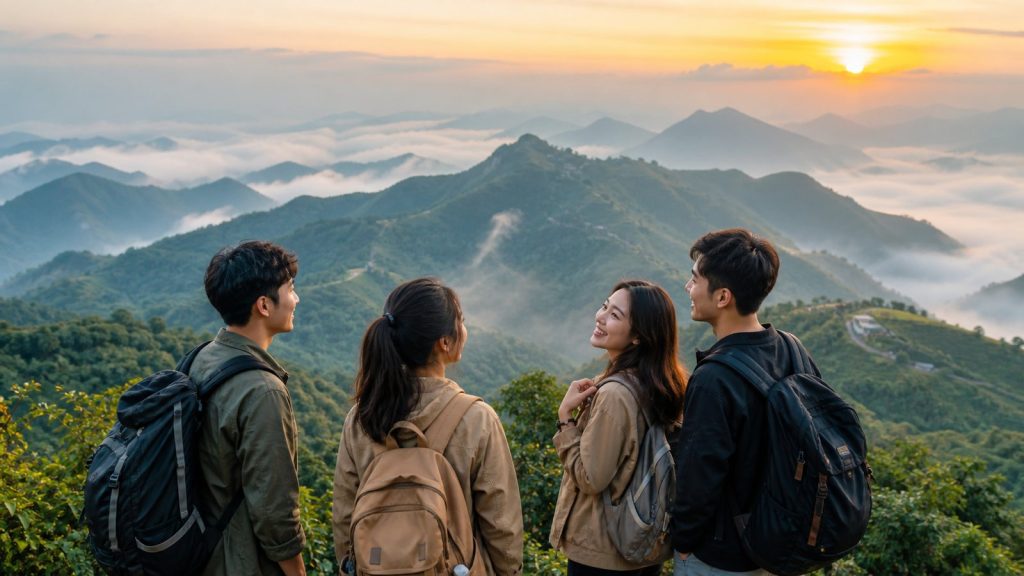
5. Broadening Cultural Understanding
Cuisine, language, beliefs, architecture, and local lifestyles all tell part of a region’s story. Responsible travel begins with observation and respect, without treating local lives merely as a photographic backdrop.
6. Connecting with Travel Companions
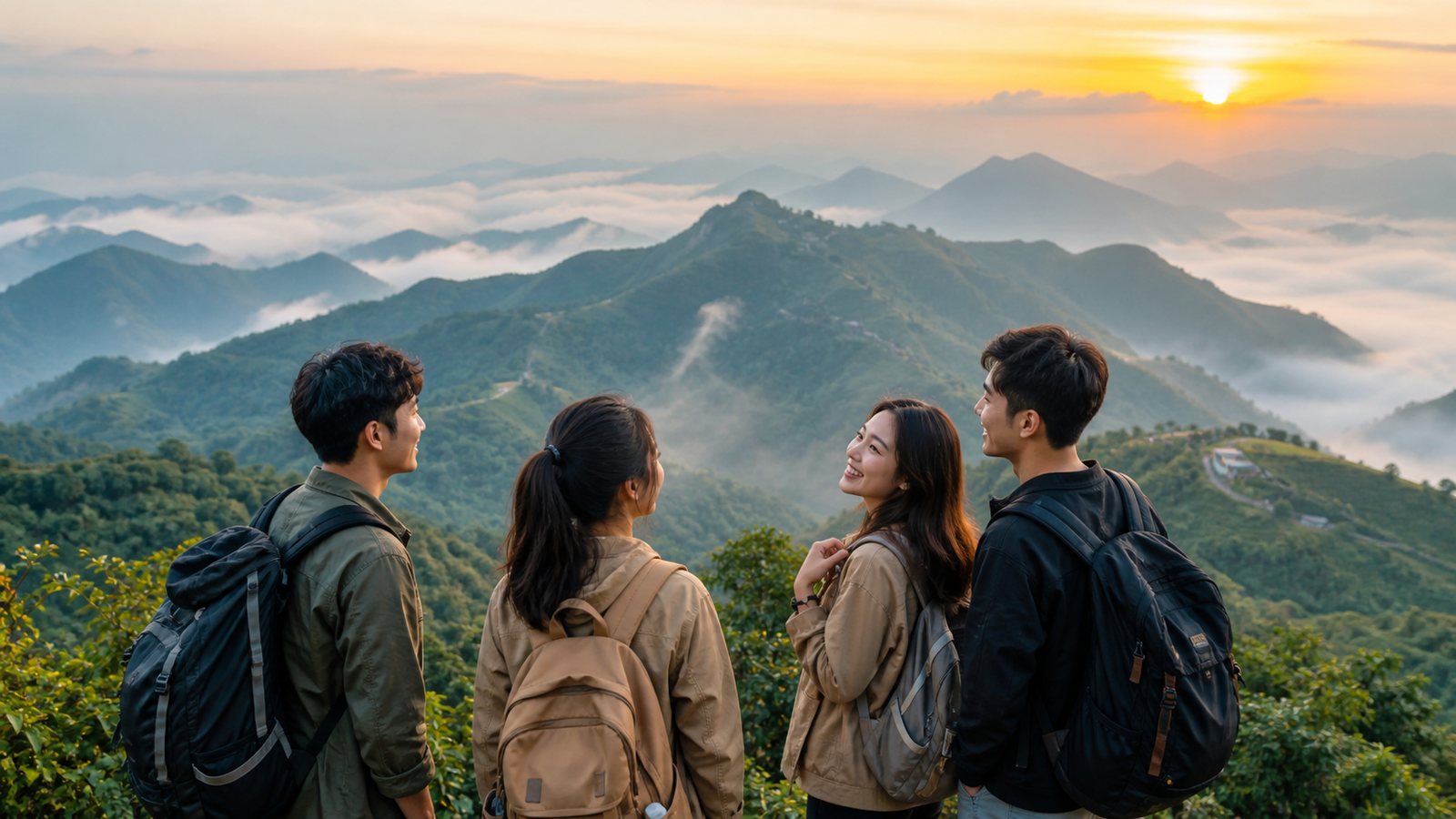
Choosing routes together, sharing meals, and handling situations create more opportunities for conversation than daily life does. To prevent friction during the trip, groups should agree in advance on budgets, rest times, and activities each person can do separately.
7. Creating Natural Opportunities for Exercise
Walking tours, gentle cycling, or exploring nature help your body stay active without feeling like a forced workout. Activity levels should match your physical condition; those with health issues should seek professional advice before undertaking strenuous journeys.
8. Learning Budget Management
Travel clearly highlights the difference between needs and wants. Setting limits on lodging, dining, transportation, and shopping makes decision-making much easier. A small contingency fund helps avoid cutting into essential needs when changes arise.
9. Boosting Moderate Self-Confidence
Asking for directions, using new modes of transport, or completing a hiking trail can build a sense of self-reliance. For first-time solo travelers, it is best to start with a nearby destination that has clear transit and to always share your itinerary with family.
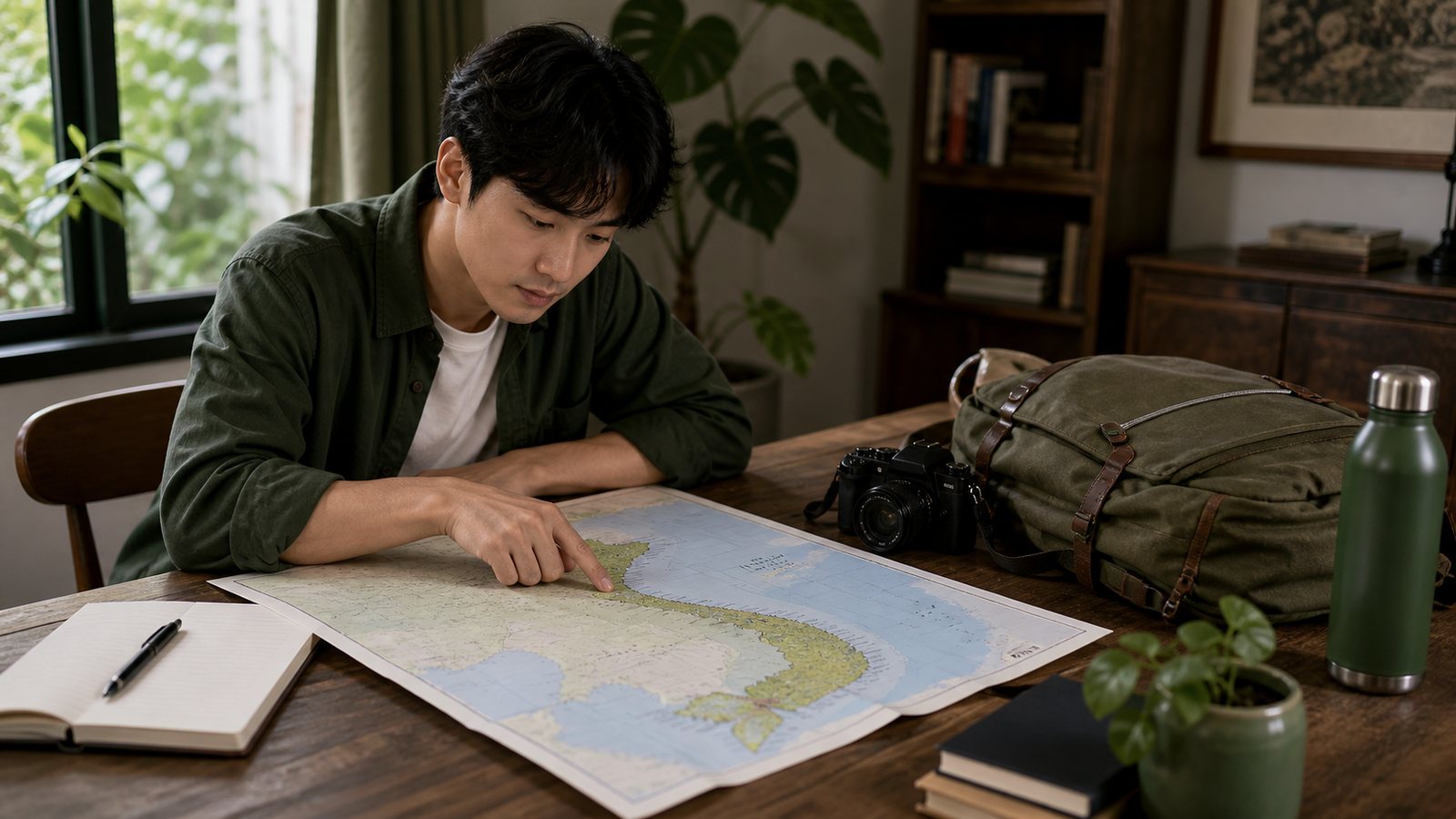
10. Stimulating Curiosity and Creativity
A food presentation style, building materials, or local historical stories can all spark new ideas. There is no need to force yourself to be “creative” on a trip; simply take time to observe without constantly looking at a screen.
11. Creating In-Depth Memories
The most lasting memories usually come from simple moments: a rainy morning breakfast, a time the group took the wrong turn, or a conversation with a local. Taking enough photos and then putting your phone away helps you truly be present in the experience.
12. Nurturing a Sense of Destination Preservation
When you see the beauty and fragility of forests, oceans, or heritage sites firsthand, many people find the motivation to live more responsibly. This should be reflected in concrete actions: no littering, no taking specimens, respecting wildlife, and prioritizing transparent local services.
What to Prepare for a Trip
Define the Purpose of Your Trip
Before booking services, answer three questions: Do you want to rest or explore? How many days do you have? What is your maximum budget? If the goal is rest, choose just a single accommodation and a few light activities. If you want to explore, prioritize a seamless transit route.
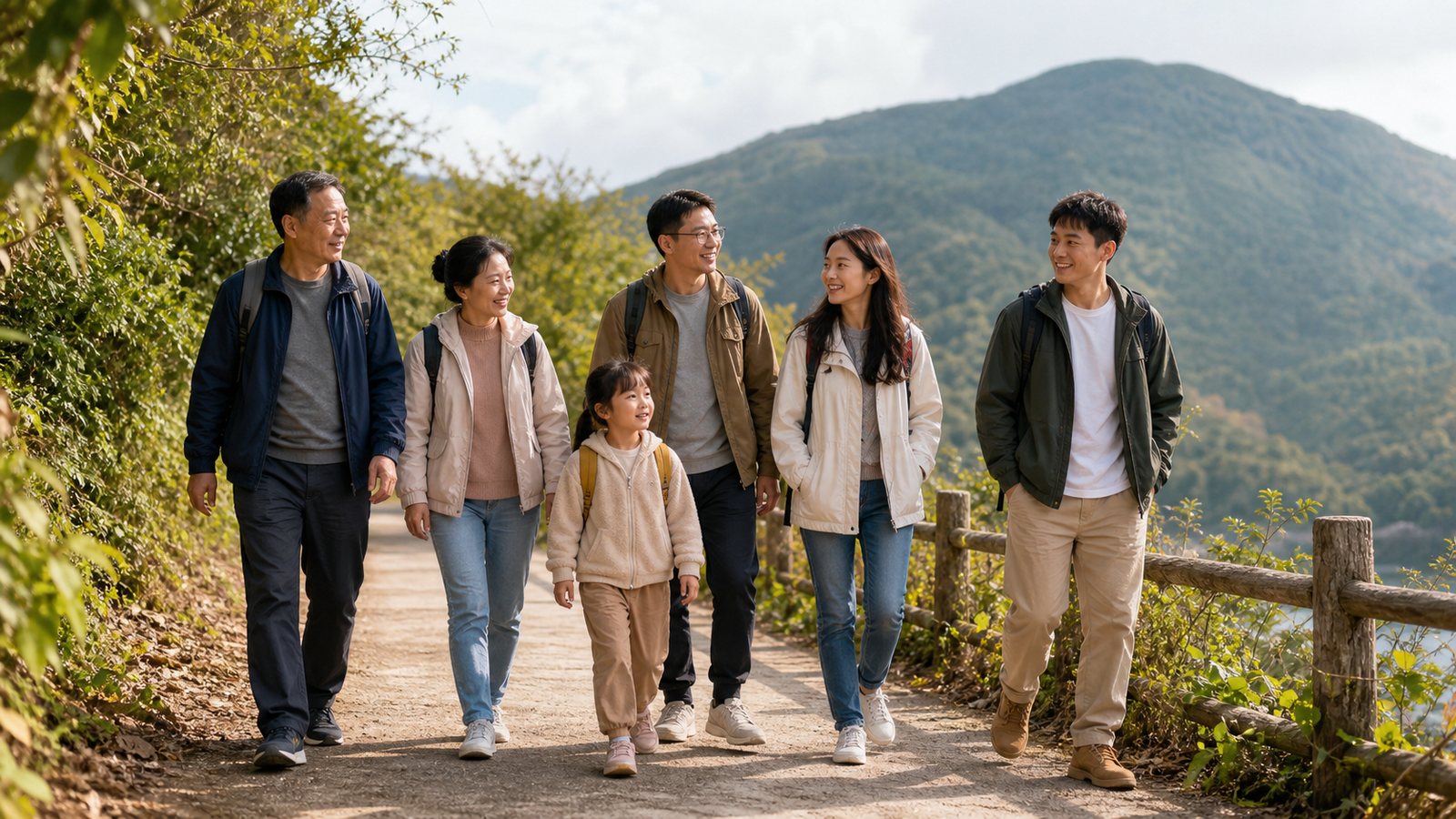
Create a One-Page Plan
The plan only needs transportation details, accommodation info, two main activities per day, the nearest medical address, and important contact numbers. Save an offline copy on your phone and send one to a relative. Avoid tight schedules because weather and traffic can always change.
Pack According to Activities
- Personal identification documents, tickets, and booking confirmations.
- Clothing suited to the weather, one spare outfit, and appropriate footwear.
- Personal medication, sunscreen, and insect repellent if needed.
- Chargers, a power bank, a water bottle, and a small trash bag.
- Do not bring valuables unless you genuinely need them.
Check Health and Rest Rhythm
Get enough sleep before departure, eat familiar foods, and avoid trying too many strange dishes in one sitting. Older adults, young children, or those undergoing medical treatment need light schedules, clear rest times, and prescribed medications. If unusual symptoms appear, prioritize medical support rather than trying to push through the itinerary.
How to Keep Trips Stress-Free
Do not compare your journey to curated images online. A day where you only visit one spot but feel relaxed is still a great trip. Limit work notifications, keep some phone-free time, and allow plans to change when you feel tired.
Traveling Locally Still Has Value
If you lack time or budget, start with a day trip: an old neighborhood, a craft village, a museum, a beach, or a walking trail near your home. The core of travel is stepping out of your familiar orbit with curiosity and respect, not the number of kilometers traveled.
Travel can bring joy, knowledge, connection, and self-reliance. These values are most apparent when a trip matches your physical limits, is thoughtfully prepared, and leaves a positive impact on both the traveler and the destination.