Hon Ba Nature Reserve Nha Trang: Route and Safety Tips
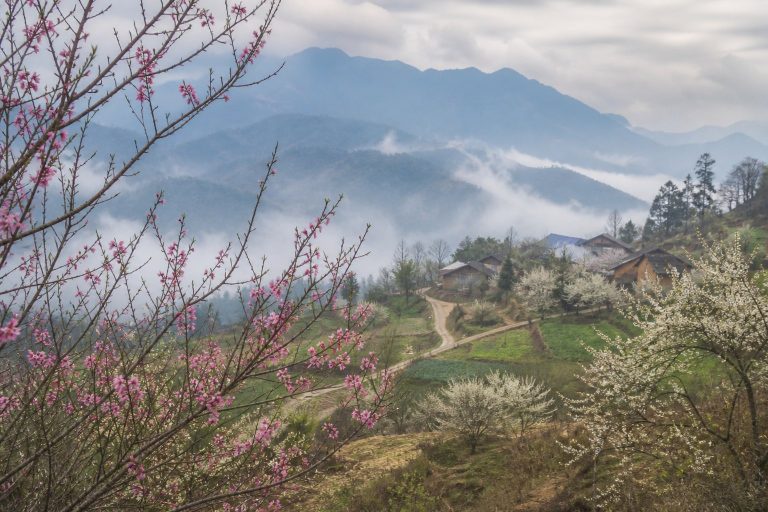
Hon Ba Nature Reserve is a mountainous forested region rising nearly 1,600 meters high in Khanh Hoa province, located about 60 km from central Nha Trang. The humid climate, frequent clouds, and heavy rainfall create a dense green forest canopy, but they also make the mountain pass route the part of the journey that requires the most careful preparation. This trip is designed for nature lovers who are willing to change their plans when weather conditions are unfavorable.
Where is Hon Ba and how to get there?
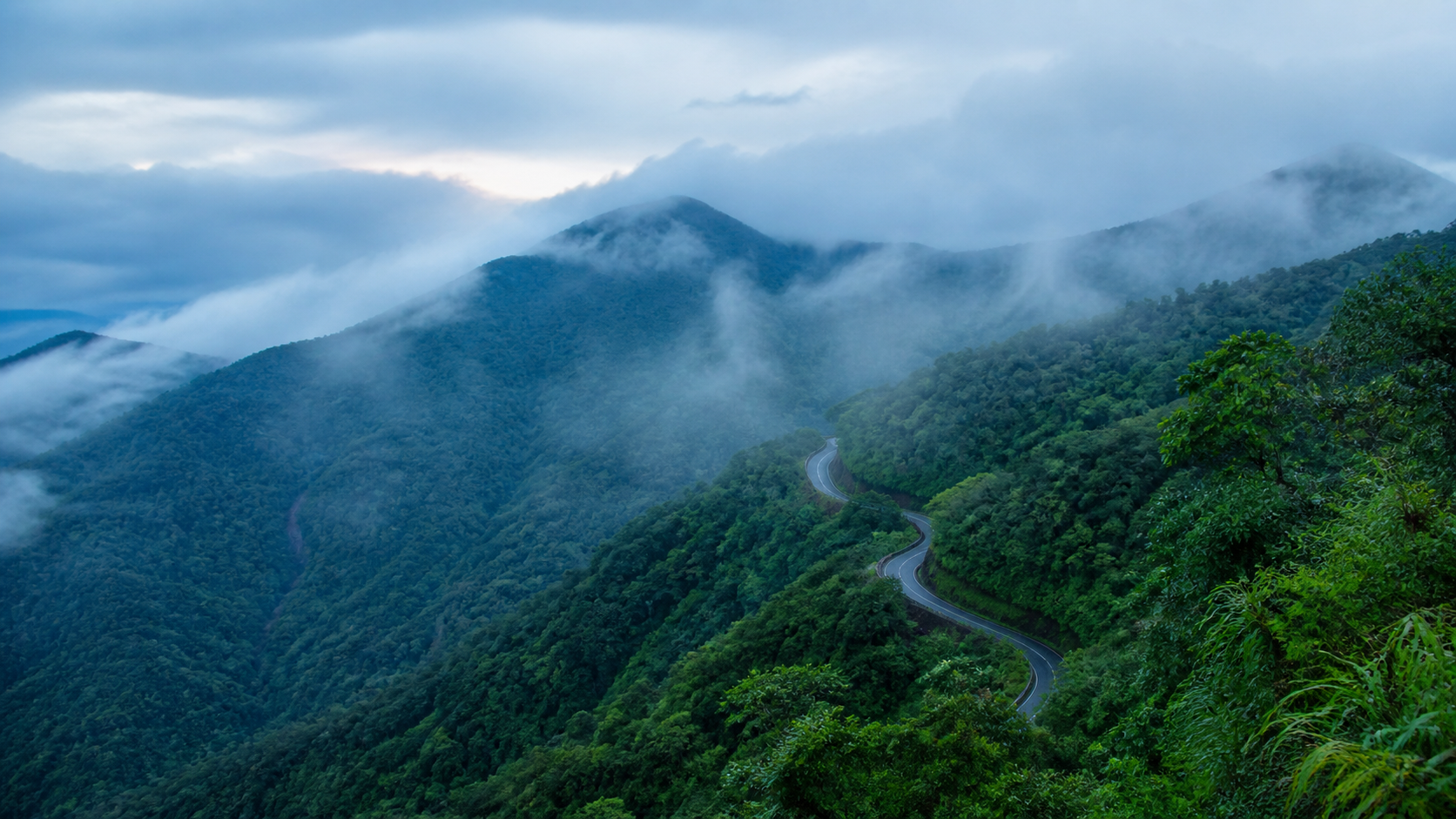
From Nha Trang, the familiar route follows National Highway 1 southward to the Suoi Cat intersection area, then turns toward Suoi Dau Lake and continues along the mountain road. The stretch from the foot of the mountain to higher elevations spans dozens of kilometers, featuring continuous sharp turns and visibility that can drop rapidly when clouds descend. Online maps only provide general orientation; barrier statuses, traffic diversion, and permitted visiting areas must be strictly followed according to on-site notices.
Those unfamiliar with mountain passes should prioritize transport driven by experienced drivers. If traveling by motorcycle, check the brakes, tires, lights, and fuel before leaving populated areas. Do not ride close together, do not overtake at bends, and never stop in the middle of the road to take photos. The trip should start early to ensure enough time to descend before dark.
Natural values and Yersin’s legacy
The reserve covers an area of over 19,000 hectares, mostly comprising natural forest and boasting high biodiversity. Varying altitudes create multiple habitats, from lowland forests to humid montane forests. Moss, ferns, and thick plant layers are easily noticeable along rainy forest sections. Visitors should not wander off the path, pick plants, catch insects, or approach wild animals.
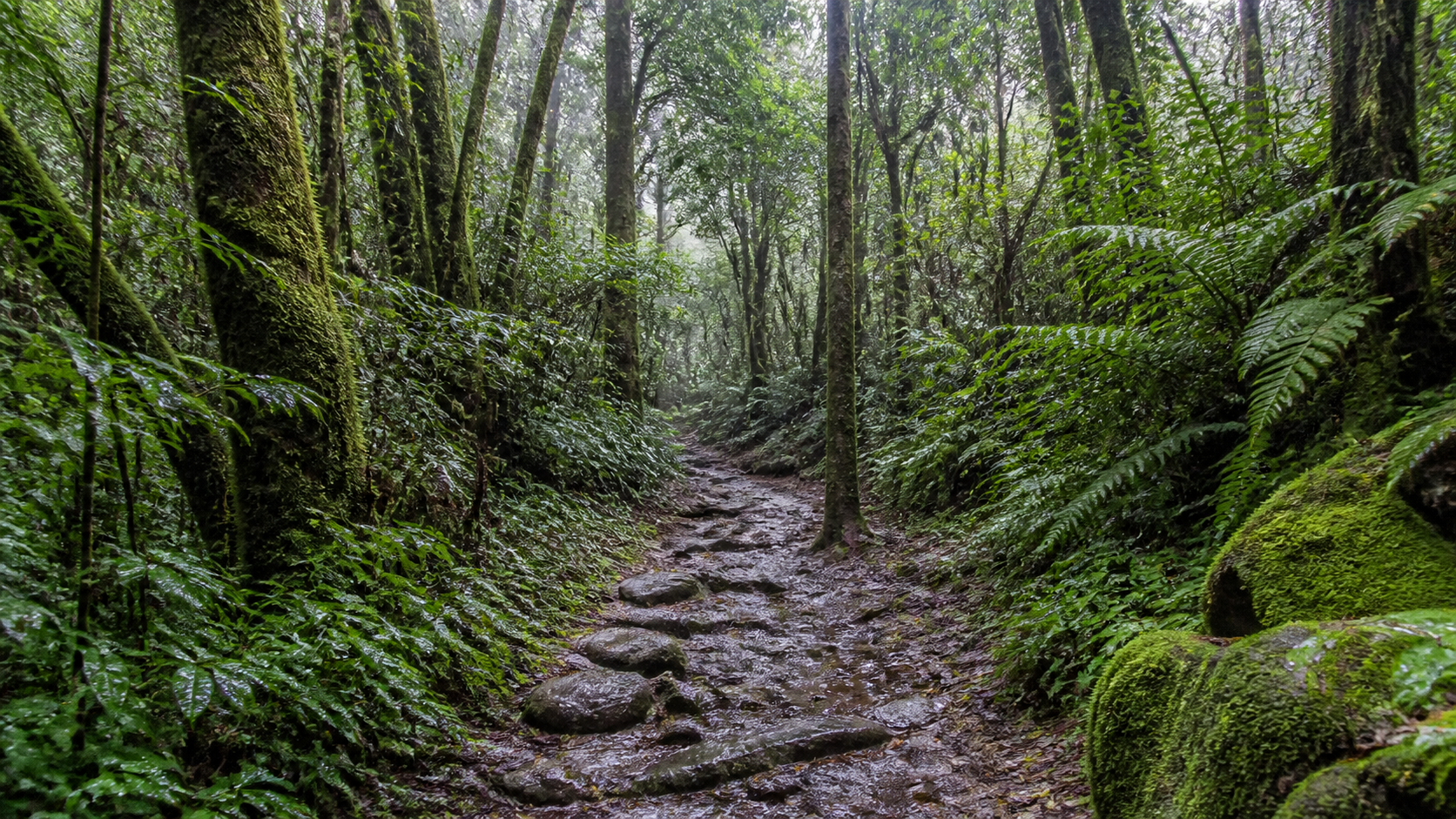
Hon Ba is also associated with Dr. Alexandre Yersin, who established a research station and grew medicinal plants on the mountain in the early 20th century. The reconstructed wooden house at the summit is of interest to many visitors, but accessibility to individual areas may change depending on conservation efforts, route operations, and practical conditions. Verify in advance with management units, and do not cross barriers or enter ranger paths on your own.
Weather and mountain pass safety
Hon Ba experiences many rainy days throughout the year. During heavy rainfall periods, especially around the end of the year, roads can become slippery, heavy fog may appear, and tree branches or rocks can fall. If rain intensifies, visibility drops poorly, or authorities issue warnings, travelers should turn back or stop at a safe lower elevation. Do not make reaching the summit a goal at all costs.
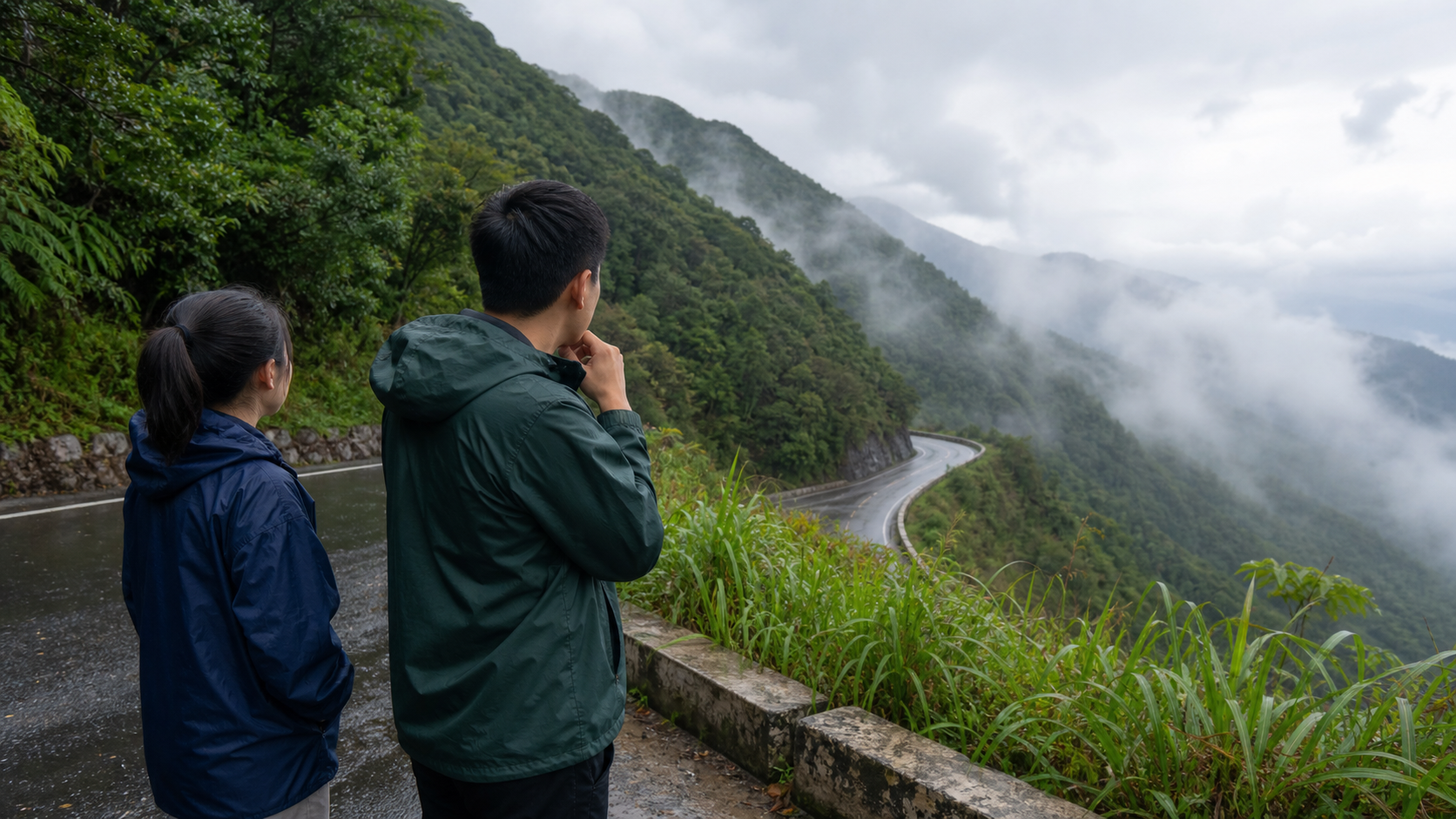
Bring a two-piece raincoat, light warm clothes, good-traction shoes, drinking water, lightweight food, and trash bags. Mobile phone signals may be unstable in certain sections, so inform relatives of your itinerary and save necessary contact numbers in advance. Do not camp, make fires, or organize activities in the forest without proper permission.
Suggested day itinerary
In the morning, travel from Nha Trang to Suoi Dau Lake, take a short rest, and assess the weather. Only continue upward when the road is dry, visibility is good, and the route is open to the public. Spend time observing the forest at authorized stopping points, have a lunch of packed food, and descend the mountain early. On the way back, absolutely do not coast in neutral when going downhill; use a lower gear and apply brakes evenly.
Hon Ba is attractive for its cool climate and unique forest ecosystem, but the most rewarding experience is a responsible journey. Respecting conservation limits, leaving no trash, and being ready to turn back when conditions worsen will keep you safe while preserving the integrity of this mountain region.