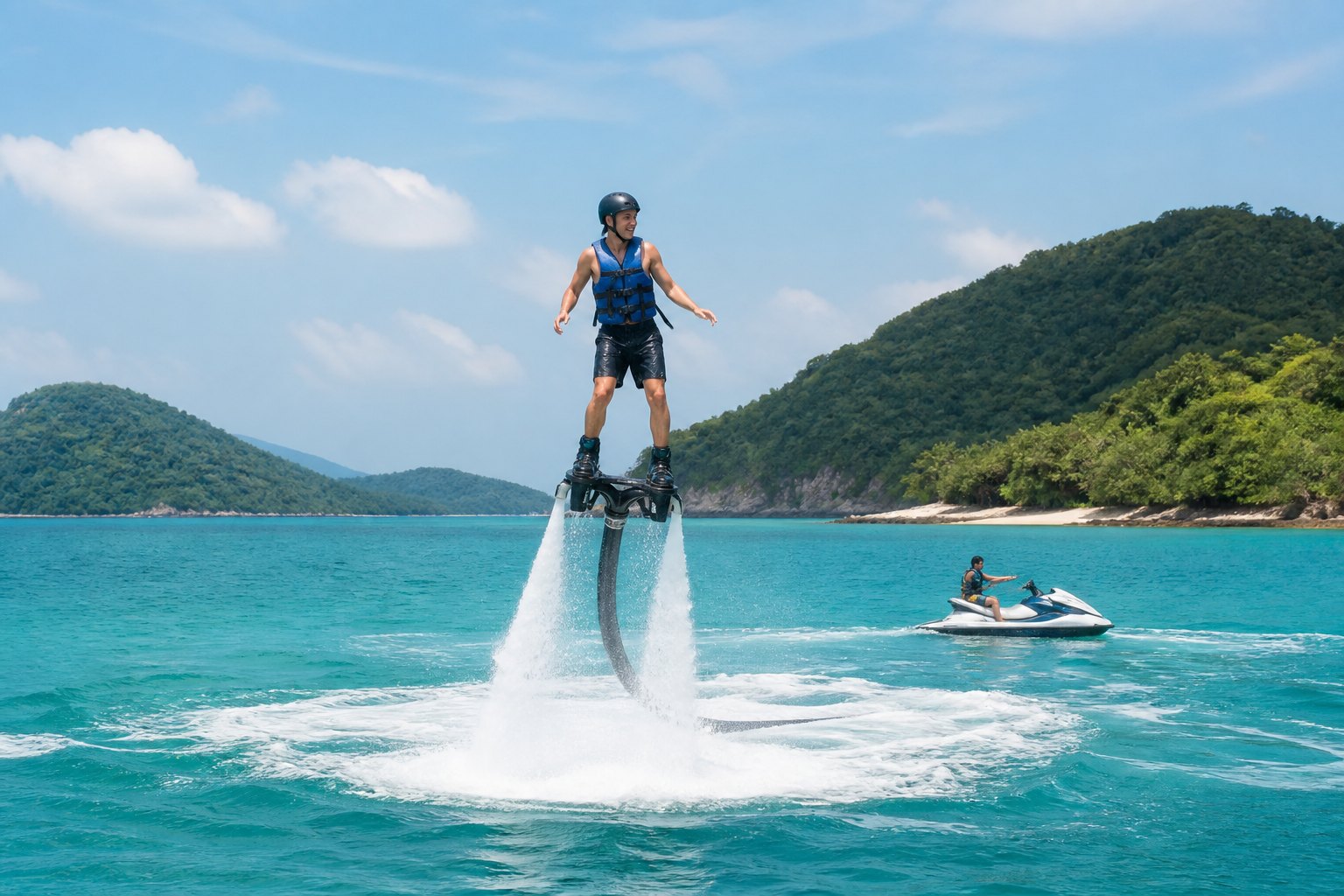
Flyboarding Guide: Where to Try It, How to Learn, and Safety Tips
Flyboarding is a water sport that uses high-pressure water to lift the rider above the surface. It looks spectacular, but beginners should not try it without professional supervision. A proper session requires a trained instructor, correctly fitted protective equipment, and an authorized operating area.
How does a flyboard work?
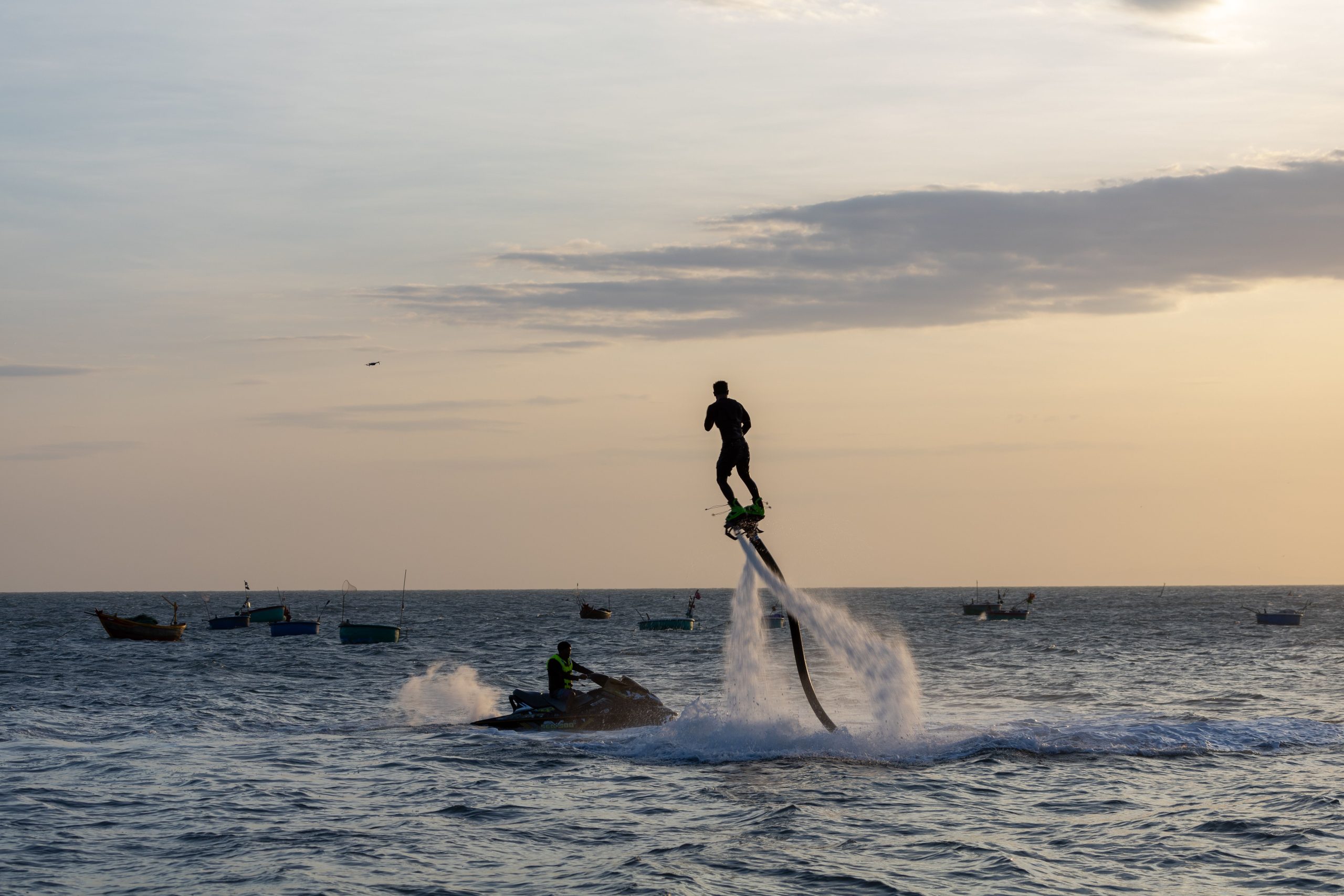
The board is secured to the rider’s feet and connected to a personal watercraft by a hose. Pressurized water flows through the device and creates lift. The operator controls the power while the rider manages balance through leg position, hips, and gaze.
Can beginners try flyboarding?
Many people can begin to balance after a basic lesson, but progress depends on fitness and coordination. First-time riders should stay low, learn to stand steadily, and avoid spins or flips. Tell the instructor in advance if you cannot swim or feel anxious in open water.
Where can you try flyboarding in Vietnam?
Nha Trang, Khanh Hoa
Nha Trang is known for a broad range of water sports. Flyboarding availability may change with the season, beach zone, and operating conditions. Before booking, confirm the exact meeting point, actual riding time, included safety gear, and weather cancellation policy.
Phu Quoc
Phu Quoc has many beaches and water-sport operators, but flyboarding is not permitted or available at every beach. Choose an operator that clearly identifies its operating zone and provides direct instructor supervision.
Da Nang and other coastal destinations
Flyboarding may be offered seasonally in Da Nang and other major beach destinations. Do not assume the service will run every day: wind, waves, storms, or local rules can cause temporary suspension.
Health considerations
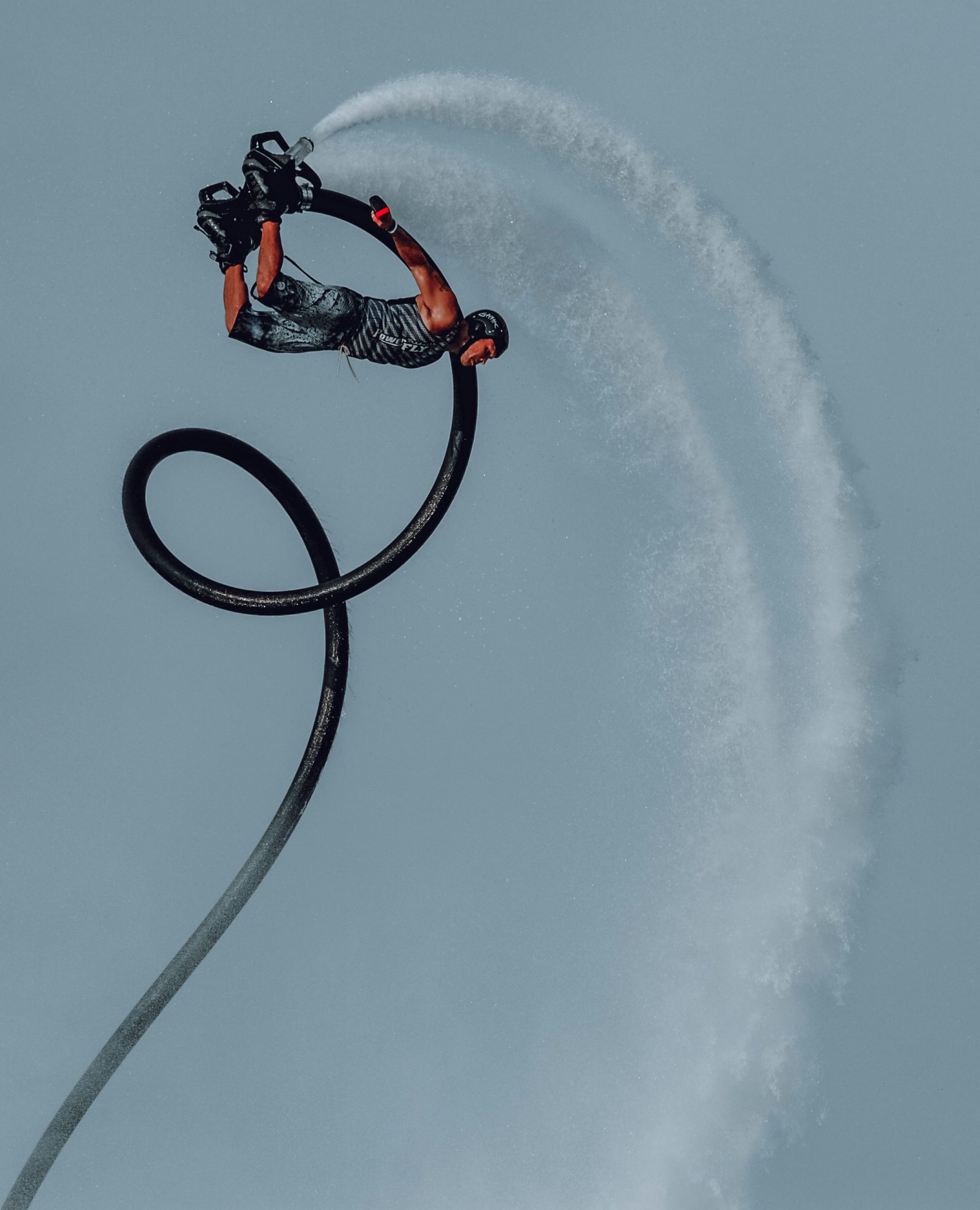
Flyboarding places load on the legs, knees, hips, and back. People with heart conditions, spinal problems, joint injuries, recent surgery, or pregnancy should not decide to participate without appropriate medical advice. Always disclose relevant health conditions to the operator.
What to wear and bring
- A close-fitting swimsuit or water-sports clothing.
- Water-resistant sunscreen.
- A towel, dry clothes, and a wet bag.
- A secure strap if glasses are essential.
- No phone, jewelry, or sharp objects during the session.
The operator should provide and inspect the helmet, life jacket, bindings, and specialist equipment before each ride.
How to choose a safer operator
- Provides an in-person safety briefing.
- Checks the life jacket, helmet, and foot bindings for each rider.
- Has a qualified watercraft operator and separate lookout when appropriate.
- States age, weight, and health restrictions clearly.
- Explains lesson time, riding time, total price, and refund or rescheduling terms.
- Stops operations during strong wind, thunderstorms, or rough water.
First-time technique
Keep the knees reasonably straight without locking them, look ahead, and avoid bending sharply at the waist. If balance is lost, follow the instructor’s method for falling safely instead of fighting the water pressure. Build control at low height before going higher.
How much does flyboarding cost?
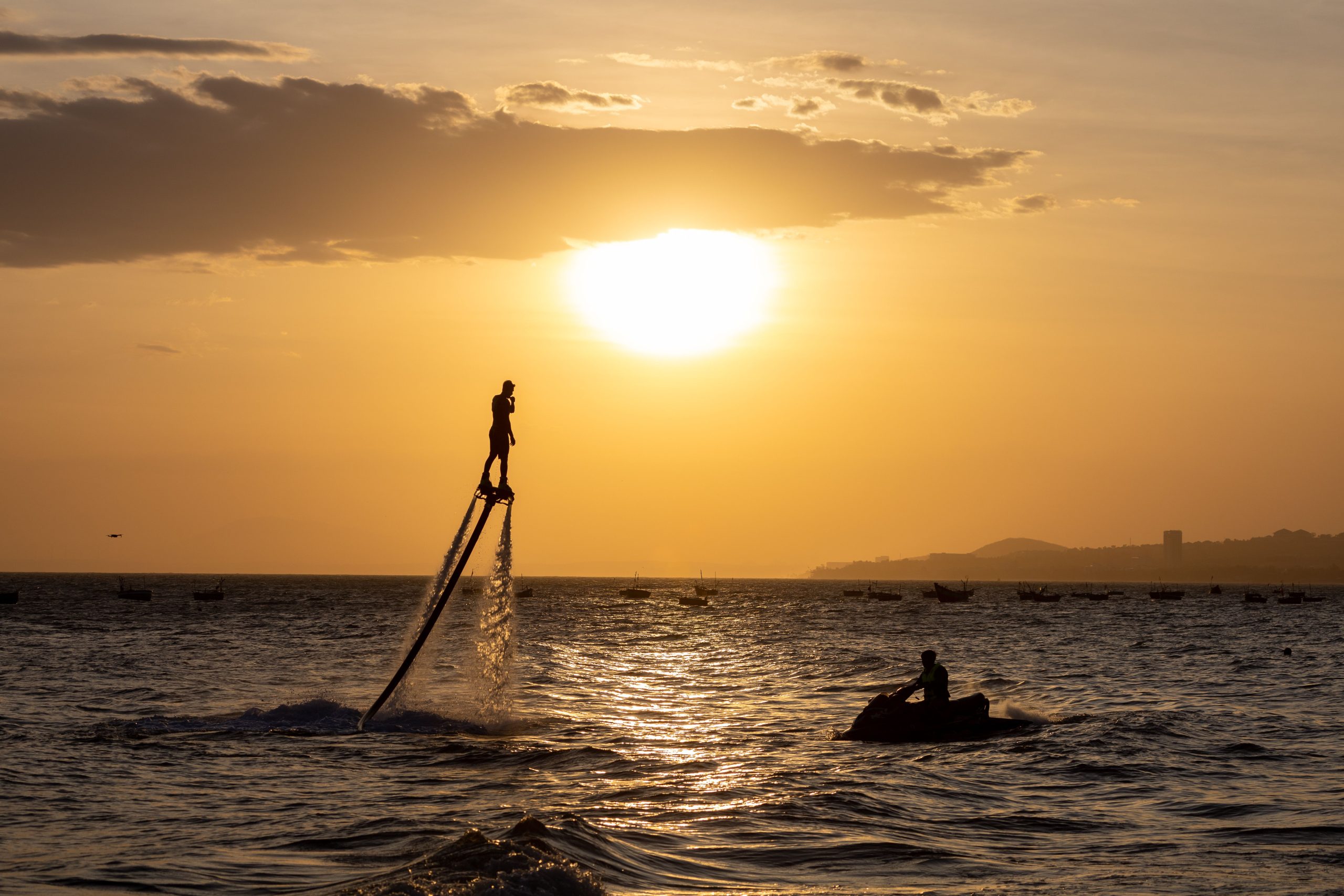
There is no fixed nationwide price. Cost varies by destination, season, session length, and whether beginner instruction is included. Ask for the total price, possible surcharges, photo or video fees, and the weather policy immediately before paying.
Practical checklist before booking
- Confirm the exact location and operating date.
- Ask what portion of the session is instruction versus riding.
- Check safety gear and supervision arrangements.
- Review health, age, and weight requirements.
- Reconfirm weather and cancellation terms.
For most travelers, a good first flyboarding experience is less about reaching maximum height and more about clear instruction, reliable safety procedures, and controlled progress.