Phung Hung Old House Hoi An: Architecture and Guide
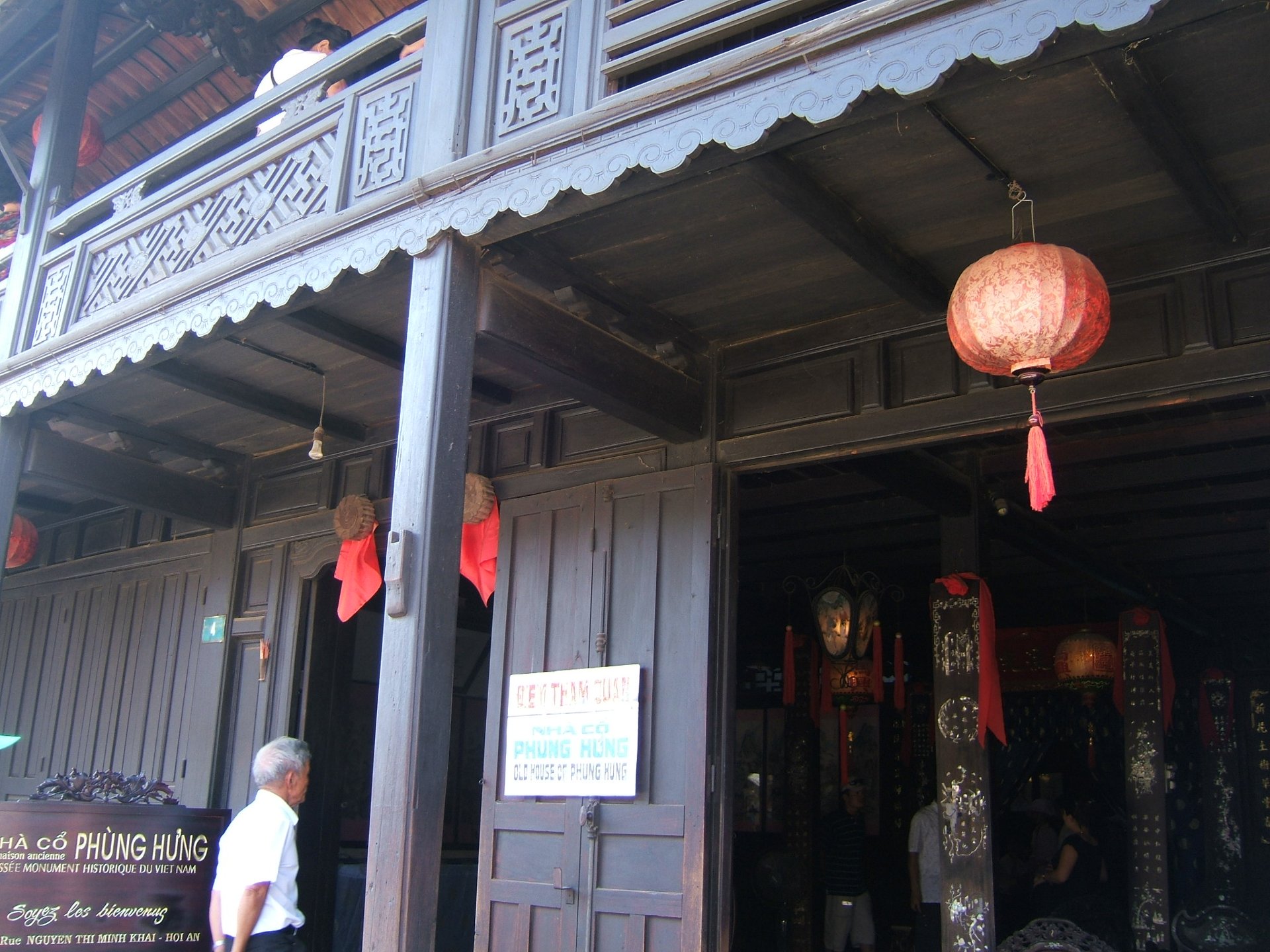
Located at 4 Nguyen Thi Minh Khai Street, right near the Japanese Covered Bridge, Phung Hung Old House is an ideal stop for travelers wanting to understand Hoi An through its merchant architecture rather than just admiring the streets from the outside. Built around the 1780s, the structure has stood for over two centuries while retaining its original wooden frame, tiled roof, and characteristic spatial organization.
Traces of a Hoi An Merchant House
Phung Hung once served as both a residence and a trading post for a merchant family. Goods such as cinnamon, pepper, salt, silk, ceramics, and glassware once passed through this space, reflecting the bustling era of the trading port. Therefore, the value of the house lies not only in its age but also in its stories of daily life, commodity exchange, and the adaptability of ancient urban residents.
The house consists of three bays and two floors. The lower floor is spacious, connecting directly to the street, making it convenient for receiving guests and conducting transactions. The upper floor was once used to store goods and served as a shelter when floodwaters rose. When visiting, pay attention to how the floors are connected and how ancestors utilized vertical space to address both living needs and natural conditions.
Architectural Intermingling
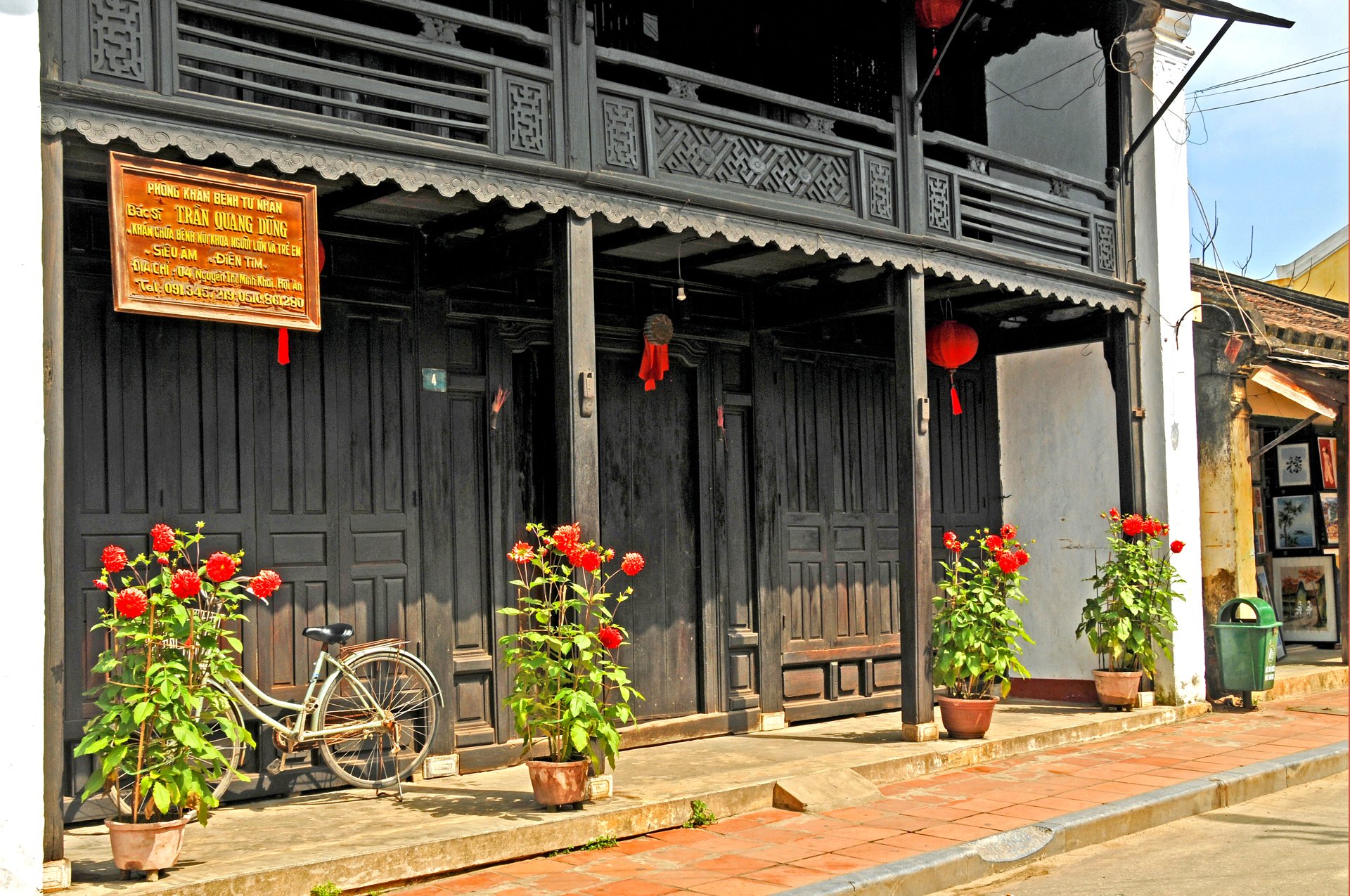
The house is often cited as an example of Vietnamese, Chinese, and Japanese architectural fusion. The system of columns, trusses, and spatial division creates a solid feel; the wooden balconies and yin-yang tiled roofs give depth to the facade; and the carved details soften the large structure. Rather than attributing each part to a single culture, visitors should observe how they are combined into a cohesive whole suited to the climate of Central Vietnam.
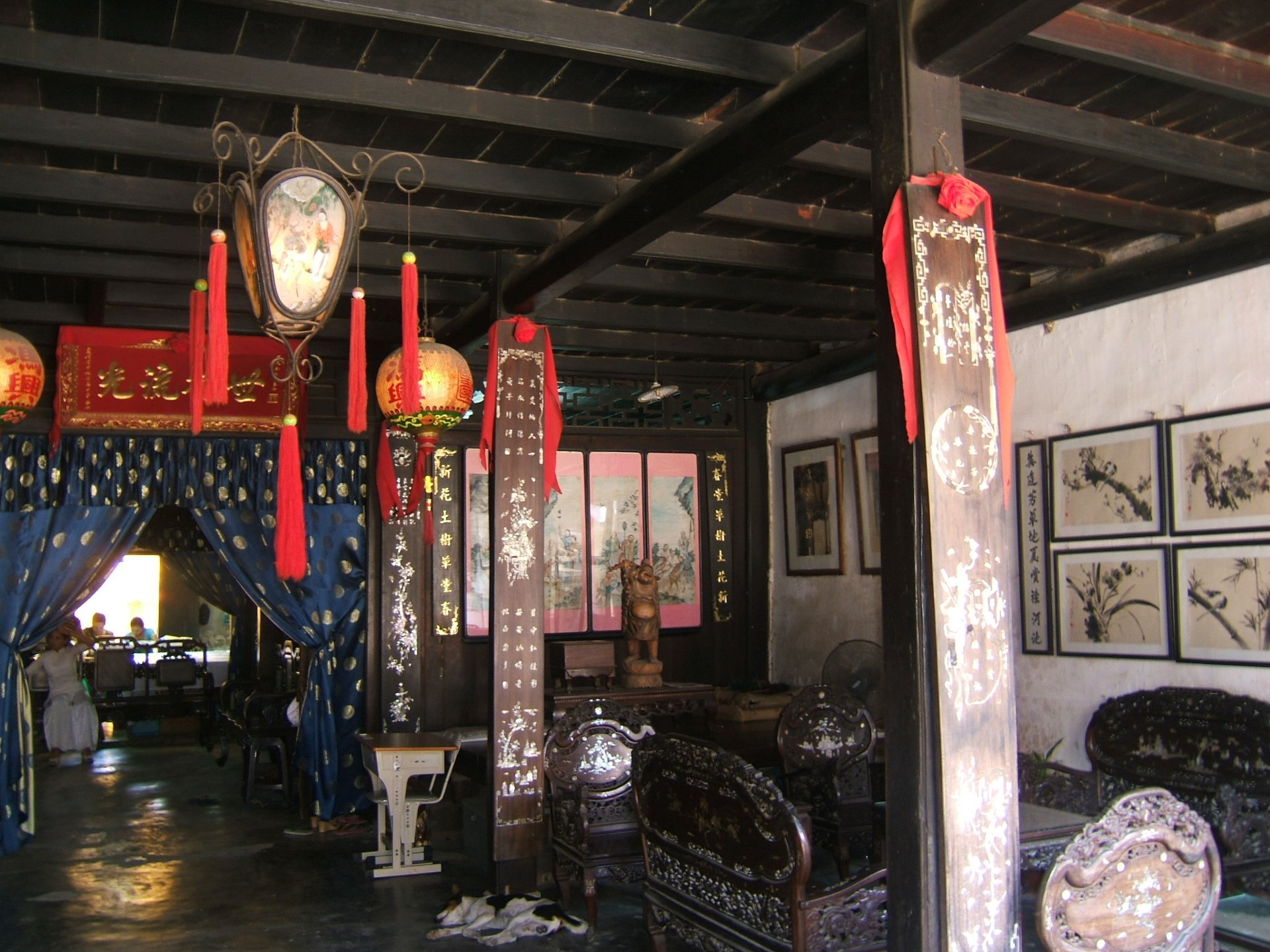
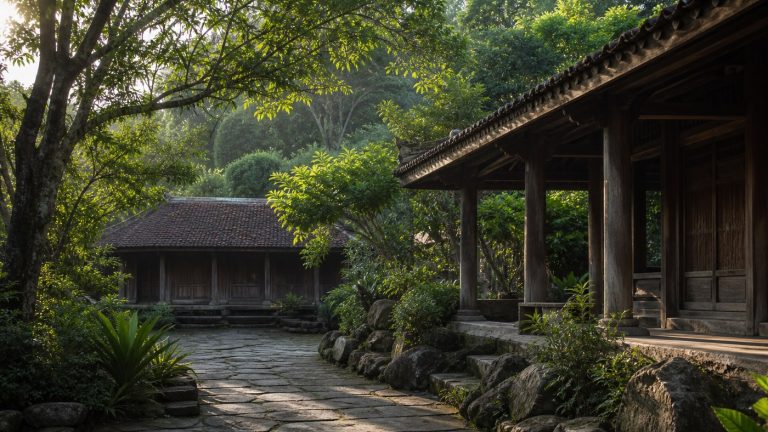
Wood is the primary material, so the colors of time are clearly visible on the columns, stairs, doors, and balustrades. The light shifts as one moves from the street deep into the house, revealing the transition between the trading area, living quarters, and ancestral altars. This is an experience best enjoyed slowly, as small details often tell more than a panoramic photo.
Tips for an In-Depth Visit
- Dedicate about 30–45 minutes to observe the facade, lower floor, and upper floor.
- Walk softly, and avoid leaning against or placing items on columns, balustrades, and wooden artifacts.
- Limit flash photography; follow instructional signs and permitted photography areas.
- Prioritize morning visits if you prefer a quiet atmosphere and favorable lighting for observing details.
- Check visitor hours on-site as schedules are subject to change.
Suggested Walking Route
From Phung Hung Old House, you can easily walk to the Japanese Covered Bridge, assembly halls, the market, and riverside paths. A logical route is to start in the morning around Nguyen Thi Minh Khai street, wander slowly through the core of the ancient town, and rest before noon. This arrangement gives the trip a clear narrative flow: from merchant residences to spiritual spaces and community activities.
The most memorable aspect of Phung Hung is the feeling that a house still tells its story through its very structure. By paying attention to materials, light flow, the function of each floor, and the connection to the trading port, visitors will see a much deeper Hoi An beyond the beauty of its yellow walls.