Vietnamese Culinary Tourism: 10 Destinations and How to Plan a Food Tour
Culinary travel is much more than simply finding a good restaurant. It is a way to explore local life through early morning markets, street vendors, family kitchens, and the stories behind every dish. With distinct variations across regions, Vietnam is perfectly suited for an itinerary centered entirely on what to eat, where to eat, and when to eat.
The guide below suggests 10 notable destinations along with tips on how to build a food tour that leaves you comfortably full, unhurried, and with plenty of time for sightseeing.
What is culinary tourism?
Culinary tourism is the experience of a destination through its food, ingredients, cooking methods, and local dining habits. A meaningful trip can include eating at traditional markets, trying street food, visiting craft villages, taking cooking classes, or chatting with long-time vendors.
The most fascinating part is how the same ingredient creates different flavors from place to place. Noodles, rice cakes, fermented fish pastes, and grilled items in the North, Center, and South all feature distinct seasonings. Therefore, avoid trying to eat too much in a single day; choose a few representative dishes to truly appreciate them.
10 destinations worth visiting for a food tour in Vietnam
1. Hanoi: delicate flavors and a rhythm based on the time of day
Hanoi is ideal for slow walks through the Old Quarter. Mornings can begin with pho, bun thang, or sticky rice; lunch calls for bun cha; afternoons are great for shrimp cakes, nom (papaya salad), or coffee; and evenings conclude with bun oc (snail noodle soup) or rib porridge. Hanoi dishes usually focus on balance, clear broths, and moderate aromas.
Choose eateries with a steady local clientele, a short menu, and ingredients prepared continuously. If traveling in a group, order small portions so everyone can sample more dishes.
2. Northwest: kitchen smoke and mountain spices
A Northwest journey charms travelers with smoked meats, stream fish, bamboo-tube rice, sticky rice, wild herbs, and distinct spices like mac khen and doi seeds. In Lao Cai, Son La, Dien Bien, or Ha Giang, the most memorable experiences often happen during local homestyle meals rather than at famous restaurant listings.
Inquire in advance about the spice levels, fermented ingredients, and portion sizes. For unfamiliar dishes, try a small amount first to give your body time to adjust.
3. Hai Phong: a compact one-day food tour
Hai Phong is famous for banh da cua (crab noodle soup), spicy banh mi, nem cua be (crab spring rolls), gia be (sea worms), and dua dam (sweet coconut dessert). The eateries are located close to each other, making it easy to form a walking route or a short motorbike trip. The secret is sharing: two people can share a single bowl or portion to avoid getting full too quickly.
4. Hue: small dishes with deep layers of flavor
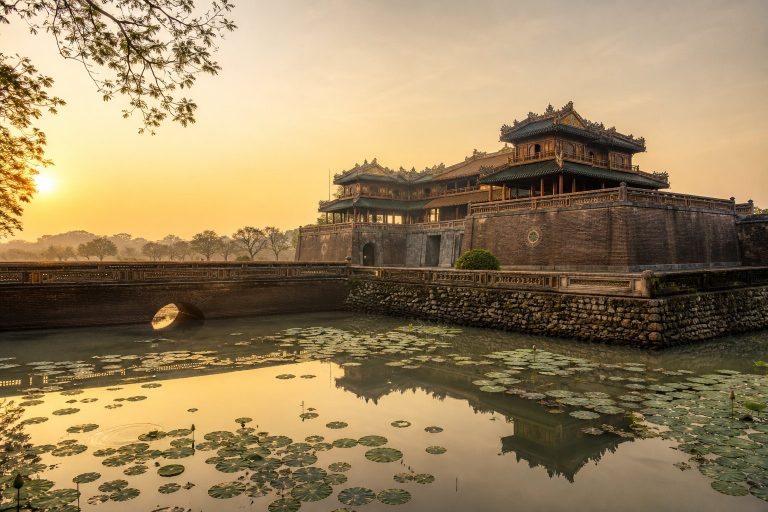
Hue cuisine encompasses both royal court dishes and rustic everyday fares. Bun bo (beef noodle soup), com hen (clam rice), banh beo, banh nam, banh loc, nem lui (skewered pork), and sweet soups are all worth trying. Many dishes come in moderate portions, making them ideal for an organized food tour.
Hue flavors are typically spicy and rich. If you prefer milder food or are traveling with young children, ask the restaurant to reduce the chili when ordering.
5. Hoi An: eating slowly within the ancient town
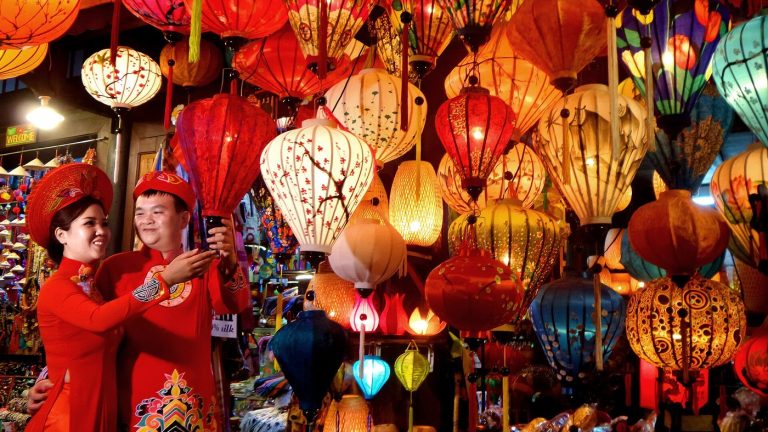
Cao Lau, Mi Quang, chicken rice, white rose dumplings, and banh mi are classic choices. Hoi An is at its best when food is combined with atmosphere: mornings at the market, lunch in a quiet alley, afternoons at a small riverside cafe, and evenings strolling through town.
6. Da Nang: approachable, accessible, and diverse
Da Nang suits both first-time food tour participants and seasoned travelers. Mi Quang, fish cake noodle soup, pork wrapped in rice paper, banh xeo (crispy pancakes), fish salad, and seafood are available across various price ranges. Separate your seafood meal from snacking times so your palate does not get overwhelmed.
7. Nha Trang: coastal flavors in unpretentious dishes
Aside from seafood, Nha Trang features fish noodle soup, jellyfish noodle soup, banh can, squid banh xeo, and nem nuong (grilled pork rolls). Mornings are great for noodle soups; evenings suit banh can or seafood. When choosing seafood, clearly ask about pricing by portion or weight and agree on the cooking method beforehand.
8. Da Lat: hot dishes for the chilly weather
Banh can, banh uot long ga (steamed rice paper with chicken giblets), nem nuong, chicken hot pot with wild basil leaves, and grilled items are popular choices. Da Lat has many trendy spots, but a balanced food tour should leave room for local produce, soy milk, and vegetable dishes.
9. Ho Chi Minh City: a crossroads of flavors
Ho Chi Minh City brings together dishes from many regions and communities. You can dedicate a morning to hu tieu, broken rice, or pha lau; spend another exploring Cho Lon or long-running family eateries. Instead of chasing an overly long list of spots, choose one neighborhood per session to minimize travel time.
10. Mekong Delta: food paired with rivers and orchards
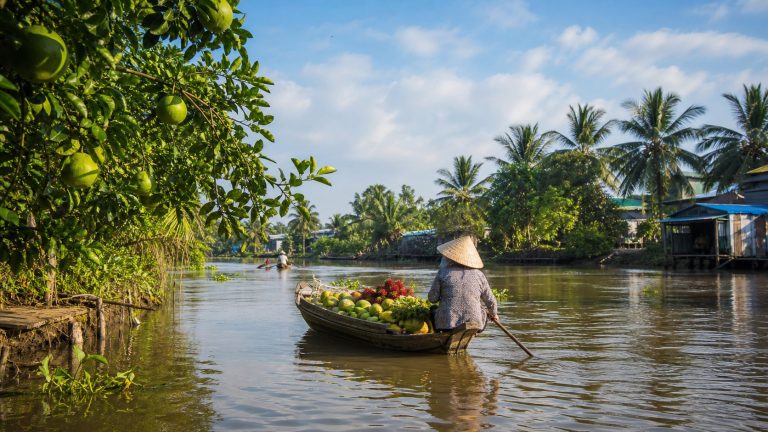
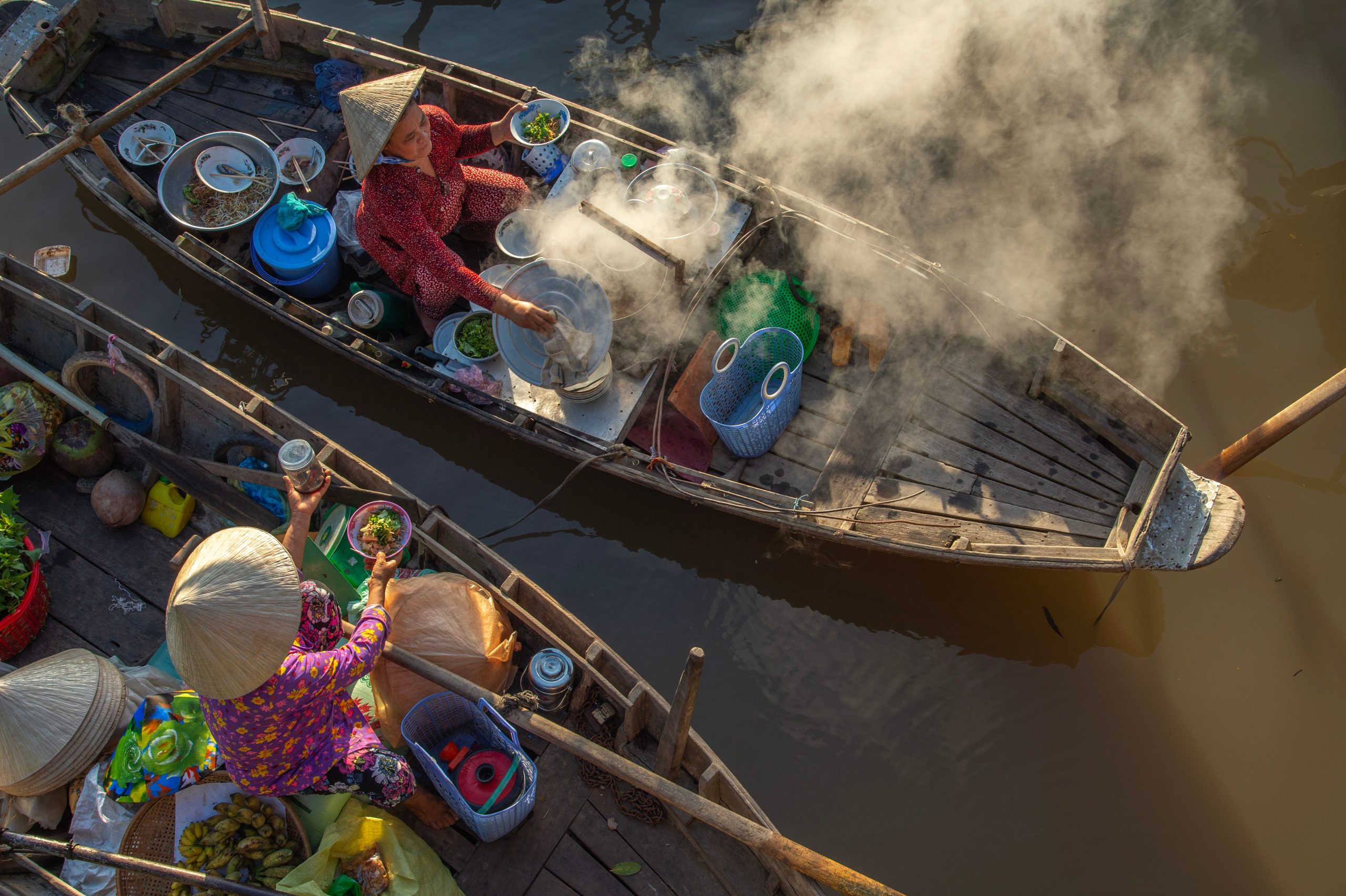
Can Tho, Ben Tre, Dong Thap, An Giang, and Ca Mau offer numerous dishes tied to river fish, garden greens, tropical fruits, and seasonal specialties. Experiencing floating markets, breakfast on a boat, or a garden homestay meal offers a much more intimate feel than an elaborate dining setup.
How to schedule a food tour without overeating
- Choose one area per session: prioritize eateries located 5 to 15 minutes apart.
- Select only 3 to 4 main items: alternate between noodle soups, dry dishes, and light beverages.
- Share portions: traveling in groups of two to four allows you to try more dishes.
- Include breaks: place a sightseeing spot or a walking stretch between dining stops.
- Note opening hours: many dishes are only available early in the morning or late in the afternoon.
Reference budget
A day of exploring casual street food typically spans breakfast, two snack stops, a main meal, and drinks. Costs vary by city and type of venue; seafood, specialty restaurants, and cooking classes require a separate budget. Always check menu prices, ask for quotes beforehand, and keep a 15–20% contingency fund.
Food safety considerations
Prioritize busy local eateries, clean food preparation areas, freshly cooked dishes, and ingredients with a fast turnover rate. Bring drinking water, tissues, and hand sanitizer; limit raw food intake on your first day. Those with allergies should keep the names of ingredients to avoid saved in Vietnamese on their phone for easy communication.
Sample one-day itinerary suggestion
Start with a signature dish between 7:00 AM and 8:00 AM, visit a market or explore a neighborhood by mid-morning, enjoy a moderate lunch, rest until 3:00 PM, and then try a sweet treat or coffee. Save the evening for your most anticipated dish. This pacing keeps the journey relaxed and ensures every dish maintains its appeal.
A great food tour is measured not by the quantity of food consumed, but by how much you understand about the destination. Selecting fewer stops at the right times, chatting with vendors, and taking time to observe will turn every meal into a memorable part of your trip.