Hanoi Rolled Dishes: How to Distinguish and Order Portions
The word “cuốn” (rolled) appears in the names of many dishes, but preparation methods can vary greatly. Bánh cuốn is made from rice batter and usually served hot, while gỏi cuốn uses rice paper to wrap rice vermicelli, herbs, and fillings. Understanding the outer wrapper, how it is eaten, and the ingredients will help you order the right dish during your culinary exploration of Hanoi.
This article explains how to identify and order portions, without ranking or promoting specific eateries. Photos illustrate each type of rolled dish; actual ingredients vary by location.
Look at the Wrapper to Distinguish Types
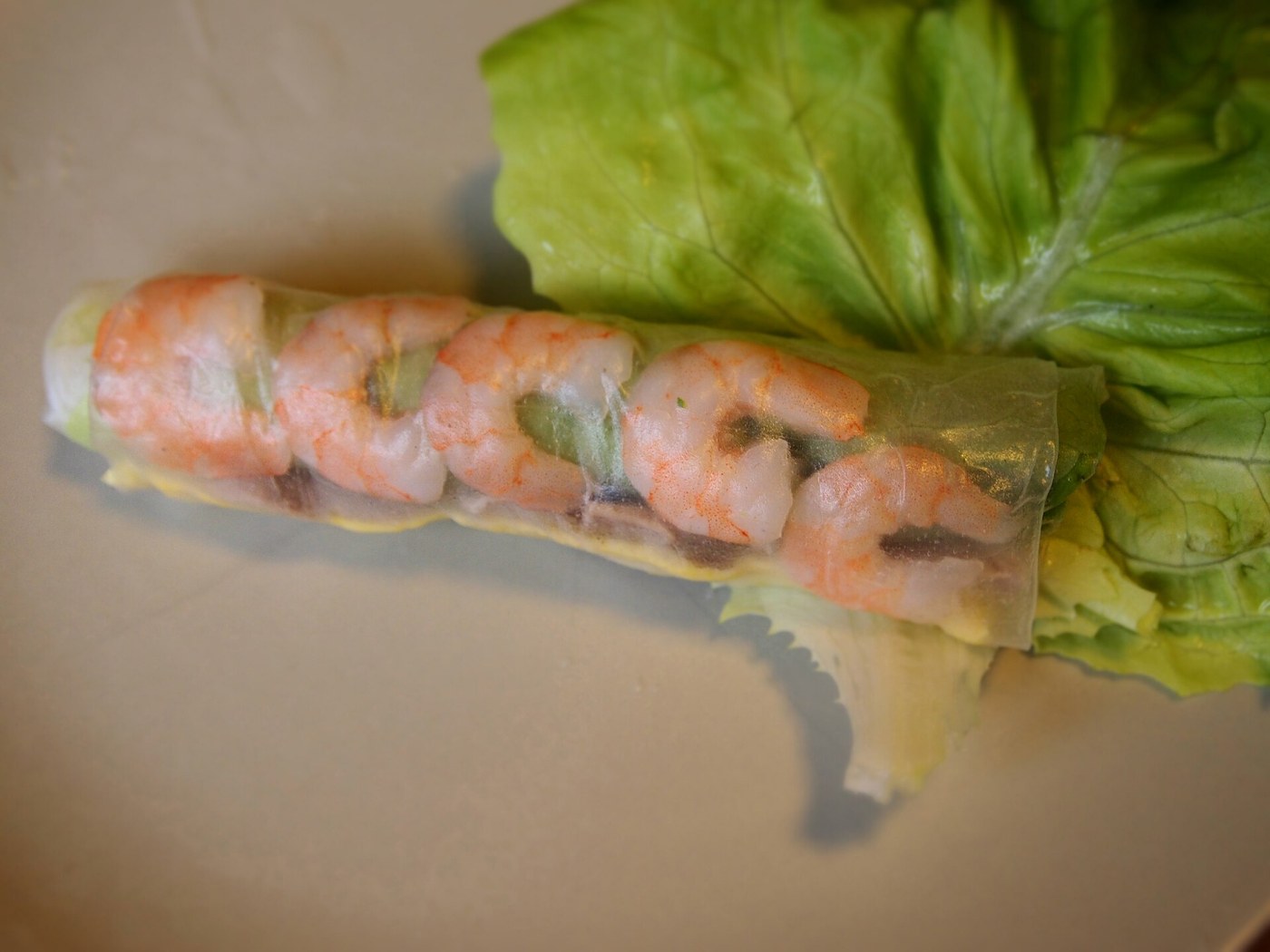
Fresh spring rolls (gỏi cuốn) typically feature a thin rice paper wrapper, allowing the shrimp, herbs, or vermicelli inside to be seen. They are pre-rolled into individual pieces and eaten with a dipping sauce. Hot rice rolls (bánh cuốn nóng), on the other hand, have a soft, white, and moist rice batter wrapper; makers may roll meat filling inside or leave them as thin sheets.
Do not assume all rolled dishes are served cold. When reading the menu, check the description or ask whether the dish is served hot or cold, what the fillings include, and how many pieces come in a portion.
Ordering Portions by Headcount
For fresh spring rolls, asking about the number of pieces in a portion helps groups share evenly and avoid ordering too much. For rice rolls, portions are usually counted by the plate; the amount of rolls, pork sausage (chả), and side dishes can vary. Groups wanting to try multiple items should start with a shared portion and add more if needed.
If this is your main meal, ask whether the standard portion already includes sausage or side accompaniments. If you are just tasting along a food trail, choose a small portion and avoid adding too many toppings right from the start.
Hot Rice Rolls: Filled and Unfilled
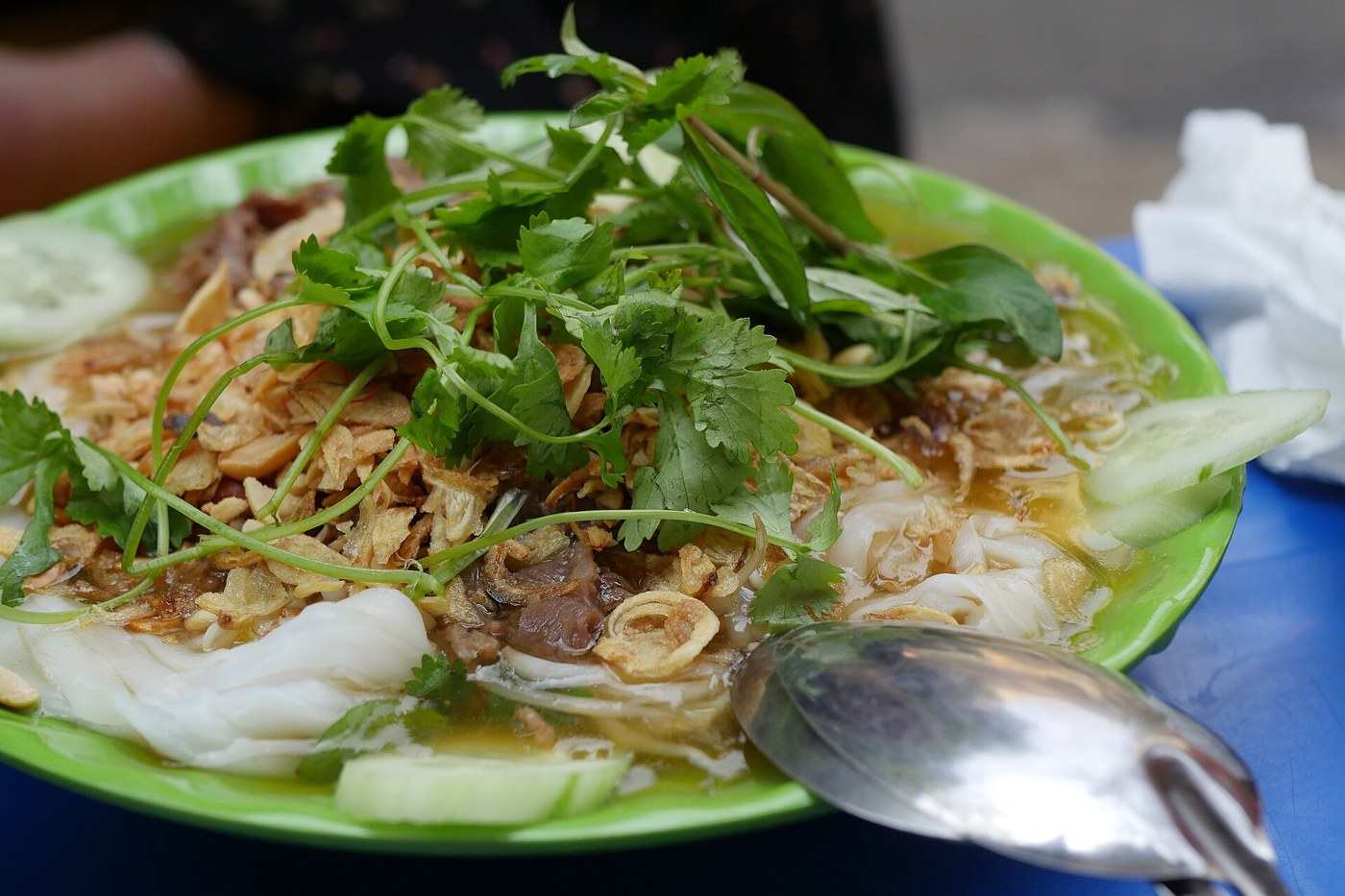
Rice rolls with meat filling usually contain minced pork and wood ear mushrooms inside a thin wrapper. Some unfilled styles emphasize the softness of the rolls, fried shallots, and dipping sauce. Menu names can vary, so diners who do not eat meat should inquire specifically about the filling, sausage, and dipping sauce.
Freshly steamed rolls can be quite hot. Eating in small bites and dipping moderately helps you appreciate the wrapper without letting the saltiness overpower the dish. Fried shallots provide aroma, but those with allergies or who avoid onions should inform the staff when ordering.
Dipping Sauce Heavily Influences Flavor
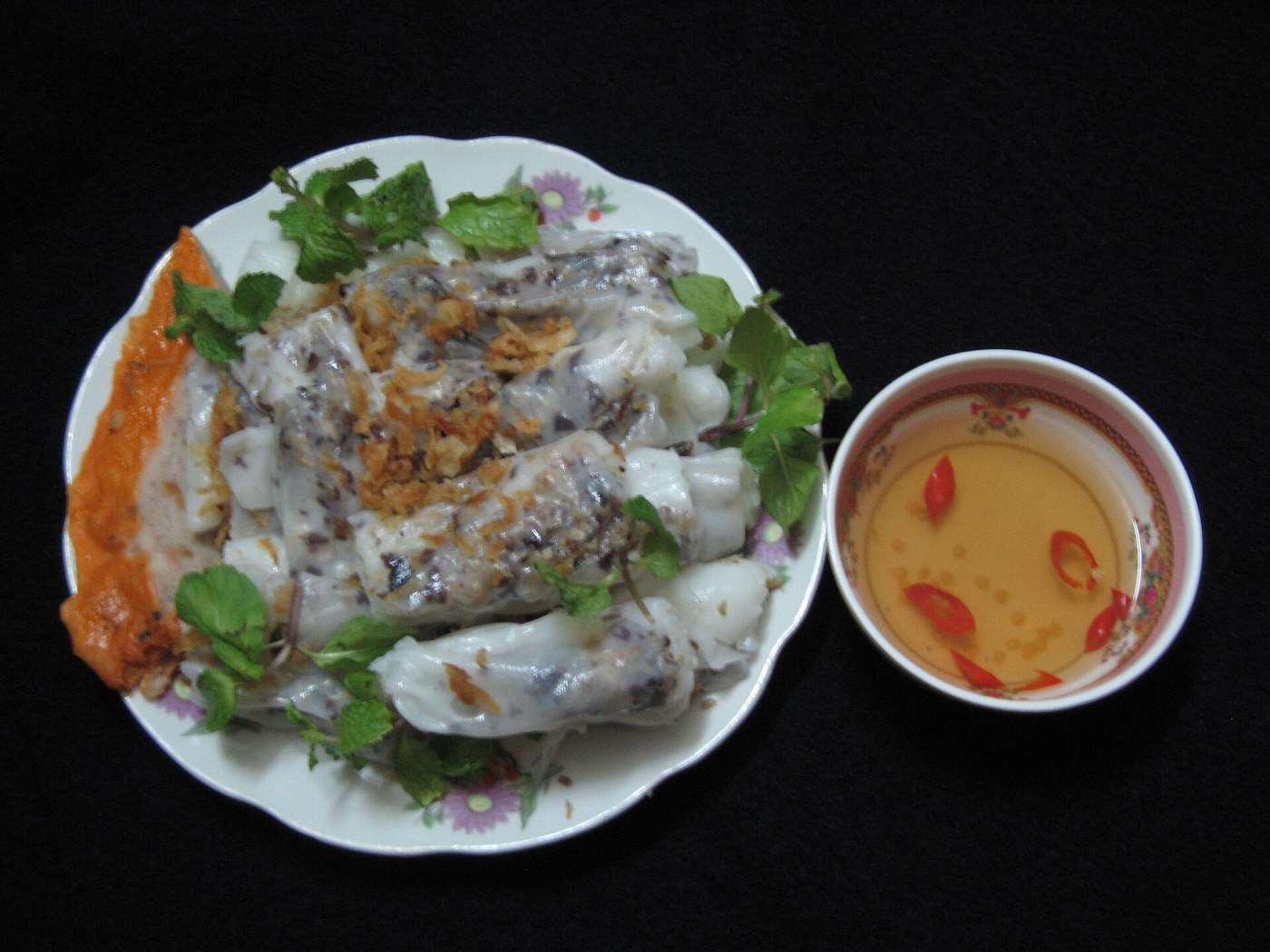
The dipping sauce for rice rolls is usually lighter than the thick sauces served with certain other rolled dishes. There is no single standard for saltiness, sweetness, and spice. Try a little bit first; if chili, lime, or vinegar is provided separately, add them incrementally rather than mixing everything in at once.
Those with peanut, seafood, or fish sauce allergies should ask about the ingredients in the dipping sauce. Even simple-looking rolled dishes may contain hidden ingredients in the filling or sauce that you cannot identify visually.
Fresh Herbs and Storage Considerations
Fresh spring rolls typically use a large amount of raw herbs. Choose portions that are neatly rolled, with herbs that are not bruised or wilted, and consume them soon after serving. For hot rice rolls, eat them while the wrapper is still soft; if left for too long, the sheets easily stick together and lose their texture.
Four Helpful Questions Before Ordering
- How many pieces are in a portion, or how many people is it enough for?
- Is this dish served hot or cold?
- What do the fillings and side items include?
- Does the dipping sauce contain peanuts, seafood, or any other ingredients of note?
By confirming these four points, you can distinguish most rolled dishes and choose the appropriate portion. Your experience will be much more pleasant when you order just enough, taste the dipping sauce first, and understand what you are about to eat.