Thang Long Imperial Citadel: Architecture, Artifacts & Ruins
Hoang Thanh Thang Long is not an intact palace where you can simply walk through fully furnished rooms. The real interest lies in piecing together the remnants: surviving surface structures, small artifacts, and foundations clarified by archaeology. Understanding this before your trip will help you know where to pause and what questions to ask.
Why you should dedicate an entire morning or afternoon
The central sector of the Imperial Citadel of Thang Long in Hanoi was inscribed as a UNESCO World Heritage Site in 2010. The area’s history spans multiple periods, featuring successive layers of remains; therefore, you should not assume every structure you see was built at the same time or retains its original Ly dynasty form.
For first-time visitors, setting aside a dedicated half-day is much easier than trying to squeeze the site between other appointments. You can choose a few open spaces to examine closely, take breaks, and spend time reading the descriptions. There is no need to turn your visit into a race to photograph every single item.
The first layer: viewing architecture within its spatial context
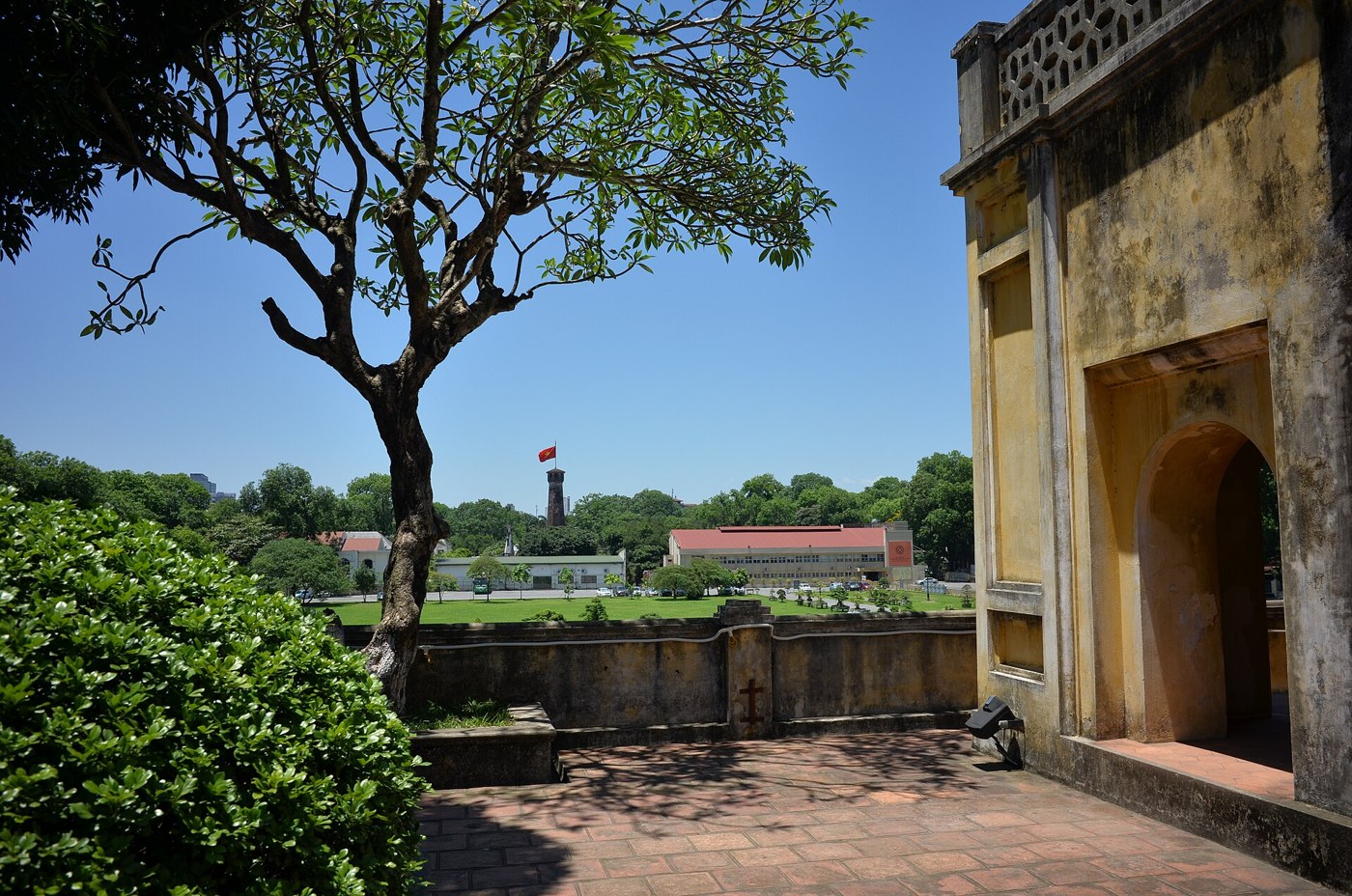
Doan Mon gate is a great starting point for visualizing the ancient citadel space. When approaching permitted areas, observe the relationship between the gates, courtyards, and surrounding structures rather than just photographing an isolated facade. A photo that includes greenery, open courtyards, and wall sections often tells a much richer story about the spatial atmosphere.
The archival photo in this article was taken from the Doan Mon area looking south. It serves as a guide for observation and does not guarantee that exact vantage point is always open to visitors. If access to a stairway or tier is restricted, follow the on-site instructions and do not look for detours.
The second layer: a small artifact can reveal many things
When standing before a decorative artifact, try observing it in order from its overall shape down to the finer details. With the leaf-shaped artifact featuring a phoenix in the photo, you can trace its outer border, how the two sides are arranged, and the rhythmic curves on the surface.
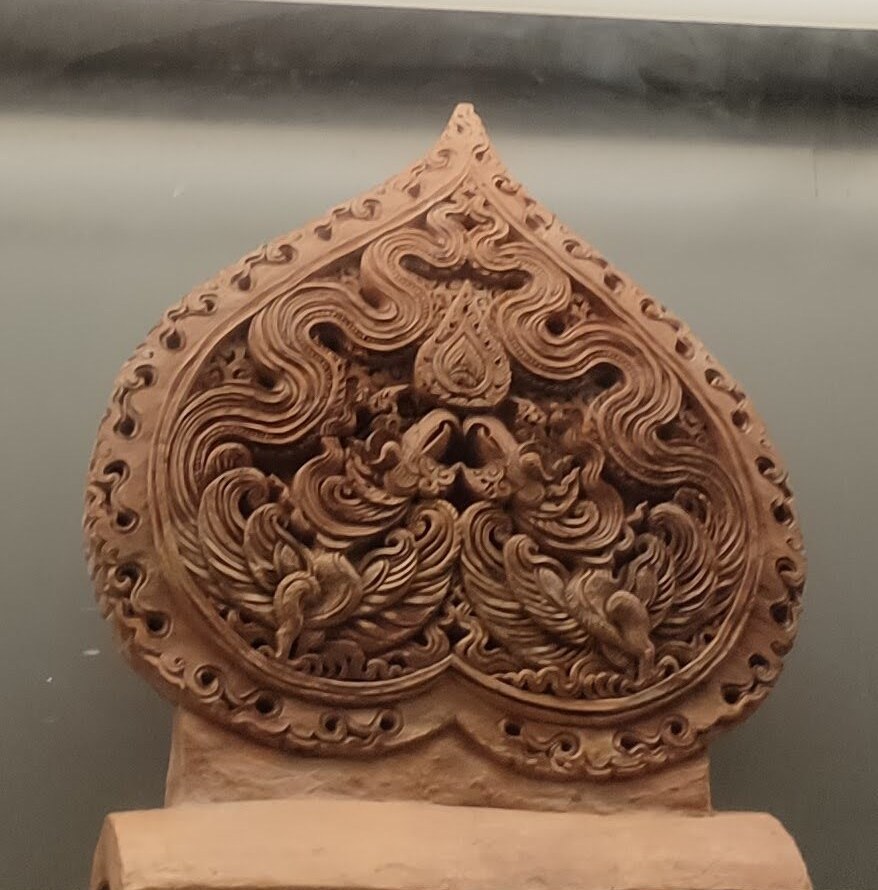
Do not rush to deduce dates or functions based solely on the color of the terracotta. The descriptive labels, display diagrams, and guides are what help establish the context of each artifact. If traveling with children, you can ask them to spot familiar animals or patterns, then look for answers together on the information boards.
Keep your distance from display cases, do not touch artifacts, and only take photos where permitted. When shooting through glass, try shifting your standing angle slightly to reduce glare instead of pressing your phone directly against the glass or using a flash.
The third layer: learning how to look at an archaeological foundation
The 18 Hoang Dieu archaeological site is crucial for understanding the historical depth of the heritage. What might look like mere bricks, dirt, and detached structural elements at first glance takes on real meaning when viewed within its soil layers, position, and relationship to surrounding remnants.
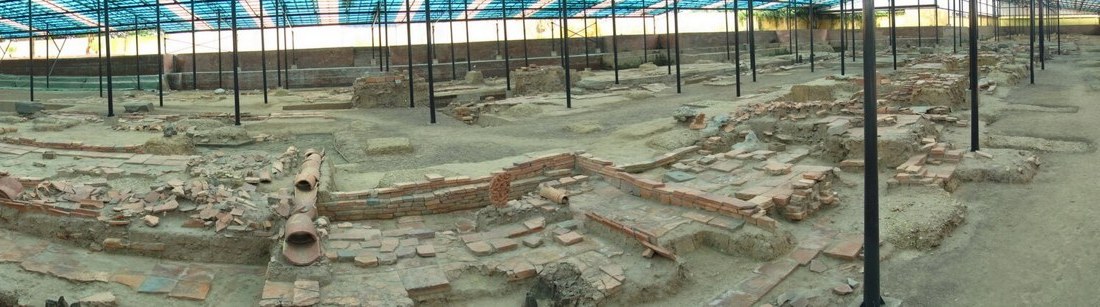
An easy way to understand the site is to start with the master layout, locate where you are standing, and then choose one explained ruin to read about carefully. Clearly distinguish between what remains in situ versus display items or reconstructions. If anything is unclear, note your questions for a guide; there is no need to guess names for every brick foundation.
Do not step down into excavation pits, cross barrier ropes, or pick up material fragments. The photos in this article are archives from various periods and do not necessarily reflect current exhibition layouts or open areas on the day of your visit.
How to prepare for your visit
- Confirm in advance: Opening hours, entrance gates, current ticket prices, and whether the archaeological site is included in the active visitor route.
- Choose your focus: Architecture, artifacts, or archaeology. If time is limited, pick one theme rather than trying to see everything.
- Travel light: Wear walking shoes, bring water and compact sun protection; consider a small umbrella if rain is forecasted.
- Visiting with guests needing assistance: Check ahead regarding steps and accessible routes rather than assuming based on photos.
- Keep your schedule flexible: If a section is closed for preservation or curation, spend time exploring the open areas instead of trying to access restricted zones.
What to take away from your tour
A memorable visit does not necessarily end with memorizing dates. By simply understanding why a gateway, a decorative artifact, and a foundation each tell different parts of history, you will gain a much deeper perspective on this landmark. Before you leave, try picking one detail that sparked your curiosity and note it down to research further.