When is the Best Time to Visit Hue? Weather and Seasonal Guide
Hue is not only beautiful on sunny days. Each period of the year brings a different rhythm of experience: gentle spring, summer suitable for beach trips, and rainy days that make the ancient capital’s architecture quiet and reflective. Therefore, the answer to “when is the best time to visit Hue?” depends on what you want to feel during your trip.
What is unique about Hue’s climate?
Hue is located in Central Vietnam and has fairly distinct seasonal shifts. The beginning of the year is usually cool, the middle of the year has plenty of sun, and the final months may experience prolonged rain. Temperatures and rainfall can vary from year to year, so short-term forecasts before your trip are always more reliable than word-of-mouth experience.
The easiest time to visit: February to April
This is usually the period with relatively mild weather, suitable for walking inside the Imperial City, visiting royal tombs, and cycling around the city. Early spring landscapes are green, the sun is not too harsh, and evenings can be slightly chilly.
If you travel during festival times or weekends, crowds at famous sites will increase. You should visit the Imperial City early in the morning, leaving the afternoon for Thien Mu Pagoda, the Perfume River, or a tomb shaded by many trees.
Hue in summer: May to July
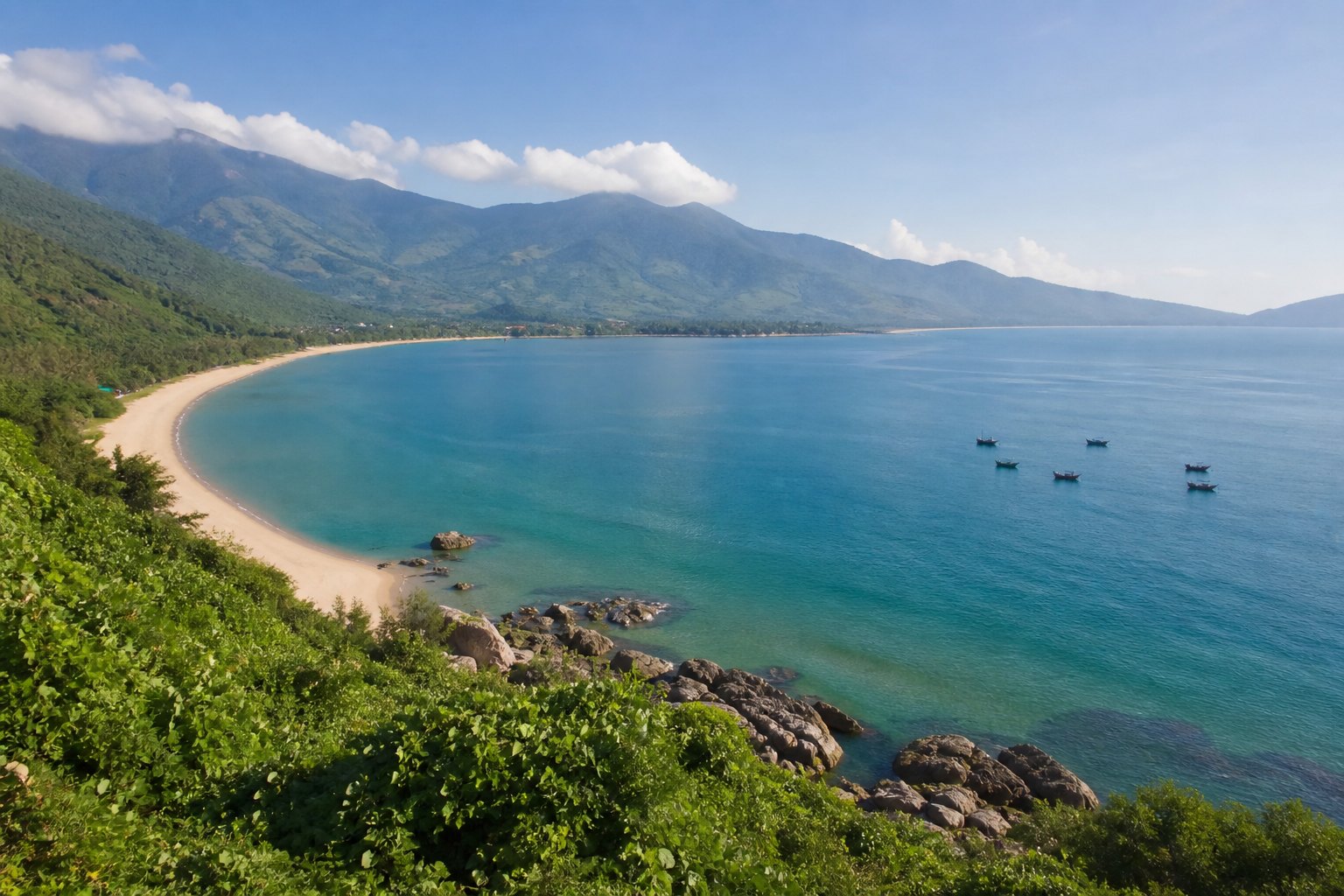
Summer usually features plenty of sun and high temperatures, but it is ideal if you want to combine heritage sites with the beach. Lang Co, Thuan An, and lagoon areas make the itinerary more diverse rather than just visiting ancient structures.
In the city, activities should be split into two time frames: going out early before the strong sun and resuming after about 3:00 PM. Midday can be used for resting, eating Hue dishes, or visiting indoor spaces. Hats, drinking water, and sunscreen are essential items.
August: Slow-paced Hue before the rainy season
August may still have nice sunny days, but the weather begins to transition. This is a suitable time for travelers who prefer a less crowded Hue and do not prioritize beach itineraries. Keep an indoor sightseeing plan ready in case sudden rain appears.
Hue’s rainy season: September to December
The end of the year is a time with risks of heavy rain and extreme weather impacts. The trip still holds its own beauty if you encounter light rain: tiled roofs, city walls, and riverside paths become deeper in color, suited for photography lovers and a nostalgic atmosphere.
However, safety must be prioritized. When there are warnings of heavy floods, inundation, or storms, you should reschedule rather than forcing the itinerary. Do not go into riverside areas, lagoons, or mountain passes when authorities advise limiting travel.
Which season should you visit Hue based on your needs?
- Exploring heritage: prioritize February to April for comfortable walking.
- Combining beach visits: consider May to July and check forecasts for sun and waves.
- Photographing atmospheric Hue: light rainy days at the end of the year have a distinct mood, but require flexibility.
- Traveling with elderly family members: choose cool weather, avoiding excessively hot days or prolonged rain.
- Wanting fewer crowds: travel on weekdays, avoiding peak festival seasons and long holidays.

Must-see spots in your Hue itinerary
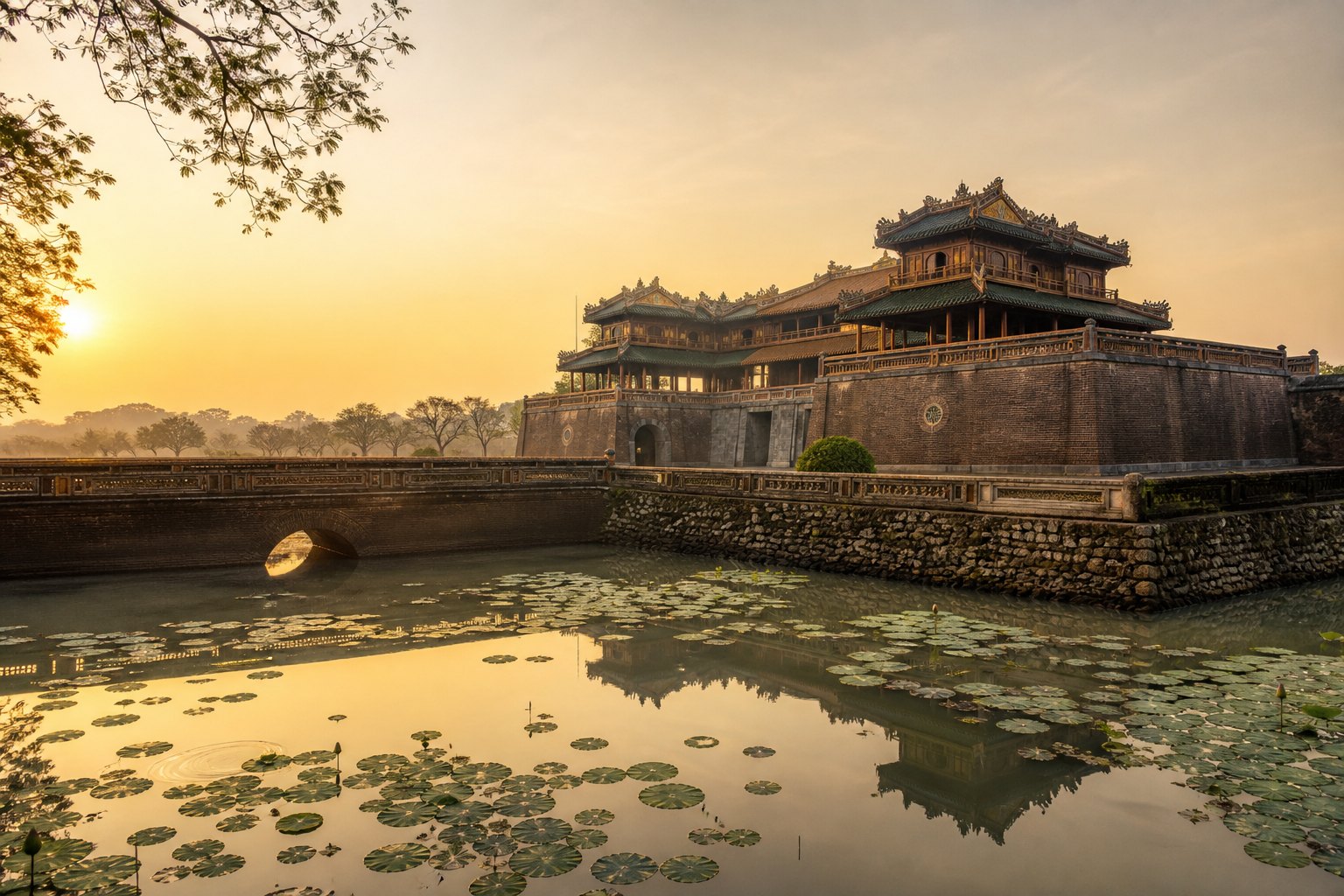
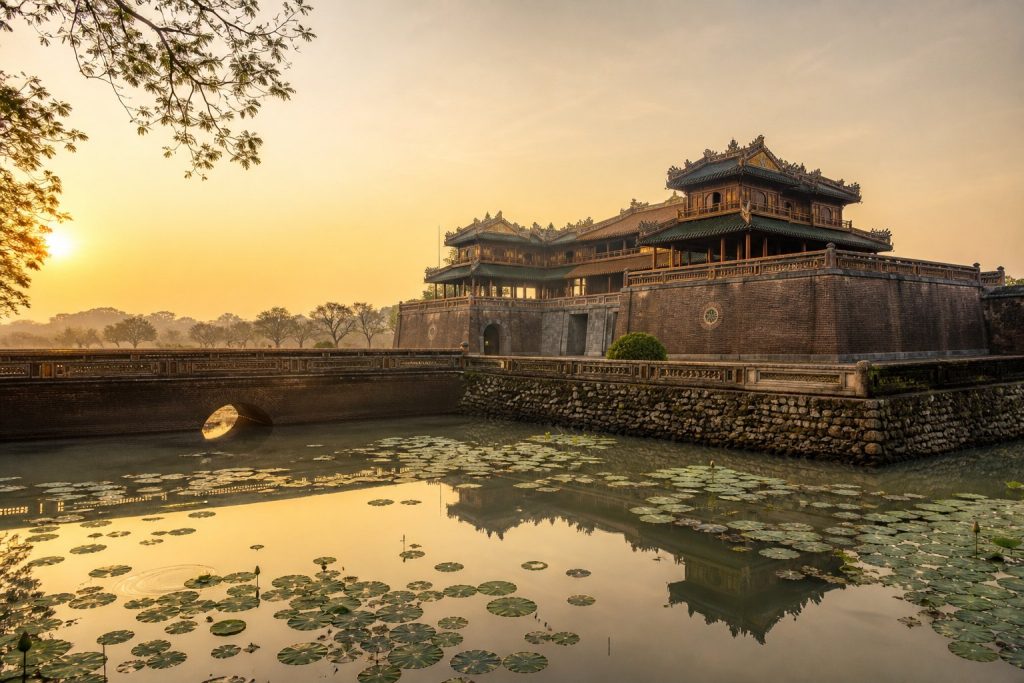
The Imperial City of Hue
This large heritage area requires at least half a day. Comfortable shoes, drinking water, and an early start will make the experience more comfortable.
The Nguyen Dynasty Royal Tombs
The tombs of Minh Mang, Tu Duc, and Khai Dinh have different styles. It is not necessary to visit all of them in one day; choosing two spots will keep the itinerary from feeling rushed.
Thien Mu Pagoda and the Perfume River
These are easily combined destinations in the late afternoon. If taking a boat tour, confirm the price, route, and duration before boarding.
Thuan An and Lang Co Beaches
Thuan An is closer to the center, while Lang Co fits an itinerary extending to the north of the city. Swimming availability depends on actual weather conditions.
Suggested 3-day 2-night Hue itinerary
- Day 1: Imperial City, Hue lunch specialties, Thien Mu Pagoda, and a stroll along the Perfume River.
- Day 2: Choose two Nguyen royal tombs, visit an incense village or suitable craft space.
- Day 3: Dong Ba Market and local cuisine; if weather is good, visit Thuan An or extend the journey to Lang Co.
Preparation tips
- Bring a folding umbrella or thin raincoat because Hue’s weather can change quickly.
- Choose modest clothing when entering palaces, tombs, and pagodas.
- Do not pack too many heritage sites into a single day.
- Check opening hours and weather reports before heading out.
- Prioritize clean dining establishments with clearly listed prices.
If you want the smoothest trip, February to April is the easiest option to balance. If you love the beach, choose early summer; if you like ancient charm and don’t mind changing plans, Hue’s rainy season also carries a very unique poetry.