Vietnam Travel Map: Choosing Destinations by Region and Season
Vietnam spans multiple climate zones and topographies, so a useful “travel map” is not just a list of provinces. An easier way to plan is to divide journeys by characteristics: mountains and plateaus, heritage and cities, river deltas, coastlines, and islands.
This article helps you choose destinations by region, season, and type of experience. Place names are used as travelers commonly search for them; when you click on a place tag on the website, you can view related articles in the same area.
The North: Mountains, Old Quarters, and Four Distinct Seasons
The North suits travelers who enjoy landscapes that change with the seasons. Hanoi is a convenient starting point for cultural, culinary, and short trips. From here, travelers can easily connect to Ninh Binh, Ha Long, Moc Chau, Sa Pa, Ha Giang, or Tam Dao depending on the available time.
Hanoi and the Delta
Hanoi appeals with its old quarter, lakes, museums, and the rhythm of life in every small alley. Ninh Binh combines limestone mountains, rivers, and historical sites, ideal for a two- to three-day trip. If traveling in summer, plan outdoor visits for early morning and reserve midday for indoor spots.
Northeast and Northwest
Ha Giang suits journeys exploring mountains, villages, and long scenic passes; Sa Pa offers a cool climate, terraced fields, and numerous walking trails; Moc Chau stands out for tea hills, flower seasons, and highland spaces. Mountain roads require experienced drivers, weather checks, and a flexible schedule without rushing.

The Central Region: Heritage Linked with Blue Seas
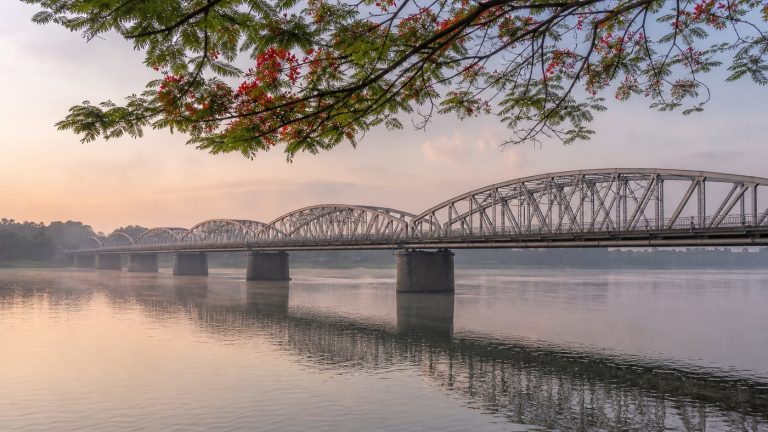
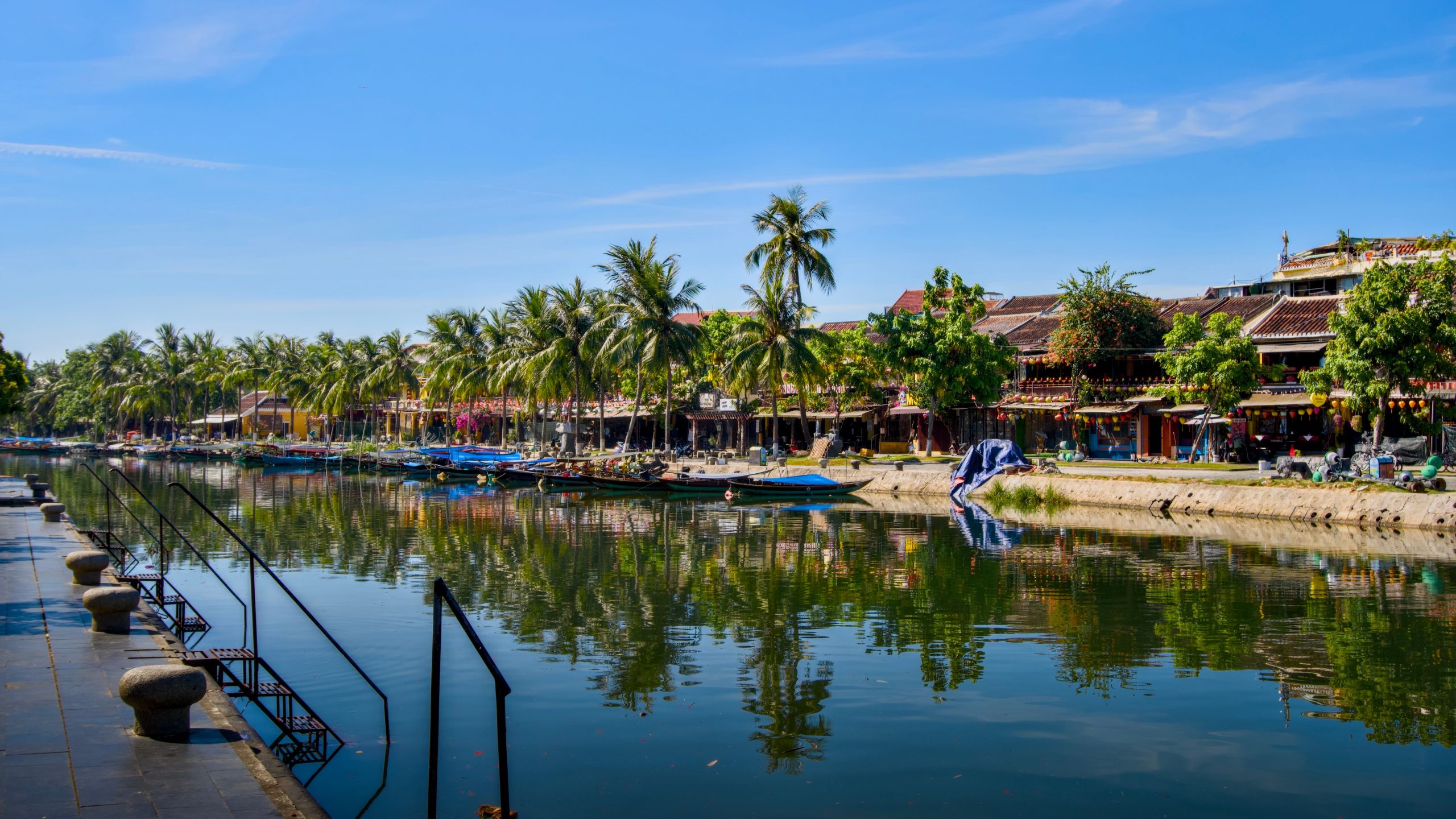
The Central region benefits from famous destinations forming a continuous chain. Hue, Da Nang, and Hoi An can be combined into one itinerary; further south lie Phu Yen, Nha Trang, and sun-drenched coastal strips. Island lovers can consider Ly Son or nearby bays and islands when boat conditions are favorable.
Hue – Da Nang – Hoi An
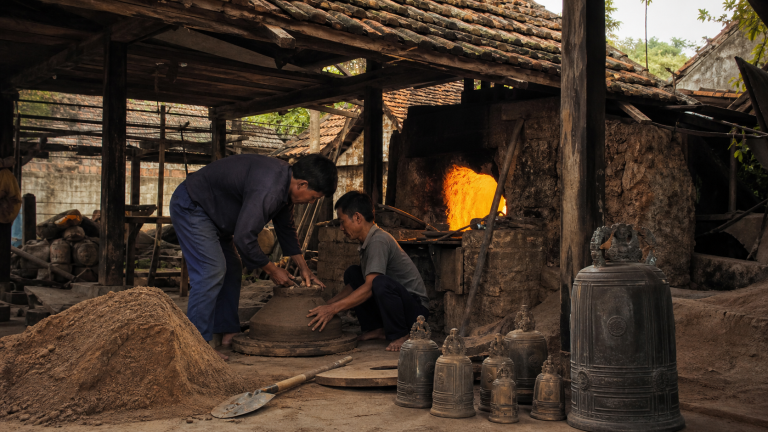
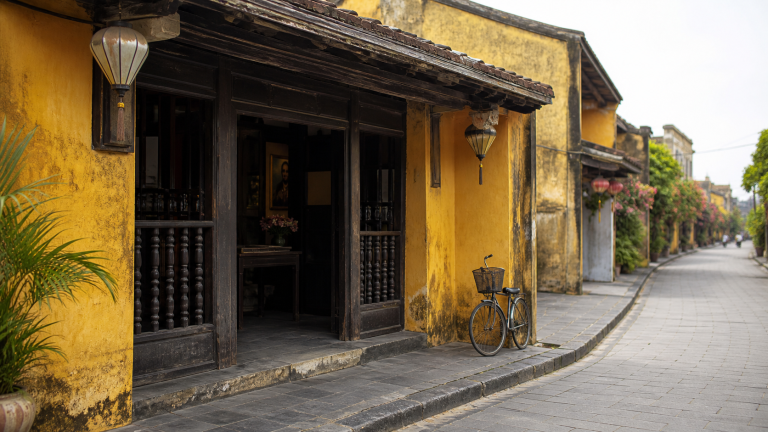
Hue is for those who love history, architecture, and cuisine; Da Nang offers easy transit, beaches, and diverse services; Hoi An is suited for slow travel, exploring the ancient town and craft villages. These three locations share different styles yet moderate distances, convenient for a four- to six-day trip.
Phu Yen – Nha Trang – The Coastal Strip
Phu Yen boasts open beaches, rocky cliffs, and largely untouched landscapes. Nha Trang combines beach relaxation, island tours, and seafood cuisine. Rough seas can alter boat schedules, so avoid rigid hourly plans; always prepare an onshore sightseeing backup.
The Central Highlands: Plateaus, Forests, and Indigenous Culture
The Central Highlands offer more than just coffee. Da Lat and various parts of Lam Dong suit cool climates, pine forests, and farms; deeper areas into the plateau feature waterfalls, lakes, and community cultural spaces. Experiences become more meaningful when choosing transparent local operators who respect indigenous daily life and avoid turning rituals into casual performances.
The rainy season keeps vegetation lush, but roads to waterfalls and forests can become slippery. The dry season offers easier travel, though sun and wildfire risks require attention. For trekking routes, guides are recommended and unauthorized entry into restricted areas should be avoided.
The South: Cities, Nearby Beaches, and River Deltas
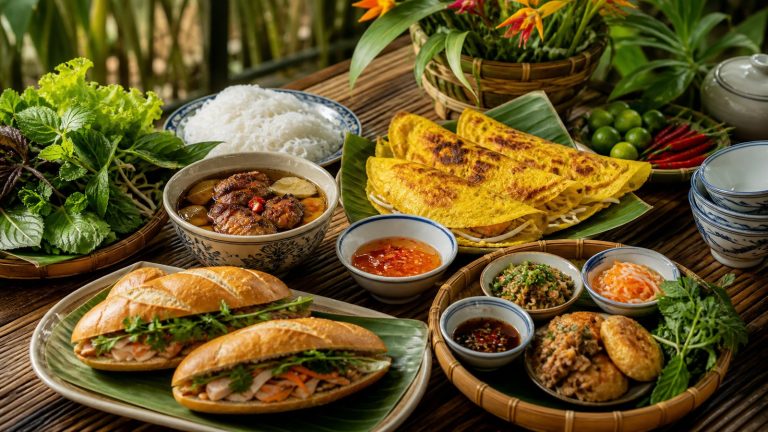
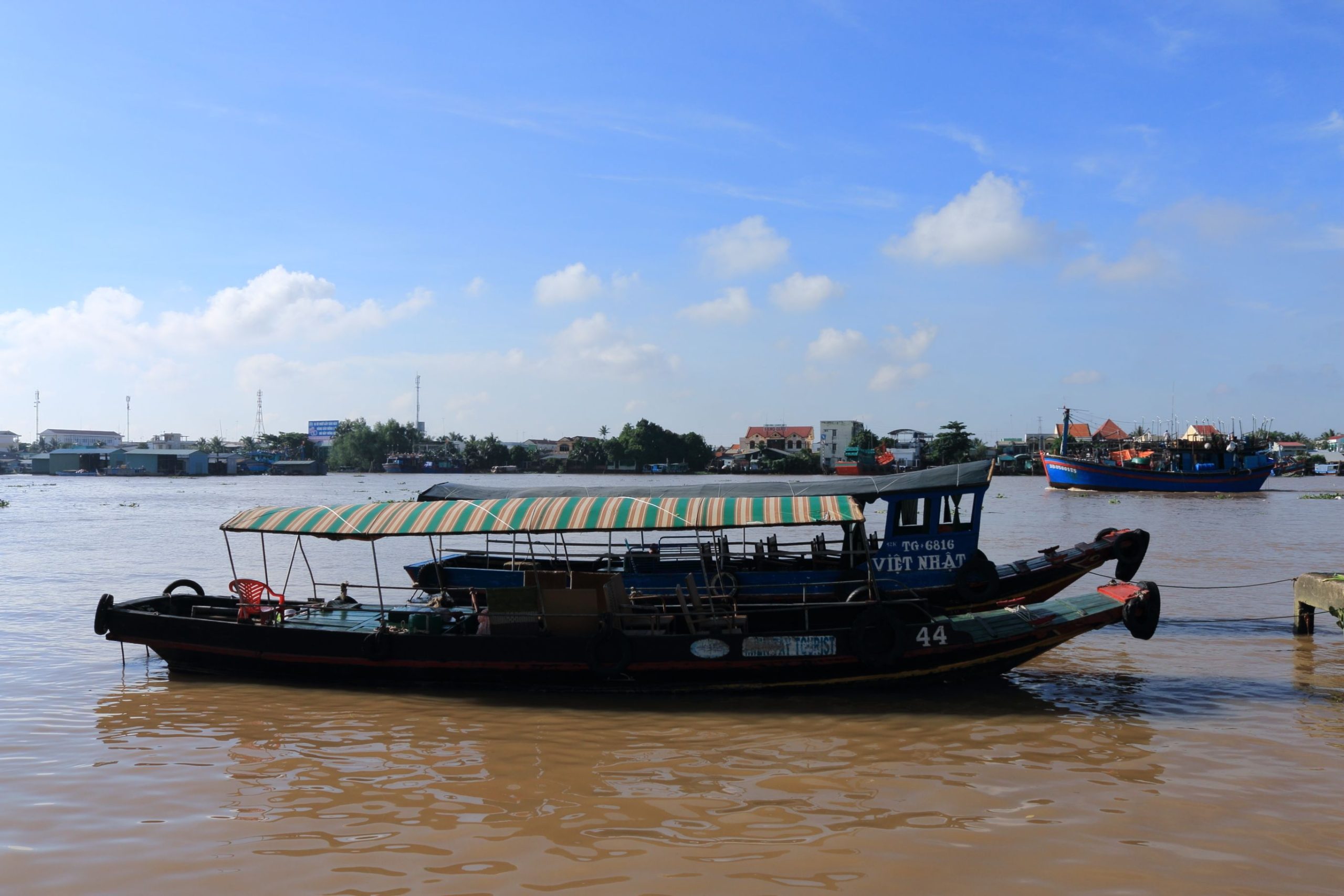
Ho Chi Minh City serves as a transportation hub and an urban culinary destination. From here, travelers can visit Vung Tau for a short trip or connect to the Mekong Delta provinces. Can Tho, Ben Tre, An Giang, and Bac Lieu present different nuances of markets, orchards, waterways, culture, and cuisine.
How to Experience the Mekong Delta?
Instead of trying to visit too many places in a single day, choose an experiential cluster: floating markets and food in Can Tho; orchards and rural lanes in Ben Tre; landscapes, beliefs, and the flood season in An Giang. River activities usually start early, so sleep near the piers and inquire about lifejacket standards.
Vung Tau and Short Coastal Trips
Vung Tau is convenient for weekend getaways, though it gets crowded during holidays. Starting early, choosing suitable beaches, and checking safe swimming zones makes the trip smoother. For quiet surroundings, avoid peak hours or stay an extra weeknight.
Islands: Choosing by Wind Season and Transport Access
Phu Quốc, Hạ Long, Cát Bà, Lý Sơn, and the islands around Nha Trang each have distinct traits. When planning island trips, the most important factor is not check-in schedules, but weather, ferry status, and traveler health. Each coastal area has different favorable seasons; do not apply the experience of one island to all.
For families with young children or elderly members, prioritize routes with fewer transit legs, accessible accommodations, and well-paced activities. Always obey swimming warnings, wear lifejackets on boats, and refrain from taking coral or marine life as souvenirs.
Suggested Regions by Preference
- First-time visitors: Choose an easily navigable cluster like Hanoi – Ninh Binh, Hue – Da Nang – Hoi An, or Ho Chi Minh City – Mekong Delta.
- Cool climate lovers: Consider Sa Pa, Moc Chau, Ha Giang, Tam Dao, or Da Lat.
- Beach priorities: Nha Trang, Phu Yen, Da Nang, Phu Quoc, Vung Tau, or Ha Long depending on the season.
- Culture enthusiasts: Hanoi, Ninh Binh, Hue, Hoi An, An Giang, and community spots in the Central Highlands.
- Slow travelers: Select only one main base for three to five days, alternating between active and rest days.
How to Create Your Own Itinerary Map
Mark main destinations, the nearest airport or station, actual travel times, and a backup plan for rainy days. Then, group locations in the same direction rather than backtracking. Aim for only one main activity and one light activity per day; leave the rest for meals, rest, and unexpected discoveries.
A good travel map does not need to list every single destination. It should help you visualize logical routes, pick the right season, and understand what experiences you seek. From this overview map, click on the regional and destination tags on Đi Đây Đi Đó to read more deeply before finalizing your schedule.