Nha Trang Twin Beach: Experience and Conservation Notes
Nha Trang Twin Beach impresses visitors with two bodies of water situated close to each other, separated by a narrow strip of land. Its unusual landscape, clear water, and offshore location make it appealing to sea lovers, but the trip requires careful preparation since access depends heavily on weather and conservation conditions.

What makes Twin Beach different?
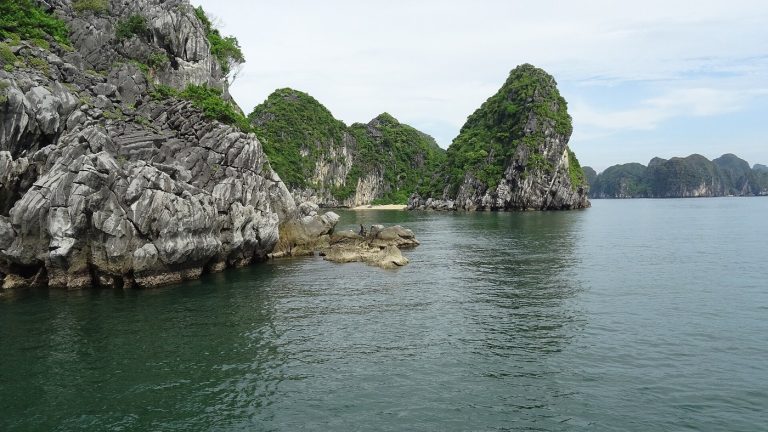
The standout feature is the two water bodies on either side of a narrow sandbar or rock ridge. Thanks to this geography, the water color and wave stillness on each side can differ depending on the wind direction. From an elevated vantage point, the coastline forms a near-symmetrical layout that is easy to recognize.
This area is often mentioned alongside Hon Noi and Yen Island in Nha Trang Bay. It is an island environment with a sensitive ecosystem, meaning visits do not function like a free public beach. Travelers must check current access regulations, allowed visiting hours, and sea conditions before departure.
Recommended experiences
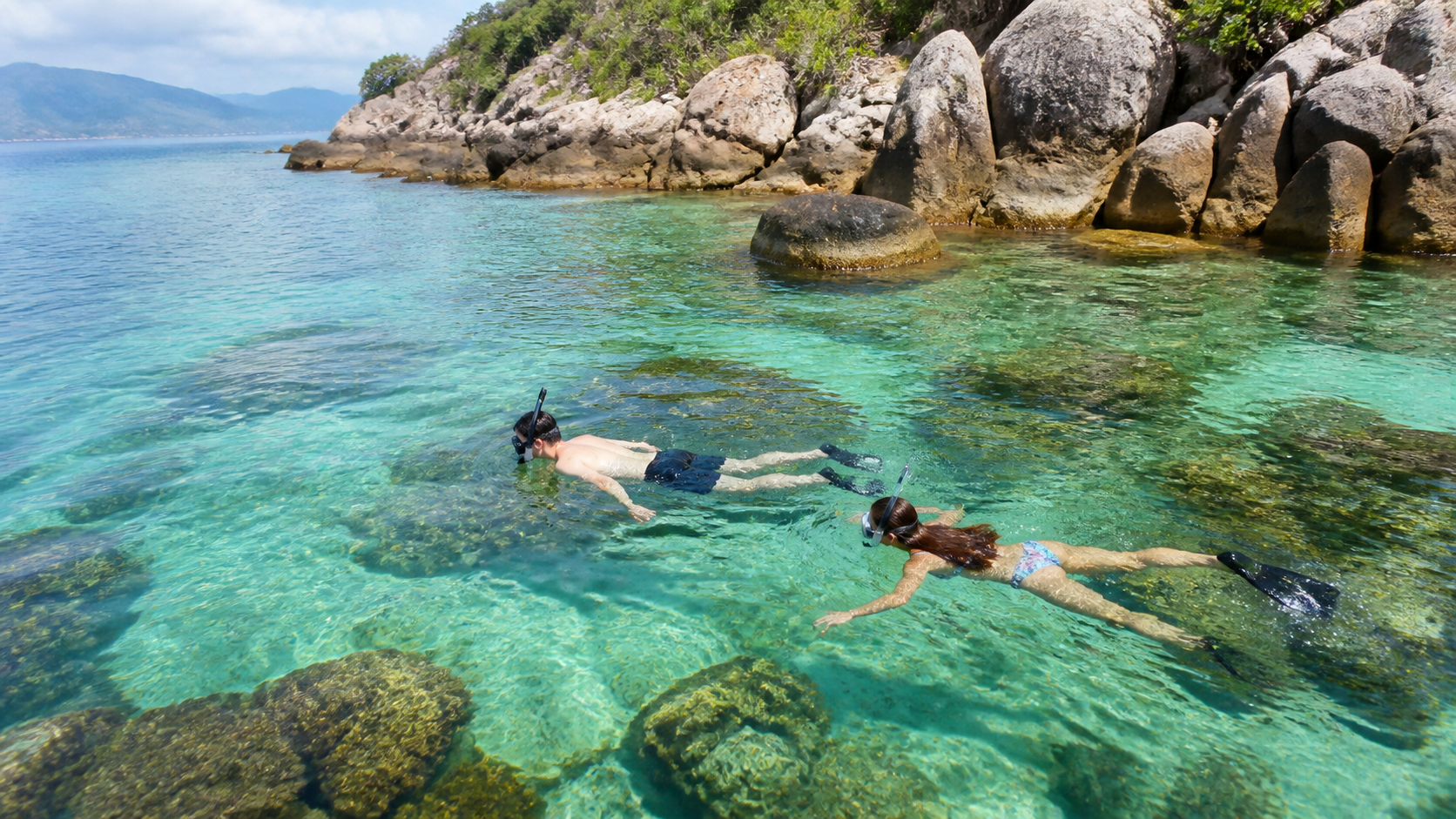
Enjoying panoramic views from high ground is the most worthwhile activity. If walking trails are open and the weather permits, bring shoes with good grip, walk slowly, and do not step outside designated paths. In permitted swimming areas, you can swim near the shore or snorkel, but only do so with a guide and proper safety equipment.
The best photos usually come from high angles looking down at the two bays or at the water’s edge during the morning. There is no need to pose right at the edge of the rocks, climb over railings, or enter nesting bird areas. A safe photograph that does not disturb the environment is always more valuable than a risky shot.
Preparation before the trip
- Monitor forecasts for wind, waves, and daily operational notices.
- Bring motion sickness medication, drinking water, hats, and reef-safe sunscreen.
- Wear shoes or sandals with traction; avoid slippery footwear when walking on piers and rocks.
- Keep a distance from bird nests, and do not pick up eggs, feathers, coral, or shells.
- Leave no trash; limit single-use plastics and follow the instructions of site managers.
When should you avoid going?
Do not set out during rough seas, thunderstorms, high winds, or when access restrictions are announced. Individuals with cardiovascular conditions, poor balance, or severe motion sickness should carefully consider visiting, as the journey may involve boat legs and steep paths. Young children require appropriately sized life jackets and close adult supervision.

Twin Beach is beautiful because of its rare terrain and sense of detachment from the city. The most fulfilling experience lies not in trying to visit at all costs, but in choosing a calm sea day, following regulations, and leaving the landscape intact after departing.