Vietnamese Fresh Spring Rolls: Fillings, Dips and Eating Guide
Fresh spring rolls are a gentle introduction to Vietnamese wrapped dishes, featuring visible layers of ingredients under translucent rice paper. A shrimp and pork roll differs from a vegetable roll, and the exact same filling can taste quite different depending on the dipping sauce. When trying this dish during your trip, start by asking about the ingredients rather than simply ordering based on a photo.
Identifying Fresh Spring Rolls Through Rice Paper
Fresh spring rolls typically contain rice vermicelli, herbs, and shrimp or pork wrapped in rice paper. This is an unfried roll, distinct from crispy fried spring rolls like nem ran or cha gio. They should also not be confused with pho rolls, which use fresh flat pho noodle sheets as the wrapper.
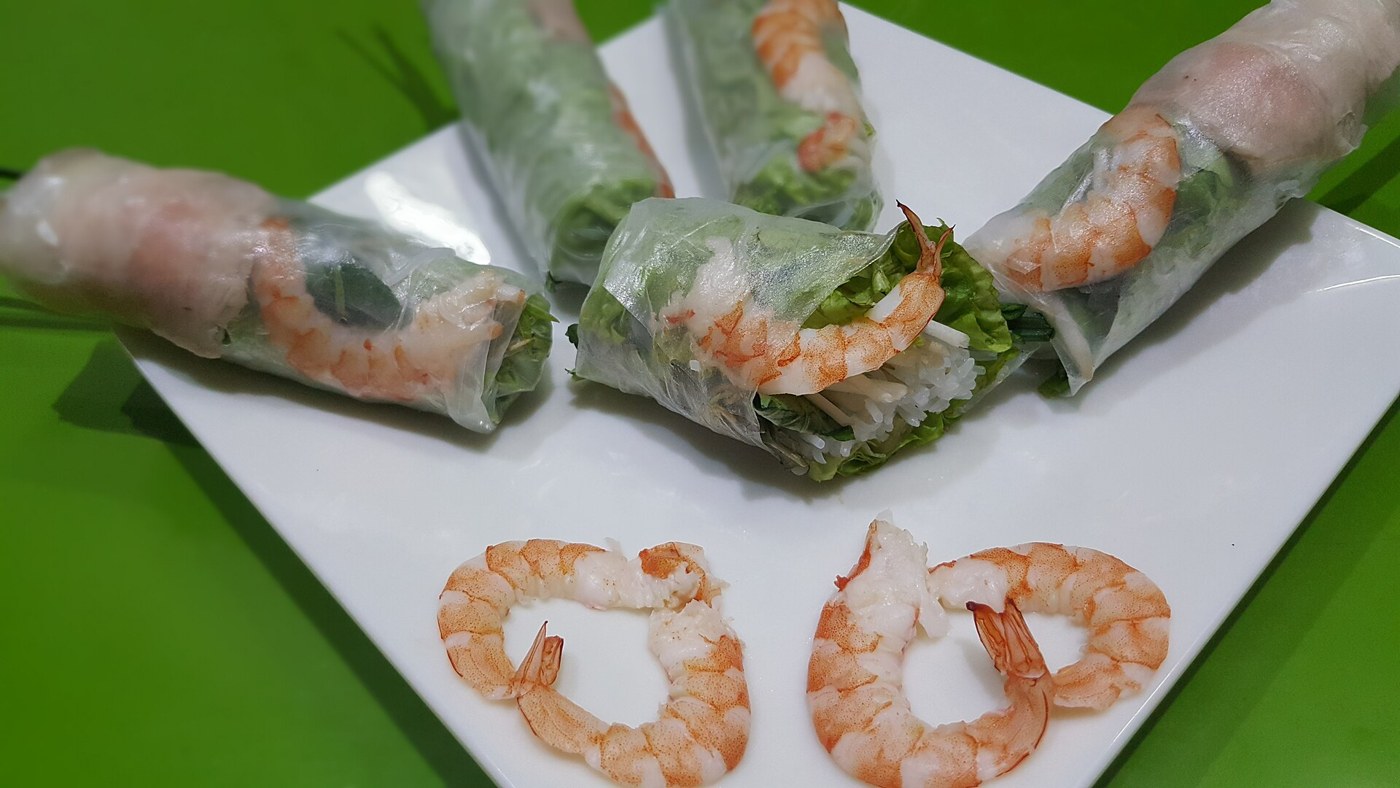
In the photo above, the shrimp and vermicelli are clearly visible through the wrapper. However, seeing shrimp does not mean you know every ingredient inside. If you have dietary restrictions, ask about both the fillings and the dipping sauce; a photograph cannot replace an answer from the person preparing the dish.
Choosing Fillings First, Then Quantities
Shrimp and pork are common choices, but vegetarian variations with tofu and mushrooms also exist. Do not assume any roll without visible meat is automatically vegetarian: always ask about the preparation method and the accompanying sauce. When dining with a group, specifying the exact number of each type of roll helps prevent confusion when the food arrives.
If you are trying multiple Vietnamese dishes in a single meal, start with a small portion and order more if needed. Ask the vendor whether prices are calculated per roll or per plate, and how many rolls come on a plate. Sizes can vary, so the quantity seen in photos is not a reliable way to gauge real-world portion sizes.
Dipping Sauces Change the Experience
Different regions and vendors may serve different dipping sauces. Always ask what kind of sauce is provided, especially if you need to avoid certain ingredients. Do not guess based on brown or yellow colors or thickness alone; appearance does not fully reveal the recipe.
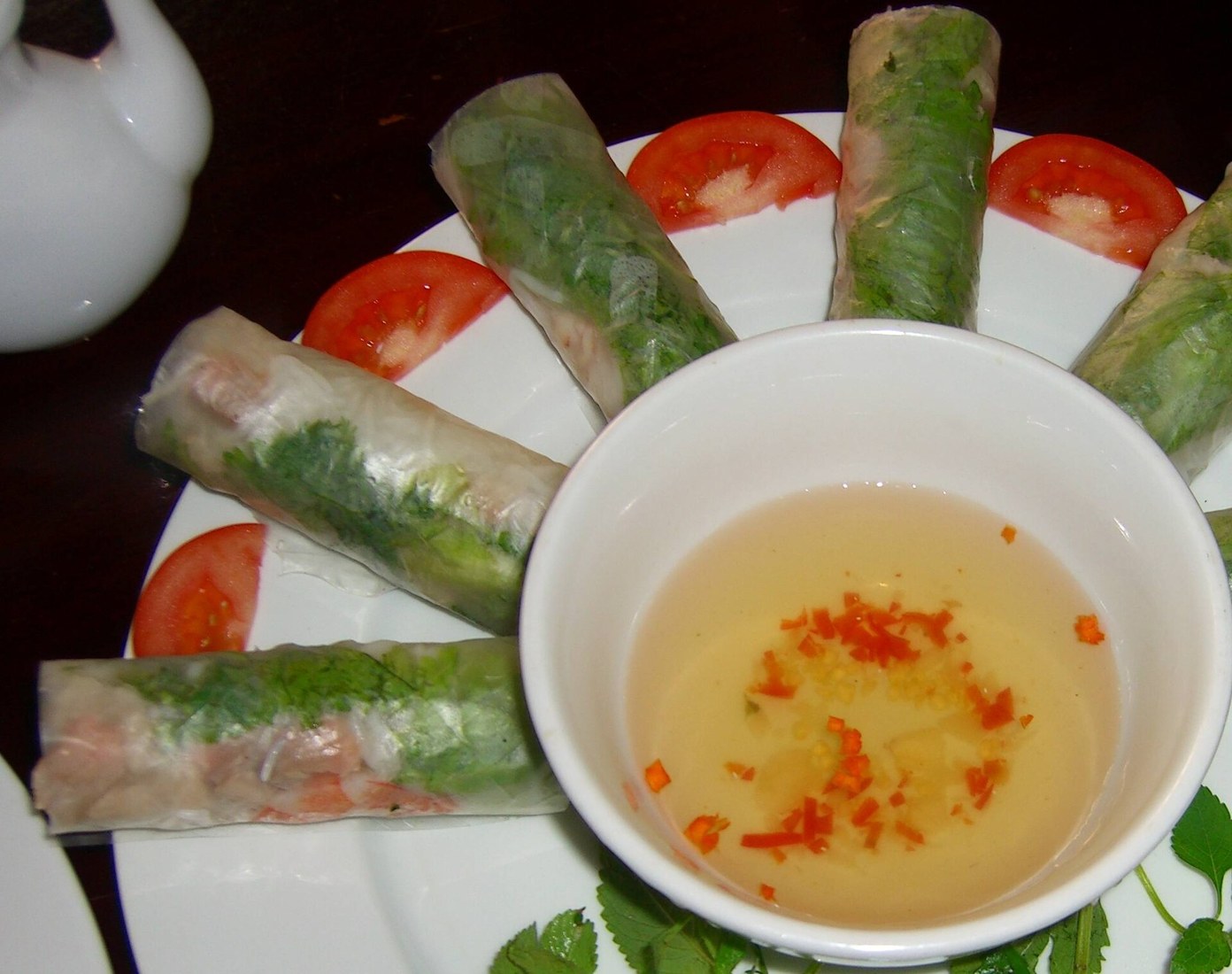
Dipping just one end of the roll in a moderate amount of sauce lets you taste both the filling and the sauce. If you prefer extra spice, using a separate small bowl is more convenient when dining with others who have different preferences. There is no need to submerge the entire roll in sauce before eating, especially if you want to keep the wrapper easy to hold.
Pre-Made Versus DIY Rolls Are Two Different Experiences
A plate of spring rolls may be served ready to eat, or a meal might involve raw ingredients for you to wrap yourself. Do not assume ordering spring rolls always includes a DIY activity. Ask in advance if you want the hands-on rolling experience, and follow the staff’s guidance regarding the type of rice paper being used.
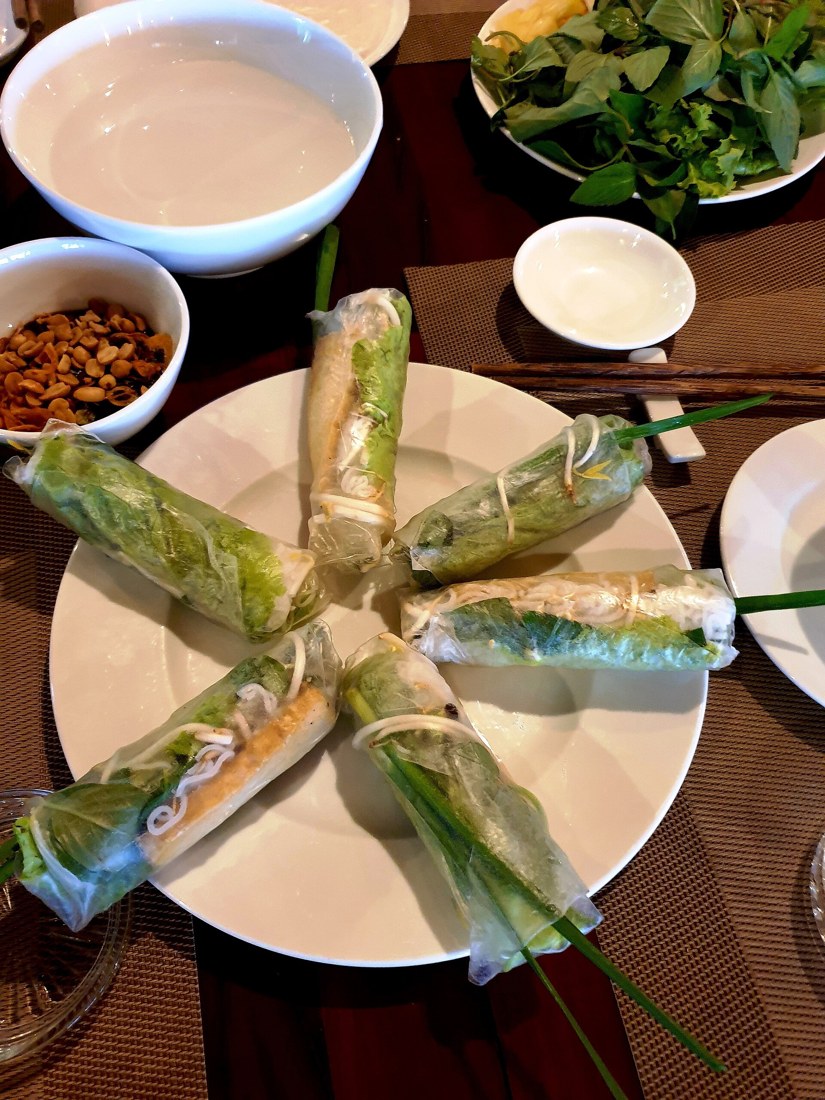
With DIY rolls, try a small amount of filling in your first roll to get the hang of it. Arranging ingredients neatly makes the roll easier to hold and dip than trying to cram too much inside at once. If you only order pre-made portions, there is no need to take a roll apart just to recreate a video scene; you can easily observe the filling layers through the wrapper and at the cut ends.
Adding the Dish to Your Vietnamese Culinary Itinerary
When visiting Hanoi or Ho Chi Minh City, you can include fresh spring rolls as part of a meal featuring various Vietnamese dishes. Prioritize locations convenient to your travel route, and check menus and operating hours directly. This article does not recommend specific dining venues or guarantee current pricing.
- Before ordering: ask about fillings, dipping sauce types, and the number of rolls per portion.
- When sharing: keep different filling types distinct and use separate dipping bowls if flavor preferences vary.
- When taking away: ask for the sauce to be packed separately, keep the container upright, and check your order before leaving.
- When recording your experience: describe the actual meal you ate rather than assuming all spring rolls in any given city are identical.
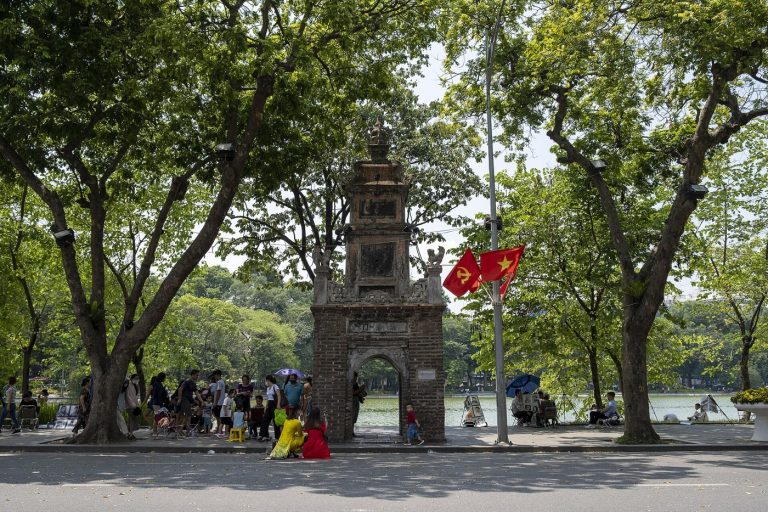
The images in this article are archival photos: an illustrative food shot, a picture from Hanoi in 2005, and a photo from Cai Be. They help identify fresh spring rolls and do not constitute a restaurant review or a guarantee of current menus.