My Son: How to Explore Cham Architecture and Prepare for Your Visit
My Son is worth dedicating a slow-paced morning or afternoon to, especially if you appreciate architecture and want to understand Cham cultural traces. Instead of just searching for a popular photo angle, try observing the overall tower shapes and door frames before moving on to the small details on the brick and stone surfaces. This approach adds depth to your trip even if you do not have extensive prior knowledge of the heritage.
A Few Things to Understand Before Entering the Temple Complex
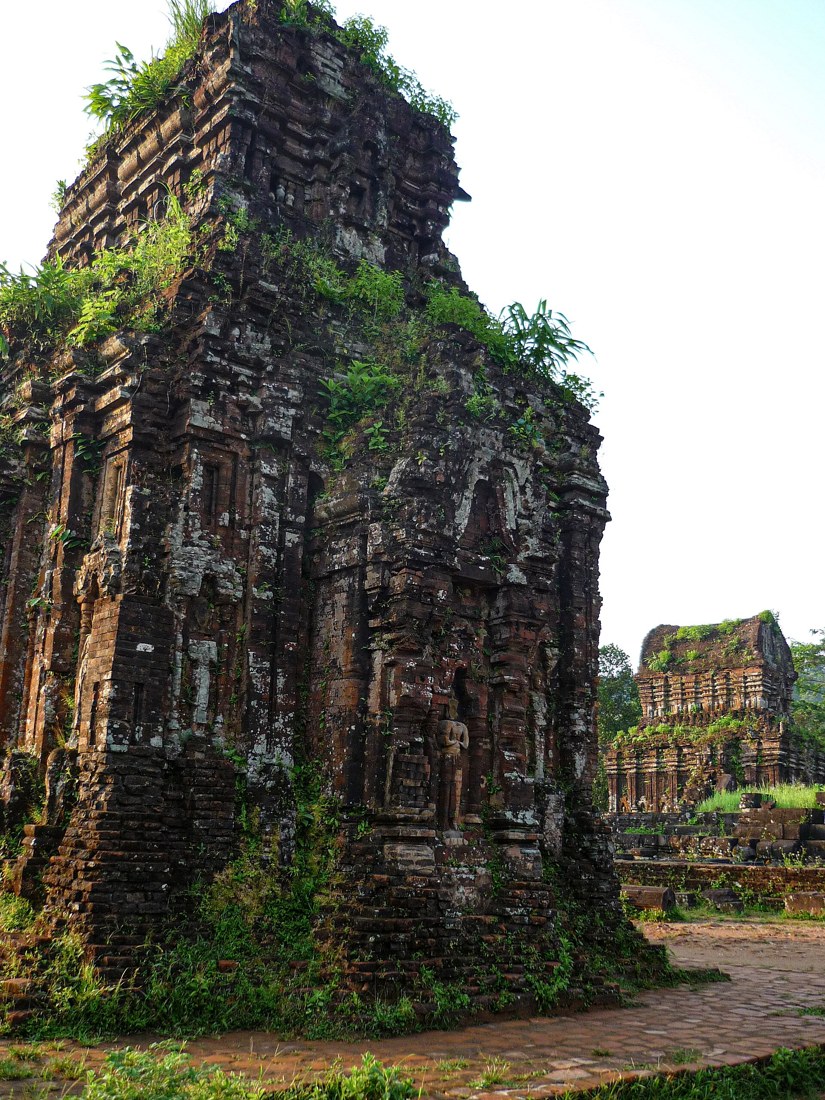
My Son is a complex of tower-temples associated with the Champa kingdom, which developed over several centuries from the 4th to the 13th century. The structures reflect Hindu influences in Cham cultural life. The brick towers, stone architectural components, and reliefs are key elements to note when visiting. The heritage site was inscribed by UNESCO in 1999.
This was not a single construction built all at once and kept unchanged until today. Therefore, you should not hastily conclude that two wall sections of different colors are of the same age or that all towers served the same function. Reading the introduction at each stop, or asking a guide for explanations, is more useful than guessing from shapes alone.
Three Layers of Observation to Avoid Just “Looking and Leaving”
Look at the Big Picture First
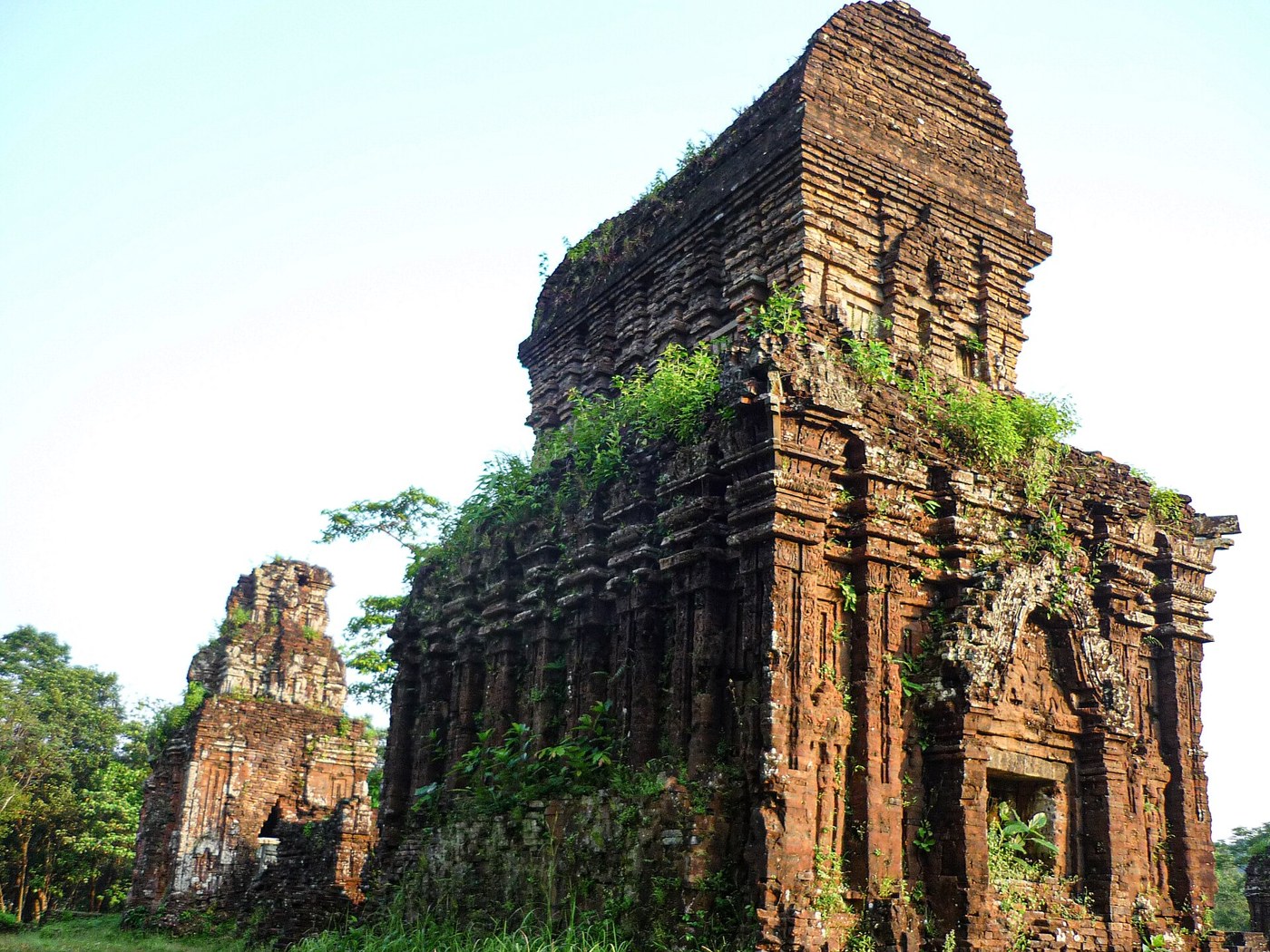
Choose a standing spot that does not block the path to observe how the structures relate to one another. Notice which tower is taller, which side faces the light, and where pathways draw your eye. You do not need to memorize all the names; a panoramic photo and a few short notes are enough to help you distinguish the spots you visited.
Get Closer with Your Eyes, Not Your Hands
From the permitted distance, pay attention to doorframes, protruding wall sections, and the transitions between brick and stone. You can zoom in on photos to review them later instead of touching or leaning against the monument surfaces. Do not climb onto bases, platforms, or walls just because you see someone else doing so.
Read Information Specific to Each Structure
When a detail sparks your curiosity, cross-reference it with the introduction panel of that exact area. Online photos sometimes lack captions or use the general name “My Son,” which is insufficient to identify a specific tower. If you are unsure, describing what you see is better than guessing names or eras.
Preparing for an Outdoor Walking Tour
Wear comfortable walking shoes, bring drinking water, a hat, and a compact bag. Prioritize lightweight items so you do not have to constantly adjust your gear when stopping to observe. Check the weather forecast before your trip; on sunny days, actively schedule breaks, while after rain, watch out for the path conditions and slippery spots.
Families with young children or visitors who prefer less walking should choose a shorter visiting pace. Ask staff about open routes, required walking distances, and available support options before entering, rather than assuming every area is easily accessible. Do not use the itinerary of a fit, active group as the standard for your whole family.
Taking Photos Without Impacting Heritage
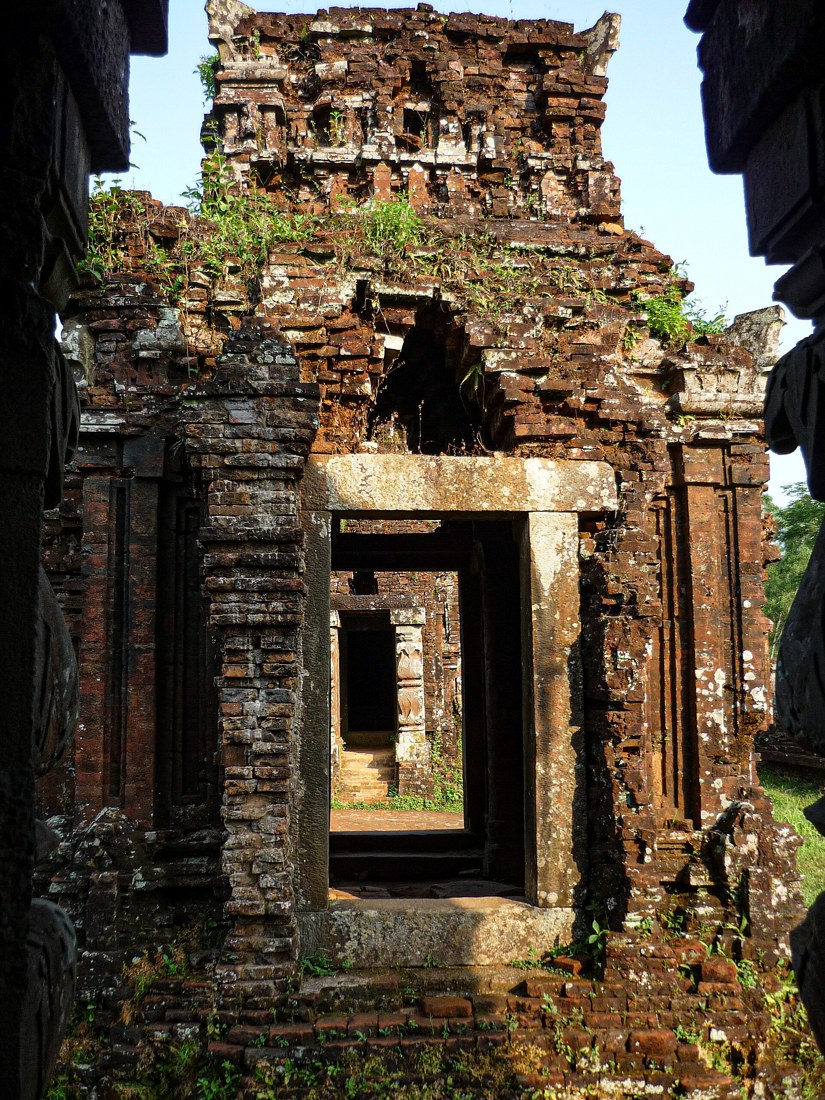
Door frames and layered walls can create a beautiful sense of depth in your photos. Find an angle from the permitted walkways, wait for people ahead to move, and then take the shot; do not cross fences or enter restricted zones just for an empty frame. Maintaining distance from the structures also helps your photos capture their true shapes rather than just a flat wall right up against the lens.
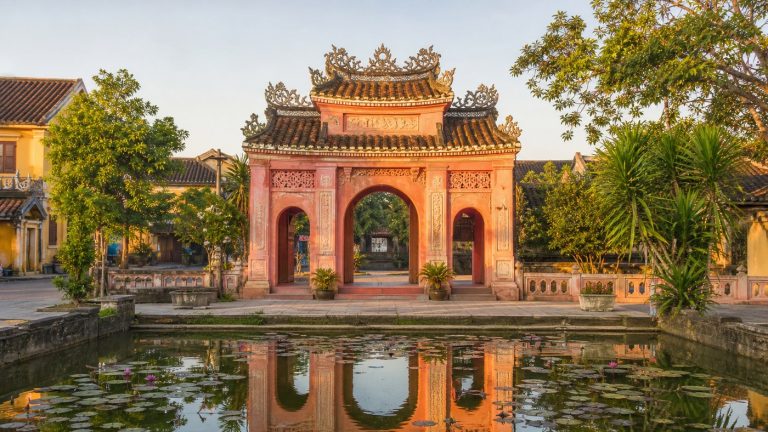
Do not move pieces of brick or stone, pick up small objects as souvenirs, or place food on the monuments. If you want to photograph a visitor as the main subject, ask for their permission first. The archival photos in this article illustrate the architecture; access routes and preservation conditions on the day you visit may differ.
Organizing Your Journey from Hoi An or Da Nang
When planning, locate the exact “My Son Temple-Tower Complex,” check pickup and drop-off points, and budget travel time separately from visiting time. Do not schedule another activity too close to your expected end time: traffic, weather, and your group’s walking stamina can all change the schedule.
Before your trip, confirm opening hours, visiting regulations, and current fees with the management authority. If you are interested in a cultural presentation at the destination, ask for the schedule of your exact intended day of visit rather than relying on an old shared post. This article focuses on independent heritage visits rather than all-inclusive tour packages.
What Should You Focus On?
For your first visit, you can set three simple goals: gain a general understanding of the complex, recognize a few architectural details, and take time to look at the overall panorama before leaving. There is no need to turn the outing into a test of memorizing tower names. What is worth taking away is a clearer understanding of the heritage and a mindful way of visiting that respects what remains.