Hai Van Pass: Scenic Routes and Preparation Tips
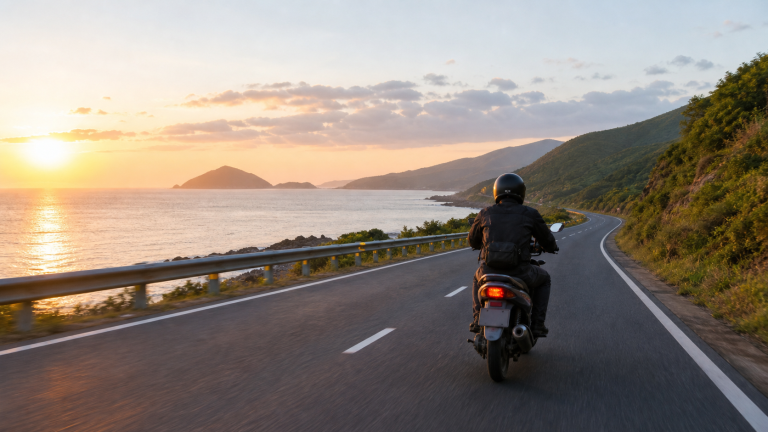
Hai Van’s appeal lies in the transition between mountains and the sea: some sections reveal roads hugging steep slopes, while distant views fade into layers of blue mist. However, planning a trip across the pass requires the mindset of a mountain journey, not a casual city drive. The most important decision is choosing the right route and a competent driver.
The mountain pass and the road tunnel are two different experiences
Hai Van Pass sits between the Hue and Da Nang regions, featuring a winding mountain road about 20–21 km long that climbs to an altitude of about 500 m. The tunnel cutting through the mountain is a separate route; driving through the tunnel does not mean you have experienced the pass road or seen the elevated viewpoints.
If you are riding as a passenger, agree on your sightseeing goals and intended route before departure. Do not wait until the vehicle has entered the tunnel before asking to turn back. If your only goal is transportation between two places, do not force the itinerary to include the mountain pass when weather or time conditions are unfavorable.
Choose how to travel based on realistic capabilities
- Traveling with a driver experienced in mountain roads: ideal if you want to focus on the scenery or are not confident operating a vehicle on slopes. Agree from the start to only stop at permitted and safe locations.
- Driving yourself: only consider this if you have the skills, a suitable vehicle, and valid operating credentials. Do not use this trip as your first practice session for mountain driving.
- Choosing an alternative route: if there is heavy rain, thick fog, poor health, or inadequate vehicle conditions, changing your plan is a sensible choice; you do not need to conquer the pass at all costs.
The driver must remain focused on traffic. Checking maps, choosing rest stops, and taking photos should be done before or after stopping completely in a suitable location, not while the vehicle is in motion.
What to lock in before travel day
Weather and route: check forecasts, warnings, and traffic conditions close to departure time. A picture of blue skies does not prove the pass is currently dry. You should also not chase fog just for a photo, as low visibility makes the journey more difficult.
Vehicle: check brakes, tires, lights, and fuel; address any abnormalities before hitting the road. With an unfamiliar vehicle, understand its operation before the trip, and do not try new maneuvers on a slope.
Time: factor in rest stops and a return plan. Prioritize traveling in adequate daylight; do not schedule arrival at a spot right at sunset if it forces you to rush or return when you are no longer confident.
Choosing stop points: wide areas may not permit parking
A curve that looks beautiful from a distance might be a spot with restricted traffic visibility. Do not stop at blind corners, near cliff edges, or where parking is prohibited. If you cannot find a suitable spot, skip the photo angle rather than braking harshly or making a sudden U-turn.
After stopping, stand only in safe, permitted areas. Do not climb over guardrails, grab onto trees, or step down mountain slopes to remove obstacles from your photo. Also, do not walk onto railway tracks, train bridges, or technical areas; places that appear in travel photos do not automatically become public tourist sites.
Observe the landscape without chasing famous angles
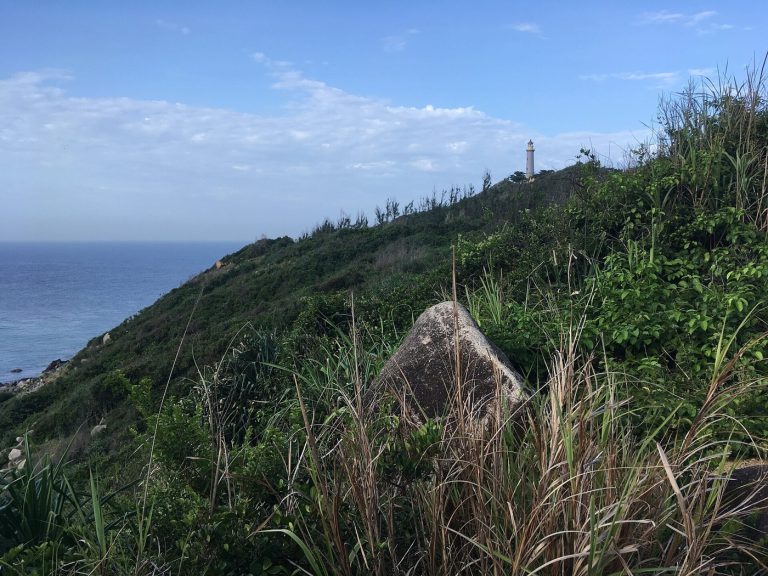
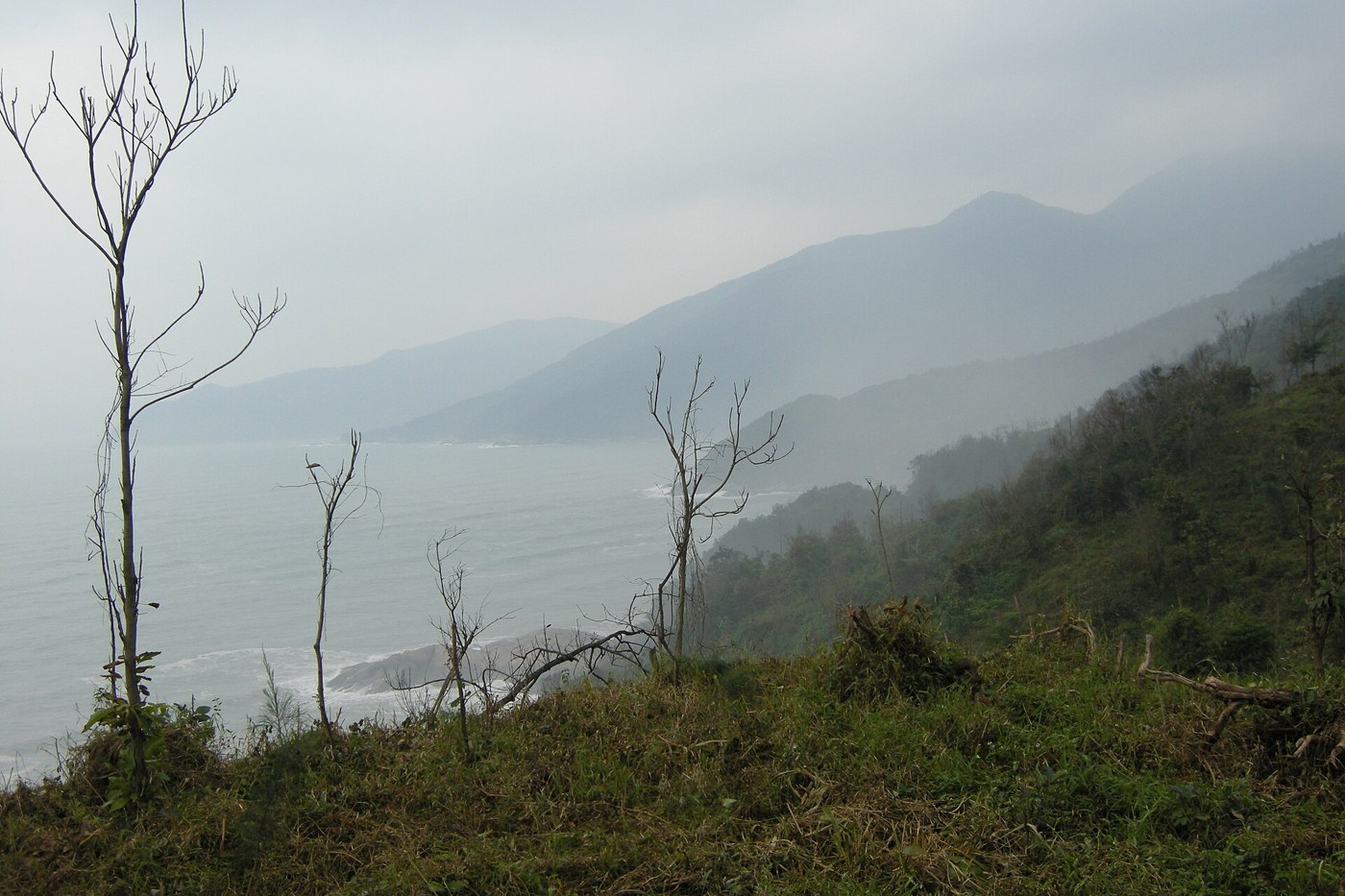
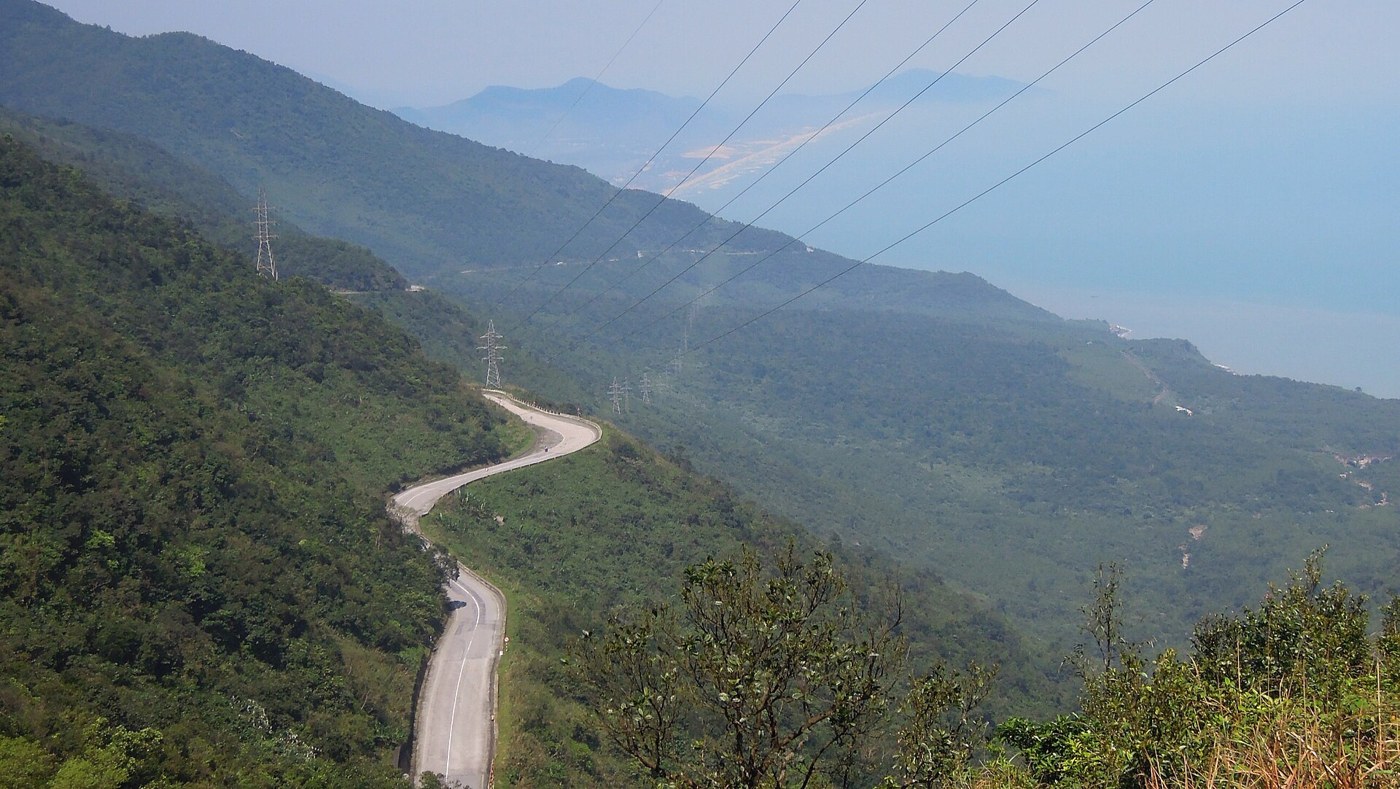
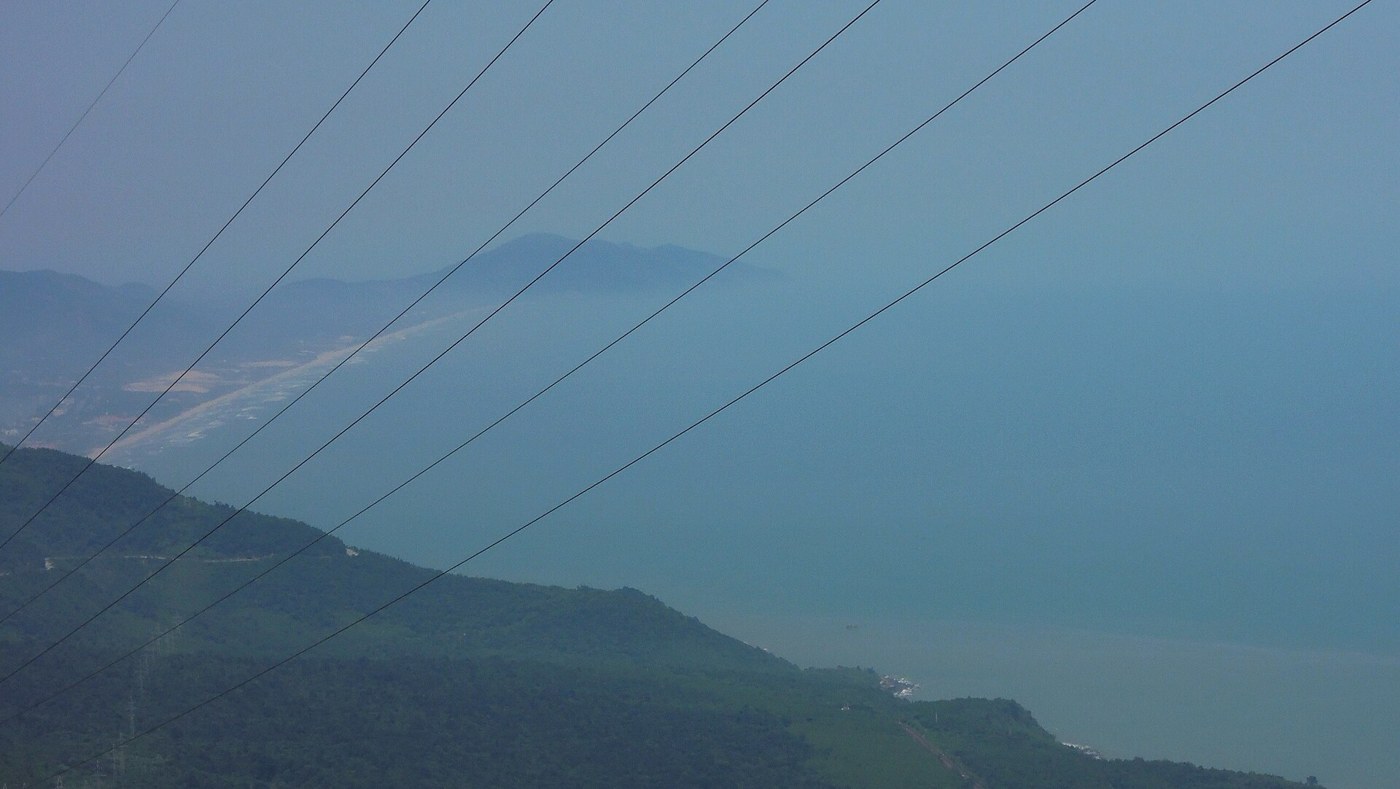
Try looking in three layers: nearby trees or mountain slopes, the winding road below, and the distant sea. When the weather is hazy, mountain layers can create depth even if the coastline is not fully visible. If power lines are in the frame, you can adjust your composition from a safe vantage point or accept them as part of the landscape.
Do not push photo saturation too high to compensate for bad weather. The three archival photos in this article retain both the mist and power lines, offering a more realistic depiction of the landscape rather than promising a perpetually crystal-clear route. They do not confirm that specific viewpoints are currently open or reflect current traffic conditions.
What to pack for a light trip?
Drinking water, a light jacket, rain gear, a phone with sufficient battery, and a waterproof bag are useful items. Pack lightly, secure your belongings firmly, and prepare necessary communication info. If traveling in a group, agree on contact methods and meeting points; do not try to tailgate the vehicle ahead simply out of fear of getting separated.
Keep your trash in bags and dispose of it at collection points. Do not start fires or clear paths into the forest for resting. A successful Hai Van trip features a relaxed driver, sensible stops, and enough time to enjoy the scenery, even if you only manage to stop once.