Dong Da Mound Hanoi: History and Visitor Guide
Amidst the bustling streets of Dong Da District, Dong Da Mound is a quiet space recalling the spring victory of 1789 and the peasant hero Quang Trung. This is not a destination that requires a full day, but it suits those wanting to understand Hanoi’s history further through a memorial space located right in the heart of the city.
What is worth seeing at Dong Da Mound?
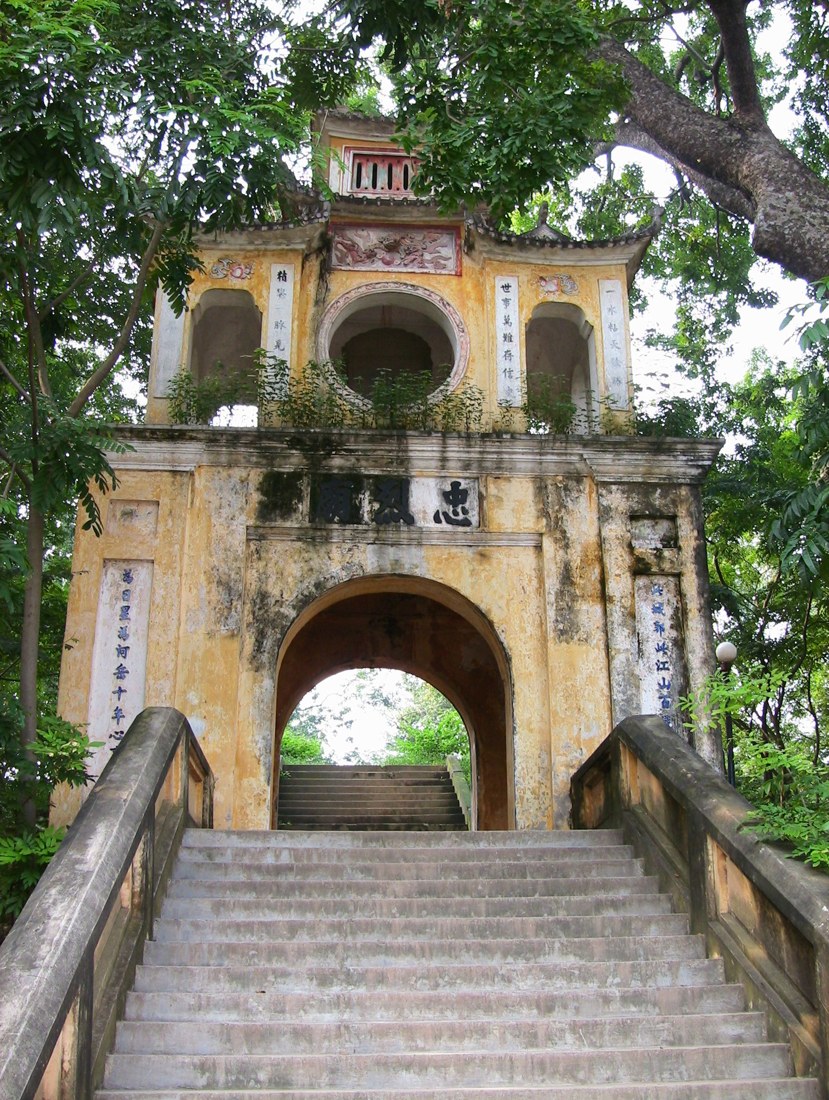
The first impression is the ancient-looking entrance gate, followed by tree-lined paths. The current space includes the mound area, the monument of Emperor Quang Trung, and memorial structures. Walking slowly, visitors can observe the architectural layout, greenery, and engraved details linked to the historical story of the location.
This destination suits history lovers, families with children learning about Hanoi, or travelers wanting to add a cultural spot to their downtown exploration itinerary. The moderate scale also keeps the visit from being too tiring, even if the daily schedule includes other stops.
The imprint of the Ngoc Hoi – Dong Da victory
Dong Da Mound is associated with the Tay Son army’s victory over the Qing army in the spring of the Ky Dau year 1789. The image of Emperor Quang Trung making a rapid military advance to the North has become a special milestone in national history. Therefore, the prominent value of this place lies in historical memory and the spirit of independence rather than entertainment activities.
When visiting, you should read the on-site introductory boards and compare information in each area. This helps properly understand the significance of the monument, the earth mound, and surrounding structures, instead of just walking around to take photos.
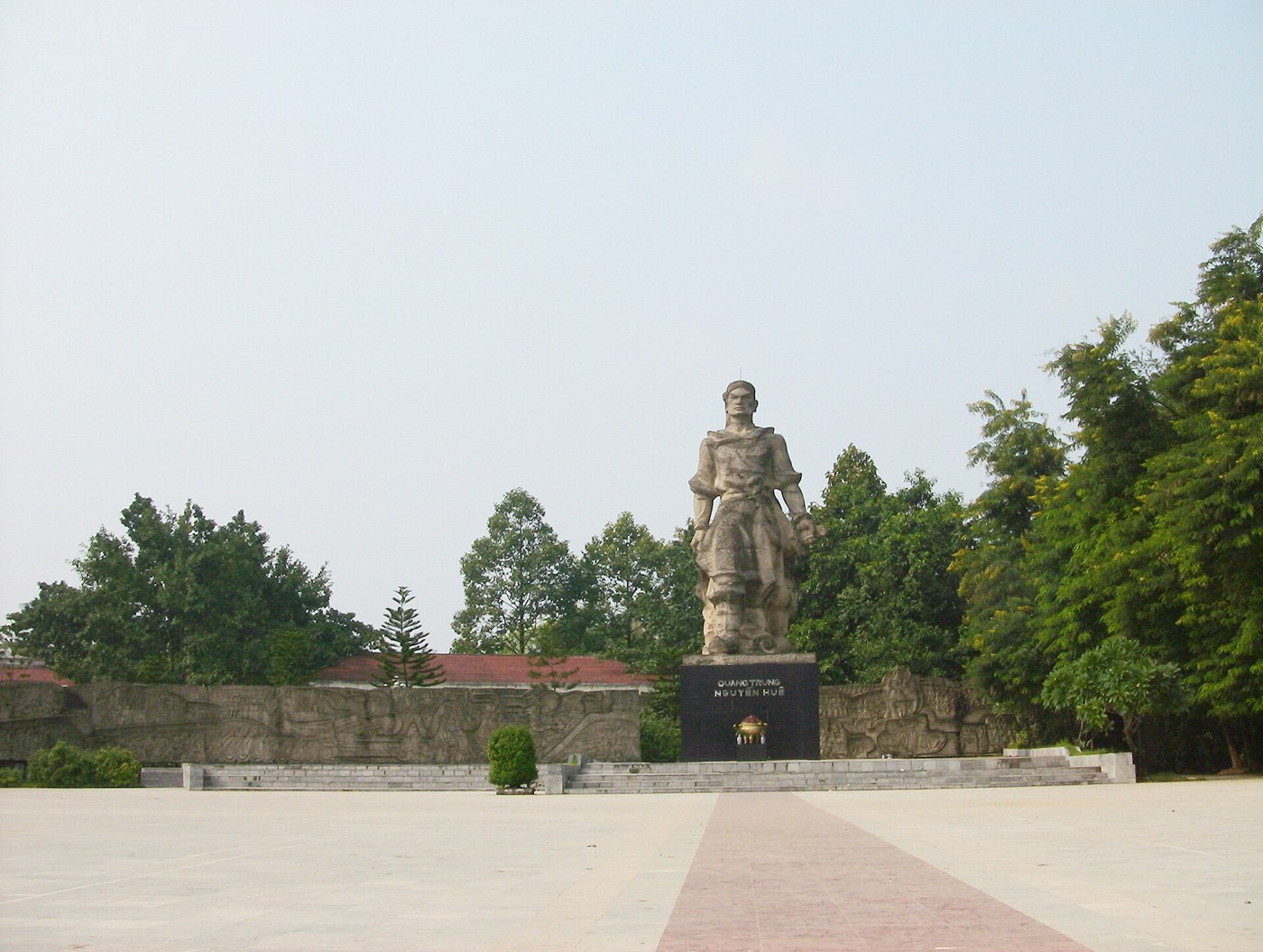
The Quang Trung monument and memorial space
The statue of Emperor Quang Trung is the most recognizable highlight. The powerful posture of the statue creates a solemn feeling while recalling the momentum of the historical march. The front courtyard is quite open, convenient for observing the overall view and taking panoramic photos.
At a memorial monument, quietness is part of the experience. Speak at a moderate volume, do not climb onto the statue base or structures, do not touch artifacts, and keep walkways clean. If you encounter a group of students or incense-offering activities, give them space and wait for a suitable time to continue your visit.
When should you go?
Morning or late afternoon is usually more pleasant, especially during the hot season. Slanted sunlight also highlights the contours of the monument and trees. On rainy days, pathways can be slippery; bring shoes with good traction and pack a compact raincoat.
On the anniversary of the Dong Da victory and festive days, the area can be busier than usual. The atmosphere then is rich in cultural colors, but those who prefer photography or quiet learning should choose regular days. Opening hours and access scope may change during events, so check information close to your travel date.
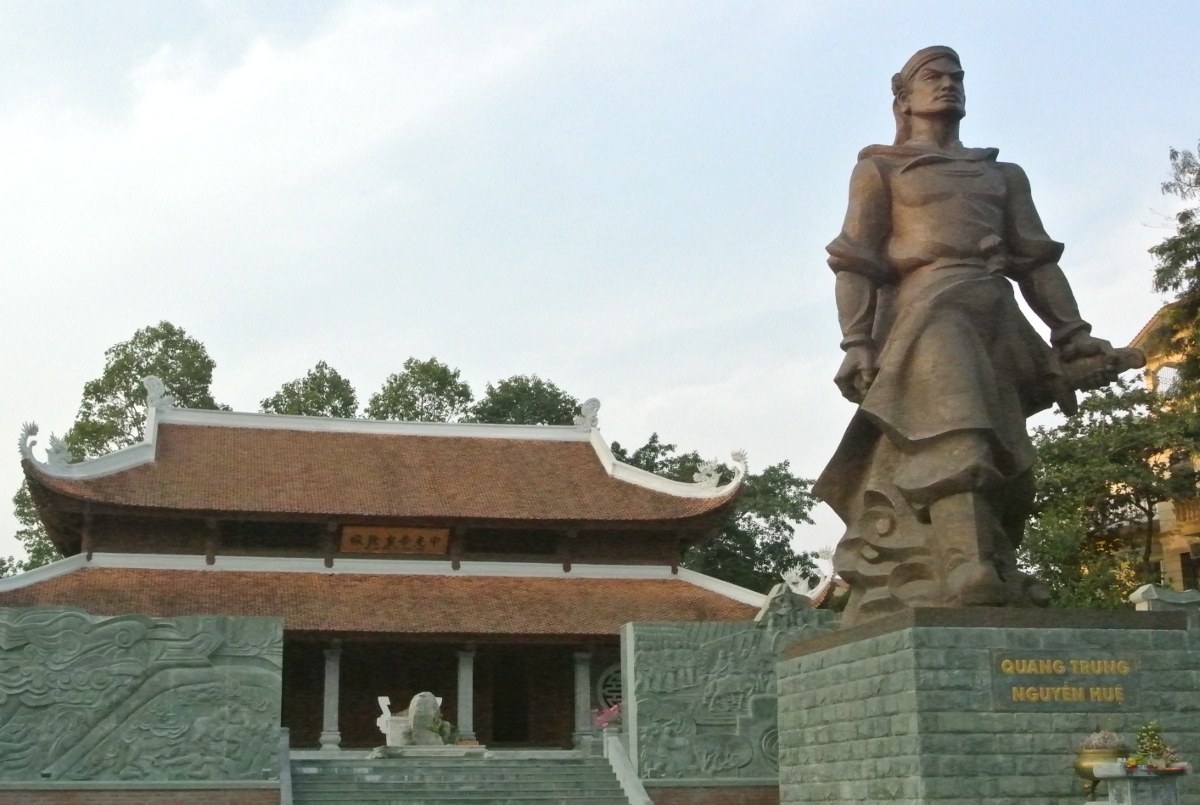
Photography and visiting tips
A wide-angle lens is useful for capturing the entire monument and courtyard, while a medium focal length helps record architectural details without standing too close. Avoid blocking pathways or posing inappropriately in front of the memorial area. The inscriptions appearing on the gate, stelae, and statue base are parts of the structure; keep the background intact when photographing to give the pictures more documentary value.
A reasonable duration for most visitors is about 45–90 minutes, depending on interest in history. Bring personal drinking water, but do not eat or drink within solemn areas. Polite, lightweight clothing and walking shoes will make the visit more comfortable.
Suggestions for combining Hanoi itineraries
Dong Da Mound is located in the inner city, so it can be combined with the Temple of Literature (Van Mieu – Quoc Tu Giam), the old quarter around Kham Thien, or central museums. If traveling by bus or ride-hailing app, check the drop-off point near the gate to avoid crossing busy intersections. Self-drivers should ask for valid parking locations in the area instead of stopping casually in front of the gate.
A balanced itinerary can start in the morning at Dong Da Mound, then stop by the Temple of Literature, and spend the afternoon around Hoan Kiem Lake. This arrangement connects different historical layers of Hanoi without traveling too far.
Short preparation checklist
- Check opening hours and event announcements close to your visiting date.
- Choose polite clothing, easy-to-walk shoes, and bring adequate water.
- Read on-site introductory boards to understand the correct historical context.
- Keep order, do not climb, and do not leave trash behind.
- Allow extra time if combining with other heritage sites.
Dong Da Mound is not flashy, but this compactness makes it a worthwhile stop in the journey to understand Hanoi. Just spend a reasonable amount of time, walk slowly, and pay attention to the story behind each structure, and the visit will have much more depth than a quick stop just for photos.