Bao Loc Travel Guide: Rainy Season, Dry Season & Tips
Bao Loc is situated on the Lam Dong plateau, featuring a cool climate with high rainfall and frequent fog. Therefore, the important question is not just “which month is best,” but rather matching your activities to daily conditions. A flexible plan is safer than a rigid itinerary running across multiple waterfalls, tea hills, and mountain passes.
Weather Characteristics to Keep in Mind
Bao Loc has two distinct periods: the rainy season typically concentrates from around April to November, while the drier period usually spans from the end of the year to early the following year. This is merely a climatic pattern, not a forecast for a specific day. Out-of-season rain, afternoon thunderstorms, and thick fog can still occur.
Daytime temperatures are pleasant, but early mornings, evenings, and windy areas can feel colder than expected. The variance between the town center, tea hills, valleys, and waterfall areas is also significant. Before you go, check hourly forecasts, thunderstorm warnings, and road conditions.
Traveling in the Rainy Season: Prioritize Safety
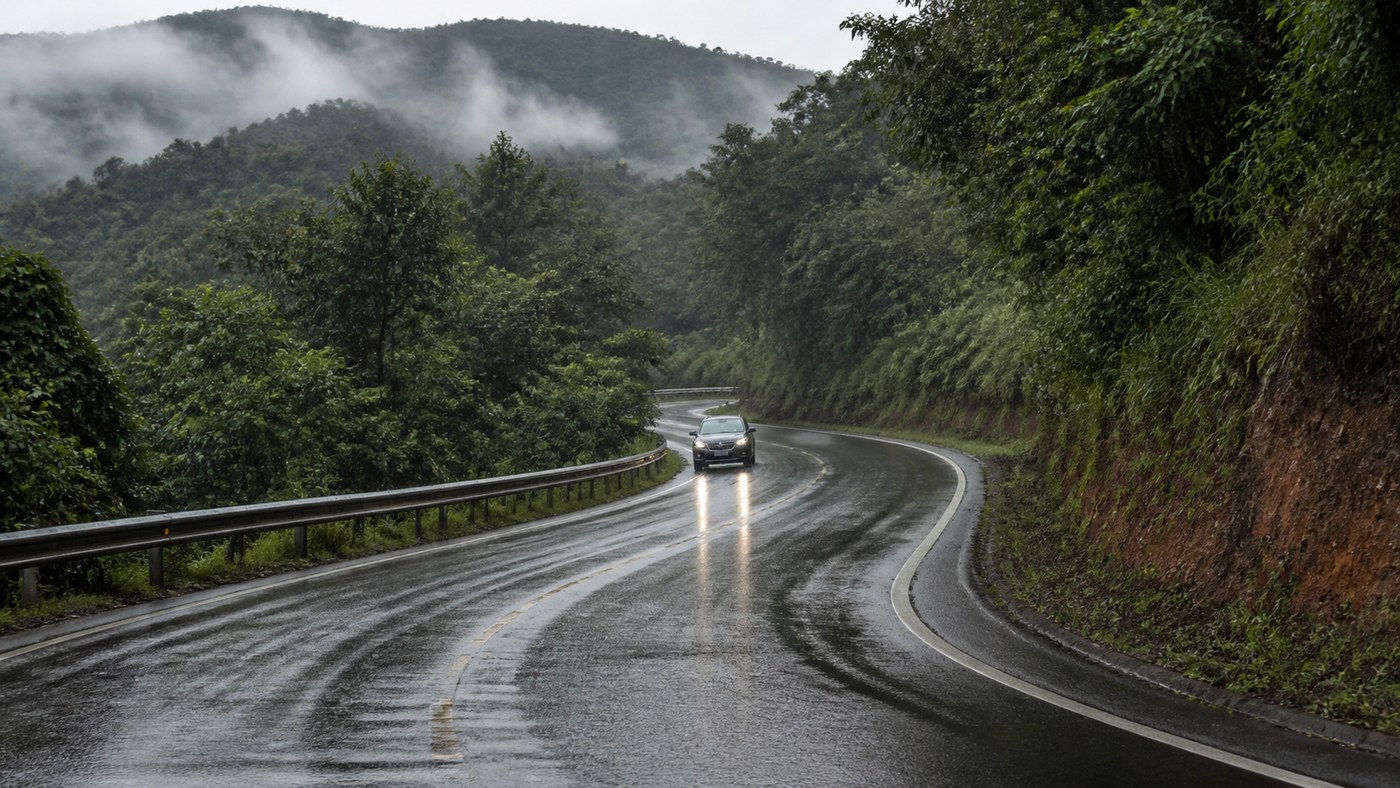
Rain makes the vegetation green and waterfalls full, but it also increases the risk of slippery roads, landslides, rising water levels, and poor visibility. Do not stand near the edge of waterfalls, stream banks, or the foot of cut slopes after heavy rain. If tourist sites close their routes, never bypass barriers or look for alternative paths.
Motorbike riders need compact raincoats, high-traction shoes, and clear visors. Avoid long poncho-style raincoats that can easily get caught in the wheels. When it rains too heavily, find a sturdy resting place away from corners, and do not shelter under large trees or next to steep earth banks.
Traveling in the Drier Season
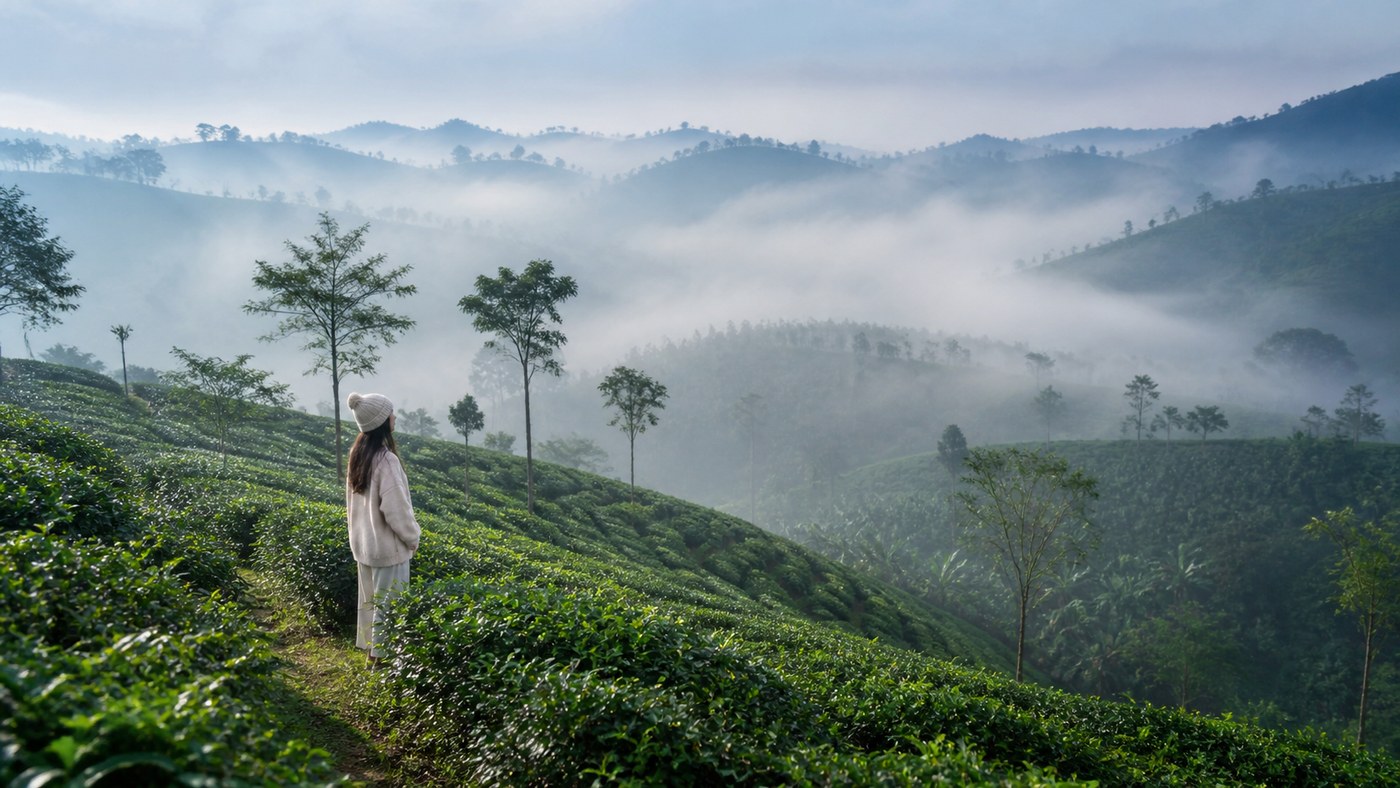
The drier months are more favorable for walking, viewing tea hills, and traveling between distant points. However, the plateau sun can still be harsh at noon, with early morning fog. Bring a light jacket, drinking water, and sunscreen; do not underestimate the weather just because the sky is clear when you set off.
Tea Hills and Agricultural Land
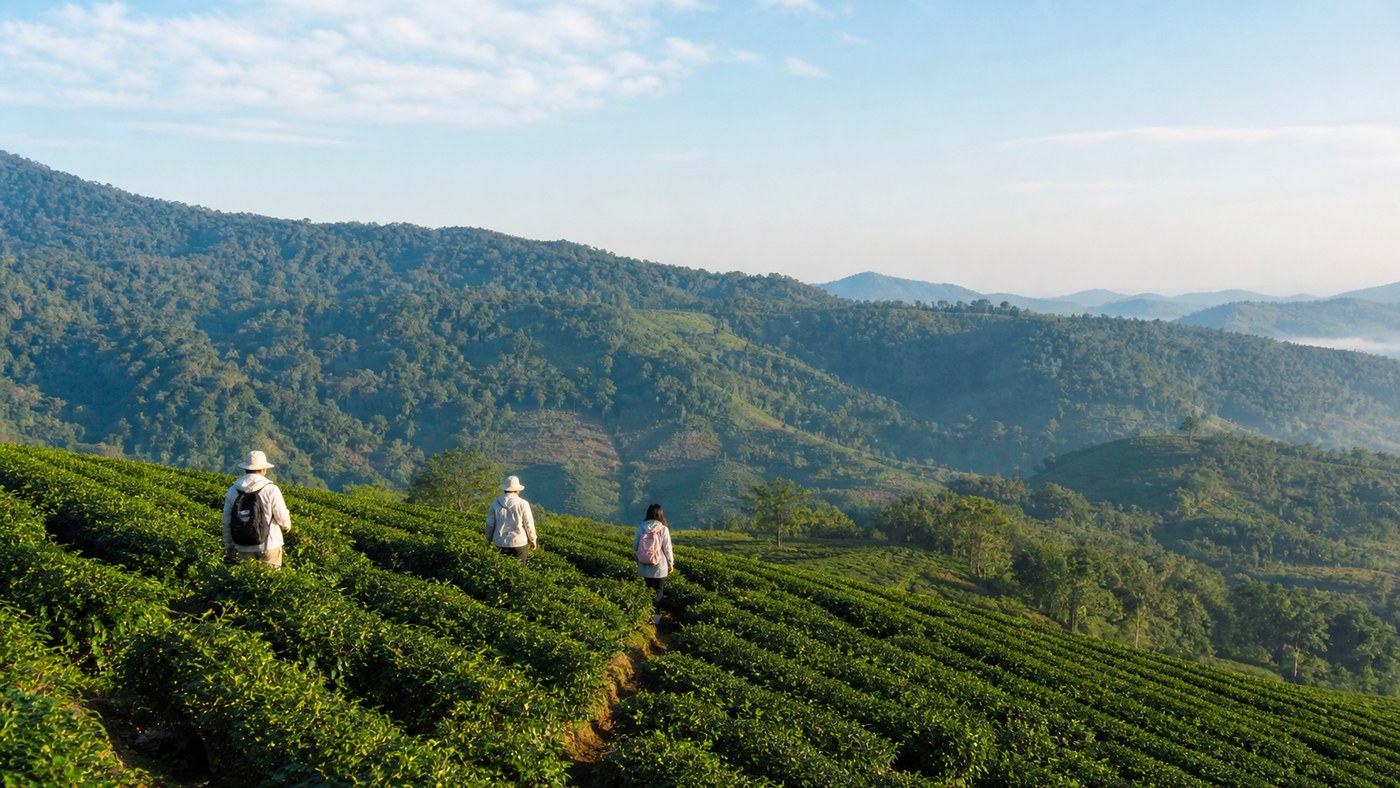
Tea hills are working agricultural spaces, and not every path is open to visitors. Only enter permitted areas, do not trample crop rows, pick leaves, or fly drones without permission. Mornings offer beautiful fog but wet ground surfaces; choose grippy footwear and avoid standing near steep edges for photos.
How to Schedule Flexibly
- Clear sky days: prioritize outdoor spots and distant routes in the morning.
- Afternoon rain days: finish tea hill activities early, leaving afternoons for indoor spots.
- Heavy rain days: skip waterfalls, streams, and narrow roads; do not attempt to “hunt for clouds”.
- Choose only two or three nearby areas each day to avoid continuous driving.
- Always keep a weather-independent backup plan.
What to Pack
A light jacket, compact raincoat, anti-slip shoes, waterproof pouch, personal medication, and a power bank are practical items. Cold-sensitive individuals should bring an extra thin warming layer. There is no need to carry excessive luggage if you have to ride a motorbike across mountain passes.
Bao Loc is beautiful in its fog, rain, and clear days alike, but each condition demands a different way of exploring. Monitoring the weather close to departure, reducing destinations, and being ready to change schedules are the best ways to enjoy the plateau safely.
Frequently Asked Questions
Should you visit waterfalls during the rainy season?
Only when there are no warnings, routes are open, and on-site conditions are safe. Avoid waterfall edges, streams, and dirt roads after heavy rain.
Do you need a thick warm coat?
Generally, a light jacket and flexible layering are more useful, but cold-sensitive people should prepare extra warmth for early mornings and evenings.