Hoi An Craft Villages: A One-Day Cultural Itinerary
The craft villages around Hoi An reveal another layer of life beyond the ancient town: clay takes shape in Thanh Ha, wood is carved in Kim Bong, vegetables are tended to the rhythm of the seasons in Tra Que, and silk fibers go through multiple stages before becoming fabric. Spending a day moving through these spaces helps travelers understand heritage through concrete labor activities.
Four Representative Craft Villages
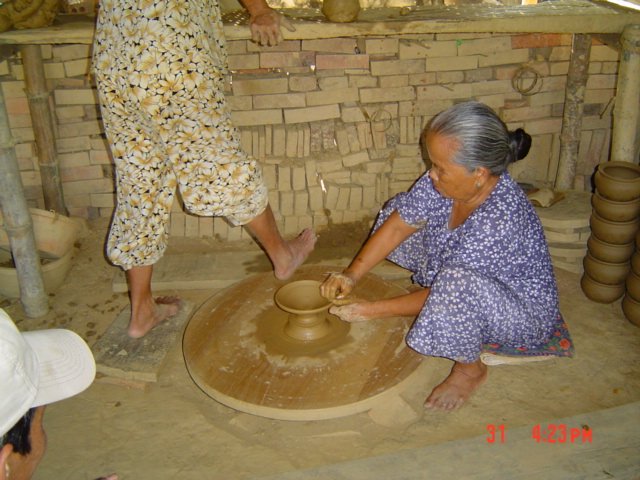
Thanh Ha stands out for its unglazed terracotta pottery, potter’s wheels, and family-run workshops. When visiting, observe the differences between newly shaped clay, items drying in the sun, and fired ceramics. This space suits those wanting to understand a traditional process from raw material to finished utility item.
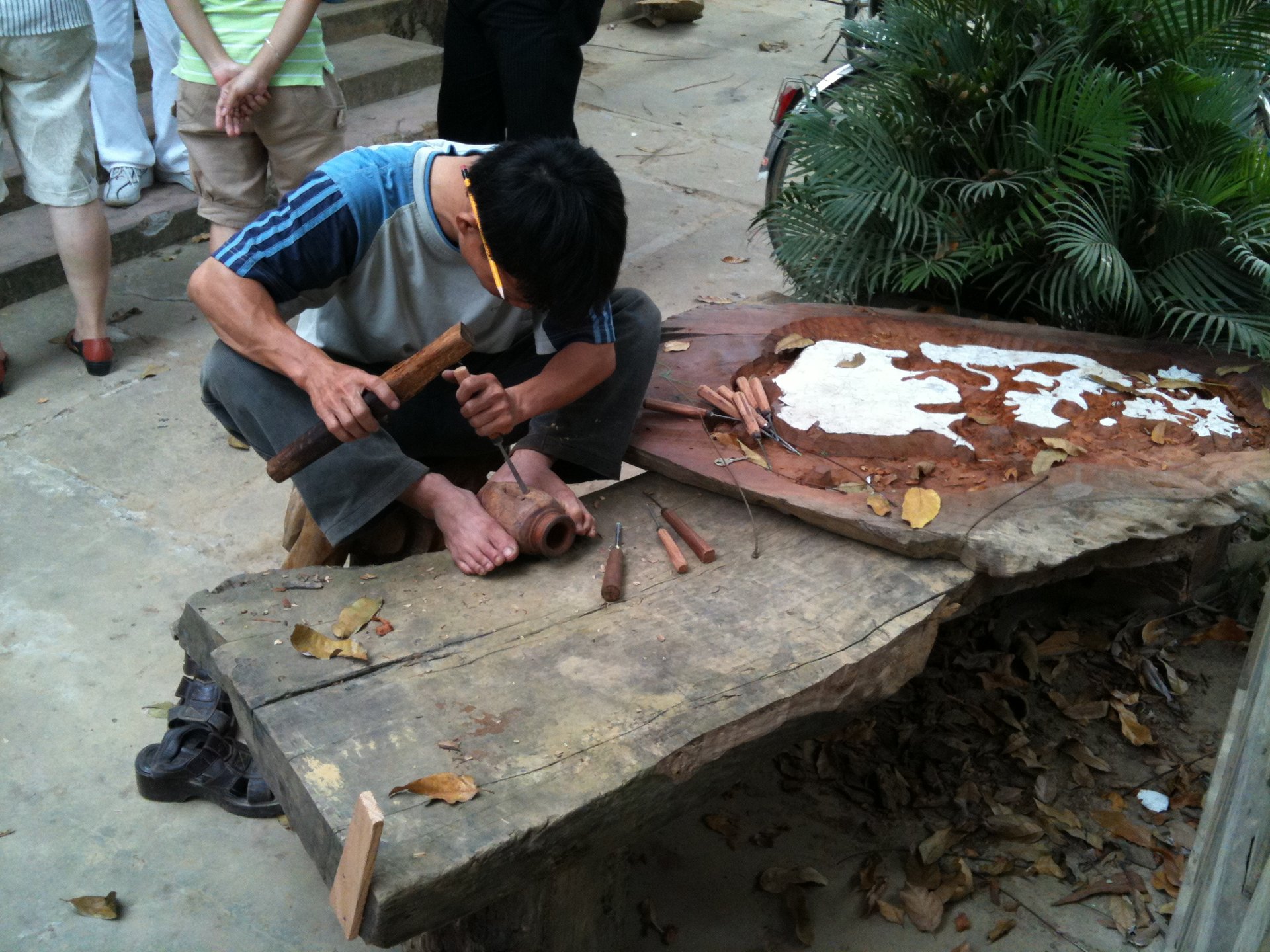
Kim Bong lies across the river, tied to carpentry and woodcarving. The imprint of local artisans once appeared on houses, wooden boats, and numerous architectural details throughout the Hoi An region. The sound of chisels, the scent of wood, and thin layers of shavings in the workshop create an experience very different from viewing a ready-made item on display.
Tra Que is a vegetable village featuring long green rows and cultivation methods tied to local experience. A morning here is ideal for walking or cycling, observing locals prepare soil, water plants, and harvest. Experiences should be conducted following guidance so as not to step on garden beds or disrupt ongoing work.
Hoi An Silk Village tells the story from mulberry cultivation and silkworm rearing to reeling and weaving. When watching demonstrations, pay attention to the fineness of the threads, the rhythm of the looms, and how patterns take shape. Operating schedules may change, so checking ahead of your visit is recommended.
A Relaxed One-Day Itinerary Suggestion
Morning can begin in Tra Que while the weather is still cool, then head toward Thanh Ha to view pottery and stop for lunch. In the afternoon, take a boat or follow a suitable route to Kim Bong, finishing near the ancient town area. If you want to thoroughly understand crafting techniques, choose only two or three villages rather than trying to visit all four.

How to Visit Respectfully
- Ask before taking close-up photos of artisans or private family spaces.
- Do not touch items currently drying, sharp tools, or machinery inside workshops.
- Arrive at the scheduled time if you have booked an experience, as artisans still have production work to attend to.
- Dress neatly, wear easily washable shoes, and bring water in a reusable bottle.
- If purchasing items, ask about the maker, materials, and care instructions to make a meaningful choice.
Getting Between the Craft Villages
Many points lie within a radius of a few kilometers around the old town, making bicycles suitable for dry days. Kim Bong can be reached via river routes depending on pier conditions and ferry schedules. Motorbikes are more convenient during hot weather, but you should park in designated spots and avoid speeding in narrow village lanes.
The craft villages are not fixed stages; they are places where people work and live. By taking the time to listen to explanations, observe techniques, and behave politely, visitors will gain a deeper cultural experience while helping keep traditional knowledge relevant in modern life.