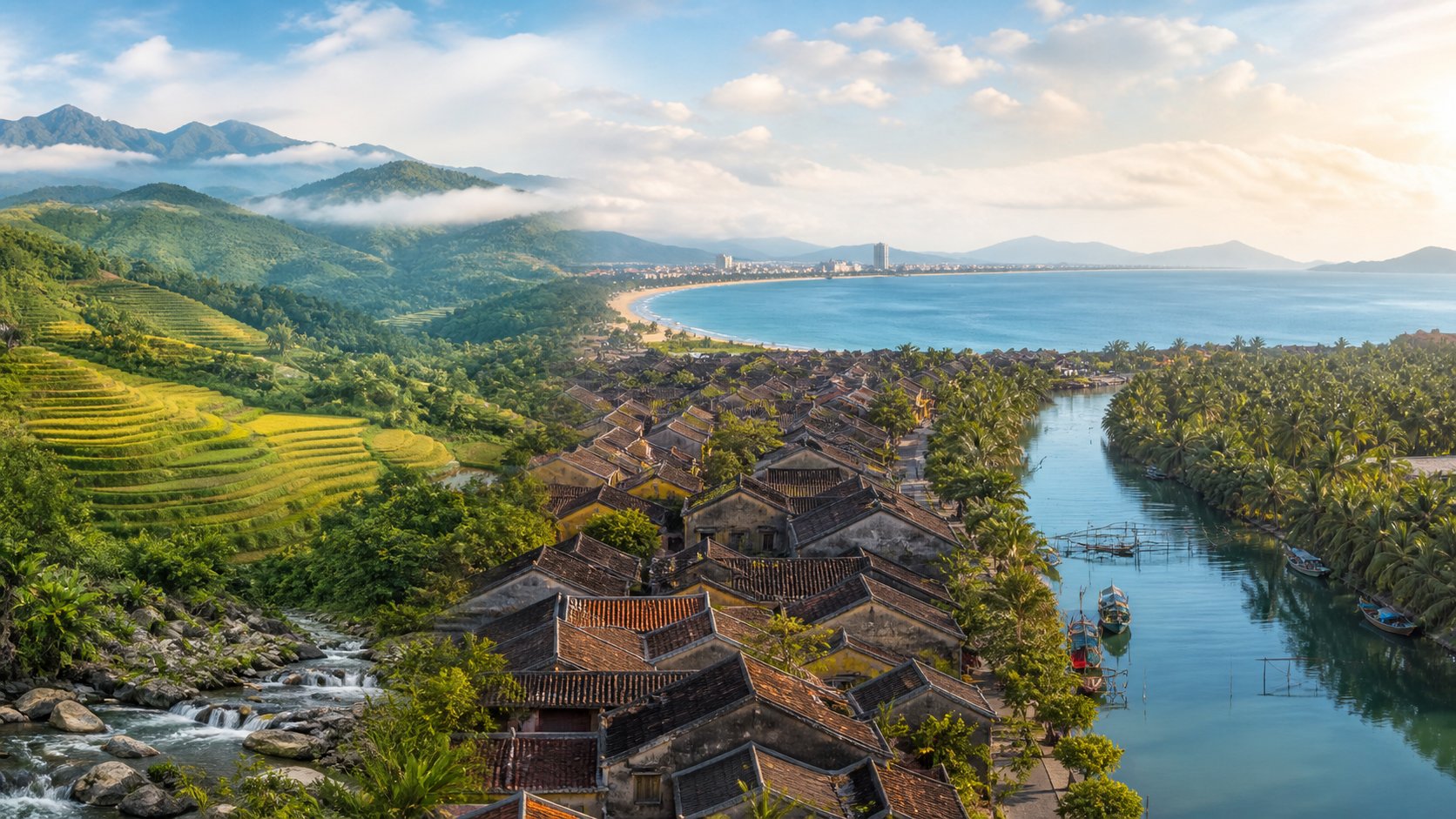
Vietnam Seasonal Travel Guide: Where to Go and How to Plan
Vietnam does not have a single nationwide “tourism season.” While the north is cold and misty, the south may be entering its dry season; when the central coast enjoys calm weather, other regions might see rain. Therefore, the question of when to travel is best answered by matching your destination to the specific experience you want.
This guide explains peak and off-peak seasons and weather characteristics across the three regions, then suggests 13 destinations you can visit year-round if you adjust your itinerary accordingly.
What is the difference between peak and off-peak seasons?
Peak season is the period with favorable weather or holidays, usually bringing larger crowds and higher service prices. Off-peak season has fewer visitors, sometimes more affordable rates, but may come with rain, rough seas, cold weather, or reduced service frequency.
Off-peak does not mean you should avoid traveling. If your goal is food, culture, slow travel, or city exploration, you can still have a great experience by preparing indoor alternatives and checking forecasts.
Traveling in Northern Vietnam by season
Northern Vietnam experiences four distinct seasons. Spring is typically humid with drizzle and blooming flowers in many mountainous areas. Summer is hot with thunderstorms, though it suits islands and beaches if conditions are stable. Autumn is cool and great for both cities and highlands. Winter is cold, with frost and occasional ice in certain areas.
Mountain travelers should care more about visibility, rain, and landslides than just temperature. Rice terrace, flower, and cloud-hunting seasons change from year to year.
Traveling in Central Vietnam by season
Central Vietnam stretches across multiple latitudes, so weather varies significantly. Many coastal spots are ideal during drier periods, though the sun can be intense. Toward the end of the year, certain areas often experience heavy rain, storms, or rough seas; itineraries must remain flexible, and local warnings should be strictly followed.
Hue, Da Nang, Hoi An, Quy Nhon, Phu Yen, and Nha Trang have distinct rainy seasons in terms of timing and intensity. Check the forecast for each specific city rather than relying on a blanket statement for the entire region.
Traveling in Southern Vietnam by season
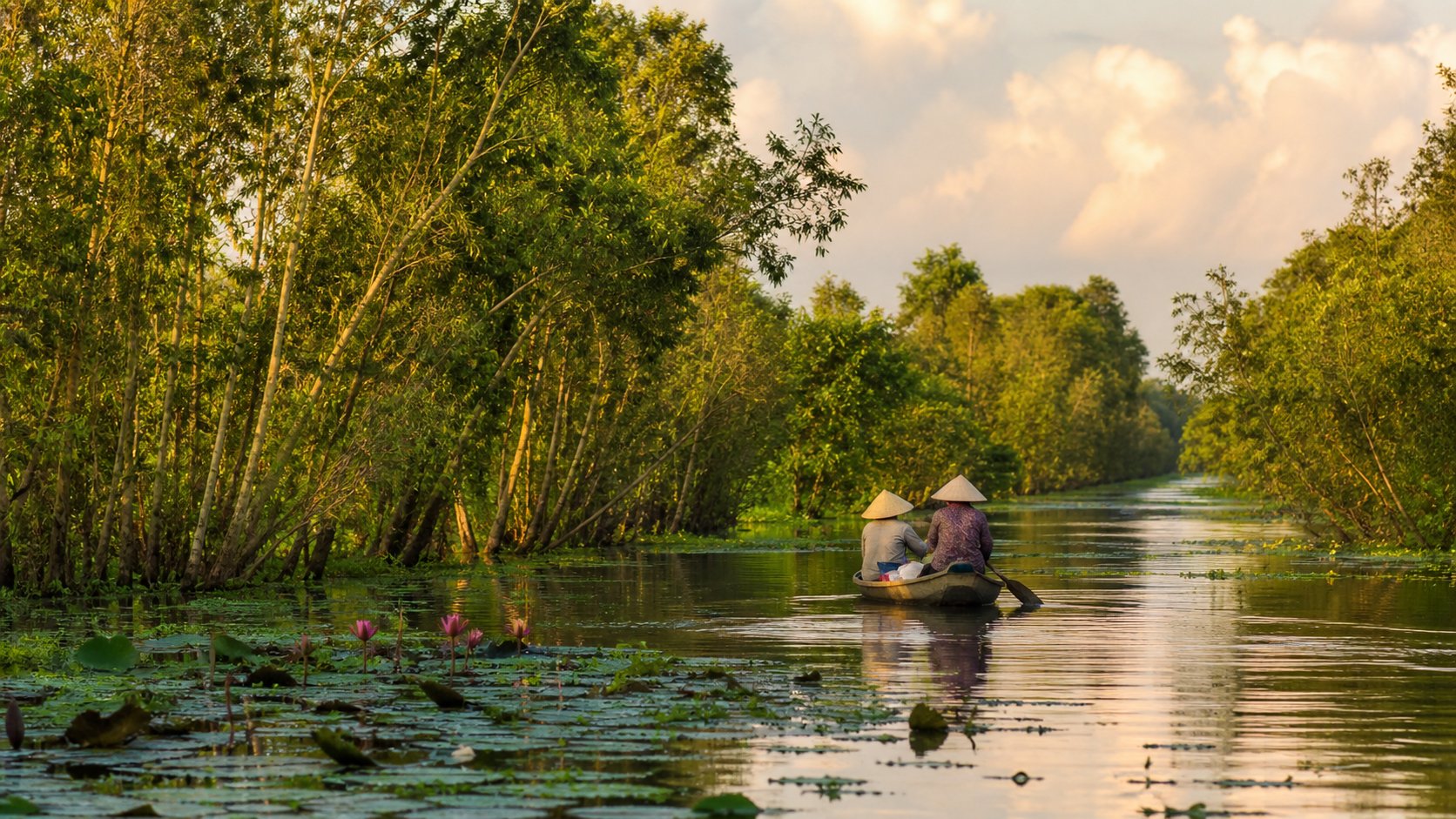
Southern Vietnam is generally divided into the dry season and the rainy season. The dry season is ideal for beaches, cities, and road trips. The rainy season brings brief afternoon showers, lush greenery, and unique river landscapes in the Mekong Delta.
Rain does not always last all day, but heavy thunderstorms, high tides, or localized flooding can still impact itineraries. Leaving room for flexibility is a better approach than trying to predict every hour too far in advance.
1. Hanoi: A city rhythm for every season
Spring brings drizzle and flowers; summer is vibrant but hot; autumn is easy for walking; and winter is suited for hot dishes and old-quarter walks. Hanoi features numerous museums, historic sites, eateries, and indoor spaces, making it less dependent on the weather than coastal spots.
On hot or rainy days, tackle outdoor sightseeing early in the morning and switch to museums, exhibitions, or cafes midday.
2. Dong Van and former Ha Giang areas
The former Ha Giang region is now part of Tuyen Quang province. Spring features peach and plum blossoms; summer is green but rainy; autumn brings rice terraces and buckwheat flowers; and winter is cold with thick fog. The mountain roads are beautiful year-round, but safety depends entirely on the weather.
Avoid driving mountain passes at night and do not attempt trips during heavy rain or landslide warnings.
3. Sa Pa, Lao Cai
In spring, Sa Pa has blooming flowers; summer is cooler than the lowlands; autumn is tied to golden rice fields; and winter can bring deep cold. Fog is a signature feature but reduces visibility. Terrace views vary according to the planting schedules of individual villages.
Layered clothing, slip-resistant shoes, and an itinerary with indoor backups make trips much smoother.
4. Ha Long, Quang Ninh
Ha Long is suitable at various times, but experiences on the bay depend on wind, rain, and visibility. Summer is good for water activities but carries storm risks; winter offers fewer swimming opportunities, but the misty scenery has a unique charm.
Choose boat operators with clear policies and follow instructions from management authorities when weather turns bad.
5. Nha Trang, Khanh Hoa
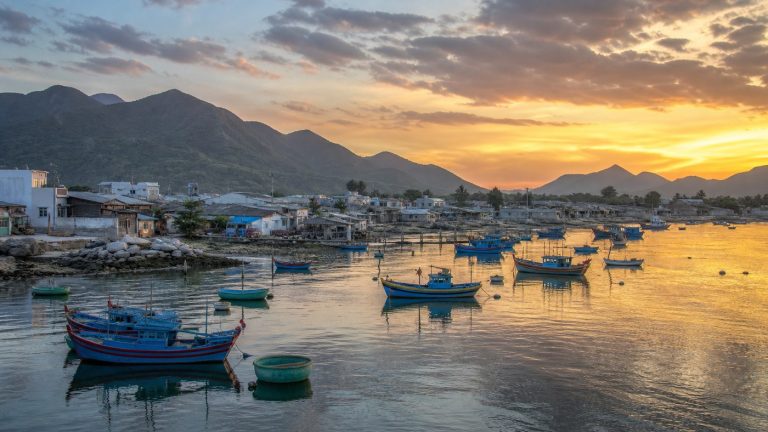
Nha Trang benefits from beaches, local food, and urban cultural sites. Calm sea days are ideal for island trips; windy days are better for visiting Cham towers, pagodas, museums, or food hunting.
Khanh Hoa now includes the former Ninh Thuan area, expanding options for cultural routes and arid landscapes if you have extra time.
6. Hue
Sunny Hue makes visiting royal tombs convenient; the rainy season brings a subdued mood suited for museums, cuisine, and slow breaks. Hue city retains its name following administrative reorganizations.
Check rain and water levels during bad weather periods. Avoid flooded areas or closed sites.
7. Da Nang – Hoi An
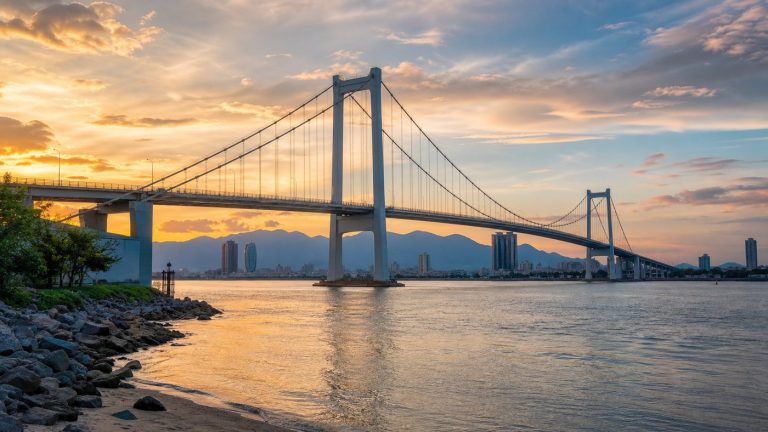
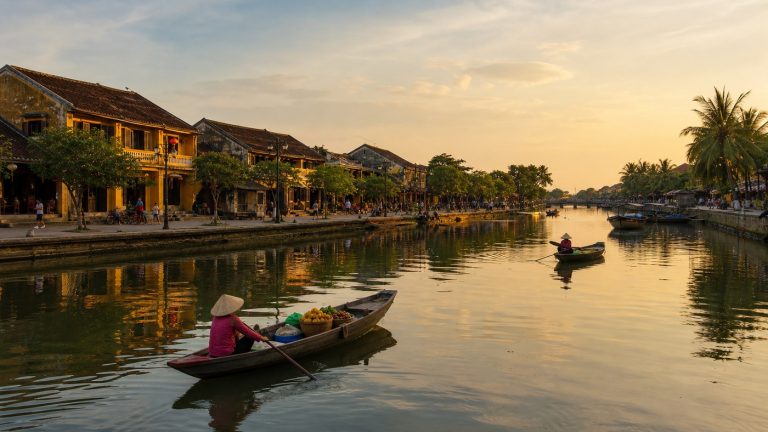
Hoi An, formerly part of Quang Nam, is now part of Da Nang city. Drier months suit beach visits and walking through the Ancient Town; the rainy season requires monitoring storms, floods, and inundation levels. Both cities offer diverse culinary, heritage, and indoor choices to adjust your plans.
Avoid booking entirely non-refundable outdoor activities.
8. Quy Nhon and the former Binh Dinh area
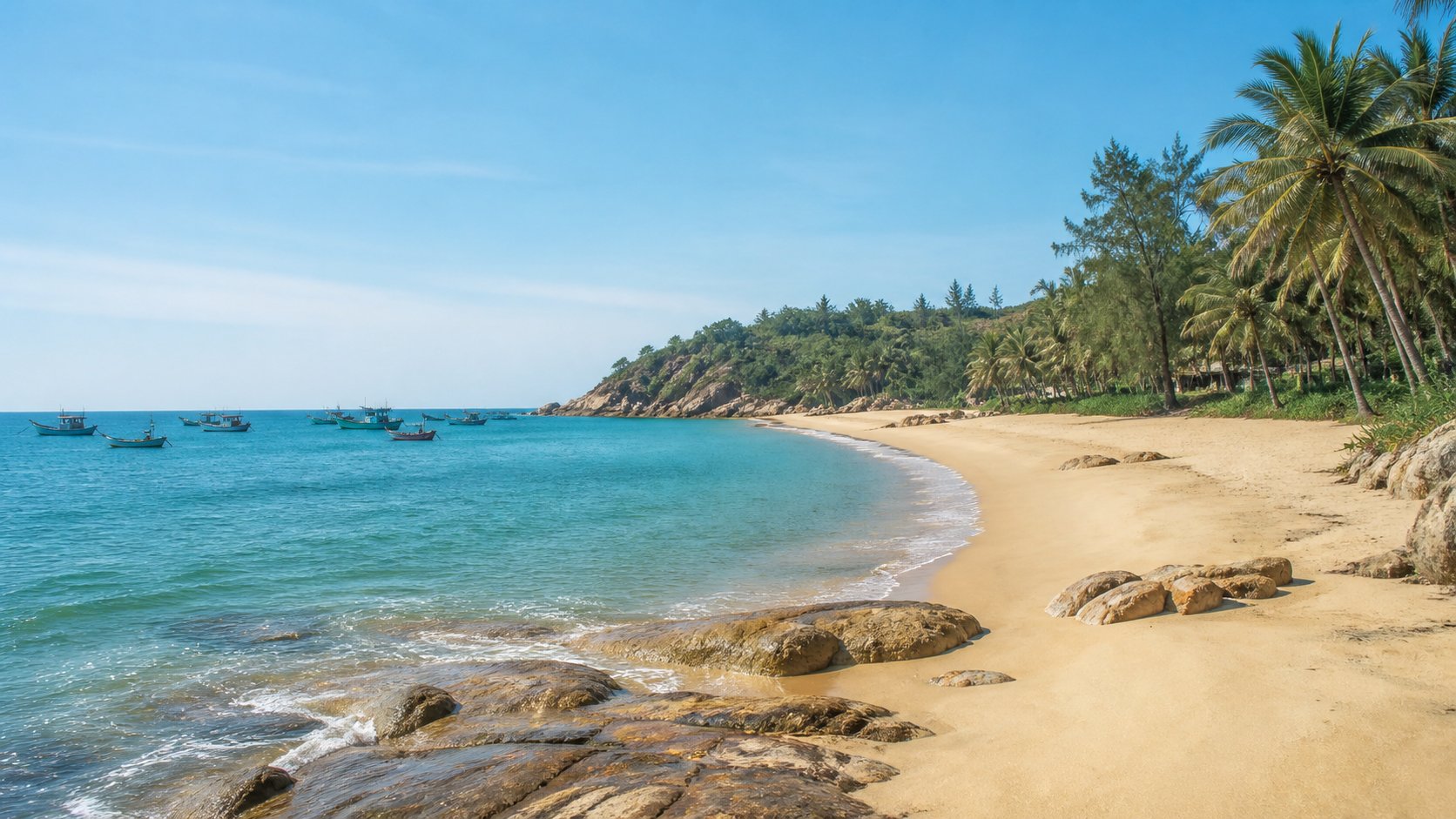
Quy Nhon, formerly part of Binh Dinh, is now within Gia Lai province. Calm sea periods are great for exploring beaches and islands; the rainy season is better suited for food, Cham towers, and cultural spots if transport conditions are safe.
Check wind and wave conditions before booking canoes, rather than just looking at sunny skies in the city center.
9. Former Phu Yen, now part of Dak Lak
The former Phu Yen coastal region is now part of Dak Lak province. Cliffs, lighthouses, grassy fields, and shores are stunning on dry days; heavy rain makes roads slippery and the sea hazardous.
Road trips combining highlands and coast require calculating new distances; do not rely strictly on old province names when booking transport.
10. Da Lat, Lam Dong
Da Lat can be visited year-round thanks to its highland climate, though rain, mist, and flower seasons vary. The dry season favors outdoor activities; the rainy season is greener and quieter, but forest trails can be slick.
Do not stand in the middle of mountain passes to photograph clouds and avoid waterfalls during heavy downpours.
11. Ho Chi Minh City
The city offers food, museums, architecture, and nightlife, making it suitable year-round. The dry season is easy for walking; the rainy season requires factoring in localized flooding and afternoon thunderstorms.
Current administrative boundaries include the former Binh Duong and Ba Ria – Vung Tau areas. Check specific wards and actual travel distances when booking accommodation or transport.
12. Phu Quoc
Phu Quoc, formerly in Kien Giang, is now under An Giang province. The dry season generally favors beach visits; the rainy season brings fewer crowds, but waves, wind, and ferry schedules can impact island activities.
Always have mainland backups and avoid heading out to sea when operators or authorities issue suspension warnings.
13. Can Tho and the Mekong Delta
Can Tho is accessible year-round for floating markets, cuisine, and river experiences. The dry season is convenient for travel; the rainy and high-water seasons provide greener landscapes, but require keeping an eye on storms, tides, and water schedules.
Visit floating markets early in the morning, wear life jackets, and protect electronics in waterproof pouches.
Choosing a season based on your experience
- Flower hunting: Check by region and specific year; do not rely only on month names.
- Island and beach trips: Prioritize calm sea periods at the specific destination, and monitor storms and winds.
- Trekking: Avoid heavy rain, check trail conditions, and travel with experienced guides.
- Food and city trips: Possible year-round if you have indoor alternatives.
- Mekong Delta flood season: Ask about actual water schedules and choose community-led experiences.
How to minimize risks when booking early
- Choose tickets and rooms with clear date-change policies.
- Avoid paying in full upfront for services with limited information.
- Check forecasts a week in advance and update them close to your departure date.
- Prepare an indoor itinerary or backup destinations.
- Obey warnings regarding storms, floods, landslides, and boat suspensions.
Traveling in the right season makes landscapes and activities more enjoyable, but no single month guarantees perfection across all of Vietnam. The best planning approach is to pick your preferred experience first, determine the location next, and then check the weather and seasonal conditions closely as departure approaches.