North or South Phu Quoc Island? A Side-by-Side Comparison
Neither the North nor the South of Phu Quoc is universally better than the other. The North suits forests, fishing villages, quiet beaches, and a slower pace of exploration; the South stands out for small island clusters, bright sandy beaches, water activities, and historical-spiritual sites. Choosing the right area helps you spend less time in transit and more time experiencing.
Quick Comparison: North vs South Phu Quoc
| Criteria | North Phu Quoc | South Phu Quoc |
|---|---|---|
| Main Landscapes | Forests, estuaries, fishing villages, quiet beaches | White sandy beaches, small archipelagos, fishing villages, and sea ports |
| Key Natural Spots | Vung Bau, Ganh Dau, Rach Vem, National Park | Sao Beach, Khem Beach, Mong Tay Islet, Gam Ghi Islet, May Rut Islet |
| Best Suited Experiences | Forest walks, village visits, sunsets, slow retreats | Island-hopping, snorkeling, swimming, visiting heritage sites |
| Ideal Traveler Profile | Nature lovers, quiet seekers, flexible schedules | Groups, families wanting diverse daily activities |
| Things to Note | Some remote roads can be rough after rain; sparse services | Boat tours depend on weather; popular spots get crowded easily |
What Makes North Phu Quoc Worth Visiting?
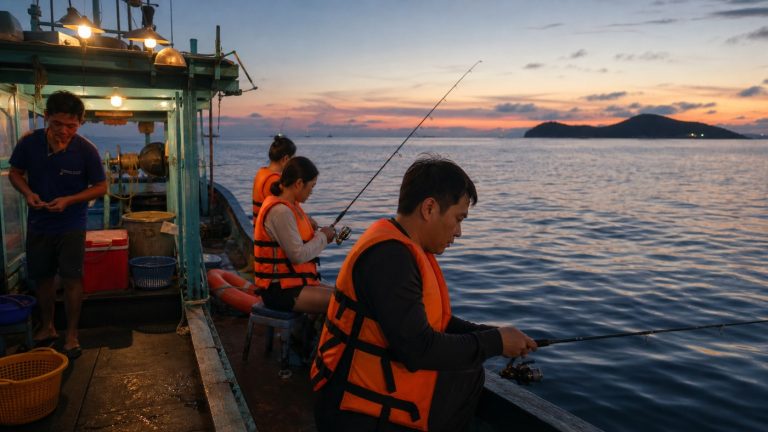
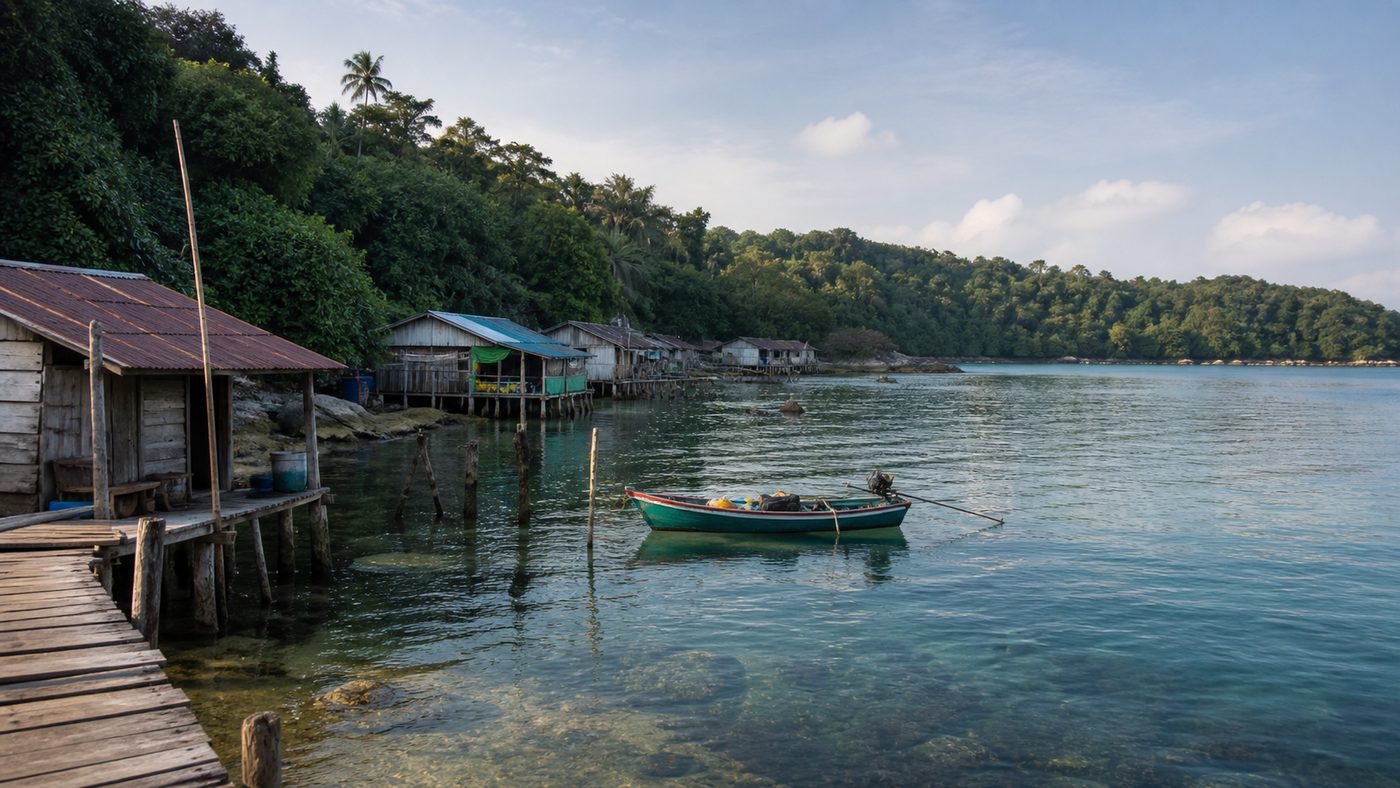
The North retains more greenery and less-developed coastline. You can spend your morning around Rach Vem or Ham Rong Cape, and the afternoon at Vung Bau or Ganh Dau. The experience lies not in ticking off many sights, but in sitting by the sea, chatting with locals, and observing the rhythm of fishing village life.
Three Easy Itinerary Clusters
- Cua Can – Vung Bau: Gentle beach time, sunset views, and half-day relaxation.
- Rach Vem – Ham Rong Cape: Longer journey, requires checking boat availability and protecting starfish.
- Ganh Dau – National Park Edge: Suitable for scenery, short walks on permitted trails, and learning about the ecosystem.
If self-driving, download offline maps and avoid combining two distant routes in one day. After rain, prioritize main roads and check the condition of red dirt paths before departure.
What Makes South Phu Quoc Worth Visiting?
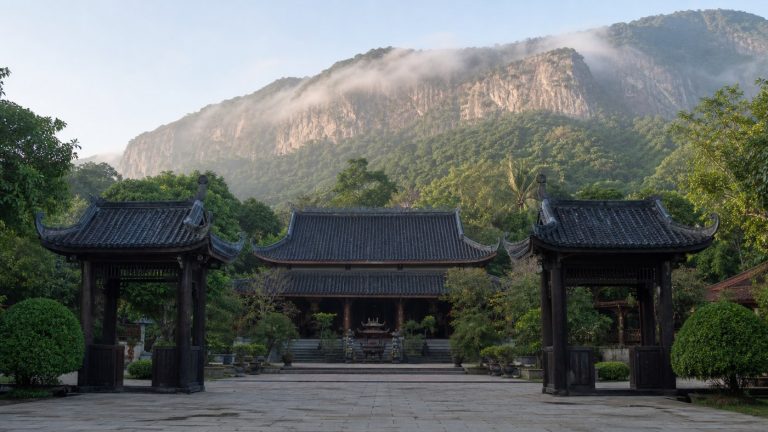
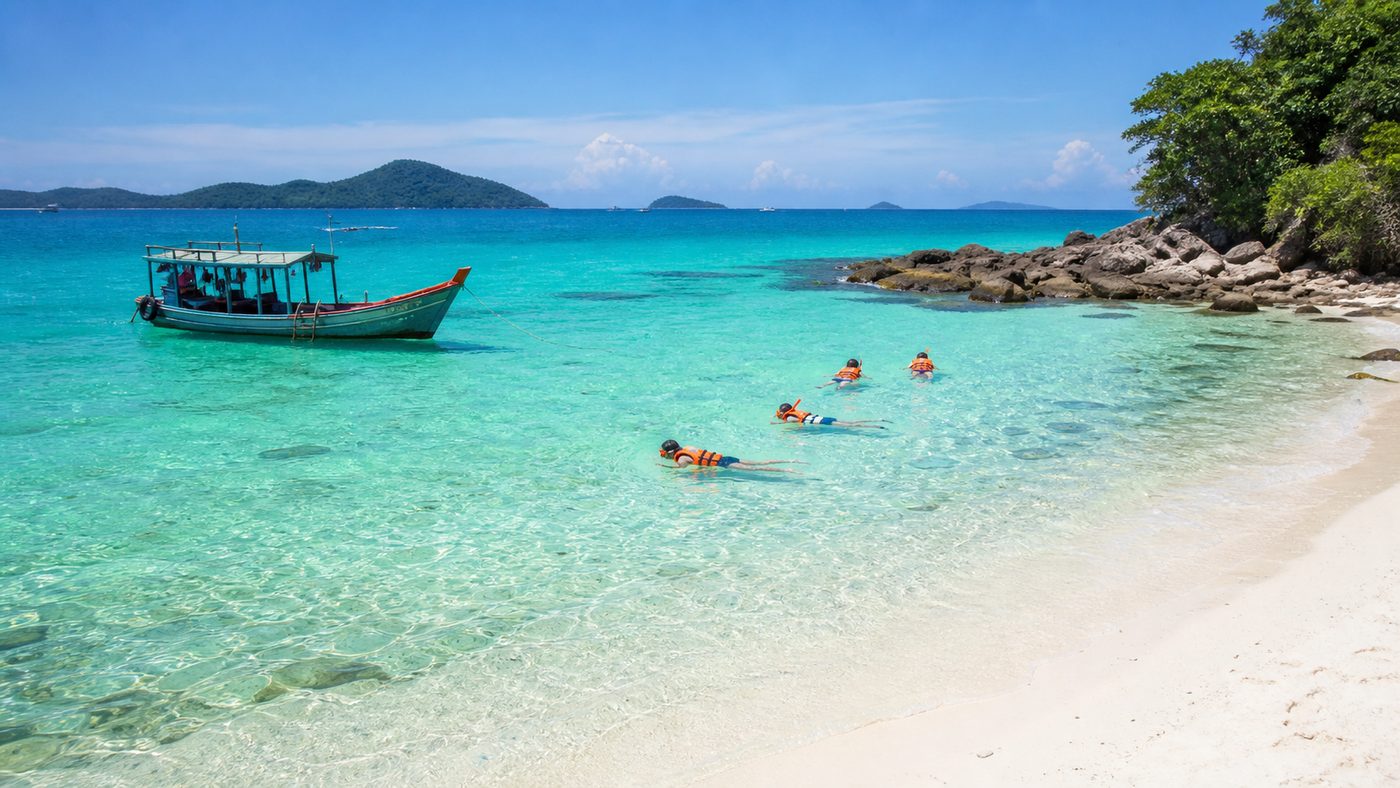
The South has a denser concentration of attractions. Sao Beach and Khem Beach are ideal for swimming; An Thoi serves as the hub for numerous island trips; Ho Quoc Pagoda and Phu Quoc Prison historical site add cultural-historical depth. A single day can combine two types of experiences, but avoid pairing a long island tour with too many land-based stops.
Three Easy Itinerary Clusters
- Sao Beach – Ho Quoc Pagoda: Combine coastal scenery and spiritual spaces in a single day.
- Khem Beach – Phu Quoc Prison Memorial: Suited for those wanting to balance beach relaxation with historical discovery.
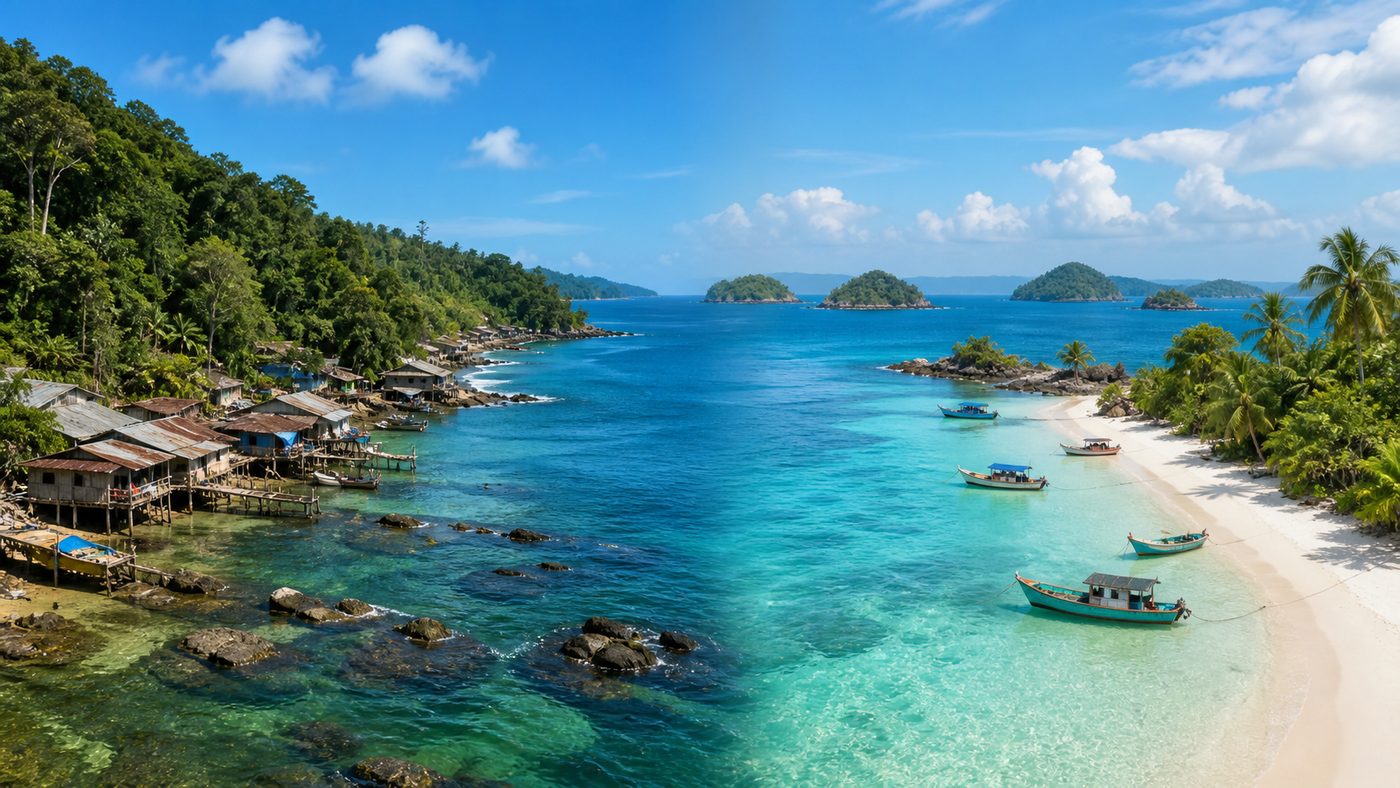
- An Thoi – Small Island Cluster: A full day for boats, snorkeling, or kayaking when weather permits.
Which Region to Choose Based on Trip Style
2-Day, 1-Night Trip
Choose only one region. If you prioritize quiet surroundings and self-driving, head to the North. If you want small island tours or to combine multiple famous spots in a short time, choose the South.
3-Day, 2-Night Trip
You can dedicate one day to the main region, one day to the other area, and the final day near your accommodation. However, keep a half-day buffer if your schedule involves boats or water activities.
4-Day, 3-Night Trip or Longer
This is a reasonable duration to experience both ends of the island without rushing. Group attractions by cluster, and only change accommodations if it genuinely reduces travel time without turning luggage into a burden.
Distances and How to Minimize Transit Time
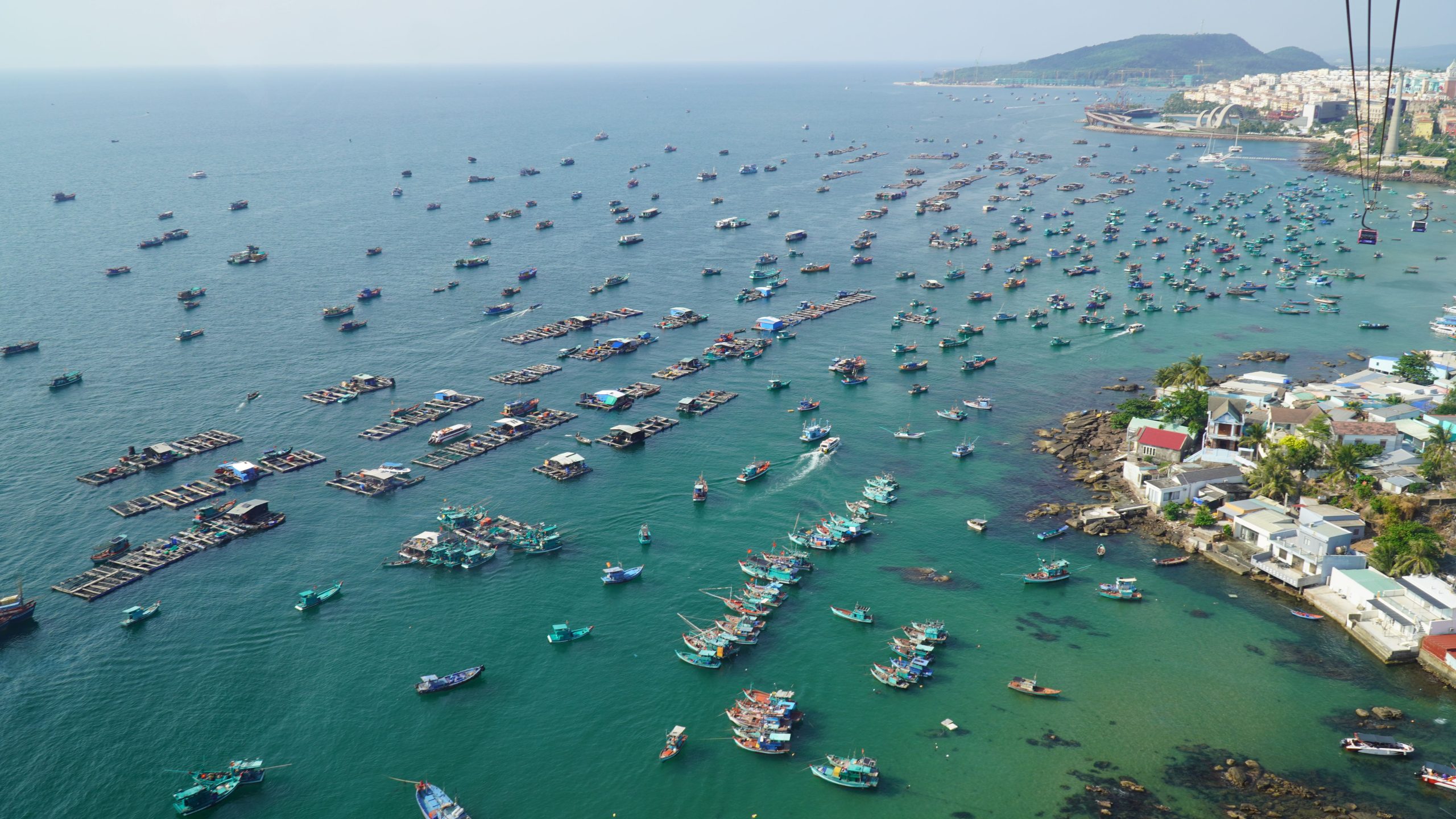
Traveling from deep in the North to An Thoi in the South can take nearly two hours depending on the route, traffic, and starting point. Do not rely on a single flat figure for every itinerary. On the map, check each pair of locations and add extra time for dining, parking, and boat waiting.
- Group destinations in the same direction on the same day.
- Do not book boat tours on the day of a flight change.
- Keep at least a half-day flexible during the rainy season.
- Choose accommodation near the area where you plan to spend the most time.
How Does Weather Influence Your Choice?
The dry season, typically from November to April, offers easier road travel and marine activities. The rainy season does not mean rain every day, but coastal wind patterns can shift. Check hourly forecasts and consult transport providers before deciding on island trips or dirt road routes.
30-Second Decision Guide
- Choose North Phu Quoc if you love forests, fishing villages, quiet beaches, and don’t mind longer drives.
- Choose South Phu Quoc if you prefer island-hopping, snorkeling, bright sandy beaches, and closely clustered attractions.
- Choose both when you have at least three full days and accept spending time on transit.
For more detailed planning, check out the Vung Bau Beach travel guide and the Ham Rong Cape handbook. These two articles help you estimate the right level of preparation needed for natural spots in the North.