12 Famous Pagodas in Southern Vietnam: Architecture & Visiting Tips
Pagodas in Southern Vietnam are not only places of worship but also preserve diverse cultural layers from the Vietnamese, Khmer, and Chinese communities. Some pagodas stand out with curved roofs, wooden statues, and stupa gardens; others impress visitors with vibrant yellow tones, intricate relief carvings, or green urban courtyards. The list below prioritizes locations with high scenic and architectural value, ideal for a slow-paced temple visit.
What to keep in mind when visiting pagodas in the South
These are active religious spaces, so the best experience begins with respect. Visitors should wear modest clothing, speak quietly, avoid touching shrines, and refrain from blocking ceremonial pathways. If you wish to photograph the interior or portraits of monks and nuns, please ask for permission in advance. Certain areas restrict filming, drone use, or burning large quantities of incense.
- Prioritize early mornings for cooler weather and fewer crowds.
- Do not casually place money on statues, altars, or antiques.
- Maintain distance during ceremonies; do not treat the main hall as a posing spot.
- Check opening hours and road conditions before departure.
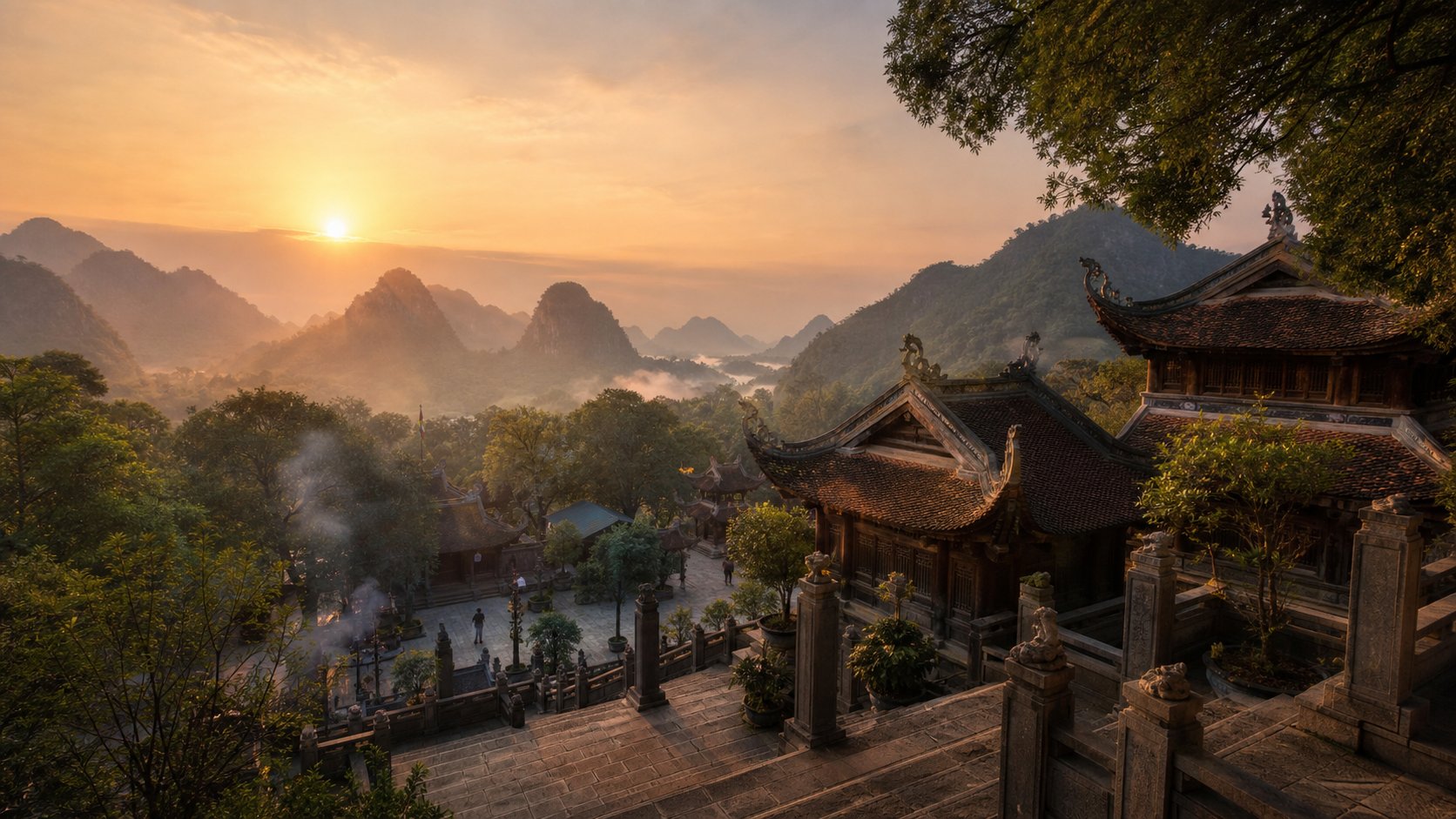
12 Southern pagodas worth visiting
1. Linh Son Tien Thach Tu, Tay Ninh
Nestled within the Ba Den Mountain complex, Linh Son Tien Thach Tu features a mountainside setting and wide-ranging views. This journey suits travelers looking to combine spiritual exploration with high-altitude scenery. Bring sturdy grip shoes, check the weather, and allow extra time as weekends and holidays are often busy.
2. Vinh Trang Pagoda, My Tho area
Vinh Trang draws attention through its fusion of Asian lines and Western decorative details. Corridors, arched roofs, floral patterns, and gardens create multiple layered spaces. When taking photos, stand in the outer courtyard and avoid posing directly near the worship areas.
3. Bat Pagoda, Soc Trang
Bat Pagoda, also known as Mahatup, represents Khmer Theravada Buddhist architecture. Multi-tiered roofs, bright color palettes, and narrative reliefs offer a completely different feel from Northern-style Mahayana temples. The gardens were once famous for large colonies of bats; visitors should observe from a distance and avoid making loud noises to disturb the wildlife.
4. Chen Kieu Pagoda, Soc Trang
The distinctive feature of Chen Kieu Pagoda is its decorative panels made from repurposed bowls, plates, and ceramic shards. Up close, each wall resembles a hand-crafted mosaic. This spot appeals to fans of folk architecture, though visitors must keep a distance from old surfaces to prevent damage.
5. Ta Pa Pagoda, An Giang
Located among the hills of Tri Ton, Ta Pa Pagoda stands out with Khmer architecture and open views across rice paddies. Morning or late afternoon offers soft lighting, but mountain roads can be slippery after rain. Combine this trip with Ta Pa Lake or other local spots rather than rushing through too many locations in one day.
6. Ho Quoc Zen Monastery, Phu Quoc
Situated on a high slope facing the sea, this monastery offers a rare sense of openness. It easily integrates into a southern Phu Quoc island itinerary. Afternoon sun can be harsh in the courtyard, so bring water, a hat, and avoid mid-day visits; beachwear is not permitted in worship halls.
7. Phuoc Kien Pagoda, Dong Thap
Often known as Lotus Leaf Pagoda due to a pond featuring giant lily pads, its charm lies in rustic scenery rather than massive architecture. Do not step into the pond, do not place small children onto the leaves, and ask management before undertaking any staged photography.
8. Buu Long Pagoda, Ho Chi Minh City
Buu Long carries a Theravada Buddhist appearance with a bright stupa and numerous golden details. The grounds are spacious, clean, and relatively quiet despite being located within an urban area. Weekday mornings suit architectural observation; visit early on weekends to avoid crowds and heat.
9. Giac Lam Pagoda, Ho Chi Minh City
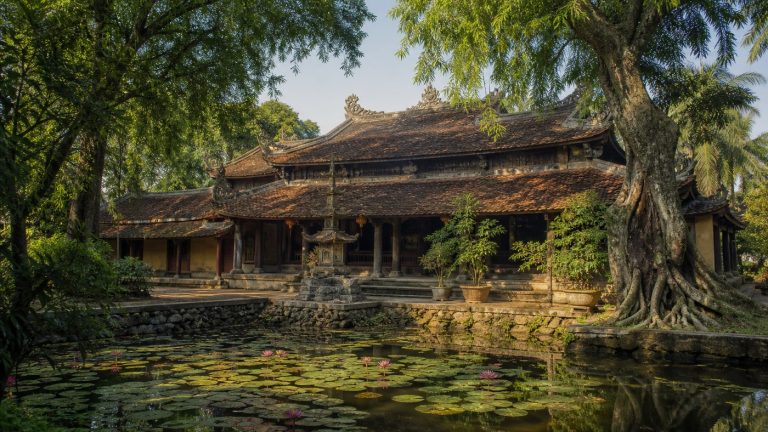
Giac Lam is ideal for those who appreciate ancient spaces, large trees, and traditional temple structures. Do not just visit the main hall and leave; the grounds, stupas, and old wooden details are well worth observing. Wide-angle lenses are unnecessary if the goal is to capture the intimate feel of each hall.
10. Xiem Can Pagoda, Bac Lieu
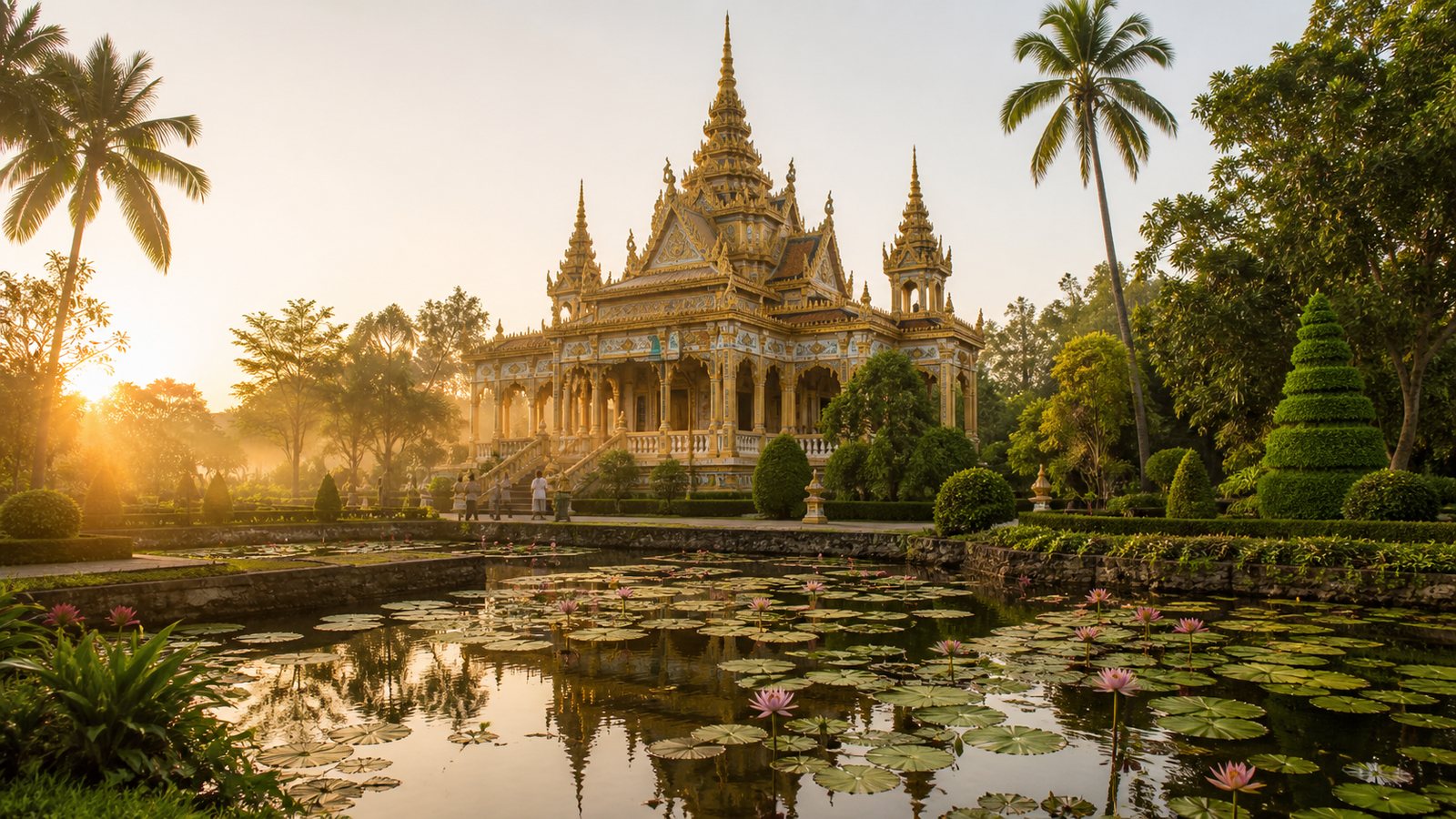
Xiem Can stands out with its yellow color scheme, multi-tiered roofs, and signature Khmer relief systems. The structure features many fine details, requiring at least an hour to explore. Morning sunlight makes patterns clearer; midday brings strong contrast and hot courtyards.
11. Tien Chau Pagoda, Vinh Long
Located near the river and islet region, Tien Chau Pagoda fits a gentle Mekong Delta itinerary. Visitors can combine boat rides, orchard visits, and local food tastings, but plan rest times between legs. Life jackets are essential when traveling by waterway, even for short distances.
12. Truc Lâm Phuong Nam Zen Monastery, Can Tho
Wooden architecture, broad courtyards, and water features create a sense of detachment from city life. This location pairs well with fruit orchards in southern Can Tho. Arrive well before closing time to enjoy a leisurely walk and avoid intruding on ongoing meditation retreats.
Suggested clustered itineraries
- Ho Chi Minh City 1 Day: Giac Lam and Buu Long, interspersed with a lunch break.
- Mekong Delta 2 Days: Vinh Trang, Tien Chau, and Truc Lam Phuong Nam; avoid cramming in too many provinces.
- Khmer Culture 2 Days: Bat Pagoda, Chen Kieu, and Xiem Can, ideally accompanied by a local guide for explanations.
- Mountains and Plains 2 Days: Ta Pa along with Tri Ton sights, followed by an overnight stay in Chau Doc or Long Xuyen.
Tips for a deeper experience
Do not just hunt for a photo angle and leave. Spend a few minutes reading the introduction boards, observing materials, courtyard layouts, and how the community interacts with the structure. If hiring a local guide, prioritize those with cultural knowledge rather than purely photography-focused leads. Responsible travel also means avoiding littering, refraining from buying animals for release, and steering clear of unverified spiritual tales.
To expand your journey across all three regions, you can check out 13 famous pagodas in Vietnam to compare architecture and itinerary organization.