Hoi An Cao Lau: Identifying Noodles and How to Eat It
Cao lau is a worthwhile choice when you want to dedicate a meal to the flavors of Hoi An. This dish does not feature a bowl full of broth like pho: the notable highlights lie in the firm noodles, meat, herbs, and crispy accompaniments. For a first-time experience, it is best to start with a basic bowl and adjust the seasonings according to your palate.
What should you look for in a bowl of cao lau?
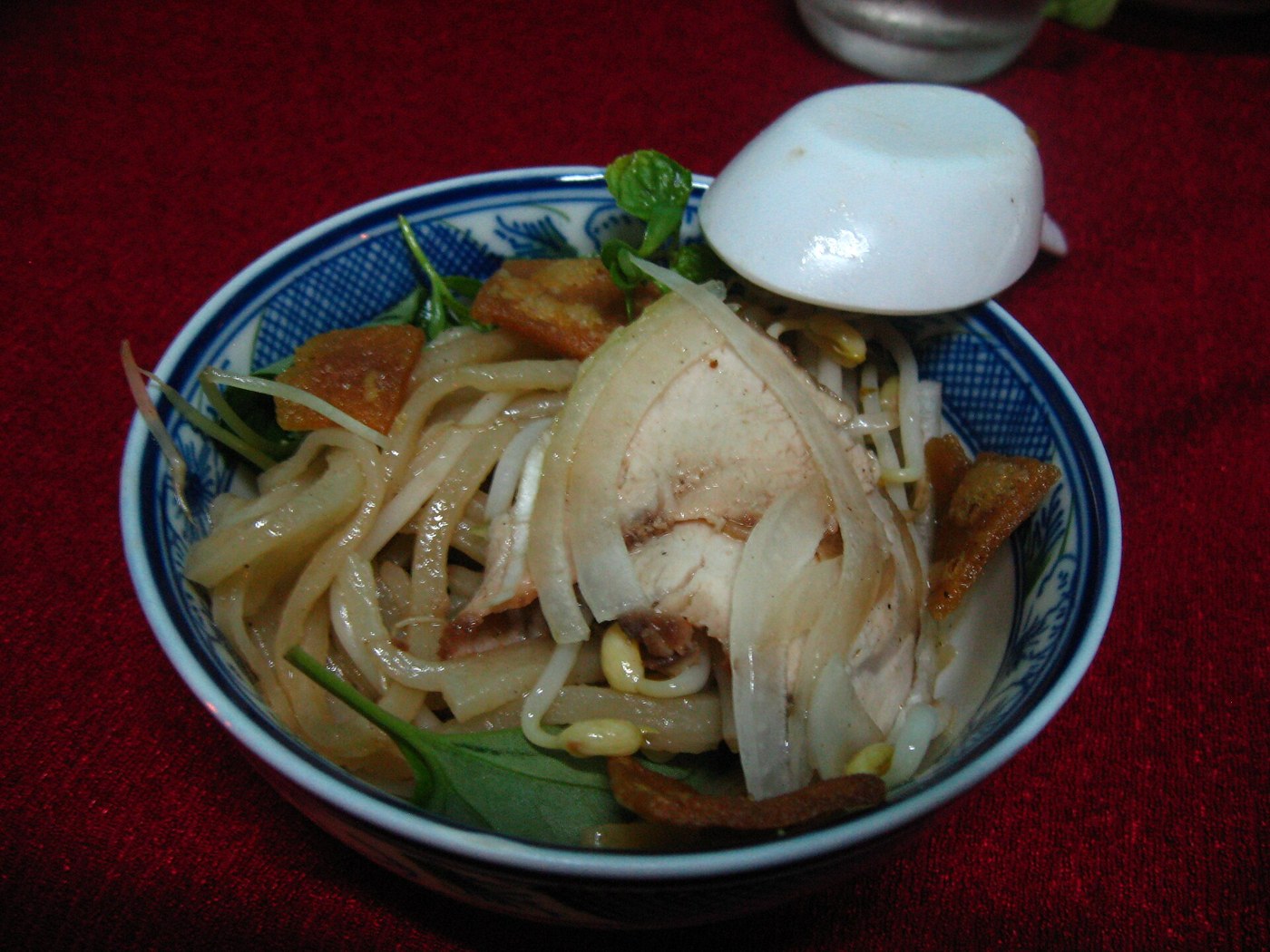
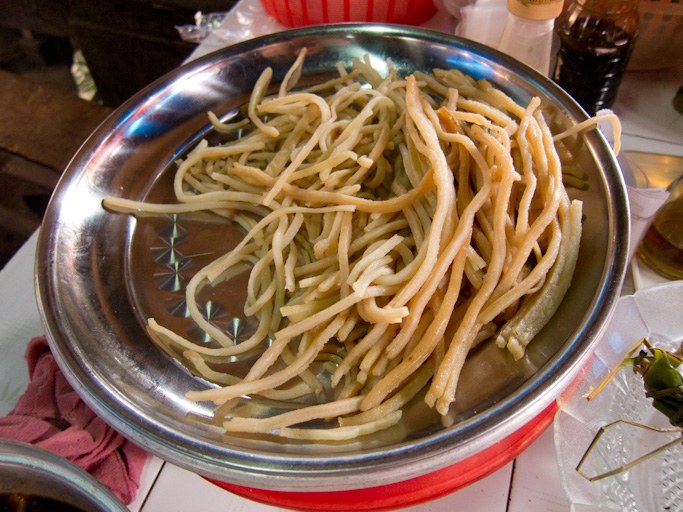
Cao lau noodles are made from rice, possessing a firm texture and a yellowish or light brown hue. The process of treating the rice with lye water creates characteristics that set it apart from many soft white noodle varieties. Therefore, do not rely solely on the yellow color to identify the dish, nor should you assume that colored noodles contain added turmeric.
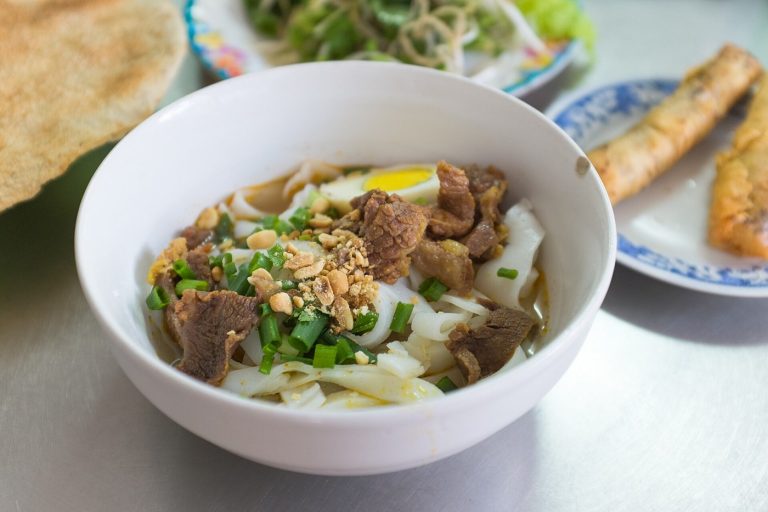
A standard bowl typically includes sliced pork, bean sprouts, fresh herbs, and crispy fried elements, with just enough sauce for mixing. The way the meat is sliced, the amount of herbs, and the seasoning levels vary between kitchens; the illustration in this article is archival material about the dish, not a guarantee that any current establishment serves an identical version.
Do not confuse cao lau with mi Quang
Both dishes can be served with relatively little broth, but cao lau stands out for its firm noodle texture and its combination of pork, herbs, and crispy bits. Mi Quang usually features softer, flat noodles and a wider variety of toppings such as chicken, shrimp, pork, or eggs. When ordering, read the names on the menu rather than guessing from a yellow bowl of noodles.
If you are spending a few days in the Central region, you can try the two dishes across two different meals. There is no need to order two full portions at the same time just for comparison; eating when you are moderately hungry will make it easier to notice the differences.
How to enjoy it for the first time
- Taste before adding condiments. Sample a few strands of noodles and meat to gauge the richness of the sauce.
- Mix from the bottom of the bowl. Toss gently so that the sauce coats evenly, then add herbs according to your preference.
- Save a portion of the crispy bits. Add them in small amounts if you want them to stay crunchy until the end of the meal.
- Add chili gradually. Those who cannot eat spicy food should state this clearly when ordering, rather than waiting until the bowl is already mixed to request a change.
There is no single mandatory way to eat the dish. If you prefer more thoroughly cooked greens, less fatty meat, or want condiments served separately, simply ask the vendor before the dish is prepared. Not every place can accommodate every request.
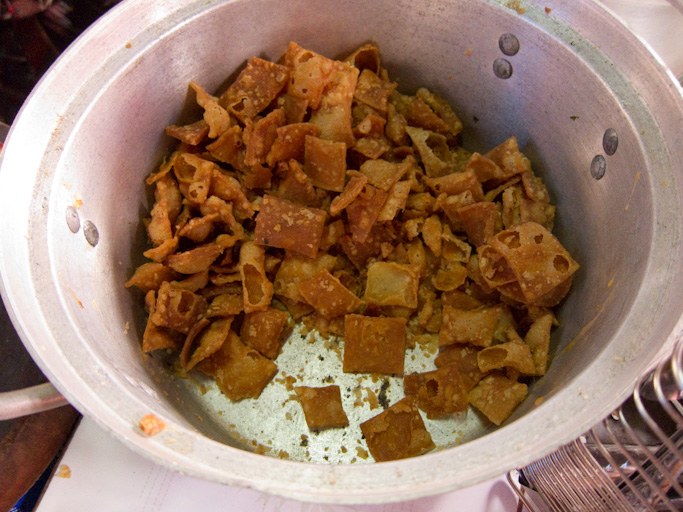
Choosing a cao lau meal during your Hoi An trip
A simple suggestion is to dedicate a lunch or an early dinner to this dish, followed by a short walk through the old quarter. Choose a spot that fits conveniently along your route rather than making a long detour across multiple streets just to follow a ranking list. For large groups, asking in advance if there are enough seats and how long the food will take helps avoid separating the group or waiting while hungry.
Before sitting down, check the listed prices and ask what is included in a standard portion. Extra meat, drinks, or side dishes may be billed separately; this article does not provide fixed prices because menus and portion sizes vary by vendor. If you still want to try other dishes later in the day, ask if small portions are available and only order more after finishing the first part.
Visitors coming from Da Nang to Hoi An for a day trip should allow a buffer of time before heading back, especially if they still need to find a pickup point. Do not schedule a meal right up against an appointment time simply because the distance on the map looks short.
Questions to ask before ordering
- What ingredients are included in the standard portion, and how are extras charged?
- Can chili, herbs, or crispy bits be served on the side?
- If you are vegetarian, do the sauce and the fried components use animal-derived ingredients? Omitting the meat does not automatically make the dish vegetarian.
- If you need to avoid a specific ingredient, can the kitchen confirm the contents of both the sauce and the accompaniments?
A cao lau meal does not need to become a race to visit multiple stalls. Choose a manageable portion size, ask for what you need, and take the time to notice how the noodles, sauce, and crispy elements work together to add a distinct experience to your Hoi An trip.