Hanoi Bánh Cuốn: Identifying Fillings and How to Enjoy It
A plate of bánh cuốn can look very different: neatly rolled with filling inside, layered into thin sheets, or served with pork roll, fried shallots, and herbs. When trying the dish in Hanoi, asking about the specific type before ordering will help you understand your meal much better than just looking at a menu photo. This is a guide on how to identify and enjoy the dish, not a review of a specific eatery.
The Wrapper is Universal, but Fillings Vary
Bánh cuốn is made from rice batter steamed thinly over hot water. For the filled version, minced pork and wood ear mushrooms are common ingredients; however, the actual recipe may vary depending on the maker. Fried shallots are usually sprinkled on top, while pork rolls and herbs can be served alongside.
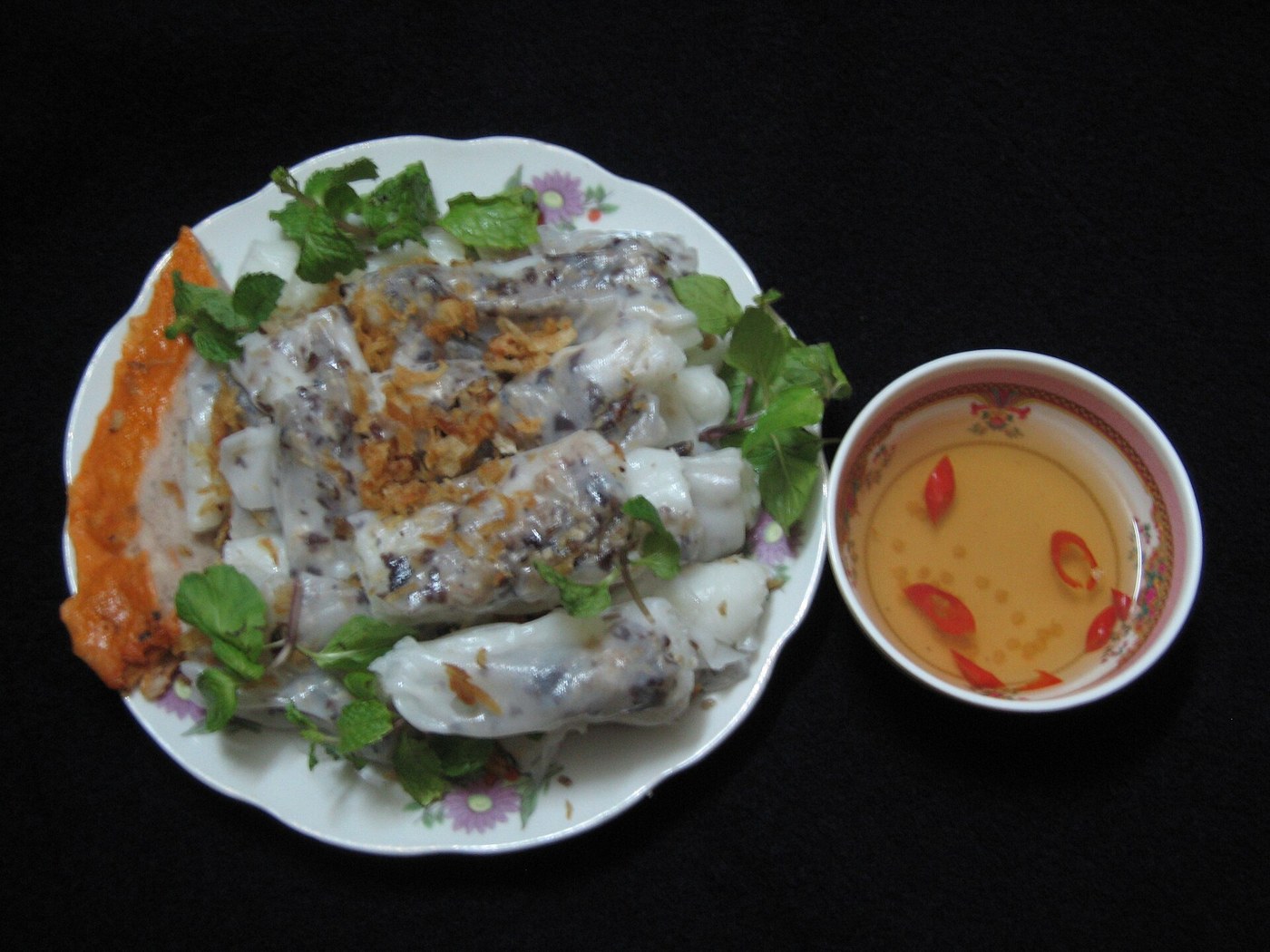
Do not assume every serving includes meat, wood ear mushrooms, eggs, and pork rolls. A quick question like “What filling is in this, and is the pork roll included or priced separately?” will clarify both the dish and the pricing. If there are ingredients you cannot eat, ask directly rather than guessing from the color of the filling through the wrapper.
Looking at a Plate of Unfilled Rolls
The archive photo of Thanh Trì bánh cuốn below shows thin sheets of rice rolls stacked on a plate, with separate accompaniments, differing from the filled rolls in the previous image. This observation helps you recognize two different presentations, but is not enough to deduce the recipe of every stall sharing the same name.
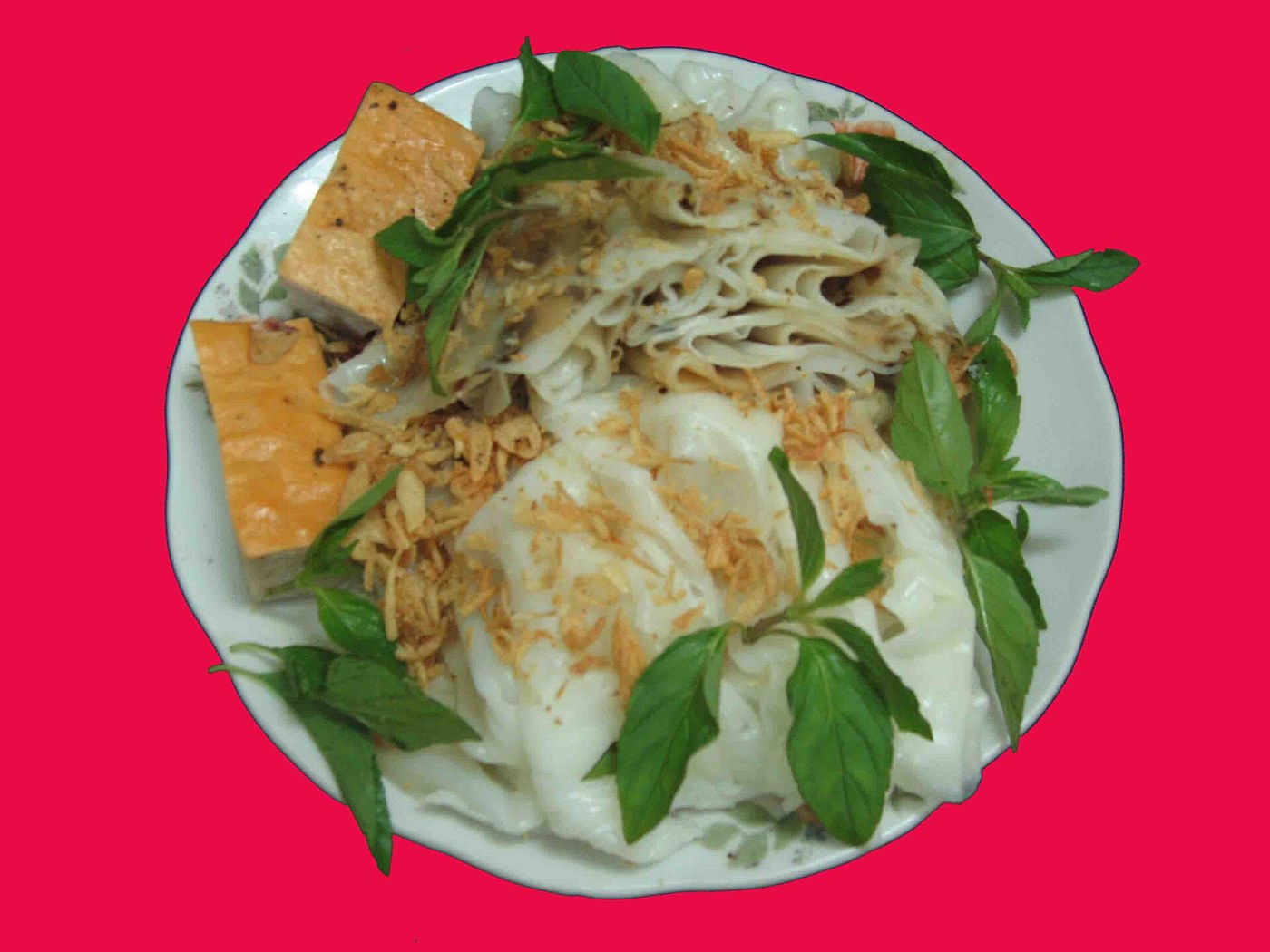
If the goal of your trip is to specifically learn about the craft of making bánh cuốn in Thanh Trì, check the venue’s address and visitor policies in advance. A plate named after a location does not mean the seller offers tours or demonstrations. This article only introduces the food and does not replace a craft village tour guide.
Observing the Steaming Process, If Permitted
At places with an open steaming station, you can see the batter spread across a piece of fabric stretched over boiling water, then the cooked sheet is lifted off to be completed. What is worth observing is how the liquid batter turns into a soft sheet of dough and how the maker removes it from the steaming surface without tearing it.
Stand in an authorized spot, do not block the path of servers, and ask beforehand if you want to take close-up footage. Do not put phones or hands over the hot steam area. A brief observation without disrupting work can provide a much better understanding than hurried photos taken right next to the pot.
Enjoy the Plain Wrapper First, Adjust the Dipping Sauce Later
Tasting a small piece before adding dipping sauce helps you appreciate the texture of the rice sheets. Afterward, combine a little fried shallot or side dish according to your preference. Do not submerge the whole plate into your dipping bowl at once if you want to compare the taste before and after the rolls absorb the liquid.
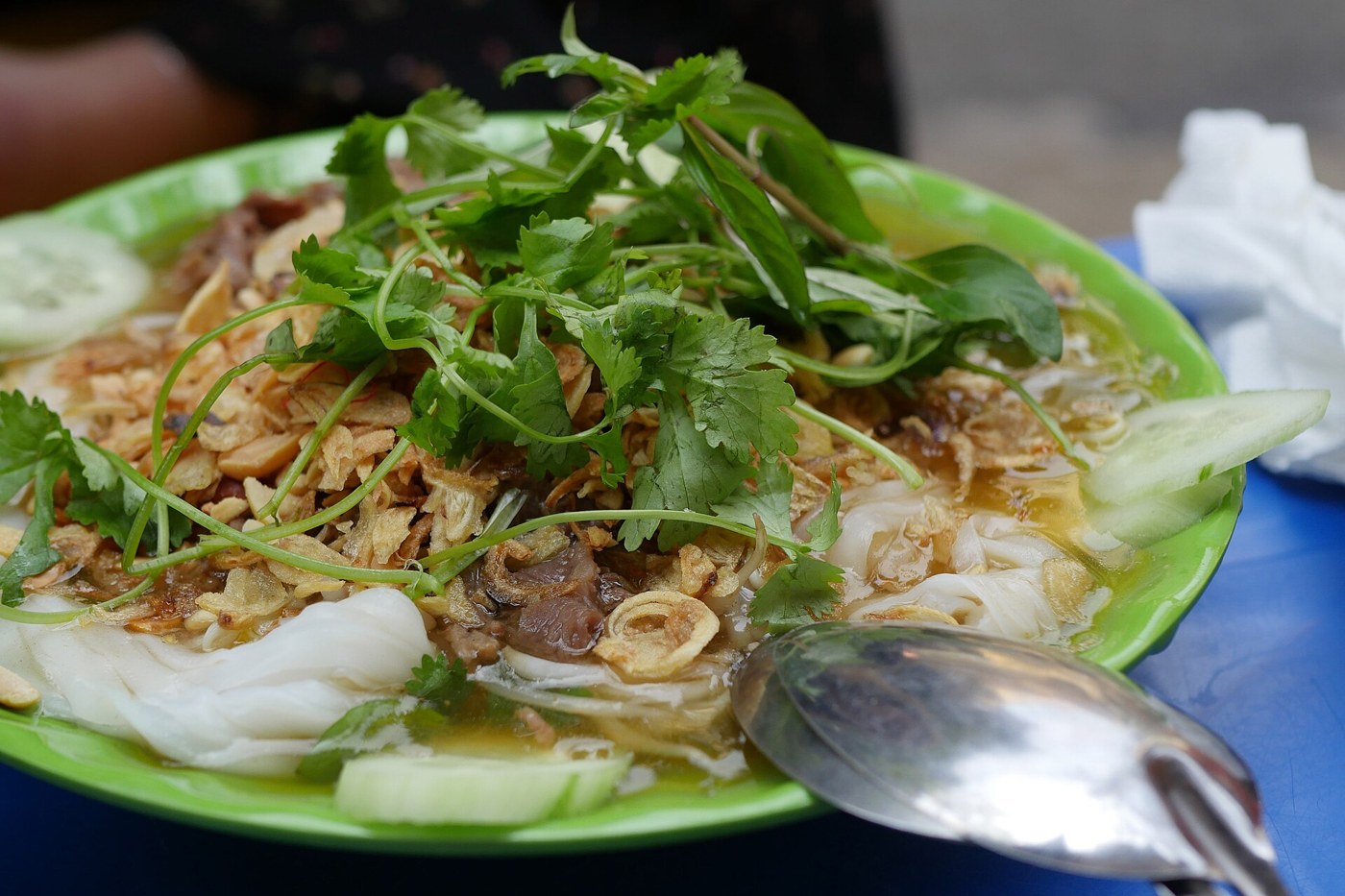
When eating together, each person can use a separate dipping bowl to adjust chili and sourness to their own taste. If you do not like fried shallots, mention it before the plate is prepared. Different serving styles do not necessarily mean one is better than the other; what matters is knowing what you are ordering and whether the portion suits your needs.
Adding Bánh Cuốn to Your Hanoi Itinerary
You can choose a bánh cuốn meal near your accommodation or along your sightseeing route instead of traveling far out of your way just for a photo. Check the operating hours of the place you plan to visit; information about a late-night stall does not mean every bánh cuốn spot stays open late.
- Before ordering: ask about the type of rolls, fillings, amount of side dishes, and the price of your chosen portion.
- When dining in a group: agree on individual portions or shared plates to avoid over-ordering just to try every variation.
- If taking away: ask how the dipping sauce is packed separately and follow instructions for the prepared rolls; do not apply one method to all types of containers.
- When documenting your experience: state the name of the dish and what you actually ate, rather than using a single tasting to draw conclusions about Hanoi’s entire culinary scene.
The value of a bánh cuốn meal does not lie solely in visiting a famous address. Recognizing the wrapper, understanding the filling, and observing the steaming process when possible can turn an everyday meal into a deeper experience. The photos in this article are archival images of the food and do not guarantee current menus or presentation formats.