Hanoi Bun Cha: How to Enjoy and Order the Right Lunch
Bun Cha is a popular lunch option when exploring Hanoi, especially when you want a break from hot noodle soups like pho. The table typically features rice vermicelli, grilled pork, dipping sauce, and fresh herbs for diners to combine themselves. You don’t need a complicated method: understanding the role of each part makes it easier to enjoy the dish.
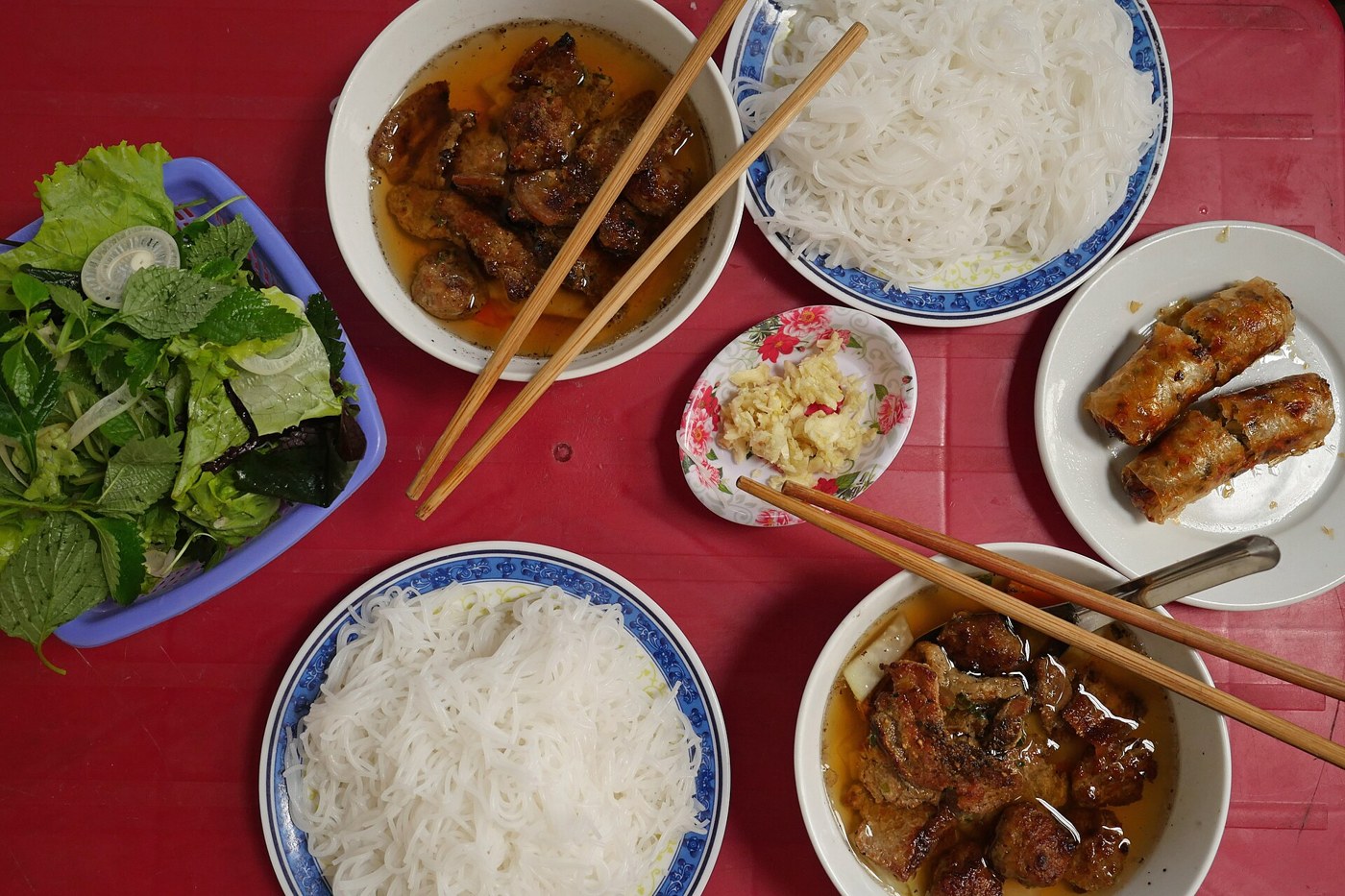
What does a serving of bun cha include?
The meat portion usually consists of sliced pork and minced meat patties. Sliced pork is cut from pork, marinated, and grilled; patties use minced meat shaped into small pieces. These two styles offer different textures: one keeps the meat grain distinct, while the other is soft and cohesive. The ratio of lean meat to fat and the marinade vary by location, so not every portion has the same quantity or size.
The dipping sauce balances salty, sweet, and sour flavors to complement the vermicelli and meat; many places add green papaya or carrots. Vermicelli and herbs are usually served separately. Fried spring rolls may appear in the meal, but they should not be assumed to be included in the price of a standard bun cha set.
Try a little at a time and adjust to your taste
Start with a piece of meat and a small amount of vermicelli to taste the dipping sauce. Then add herbs and condiments if desired. You can transfer small portions of vermicelli into your bowl instead of dumping the whole plate in at once; this helps control the ratio of noodles, meat, and sauce in every bite.
There is no reason to add a lot of garlic or chili right from the start. If traveling with someone who does not eat spicy food, keep the condiments separate and use a personal bowl. If you cannot consume a specific ingredient in the dish, ask the seller directly before ordering; looking at photos or reading menu names is not enough to identify all ingredients.
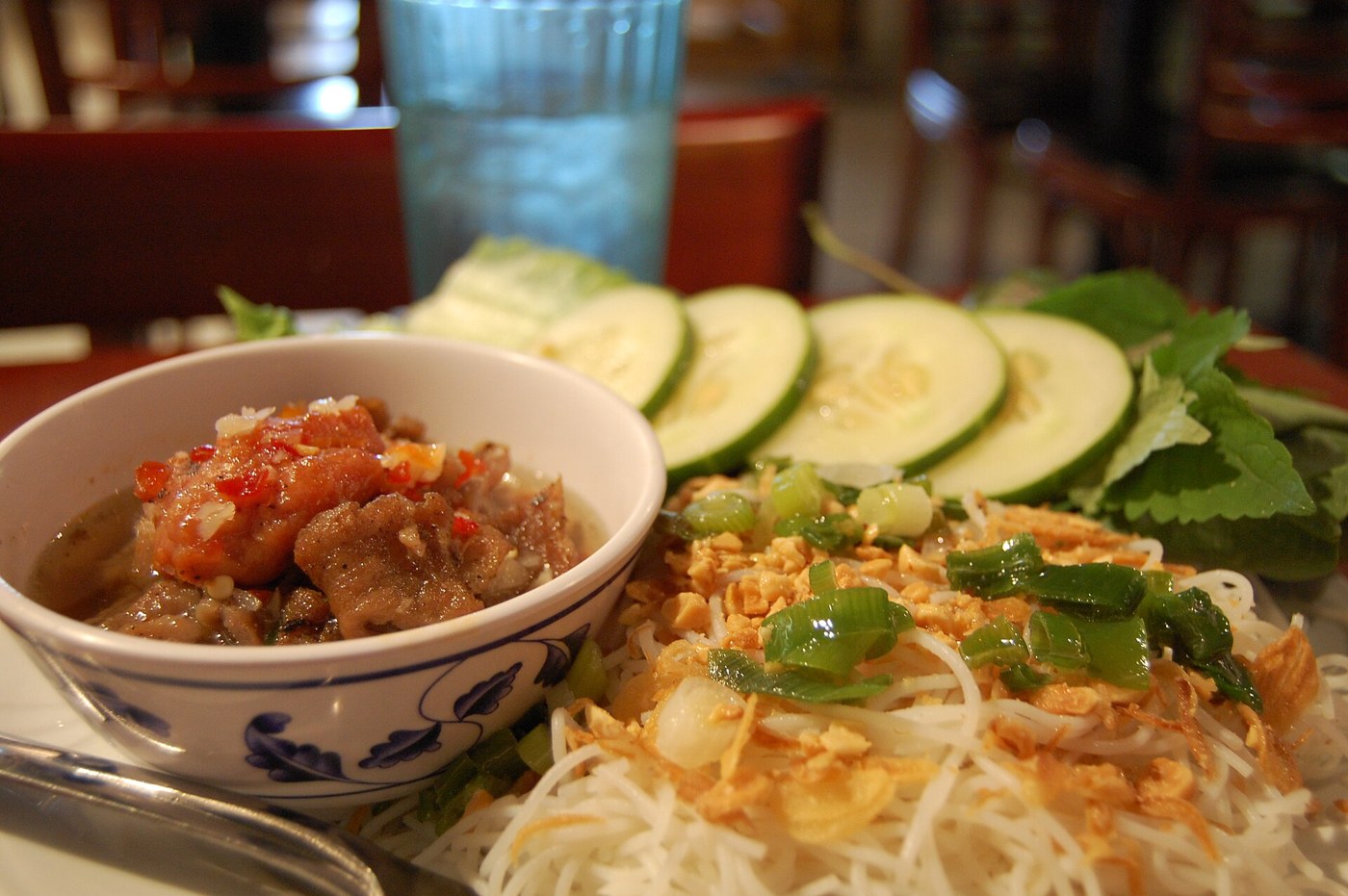
Order a moderate portion before adding extras
Ask clearly whether the basic portion includes sliced pork, patties, or both, and how extra vermicelli and spring rolls are charged. If traveling in a group, agree on individual meals and shared items before ordering. There is no need to order many spring rolls just because a menu photo looks tempting, especially if you plan to try sweets later in the afternoon.
An easy approach is to start with a regular portion, taste it, and then decide whether to order more. Do not compare prices between two places based solely on a number from an old photo: portions and side dishes can differ. Prices and opening hours should be checked at the time of your visit.
Fitting lunch into your Hanoi itinerary
Choose an eatery close to the area you are visiting to minimize travel time. If you have an appointment or a museum entry time, leave a buffer for waiting for a table, ordering, and paying. If a place is overly crowded, switching to another suitable spot along your route is often more pleasant than waiting just to check an item off a list.
After the meal, a short walk or a rest is a gentle option. Avoid booking multiple heavy meals in the same session just to try all signature dishes. Bun cha can be the highlight of your lunch, while other dishes can be saved for a future trip.
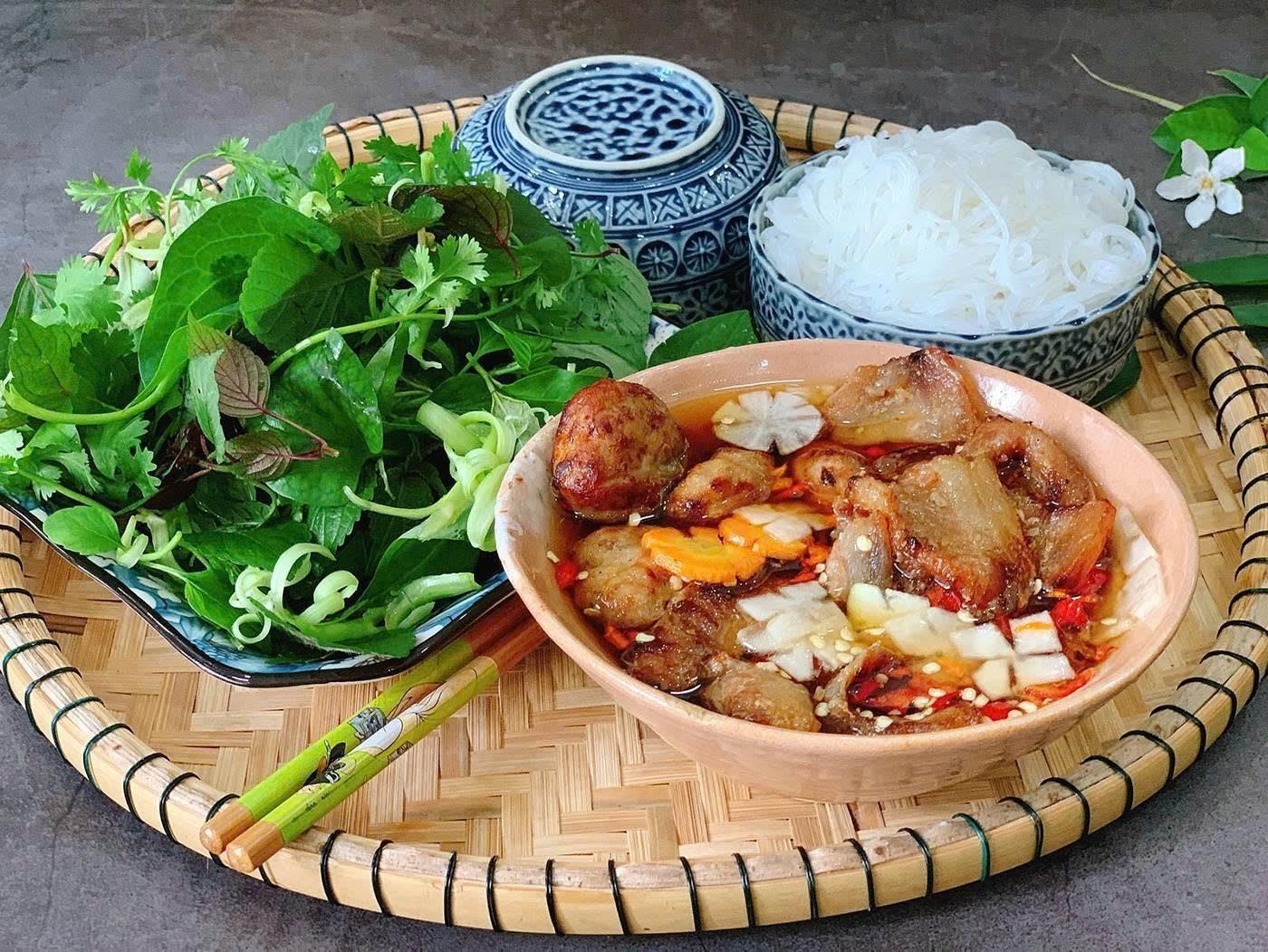
Observe the food without disturbing the vendor
If you want to take photos of the grilling process, ask for permission first and stay clear of the cooking area. Do not block service paths or hold your phone close to the charcoal stove for an angle. Taking a quick photo as the food arrives and then eating is much better than making the group wait too long for staging.
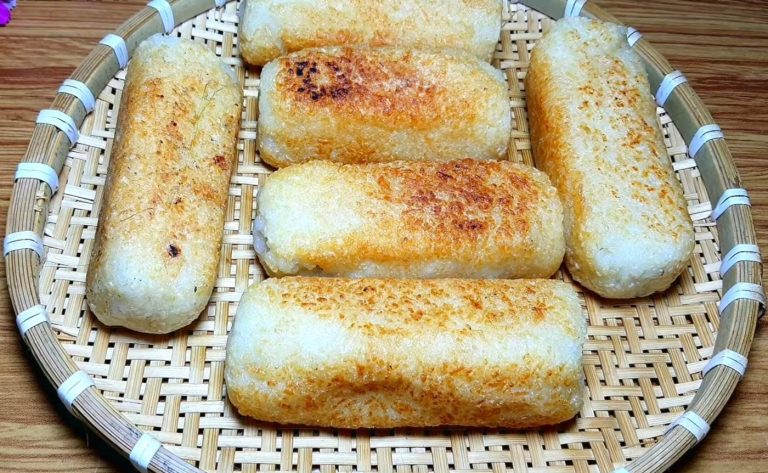
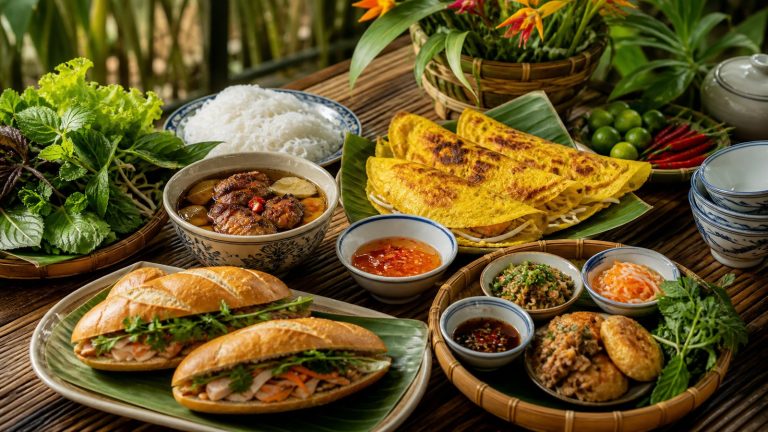
The photos in this article illustrate various ways bun cha is presented and do not represent the menu of any single recommended restaurant. Each place may change its types of greens, side dishes, or arrangement of meat and vermicelli; view this as an opportunity to explore local flavors, not as a strict standard to judge the dish.