Steamed, Baked, and Palm Sugar Bánh Bò: A Guide to Southern Vietnamese Sweets
During a culinary exploration of southern Vietnam, bánh bò is a worthwhile treat when you want a small sweet snack rather than a heavy meal. Despite sharing the same name, steamed, baked, and palm sugar varieties do not feel the same. Knowing a few differences helps you choose what you like and avoid buying too much before tasting.
Steamed Bánh Bò: Soft, Spongy, and Easy to Share
Steamed bánh bò is usually made into small pieces or cut from a larger cake. Rice flour, sugar, and the fermentation process create an internal structure with tiny air pockets; recipes may also add coconut milk or other ingredients. Because each place makes them differently, do not use color as the only way to guess the flavor.
When served with coconut milk, you can try a piece of cake first and then add the coconut milk to experience the contrast. If traveling in pairs, a small portion is enough for a first try, especially if your food itinerary includes other sweets.
Baked Bánh Bò: Notice Both Crust and Crumb
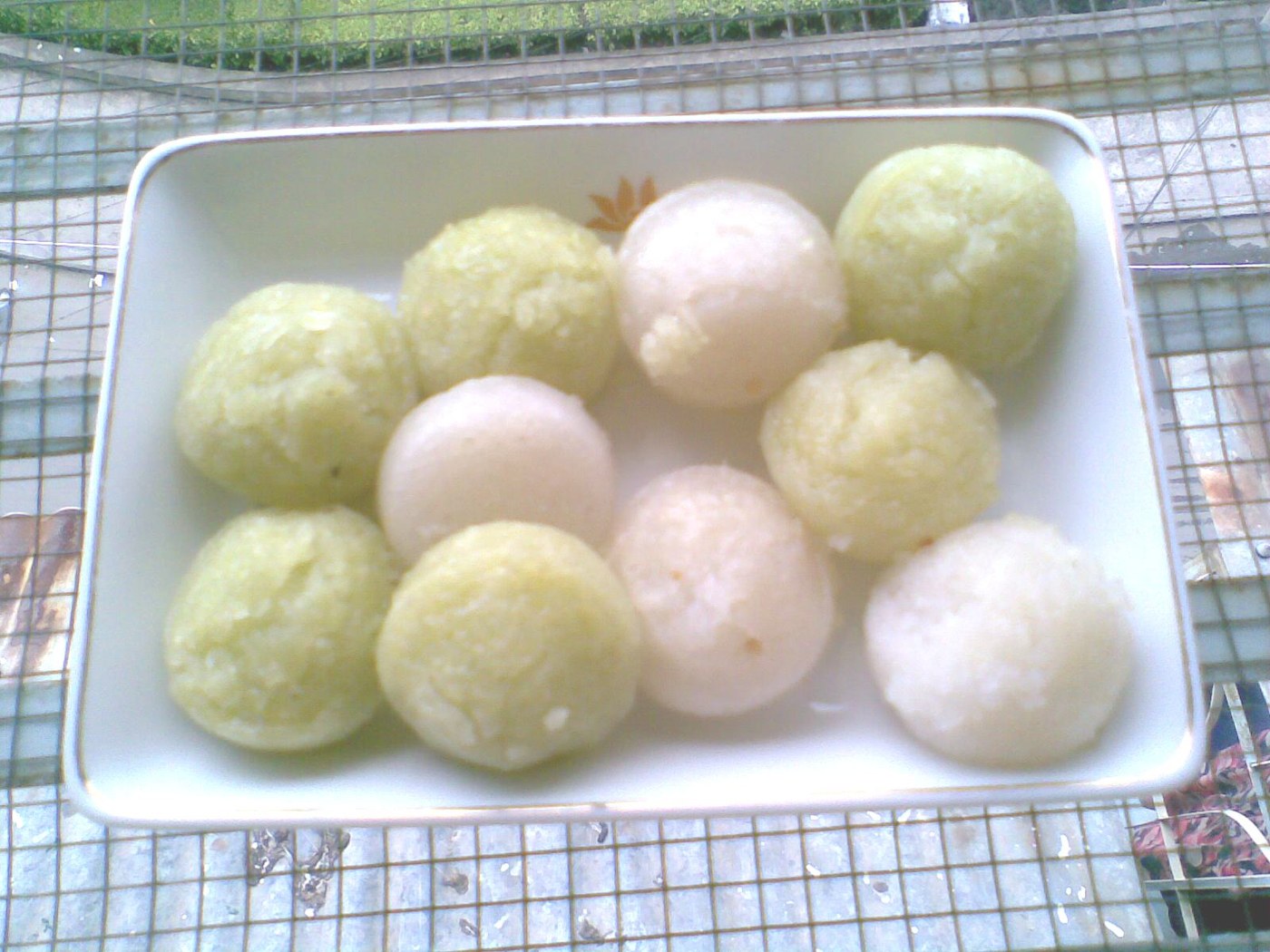
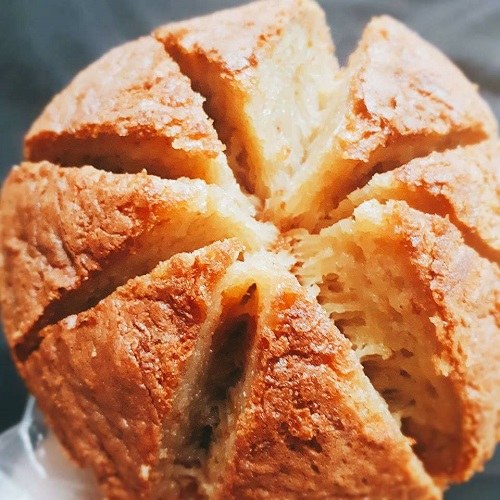
Compared to the steamed version, baked bánh bò features a top crust and edges exposed to dry heat, usually with a golden-brown hue. When sliced, the air pockets inside reveal a recognizable texture. Chewiness, sponginess, and aroma vary by recipe, meaning not all baked loaves look or taste identical.
If buying where you can choose pieces, ask for a small slice instead of a whole loaf. Freshly baked cakes feel different from cooled ones; asking the vendor for the best way to eat the current batch is more helpful than just looking at photos online.
Palm Sugar is a Flavor, Not a Cooking Method
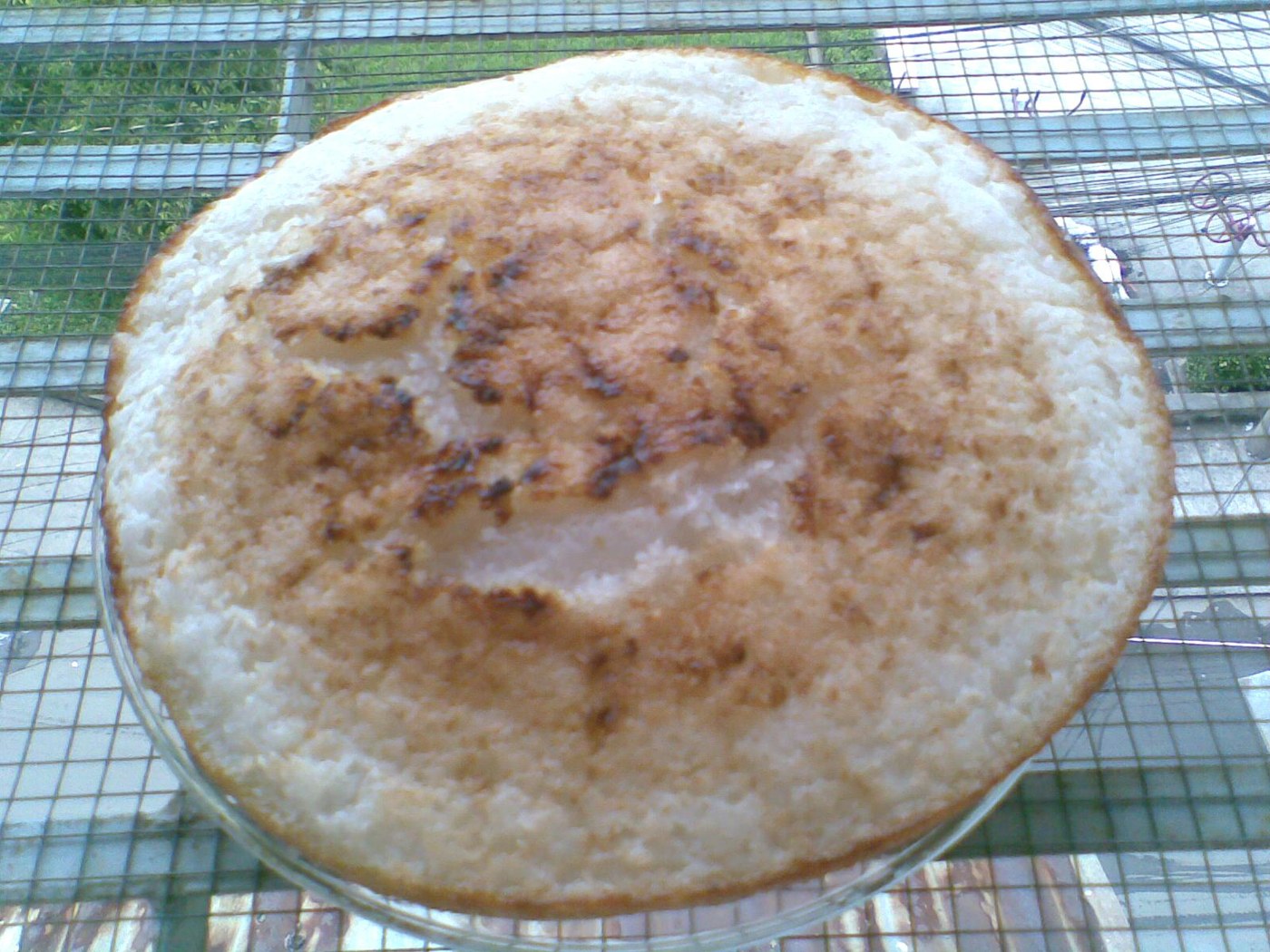
Palm sugar bánh bò is tied to the cuisine of An Giang and the folk cake traditions of the Khmer community. Palm sugar brings a distinctive yellow color and flavor profile. It helps to understand that “steamed” and “baked” refer to cooking methods, while “palm sugar” refers to an ingredient: these terms do not form three entirely separate groups.
Châu Đốc is a place where you can explore palm sugar products during a journey through An Giang. When visiting the market, ask what ingredients are used, when the cakes were made, and if they are sold by the piece, portion, or loaf. Do not assume a cake’s origin solely from its yellow color or the name on the package.
Choose Bánh Bò to Suit Your Itinerary
- Eat on-site: choose small portions, try the cake plain before adding sauce or coconut milk.
- Travel in a group: split steamed and baked types to compare textures; no need for everyone to buy a whole loaf.
- Take away: state how long until you reach your destination and whether you have a cooling method so vendors can advise on packaging.
- Dietary requirements: ask directly about eggs, dairy, coconut, and other ingredients. The name alone is not enough to determine if it fits your diet.
Buy Just Enough and Ask About Storage
A single shelf life does not apply to all types of bánh bò. Recipes, moisture levels, accompanying coconut milk, and transport conditions vary. Prioritize products with clear production dates and storage instructions; if buying loose cakes, ask the maker and choose a moderate amount rather than carrying a large batch through a hot day.
The three images in this article are archival illustrations of cake styles, do not promote any specific vendor, and do not guarantee every shop serves identical items. A memorable experience can start by observing the crumb texture, tasting the sweetness, and having a brief chat about preparation methods, rather than chasing a “best” label or a crowded list.