Ta Van: A Walking Guide to Muong Hoa Valley Terraces
Ta Van is a great choice for anyone wanting to spend a morning or afternoon walking among rice terraces during a trip to Sa Pa, Lao Cai. The landscape here is not just for photographs: the terraced fields, traditional houses, and narrow pathways are part of the daily lives of local residents. A manageable itinerary that allows time for observation and knowing when to stop is much better than trying to cram in too many spots.
What to Experience in Ta Van?
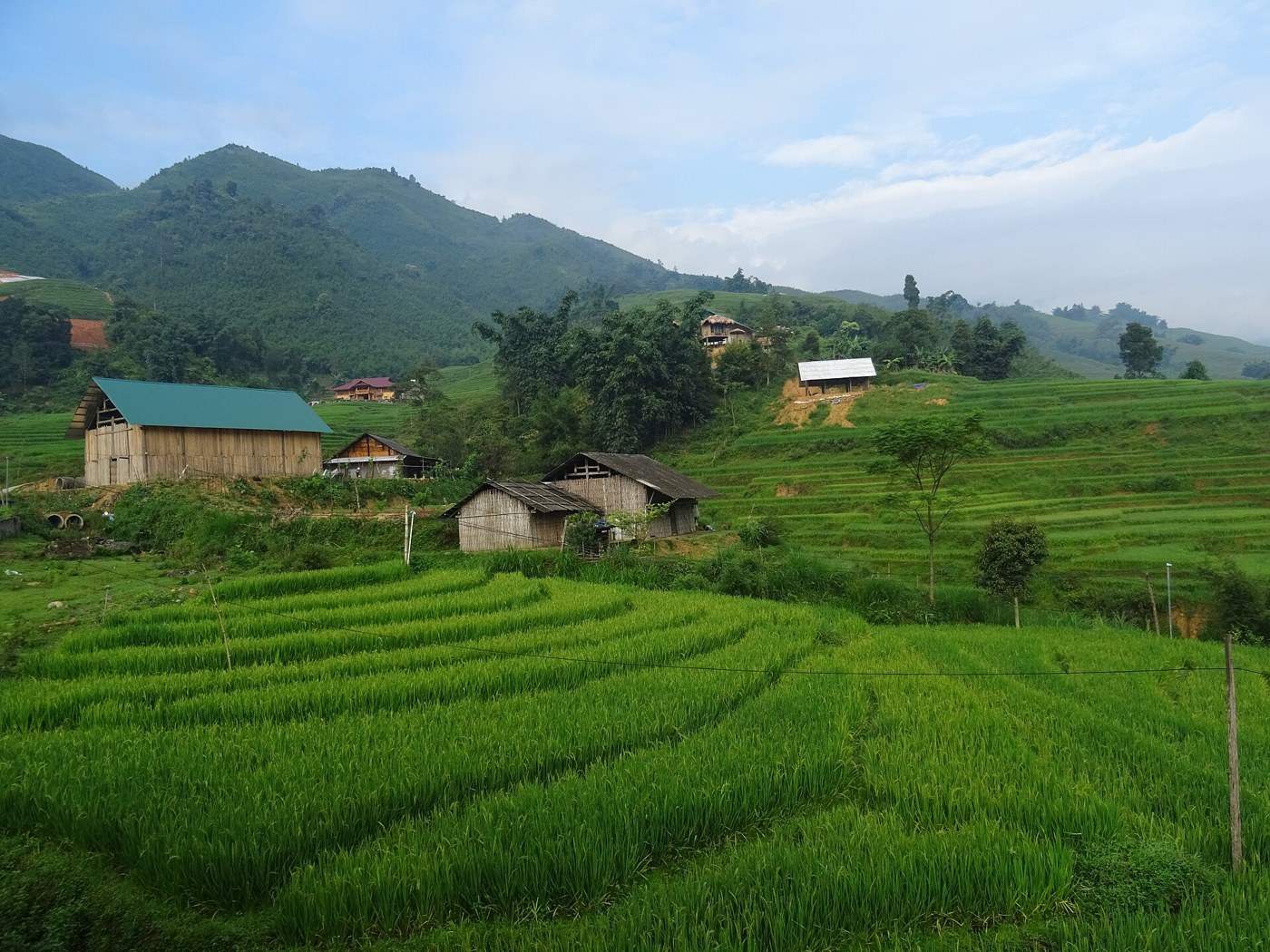
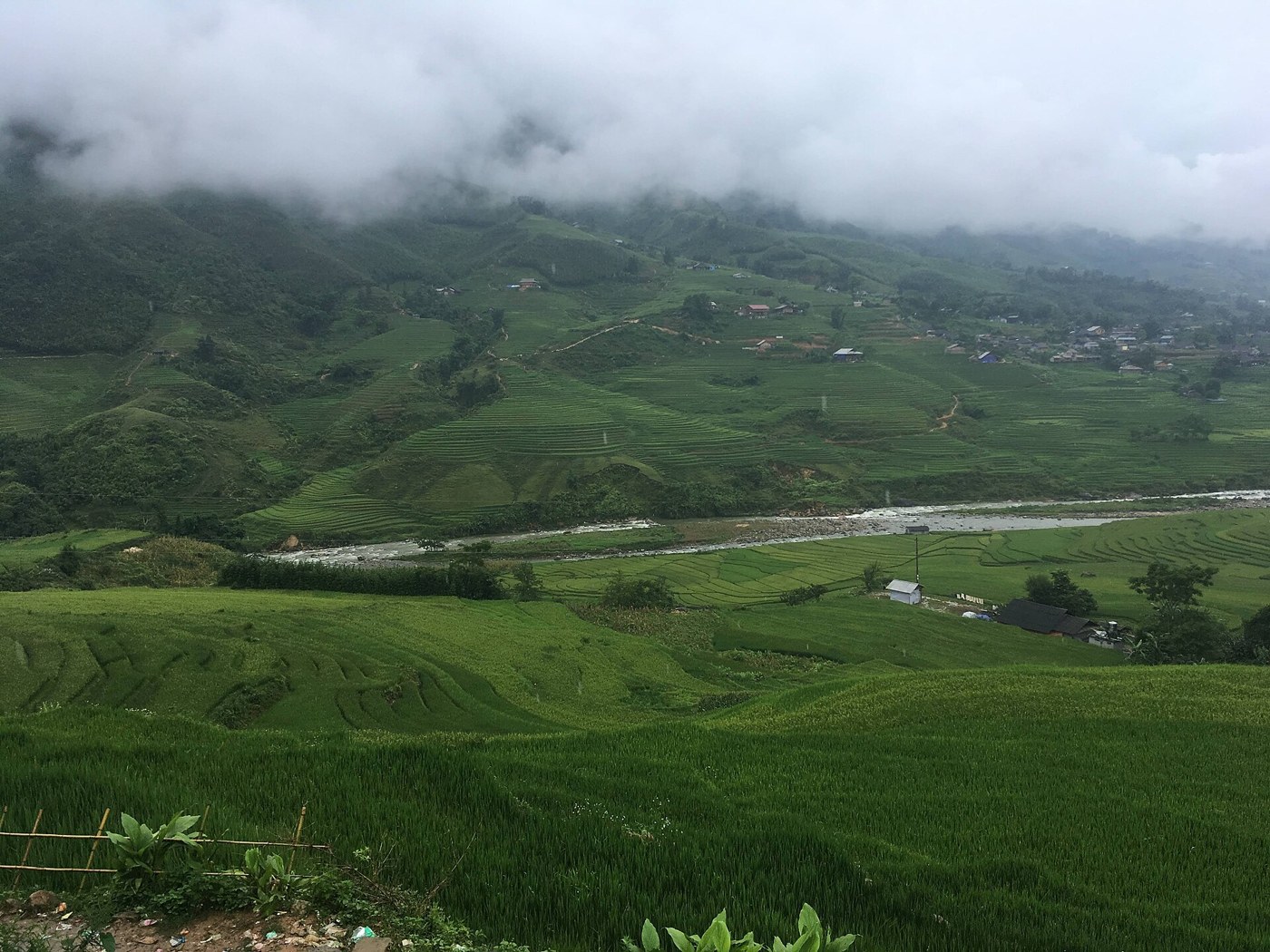
The main appeal of the Ta Van area is how the rice terraces blend into the wider Muong Hoa valley landscape. From an open viewpoint along the trail, you can admire the curves of each terrace layer; walking closer brings you right up to the rice plants and hillside homes. It is best to choose a route that offers both wide panoramas and close-up paths near the fields, rather than just rushing to a single check-in spot.
This article focuses on a short walking excursion around Ta Van, rather than a full trekking guide across villages or an itinerary to Nam Cang. Longer routes require separate preparation regarding paths, physical fitness, and local guides.
Timing Based on Crop Conditions, Not Just Months
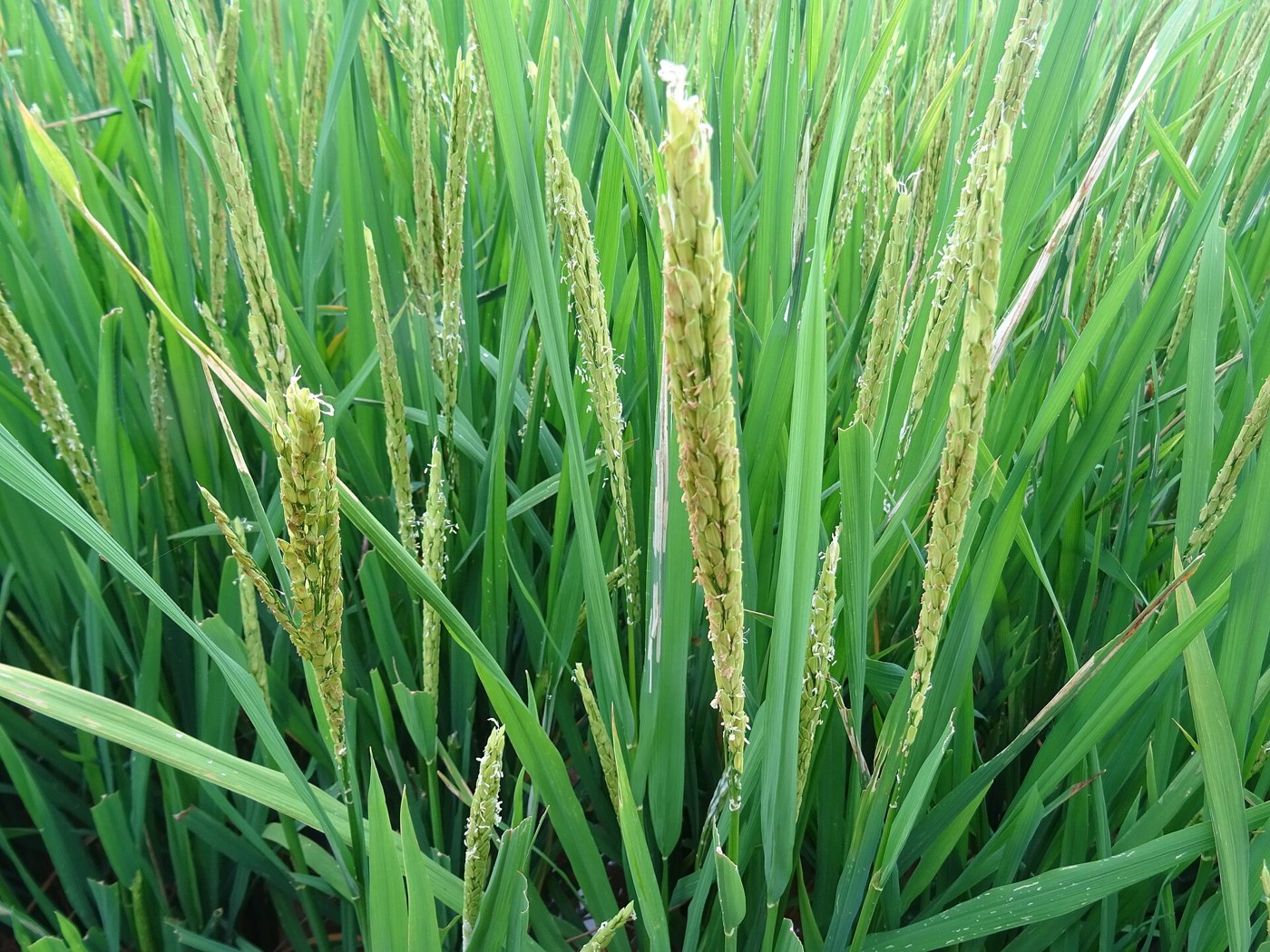
If your main goal is to see the rice, ask locals about the condition of the fields before finalizing your trip. Lush green phases, ripening gold, and harvested fields offer entirely different experiences. Do not assume that golden season photos online mean every single terrace will be golden on the day you arrive.
The photos in this article are archival images taken in August 2018 and do not reflect current weather or seasonal conditions. On overcast days, you can still observe the terrace layers at close range; if there is heavy rain or poor visibility, it is best to skip longer walks and avoid steep dirt paths.
A Suggested Manageable Walking Itinerary
Before leaving your accommodation, confirm your drop-off and pick-up points, save offline maps, and keep essential contact numbers handy. If you are not used to mountain roads, prioritize hiring a local driver familiar with the area rather than driving yourself just to save a little money.
- Start of the session: Arrive in the Ta Van area, ask about accessible public walking paths, and choose a clear return direction.
- The walk: Dedicate about 60 to 90 minutes depending on your fitness level for a short section, stopping to admire the terraces from solid ground. This is a suggested timeframe, not a fixed route duration.
- Mid-trip break: Have a drink, check the weather, and consider heading back the way you came. Do not attempt shortcuts directly through the fields just because they look close on a map.
- Conclusion: Return to the meeting point while it is still daylight; leave a buffer of extra time rather than cutting it close to your departure transport from Sa Pa.
Packing Lightly Yet Practically
Sturdy gripping shoes, a light raincoat, drinking water, and a waterproof pouch for your phone are far more useful than photography accessories. Bring a jacket that is easy to stash away so you can adjust when resting or when the weather changes. Families with young children should stick to wider paths, avoid narrow field dykes, and be prepared to cut the walk short if the children get tired.
Taking Great Photos Without Disrupting Agriculture
Stay on permitted paths, keep your horizon straight, and use traditional houses or terrace curves as focal points. Do not step into the fields, pluck rice stalks, or rearrange items to stage a shot. If you want a clear photo of someone working, ask for permission first and respect their refusal.
Do not walk down into the stream bed just to find a different angle, especially when it rains. Pack out your trash, do not block agricultural transport routes, and ask permission before entering someone’s yard. The best souvenir to take home is not just a picture of the terraces, but a respectful way of visiting those who live there.