Tan Ky Old House Hoi An: Merchant Architecture & Guide
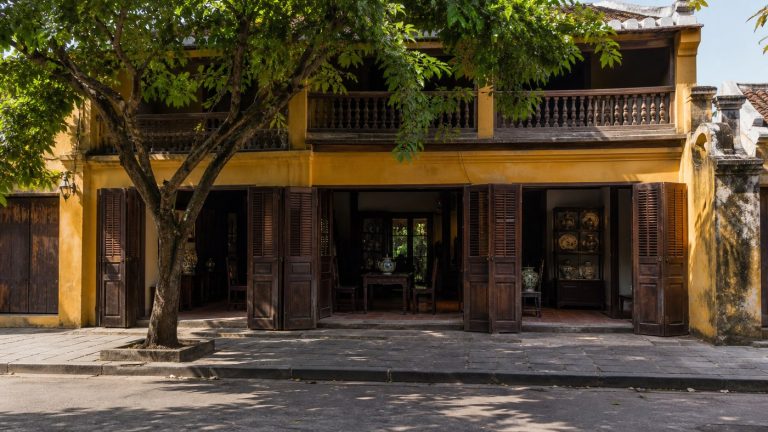
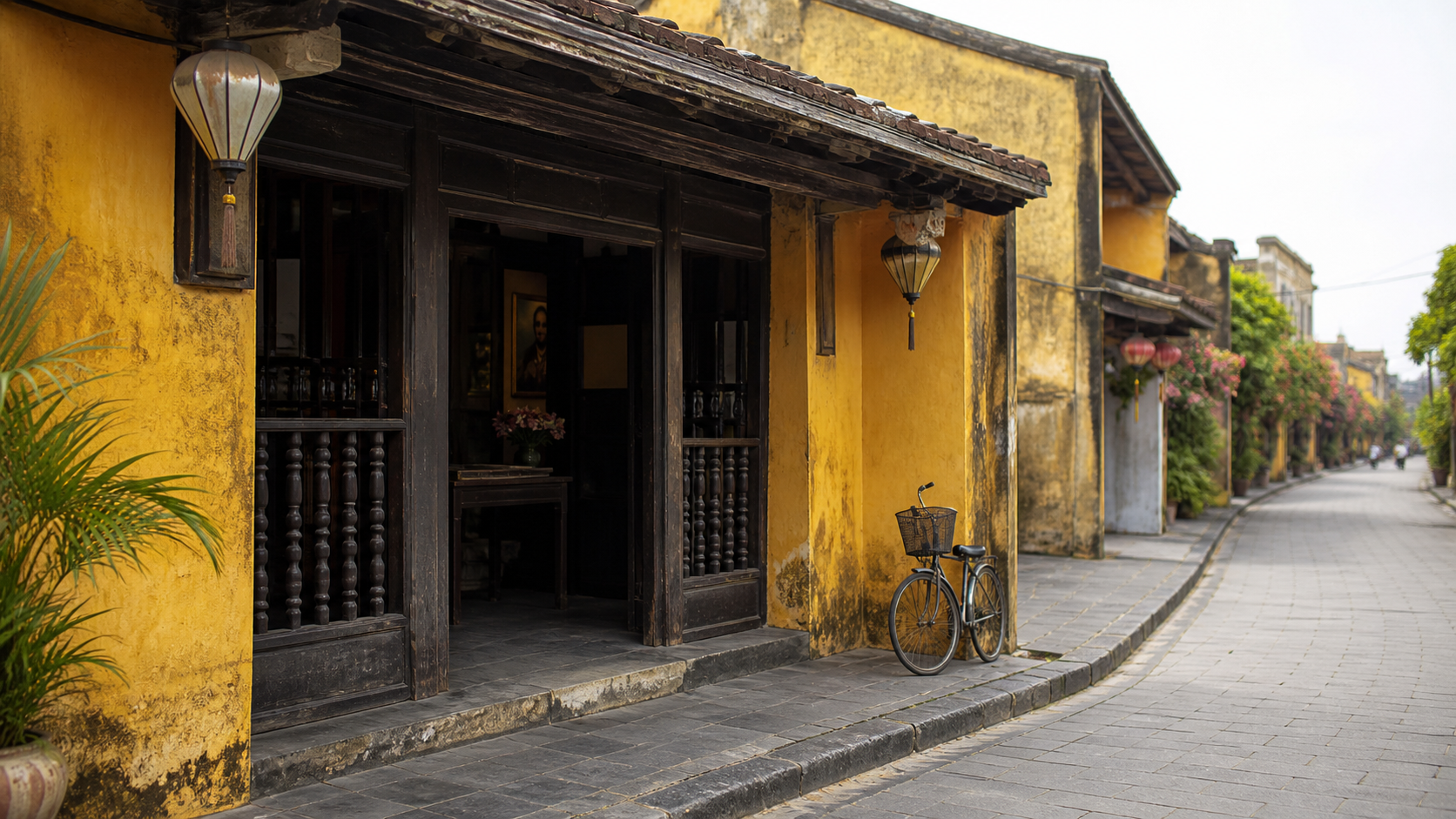
Tan Ky Old House is one of Hoi An’s quintessential merchant dwellings, where architecture, family life, and the traces of a bustling trading port all converge. The space is narrow in width yet stretches deep inward, cleverly organized to maximize daylight, ventilation, and commercial operations.
Why Tan Ky Old House is Worth Visiting
The house boasts a history spanning over two centuries and has been home to multiple generations of a merchant family. Its riverside location was once ideal for loading and unloading goods, though it also meant the structure repeatedly endured seasonal floods. The old high-water marks serve as a visual reminder of how local residents lived in harmony with nature.
The architecture is often described as a blend of Vietnamese, Chinese, and Japanese influences. What is truly remarkable is not isolating individual details by country, but rather how local craftsmen combined them into a dwelling suited to the local climate and commercial activities.
Walking Through the Layers of Space
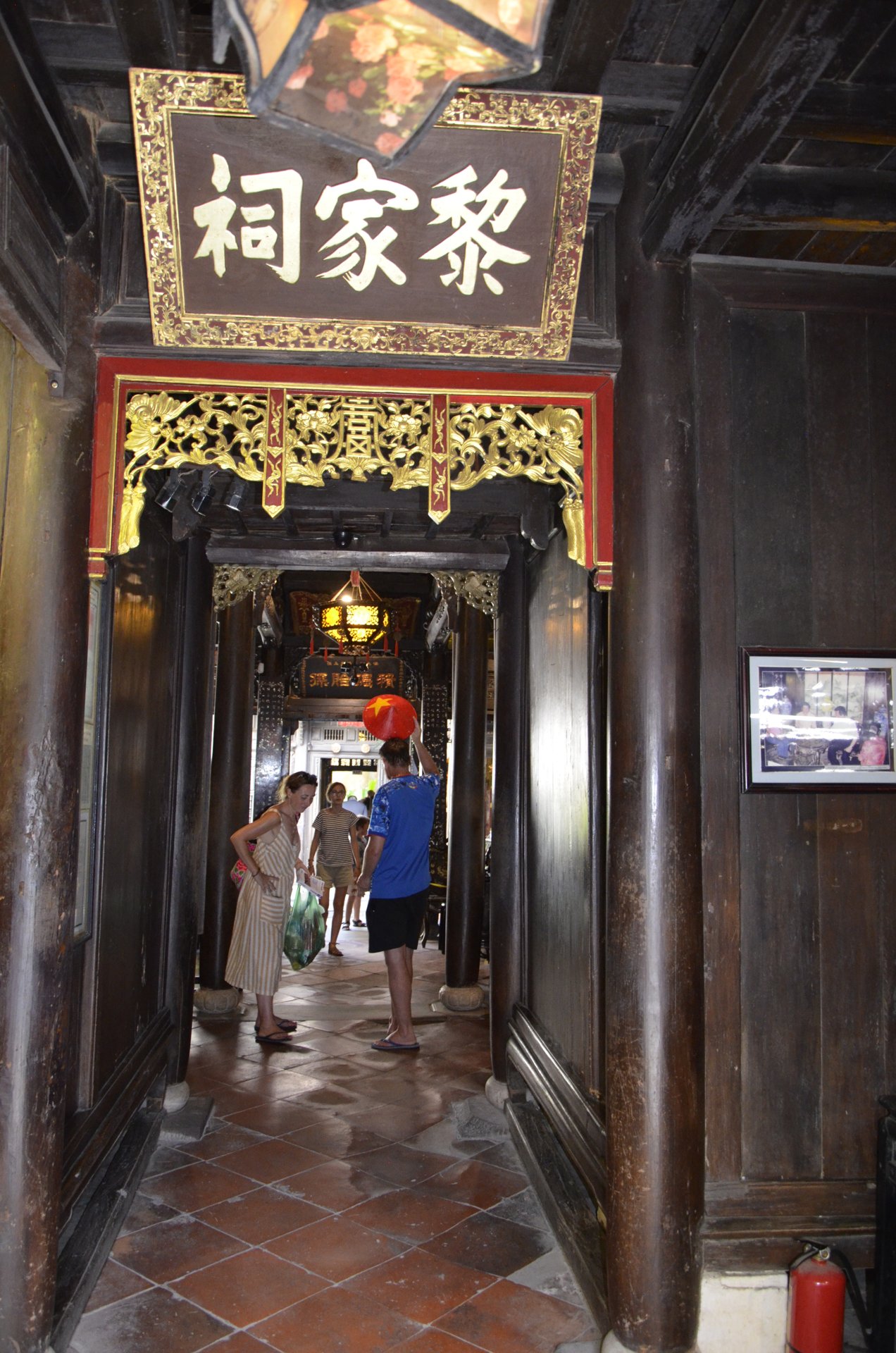
From the streetfront, visitors enter the reception and trading area, followed by living quarters, the central courtyard, and the rear rooms. The courtyard brings light and air into the long house; the wooden columns and truss system provide both structural support and visual rhythm.
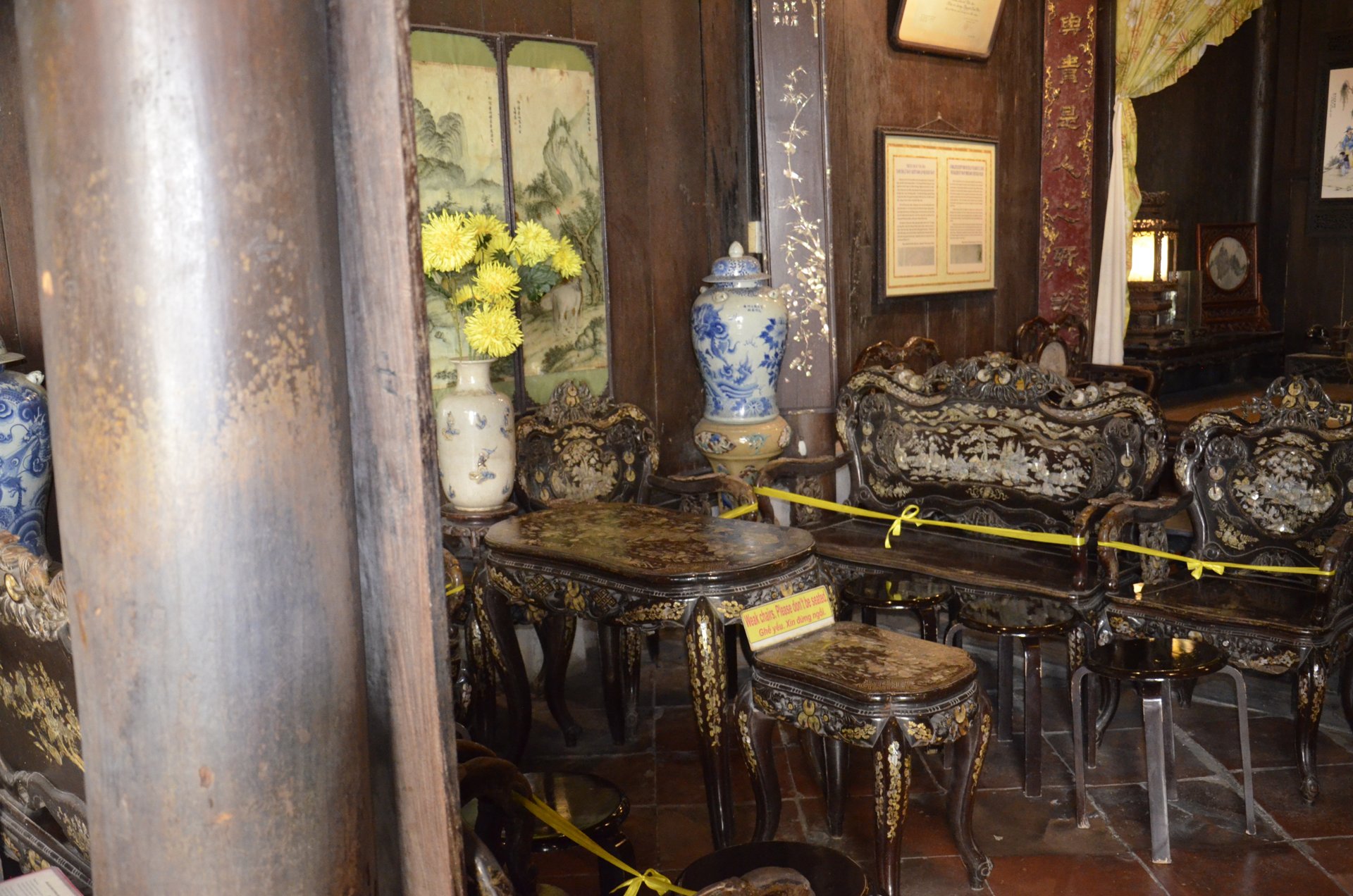
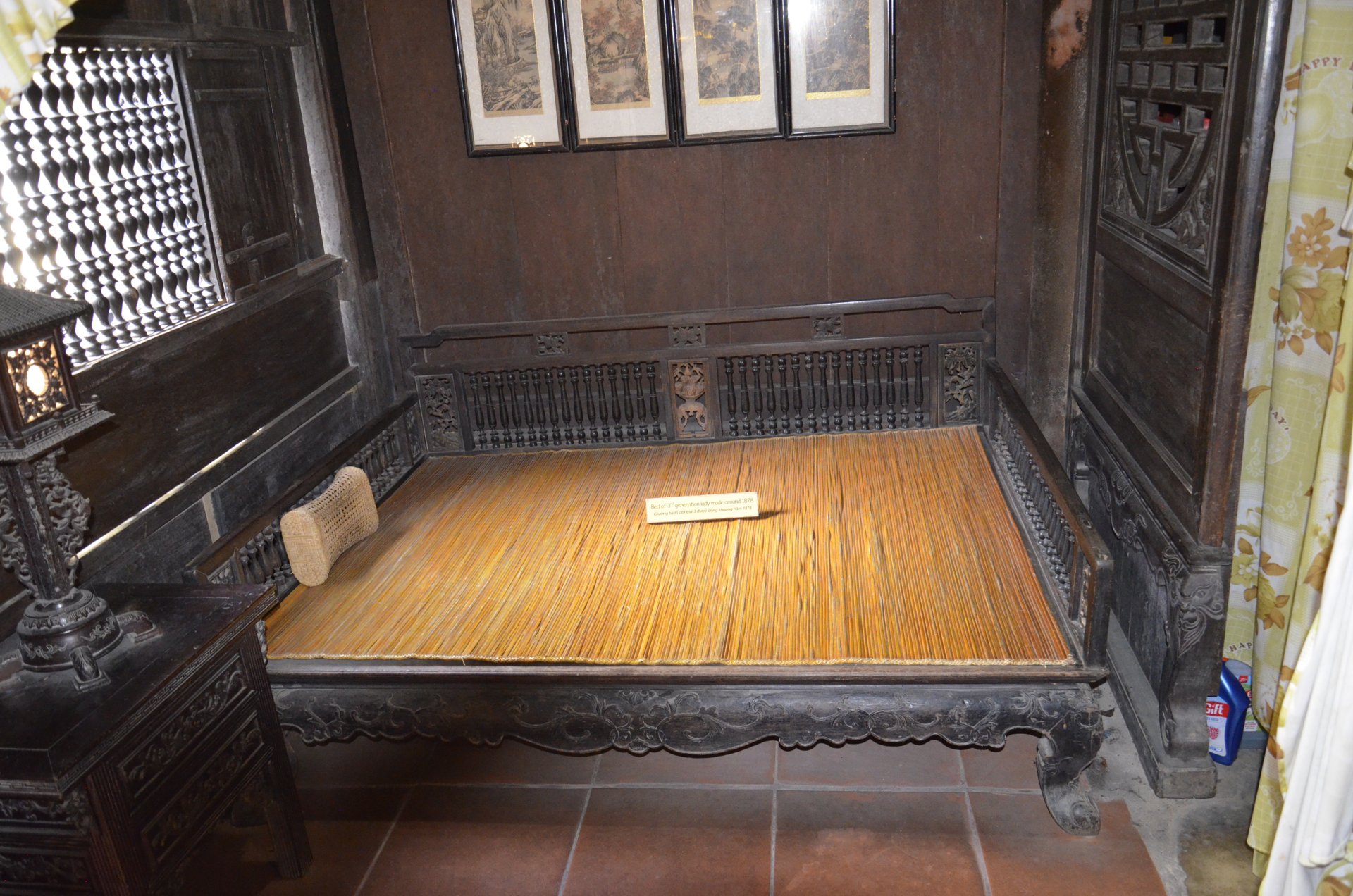
Take time to observe the wooden joints, furniture, tabletop surfaces, and decorative panels. Many of these items are not only aesthetically pleasing but also reflect the homeowners’ past tastes, financial standing, and trading networks.
Tips for Your Visit
- Walk slowly and avoid leaning against columns, railings, or antique furniture.
- Refrain from using camera flash if areas have restrictions to protect artifacts.
- Keep pathways clear as some rooms can be quite narrow.
- Listen to the on-site introduction while making time to observe details on your own.
- Opening hours and visitor procedures may change, so check notices posted on the day of your visit.
Suggested Itinerary
Tan Ky Old House is located in the core zone of the ancient town, making it easy to combine with visits to the market, assembly halls, and the Japanese Covered Bridge. Mornings are generally better for observing details; late afternoons offer a rich atmosphere but tend to be crowded. Set aside about 30–45 minutes, focusing on understanding the merchant house layout rather than just snapping a quick facade photo.
A meaningful visit is one where travelers realize this is not merely an “ancient backdrop,” but rather living documentation of trade, family life, and the adaptability of Hoi An residents across generations.