Hanoi Flag Tower: Architecture and Visitor Guide
The Hanoi Flag Tower is a prominent landmark in the historic center of the capital. The structure impresses with its multi-tiered base, soaring tower, and the national flag visible from various directions. When placed in relation to the old Hanoi Citadel and the surrounding heritage space, this site is not merely a photo spot but also helps visitors better visualize defensive structures, observation points, and urban symbolism through time.
Access to each area may vary depending on current conservation and management activities at the time of your visit. Before going, it is advisable to check information regarding opening hours, tickets, and entry points from the site management; do not assume that every part of the tower is accessible or open every day.
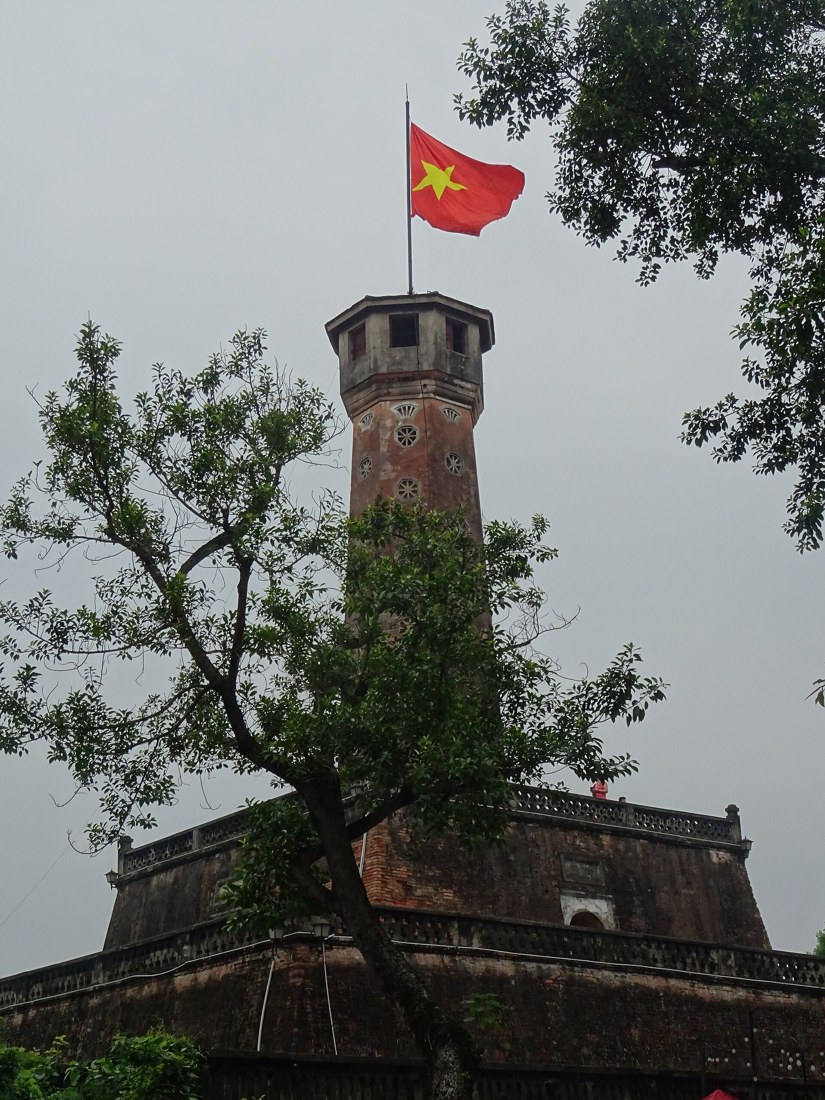
Identifying the Architecture of the Hanoi Flag Tower
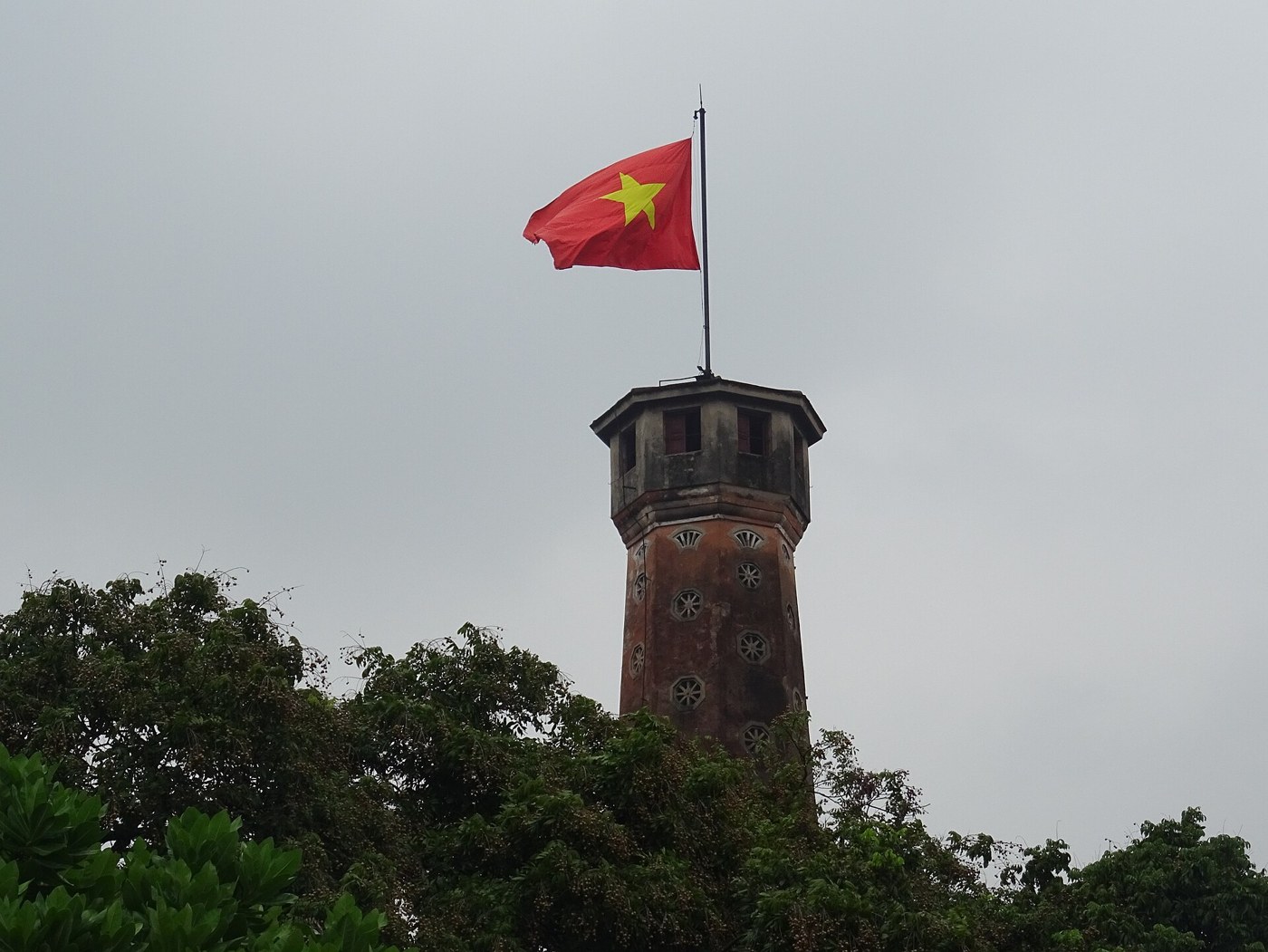
From a distance, the tall tower often draws the eye first, but the base is what gives the entire structure its solid proportions. Step back far enough to observe the transition from the tiered bases to the tower shaft, then look closely at the doorways and wall rhythms. Observing from the overall structure to the details helps visualize the monument as a unified whole rather than just an isolated standing column.
The surrounding trees sometimes partially obstruct the base of the tower, but they also create natural framing. If you want to capture the full height, try an oblique angle or change your position instead of stepping down into the roadway or entering restricted areas.
Choosing Time and Lighting
Mornings are generally favorable for long walking schedules because the weather is more pleasant, while late afternoons can create soft tones on the brick surfaces. However, sunlight angles and clouds change by season; there is no need to wait for perfect conditions. Overcast skies still help reveal the tower’s outlines and reduce harsh contrast between the sky and dark walls.
During the hot season, the courtyards and walkways can feel stifling at midday. Bring water, a hat, and plan for rest breaks. On rainy days, stone surfaces can become slippery, so shoes with good grip and compact luggage are much more practical than oversized umbrellas.
How to Photograph Without Losing Context
A close-up of the top shows the flag and doorways, but wide shots are helpful to capture the proportions between the tower, trees, and courtyard. When using a phone, keeping the vertical lines of the structure near the center of the frame reduces distortion. Do not climb on plinths, railings, or displays to find a higher angle.
If there are many visitors, wait a few minutes or choose a frame with people in the distance to convey scale. Avoid close-ups of other people’s faces and do not fly drones without permission. Compact equipment is usually sufficient for an urban sightseeing trip.
Combining with a Heritage Itinerary
The Flag Tower can be included in a walking loop exploring the Hanoi Citadel and nearby historical sites. A sensible approach is to pick fewer locations but spend enough time reading informational panels, observing layouts, and connecting historical milestones. If you try to visit too many places in one morning, the experience easily turns into constant movement with little time to learn.
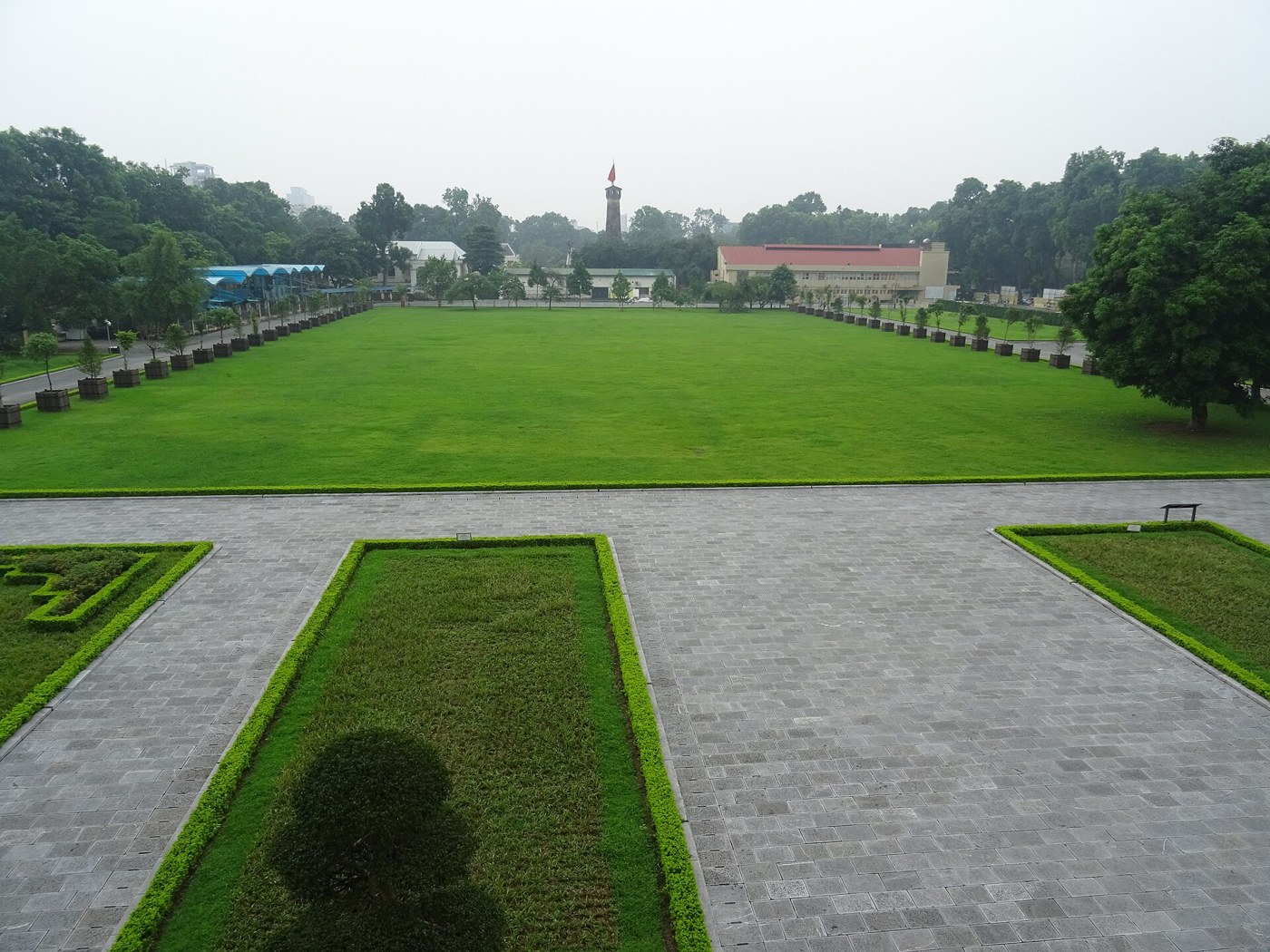
From an elevated position or an open courtyard within the heritage site, you can see the Flag Tower as a directional point amid green spaces and structures. This perspective shows that the tower does not stand separately but forms part of a broader historical landscape.
Conduct at the Heritage Site
- Follow designated paths: adhere to barriers and directional signs; do not open doors or enter conservation zones on your own.
- Maintain quiet: speak at a moderate volume, do not play music out loud, and do not block pathways.
- Protect surfaces: do not carve, write, stick items, or lean equipment against ancient walls.
- Photograph conscientiously: avoid flash photography when requested and ask beforehand if using professional gear.
- Keep it clean: dispose of trash in proper bins and do not eat or drink in prohibited areas.
Transportation and Preparation
Central Hanoi experiences high traffic density, especially during rush hours and weekends. If traveling by personal vehicle, locate valid parking spots before arriving; do not stop for long periods in front of gates or on busy road segments. Buses, taxis, and ride-hailing services are suitable options, but drop-off points should be chosen safely.
A small bag with water, a compact raincoat, a phone power bank, and necessary documents is enough for most trips. If combining multiple heritage sites, wear well-worn walking shoes and leave buffer time for walking between locations.
Check Before Visiting
Operating hours, entry routes, ticketing, and photography regulations may change due to events or maintenance. Confirm via official channels close to your travel date. If an area is temporarily closed, do not try to find detours; instead, switch to other accessible viewpoints.
Your visit to the Hanoi Flag Tower will be more meaningful when you take time to recognize its architectural layers and connection to the ancient citadel space. A slow walk, a few brief notes, and a respectful attitude toward heritage often yield far more value than simply snapping a quick photo and leaving.